

Chasing Ghosts in Brandon

Chasing Ghosts in Brandon

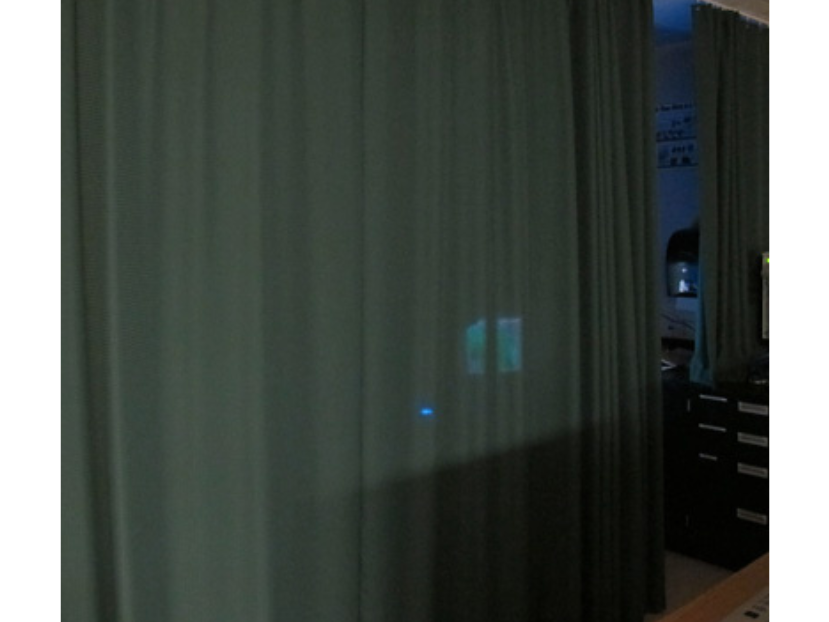
Imagine yourself in the basement of the science building at Brandon University, on a Saturday morning in the summer. The place seems to be abandoned, with the hum of the lights and ventilation the only sounds you hear. Opening a door, you walk into a quiet, darkened laboratory. A curtain closes off one end of the room, and something behind that curtain emits an eerie blue-green glow.

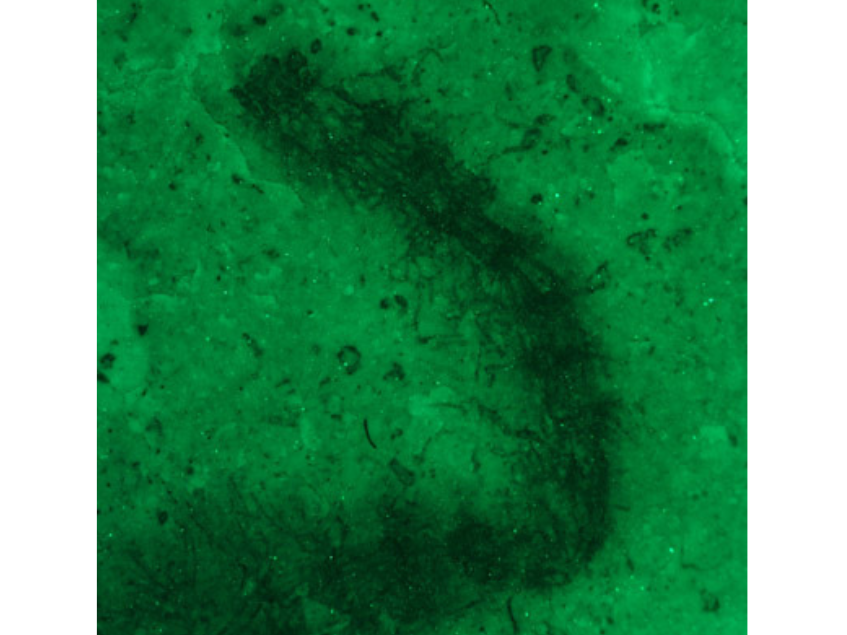
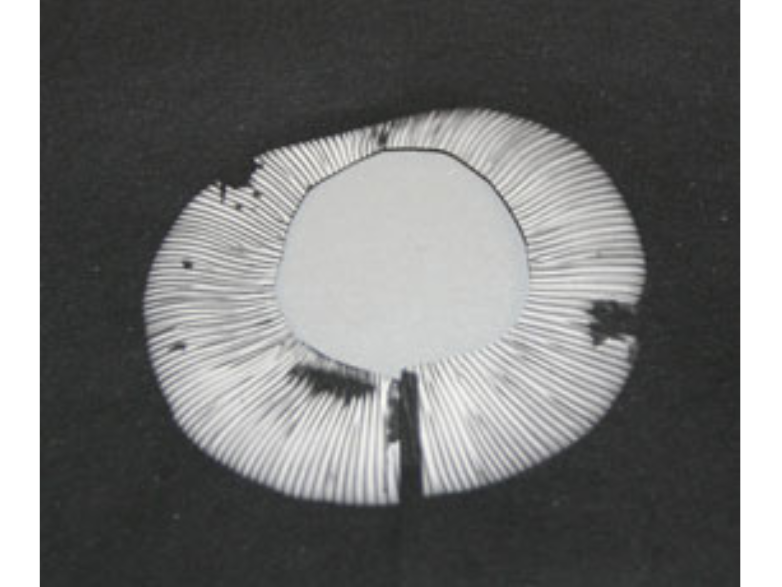
Close-up on a green-lit fossil seaweed.

An Ordovician fossil seaweed from Airport Cove, Churchill, photographed with UV radiation and a green filter.

A computer screen shining through a curtain in a dark room.

Tiptoeing closer, you observe that there is a man behind the curtain, huddled over a pair of computer screens. Beside the computer, a scientific instrument is producing a blinding bluish light. Who is this mad scientist, and what are the nefarious schemes that bring him here at this strange time?

Actually, the man is me, and I am looking at fossils. I travelled to Brandon to use the fine microscope in their Environmental Science Laboratory, by kind invitation from Dr. David Greenwood. At the Museum we have good microphotography equipment, but I had reached its limits trying to sort out the fine structure of some of our unusual fossils. When I visited Brandon a few months ago, David suggested that I might want to try their scope system, which was set up with the aid of a large grant from the Government of Canada.

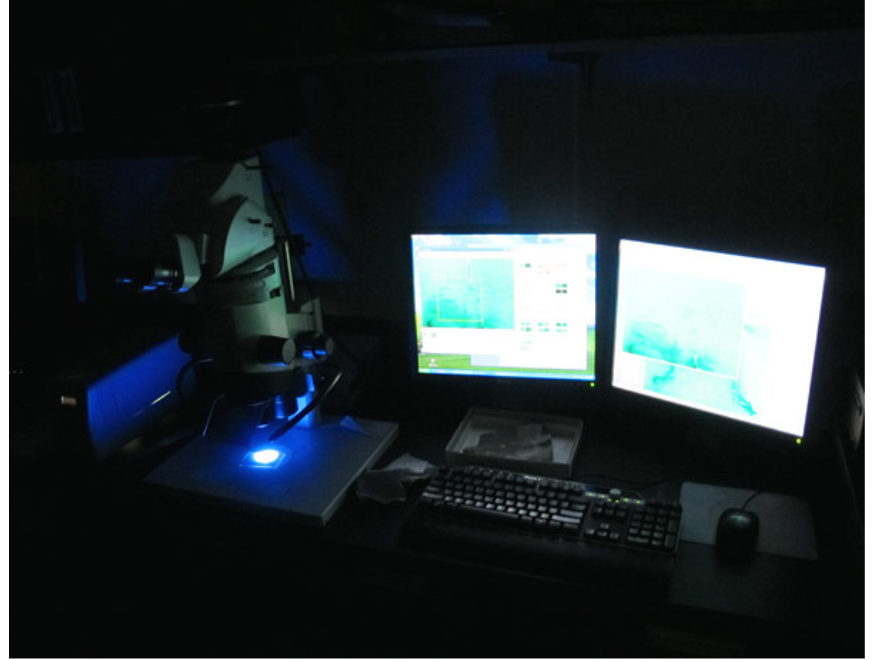
Two full computer monitors illuminated in a dark room. To the left of the screens is a large microscope shining a blue light onto the base platform.

The digital camera on the binocular microscope feeds into a dual display computer.

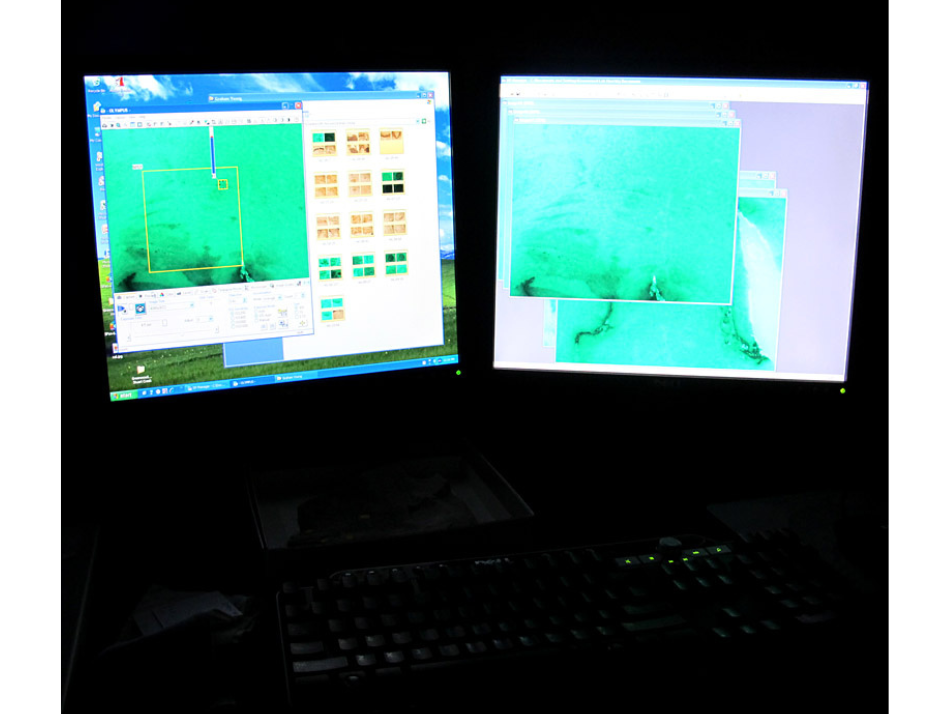
Close-up on two computer screens displaying images being picked up through the digital telescope.

The panel on the left screen allows you to select the area being photographed, and to spot focus the image. The right screen shows the captured images.

So a couple of weeks ago, I hauled a variety of fossils out to Brandon, and spent a few days on the binocular scope seeing what it could tell me. It is a lovely Olympus setup, with full digital image capture and focusing, and a variety of illumination options. It took me quite a while to figure out how to get good photos of our material, but once I had it sorted I was very happy with what it could do.

My research colleagues and I are trying to sort out the fine structure of some of the unusual fossils we have collected in the Grand Rapids Uplands and the Churchill area, things like horseshoe crabs, eurypterids, and jellyfish. I felt a bit rushed trying to look at the many specimens of these, but in several instances I was struck by the sudden realization that I was seeing features that I had never been able to make out before.

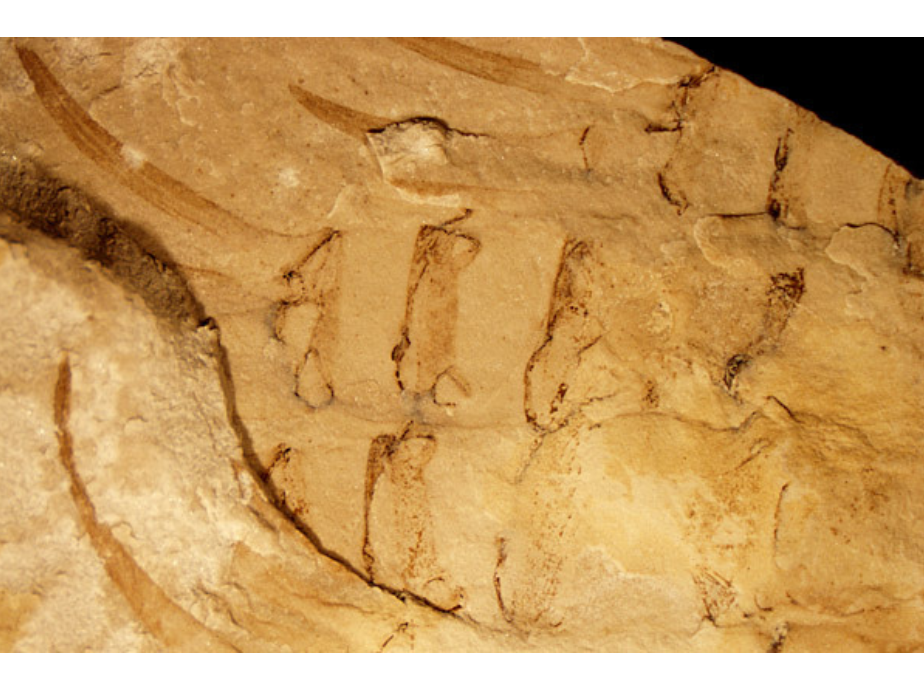
Close-up on a piece of a fossil showing numerous legs of an Ordovician eurypterid.

Some of the legs of an Ordovician eurypterid (“sea scorpion”) from the Grand Rapids Uplands.

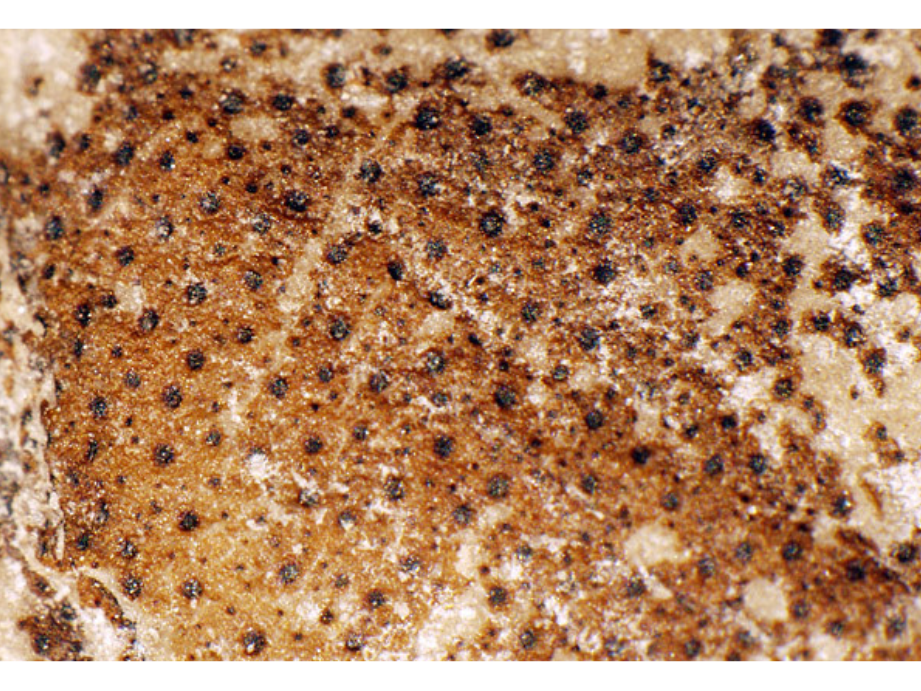
Close-up on a speckled fossil of an Ordovician arthropod.

Spectacularly preserved cuticle of an Ordovician arthropod (joint-legged animal) from Airport Cove, Churchill.

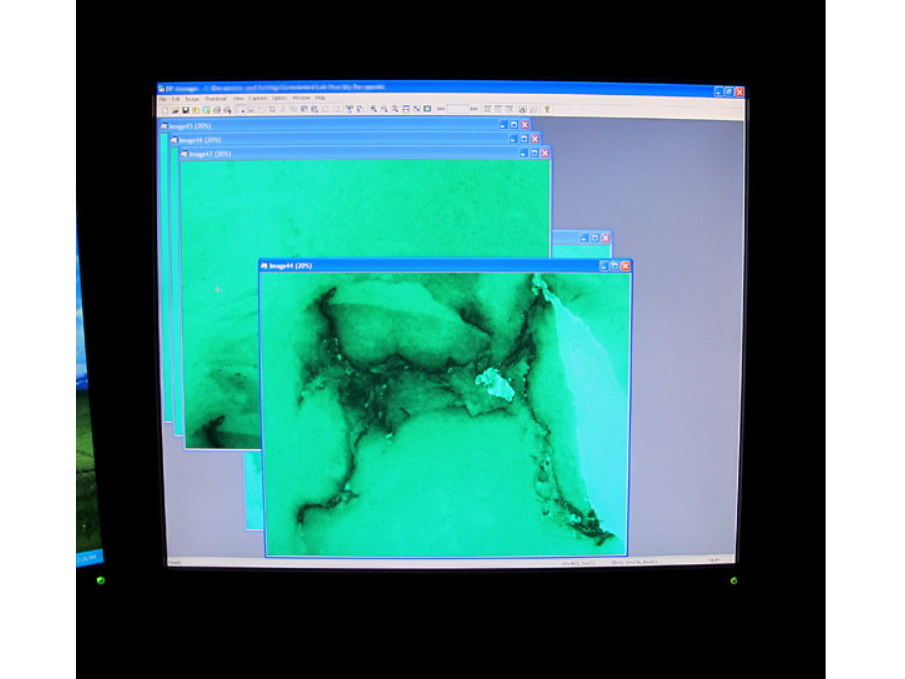
A series of images taken of a fossil displayed on a computer screen.

The front image is a UV photo of the central part of a fossil jellyfish from the Grand Rapids Uplands.

This sense was particularly striking when I was able to image specimens under ultraviolet. Although none showed the bright fluorescence I had hoped for, some of the images were very different from those under standard lighting. With their odd greenish glow, I sometimes felt as though I was seeing the ghosts of the long-departed creatures.

I Tawt I Taw a Puddy Tat!

Seeing cats in Manitoba doesn’t take a whole lot of effort. I have one that lives in my house (and only in my house), and too many that wander around the neighbourhood doing a number on birds and getting hit by cars. And there are always cartoon cats on TV or the web like Sylvester (of Bugs Bunny fame) as he tries to capture and eat Tweety – that yellow bird’s frequent (and distorted) exclamation being the source of this blog’s title. But seeing the province’s native wild cats is quite a bit more challenging than seeing these domestic versions.

We have three wild cat species quietly slinking through our woods and fields. Two are quite rare in Manitoba and all are shy, so a special effort and/or a little luck are needed to see one. The most common is the lynx (Lynx canadensis), a Canadian shield and boreal cat, usually around 10kg with long ear tufts, a stub tail with a black tip, and a luxurious fur that has made it a staple of the trapline for centuries. Despite its relative abundance, it is infrequently seen, even by those that spend a good deal of time outdoors. The bobcat (Lynx rufus) is of similar form, but with shorter ear tufts and a striped stub tail. It is about the same size or a little larger than the lynx, but found only in the southern tenth of the province and is considered uncommon.

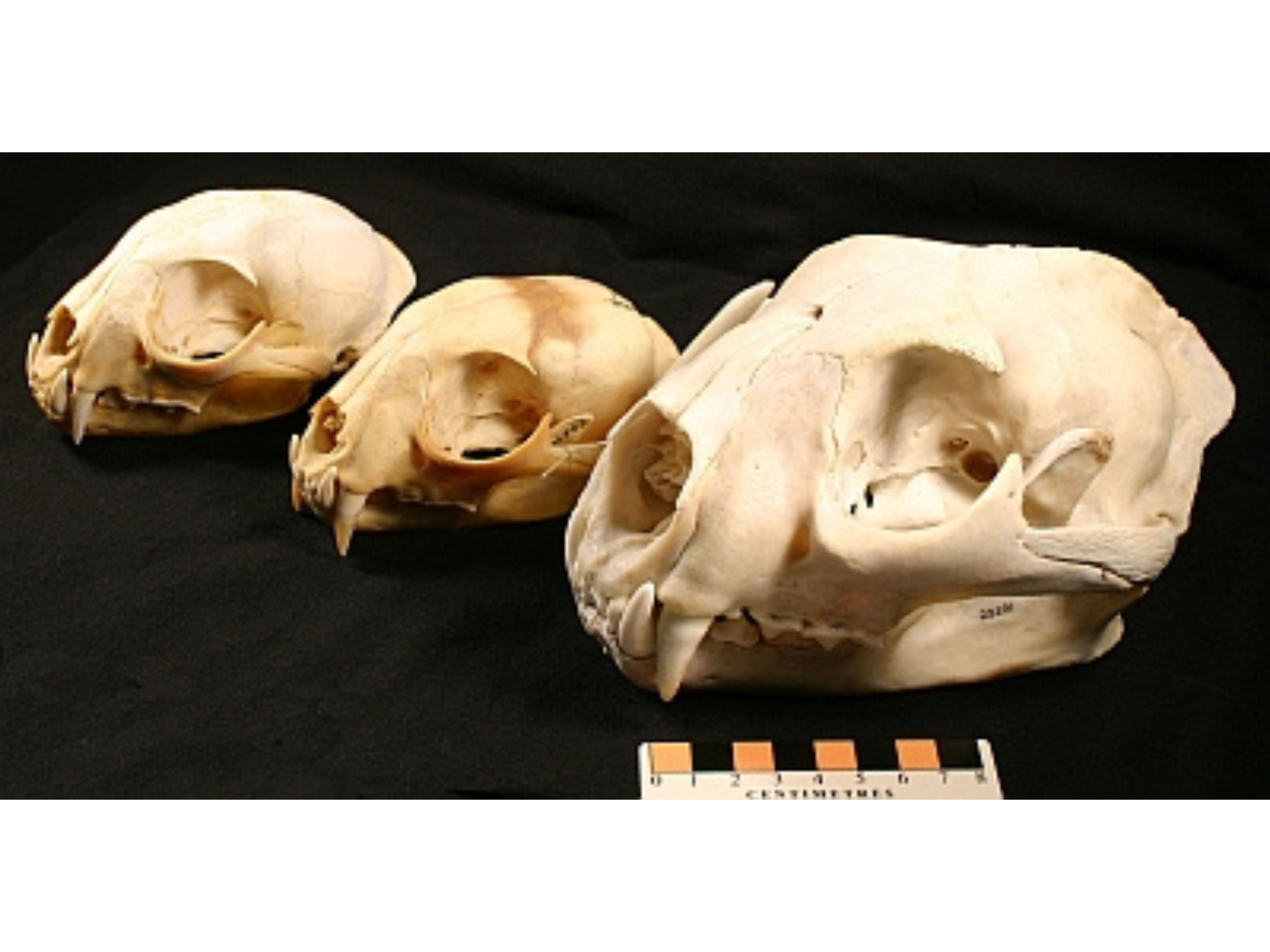
Three wild cat skulls lined up on a black background.

Skulls of the three species of wild cats in Manitoba from the Museum collection. From left to right: lynx (from Nopiming Prov. Park, MM2057), bobcat (from Whiteshell Prov. Park, MM21400), cougar (from Erickson near Riding Mountain Nat. Park, MM23281). Scale is marked in centimetres.

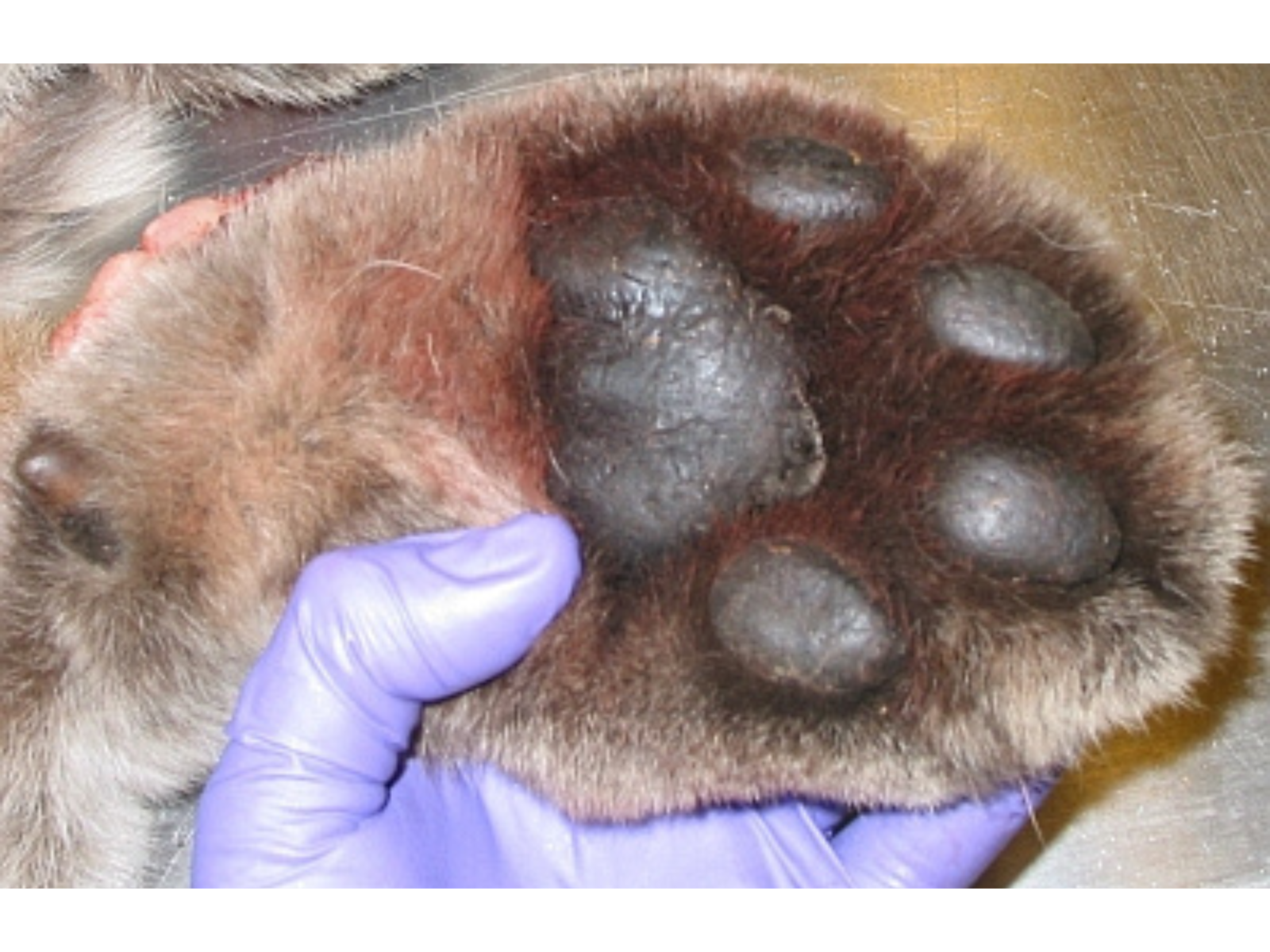
Close-up on the large pads on the underside of a cougar paw.

An impressive paw of the Erickson cougar, a 53kg male, held in a gloved hand during specimen preparation. Imagine the size of a paw on a big male over 100kg!

The most romanticized member of the cat family in Manitoba is the cougar (Puma concolor). Big males of this magnificent cat can be over 100kg, but most are smaller, and females reach about 60kg. Its status in the province was a bit of a mystery, with only vague historical records until more reliable reports began in the 1940s. But it was not until 1973 that an actual specimen was available, a small male (43kg) shot while near livestock in Stead, about 90km northwest of Winnipeg. Two others, one shot and another accidentally snared, were taken in 2004 around Riding Mountain National Park (near Grandview and Erickson). All three of these specimens are in the Museum collection. There have been several well-documented and publicized sightings since then in Plum Coulee, Duck Mountain, Lac du Bonnet, and Morden (among others).

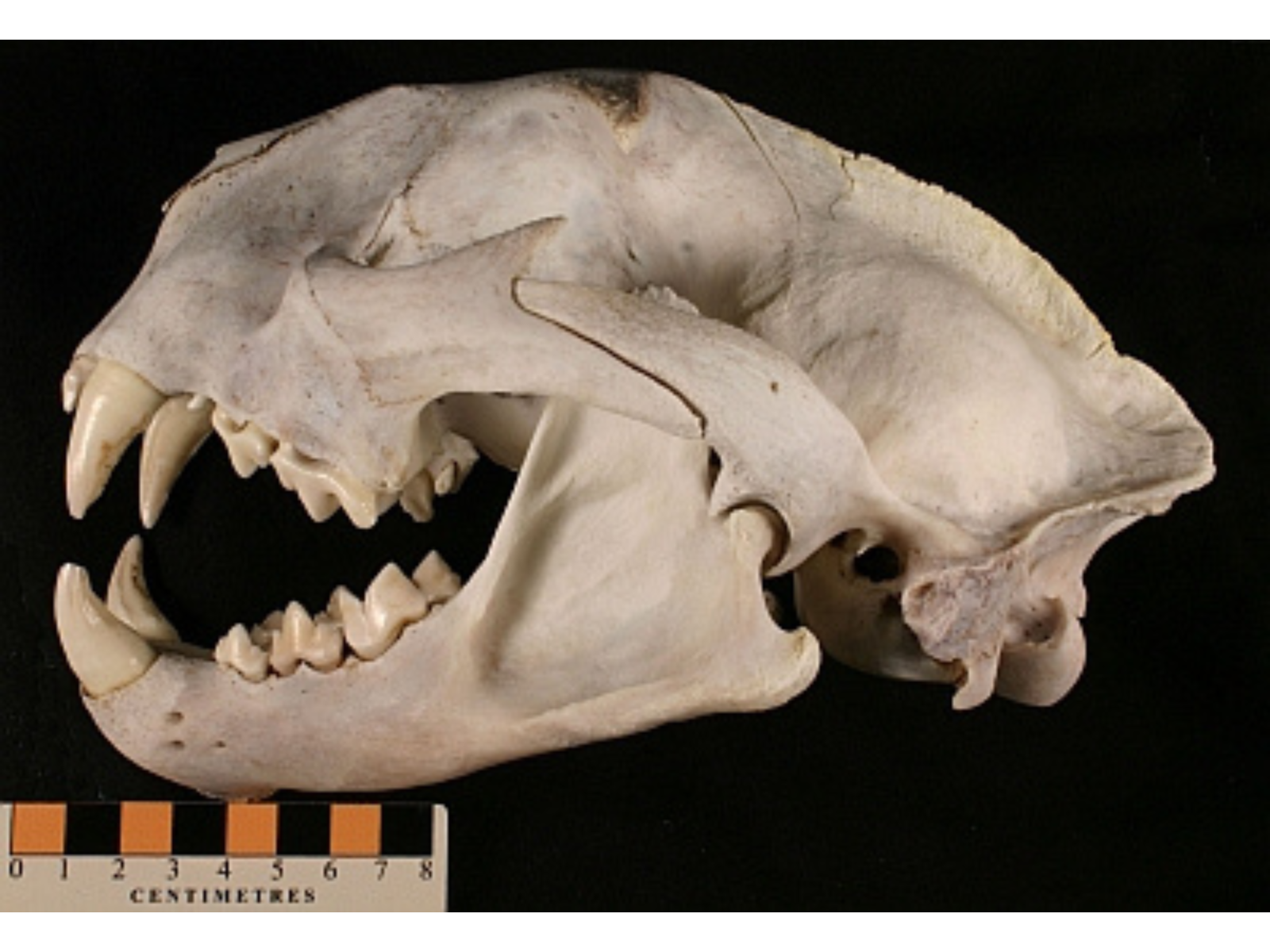
A cougar skull from the side on a black background.

Just a few months ago, the Museum received a fourth cougar specimen that had been accidently snared (the snare was legally set for coyotes) in the Turtle Mountain area in January of this year. This is by far the biggest specimen we have, a male weighing in at about 66kg. Although it is unfortunate that these animals have been killed, it is fortunate that their remains are deposited at the Museum. Here, they can be made available to the scientific community so that we can learn more about cougars in Manitoba. With so few sightings, actual specimens will help us determine where our cougars are coming from. Using DNA and genetic techniques, researchers are examining whether our cougars are resident or if they are wanderers from established populations in the Dakotas. The age and health of the specimens can also be determined. The cougar specimens will continue to provide information and educational opportunities for as long as our collections exist.

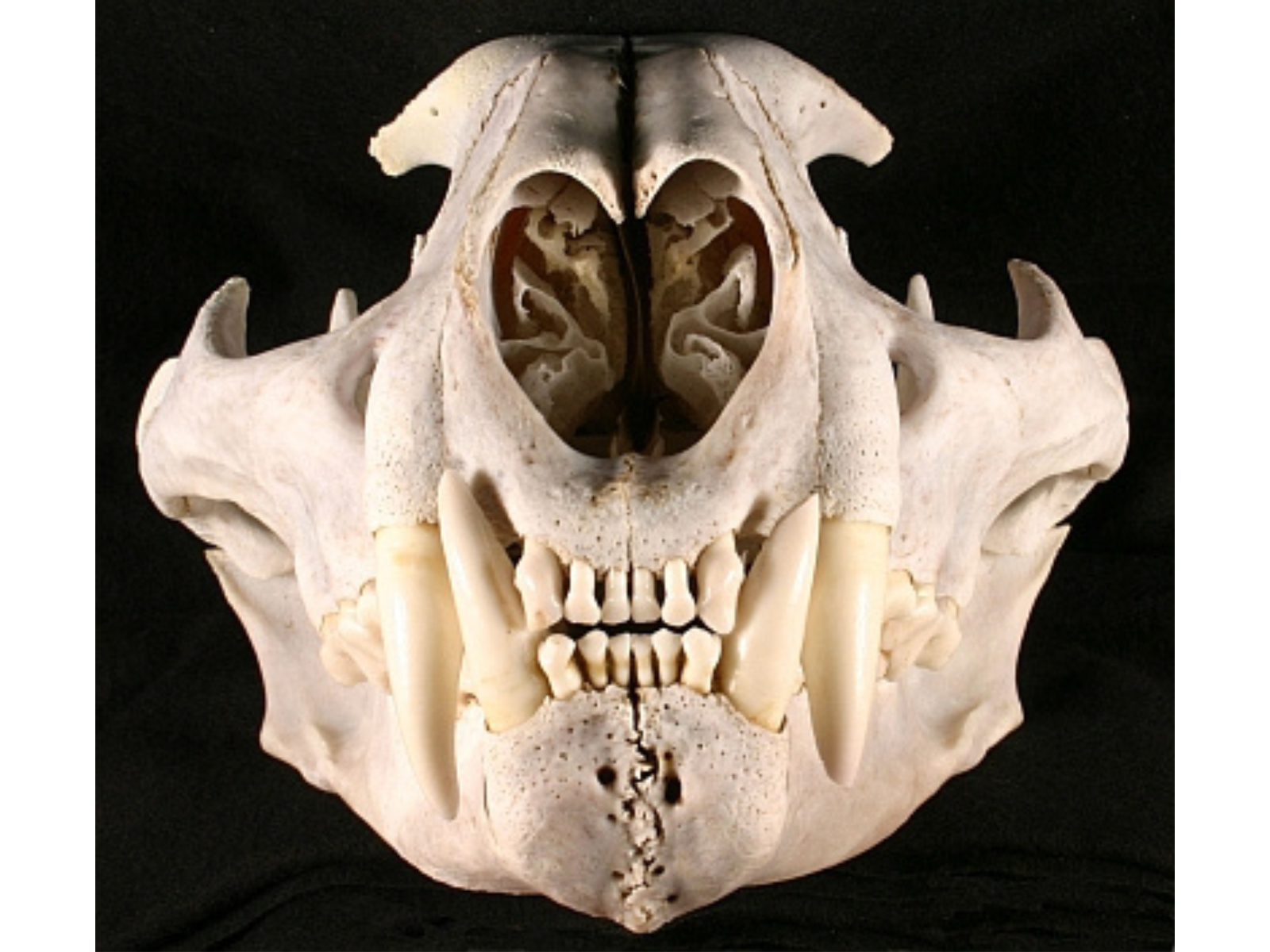
Close-up front-on view of a cougar skull with the mouth closed.

Close-up front-on view of a cougar skull with the mouth wide open.

Front views of the Turtle Mountain cougar skull with mouth closed and mouth open. Intimidating any way you look at it!

Sightings of cougars seem to be on the rise. And there are those two other smaller Manitoba wild cats, the lynx and the bobcat, that are also superb animals. So if we keep our eyes open and have a little luck, maybe more of us will soon be able to quote that cartoon canary, Tweety: “I did! I did! I did taw a puddy tat!” And those are some impressive “puddy tats.”

Dr. Randy Mooi

Dr. Randy Mooi

Curator of Zoology

Dr. Mooi received his Ph.D. in zoology from the University of Toronto working on the evolutionary history of coral reef fishes. Following a postdoctoral fellowship in the Division of Fishes of the Smithsonian Institution…
Meet Dr. Randy Mooi

Speaking of Vacuuming…

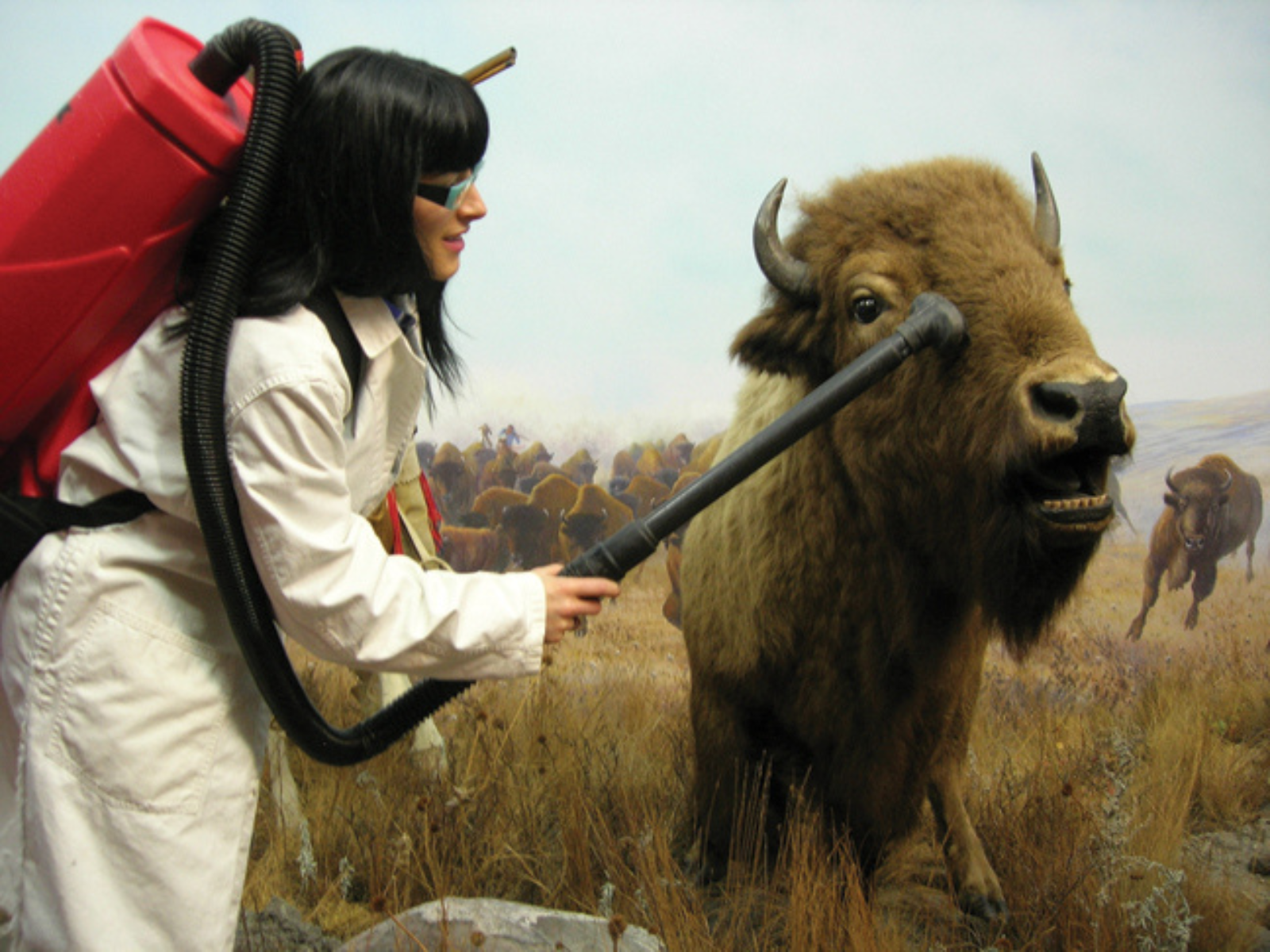
A significant part of the conservator’s job is cleaning. At the Manitoba Museum, our numerous open dioramas require regular vacuuming. The larger dioramas require a team of staff including the Conservators, Diorama Artist, Exhibit Assistant, and whichever Collections Assistants we can round up. We try to get to every diorama once a year.

A dark-haired woman wearing white coveralls and a red backpack vacuum as she holds the hose to vacuum off the face of a taxidermized bison.

Lisa vacuums a bison.

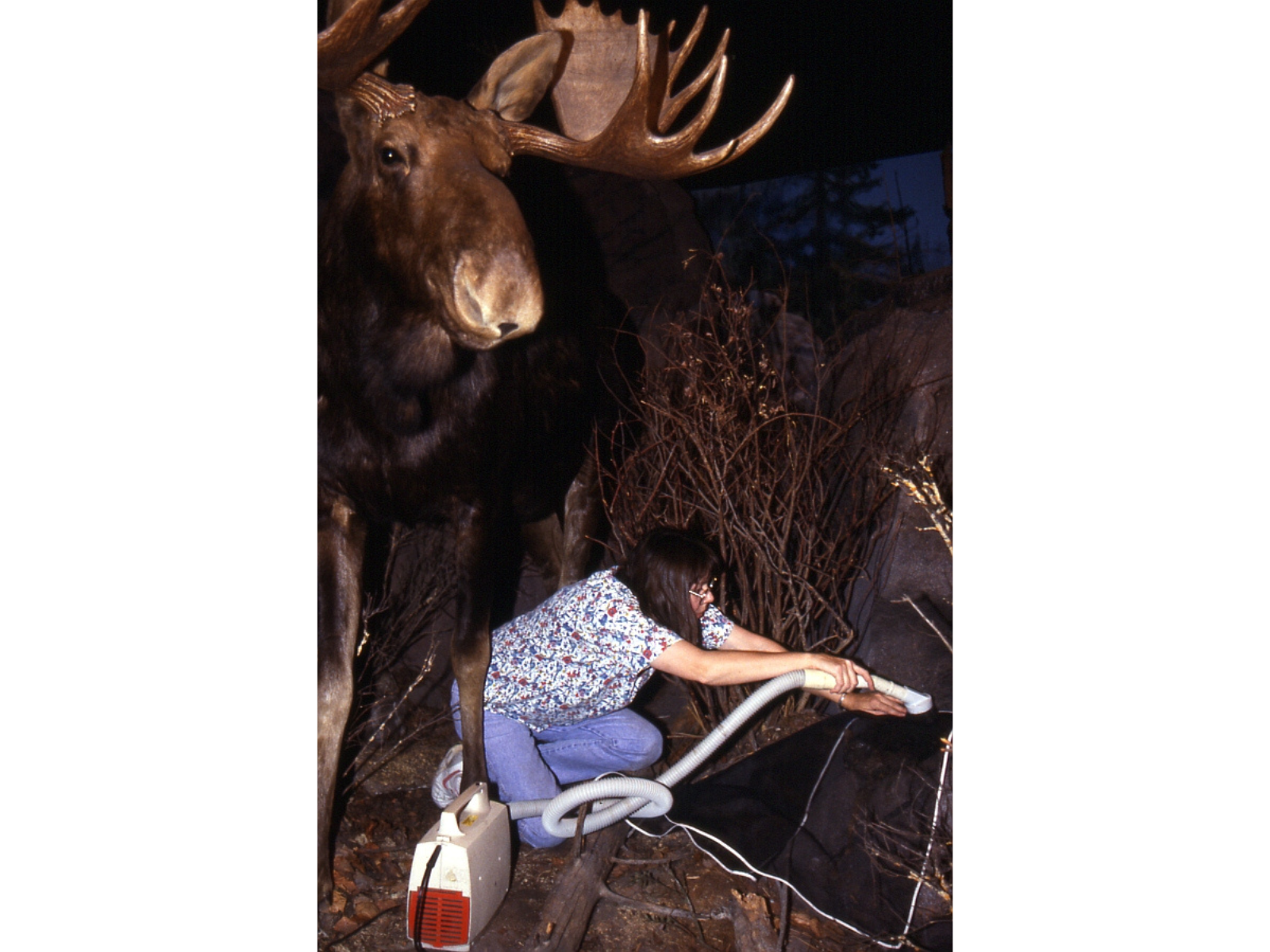
A woman crouches under a taxidermized moose as she holds the nozzle of a vacuum onto a screen covering a rock in the diorama.

Vacuuming through a screen in the Boreal Forest diorama.

The vacuuming must be done carefully, so parts are not pulled off. That’s why we use screens, and vacuums that are portable and have adjustable suction.

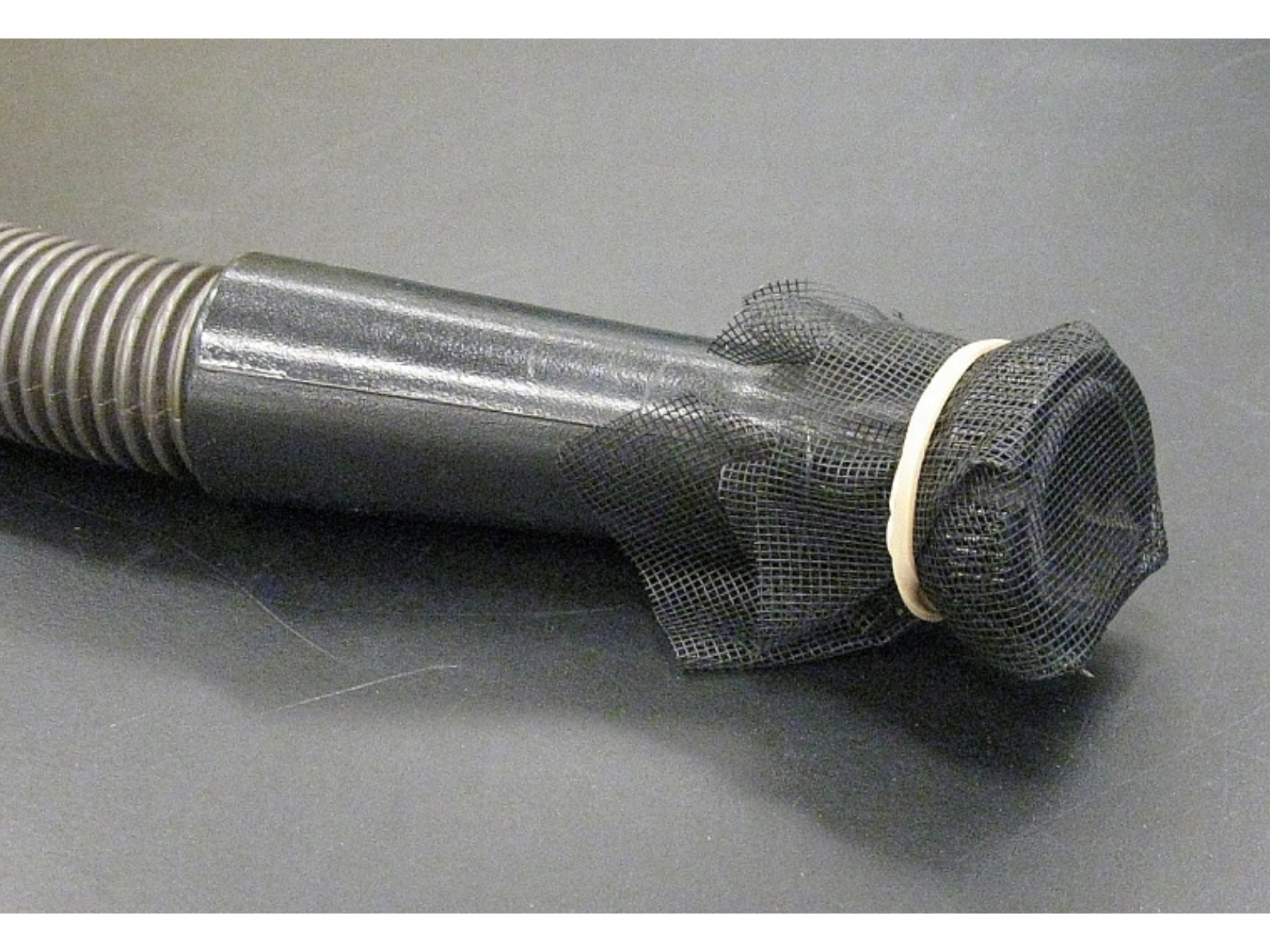
Sometimes, for vacuuming small and/or fragile artifacts or specimens, we put screening over the vacuum nozzle, or use micro-attachments made for cleaning computers and other electronic equipment.

A teal bodied vacuum with a hose loosely wound around the body.

We use household vacuums for most things.

An individual holds up the nozzle and hose of a vacuum cleaner from out of frame, and with their other hand uses a small brush to brush dirt towards the mouth of the vacuum.

Brushing dust into the vacuum.

Close-up on the nozzle of a vacuum cleaner with screening held over it with an elastic band.

A piece of window screen can prevent the loss of any parts.

Dirt and dust can be damaging. They may attract insect pests, can be aesthetically disfiguring, or obscure important information, and can even cause physical harm by, for example, microscopically tearing fragile threads on an old textile.

The most important thing we remember is to remove as much dirt and dust as possible, without harming the object.

A Museum of a Museum

I recently attended the annual meeting of the Canadian Society of Ecology and Evolution in Banff, Alberta. However, being stuck inside a building on several beautiful sunny days was agonizing and on several occasions I found myself gazing wistfully out the windows at the mountains beyond. Fortunately, visiting other museums while I travel is an important part of my job as it helps me to plan exhibits here at the Manitoba Museum. This trip was no exception and I was able to visit the Banff Park Museum during a long lunch break one day.

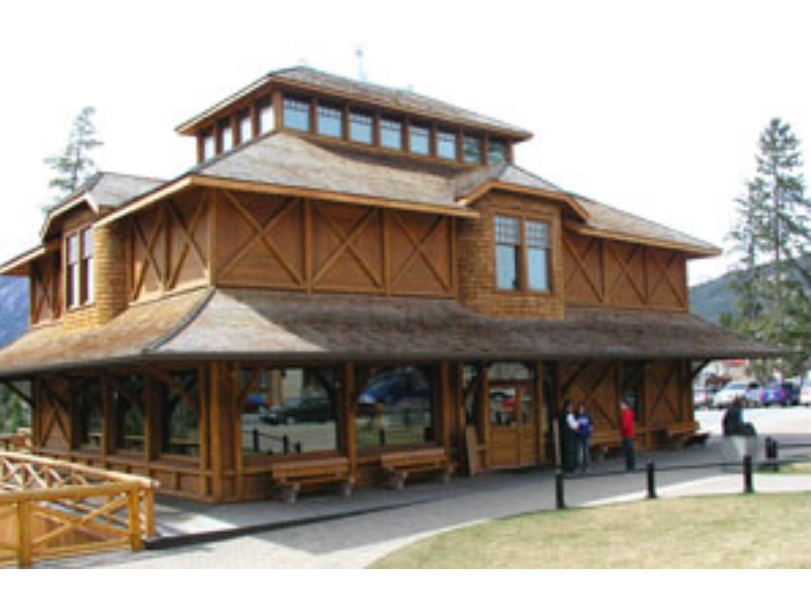
A multi storey wooden building. The main floor consists of primarily windows under an awning stretching the perimeter of the building. Wooden benches are placed periodically under the windows.

The Banff Park Museum in Alberta.

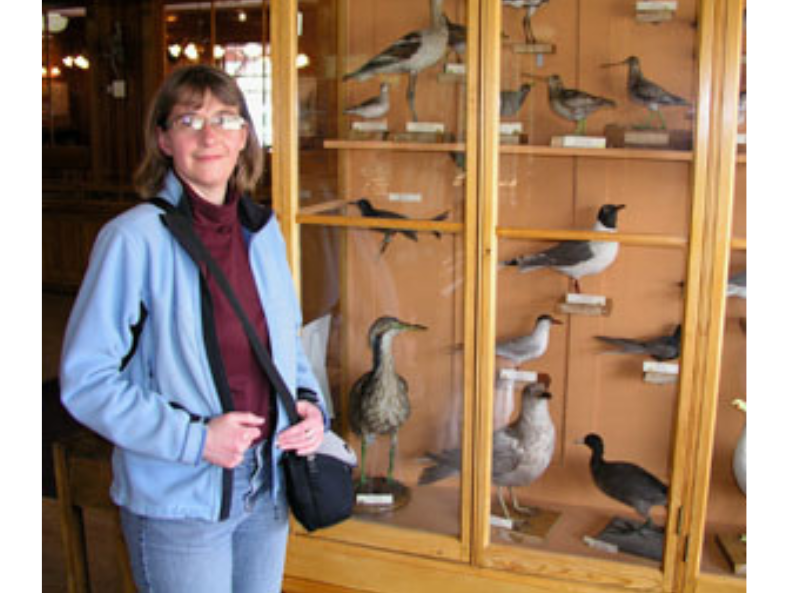
A smiling individual posing beside a display case containing a variety of taxidermized birds.

Next to a case of very old birds.

The Banff Park Museum is such an old museum (1903) that the building and its collection were protected as a National Historic Site in 1985. So basically it is a museum of what old museums used to look like. Apparently in the late 1950’s some people in the community wanted the Museum torn down and replaced with a new building and more modern exhibits. Looking around at the beautifully crafted wooden cases, hundred-year old specimens and gorgeous Douglas Fir wood panelling on the ceilings, I was thankful that cooler heads prevailed.

The Museum contains numerous “cabinets of curiosity”, as they used to be called. These cabinets contain more than 5,000 mounted birds, mammals, insects, plants and eggs collected in western Canada mainly between 1890 and 1930. Some of the “newer” exhibits created in 1914, displayed animals in their habitat, an approach that was considered radical at the time. Eventually this approach evolved into our modern-day dioramas. Nowadays some Museums are tearing down their dioramas and putting in “cabinets of curiosities” again, albeit with a modern twist. So I guess that “what goes around comes around” even in Museum design. I myself tend to think that what is most desirable is a mixture of the best of both, especially when many dioramas themselves have become worthy of preservation.

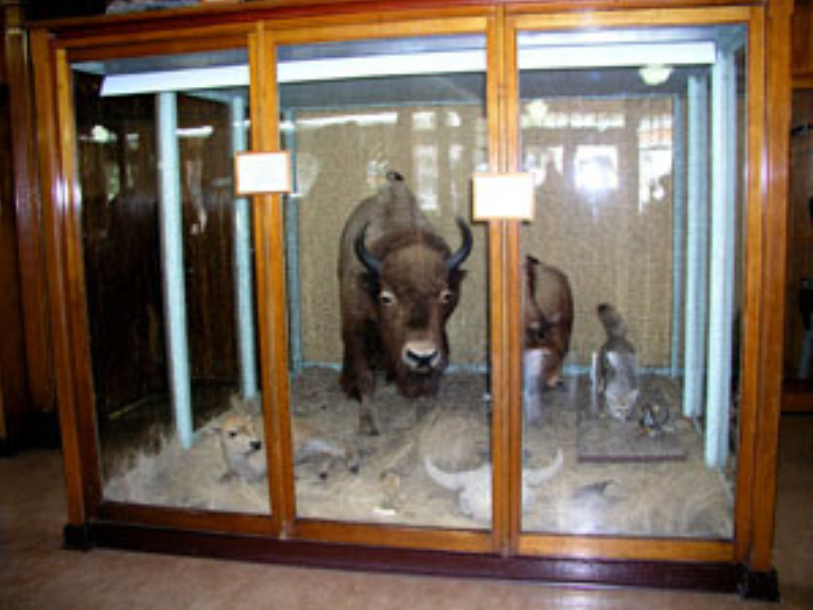
A taxidermized bison and calves in a large squared display case, with a prairie groundscape set up.

A “radical” new diorama circa 1914.

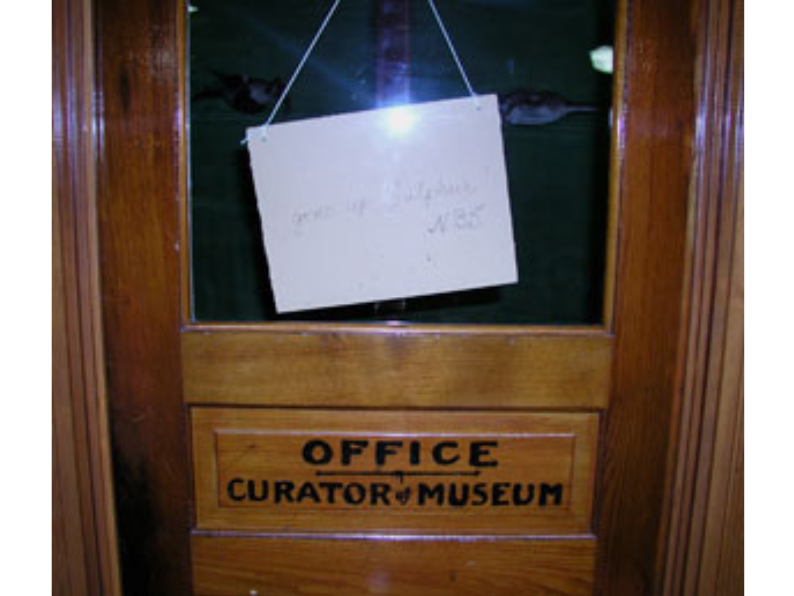
A wooden door with a large window in the front. Printed on the door is "Office / Curator of Museum". A white sign hangs in the window - unintelligible due to image quality.

The Curator left and never came back.

The Banff Park Museum is a museum of a museum in yet another way-there has not been a Curator there since 1932 when the last one retired. What this means is that the collection has effectively “died”. Curators keep collections alive through research, promotion and interpretation. Collections that cease to grow cannot incorporate new, valuable information about genetic, population and ecosystem changes over time. Without this information, our societal ability to make wise decisions about resource use is hindered. Curators ensure that information from the collections is accurate and promote collections use by anyone who needs it, such as scientists, managers, and government employees. Curators are also able to interpret the collection in the context of our current society. Unfortunately the important supporting role that collections play in science is rarely understood or appreciated, even by some scientists.


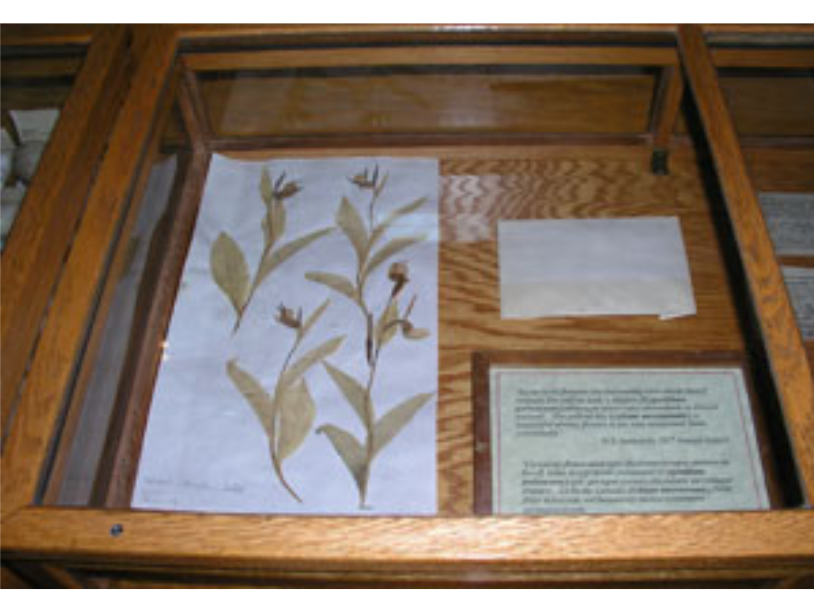
Image: An orchid on display at the Museum.

I was reading the job description of the ideal Curator in the Museum’s interpretive brochure. Professor John Macoun suggested in an 1895 correspondence that the ideal Curator should possess the following qualifications:

  • “A man of wide intelligence;
  • Energetic (not a hotel lounger);
  • Ought to be able to skin a bird or mammal;
  • Will talk natural history, mineralogy, geology or anything else to the visitor, and
  • A political bloke should be the last man for that place.”
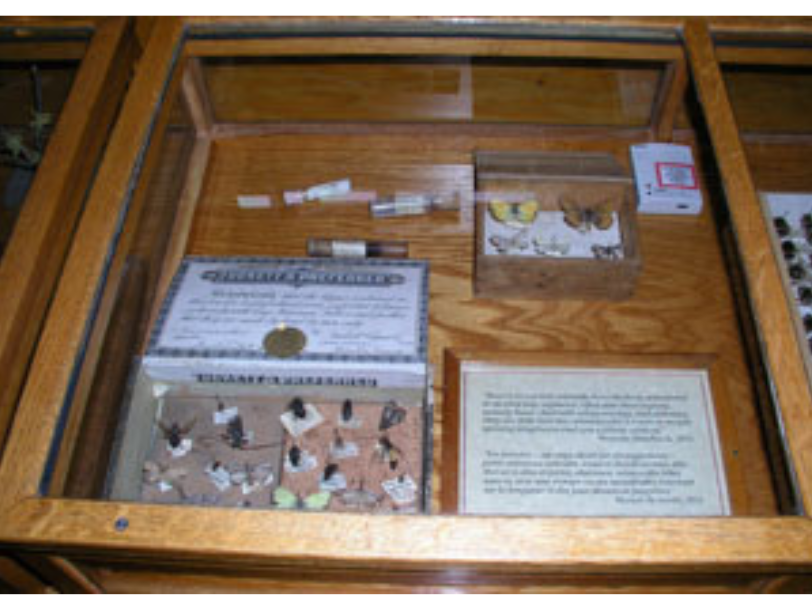
A museum display case featuring a number of insect specimens.

What’s amusing is that a natural history Curators’ job description hasn’t really changed in a hundred years! You still need to be energetic to conduct field work and collect specimens. You still need to know how to prepare specimens for preservation. You still have to have a broad interest in natural history and the ability to communicate with visitors. And we are most definitely NOT “political blokes”. Really the only thing that has changed is the technology that modern Curators employ. I use a palm pilot to record my field notes instead of a notebook, a GPS to navigate instead of a map and compass, and a blog page to “talk natural history” with the visitor. It seems that “the more things change the more they stay the same”.


Image: Museum display of pinned insects.

Dr. Diana Bizecki Robson

Dr. Diana Bizecki Robson

Curator of Botany

Dr. Bizecki Robson obtained a Master’s Degree in Plant Ecology at the University of Saskatchewan studying rare plants of the mixed grass prairies. After working as an environmental consultant and sessional lecturer…
Meet Dr. Bizecki Robson

Amethyst Update

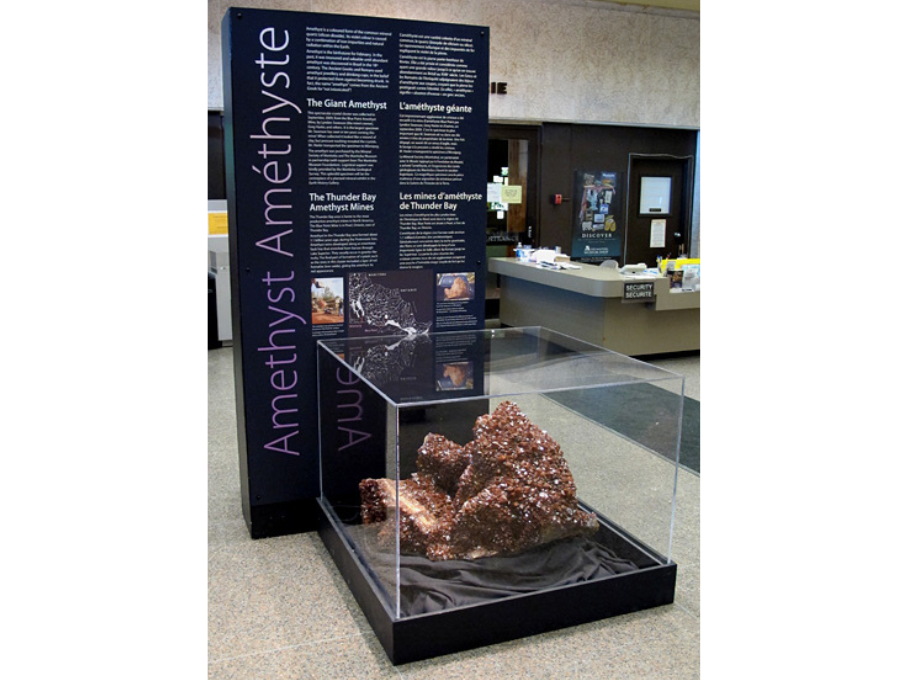
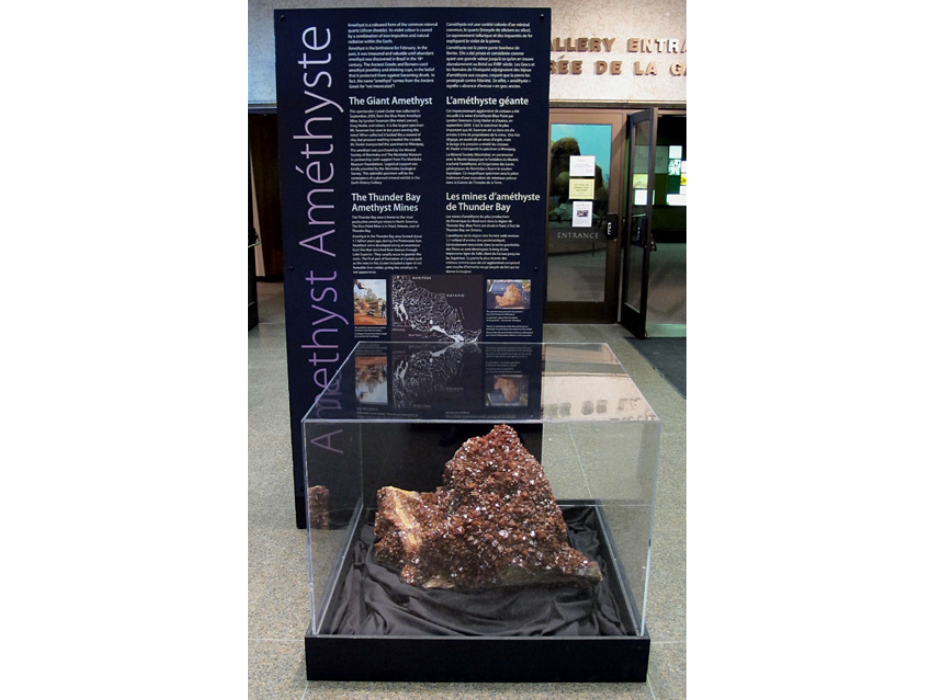
The amethyst exhibit in the foyer was installed today, on schedule. There were a few teething pains, mostly related to lighting, but when you have done many exhibits you know that you will never be finished without some sort of issue.

The last 5% of the installation work always takes 50% of the time. As a public space, the foyer has a lot of ambient light, which means that there is an immense amount of reflection on a plexiglass case lid. When we put the lid on, we realized that we would not be able to read some of the text. So the lid came off, the backing panel was offset a bit to the side, some flat black board was placed inside the back of the lid, and the lights were moved around and adjusted a couple of times more.

A large amethyst in a plexiglass display case in front of a large information panel.

A large amethyst in a plexiglass display case in front of a large information panel.

Voilà, the exhibit is done, and we are very pleased with the result. MANY thanks to David, Hanna, Janis, Cindi, Adèle, Bob, Bert, Paul, Sean, and everyone else for their efforts.  Even a simple exhibit such as this one requires the work of many people!

Taxonomists: The Curious George’s of Science

At the heart of every taxonomist is a curious little monkey who just can’t stop exploring the world around him or her, sometimes to their detriment. I was reading a great book called “The Plant Hunters” by Tyler Whittle and was amazed at the trials and tribulations that early botanists like William Dampier (1651-1715), Philibert Commerson (1727-1773), and David Douglas (1799-1834) went through. Curiosity drove them to explore the remote areas of the world under extremely difficult circumstances in the hopes of finding plant species unknown to Western scientists. Many of the specimens that these men collected can still be found in European herbaria, providing us with a valuable snapshot of the past.

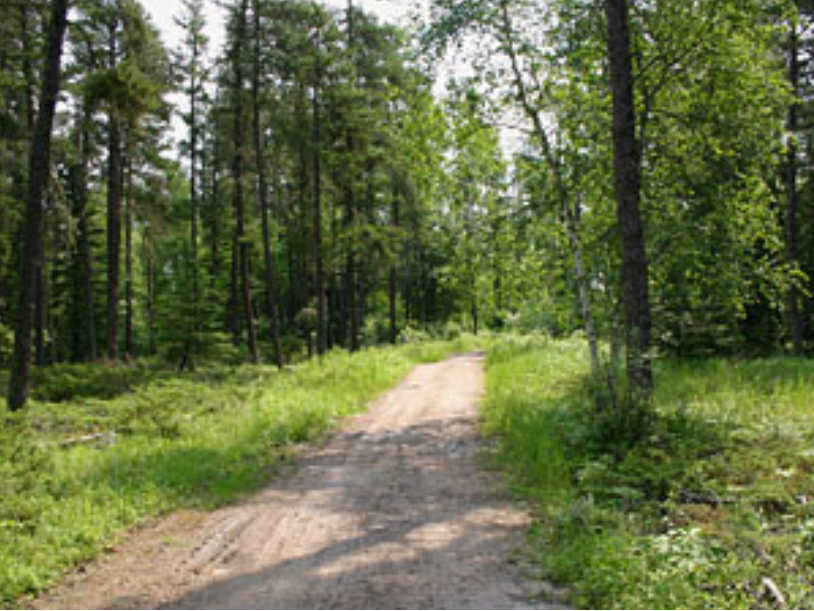
A path through a wooded area.

What exciting plants and fungi are lurking along this trail?

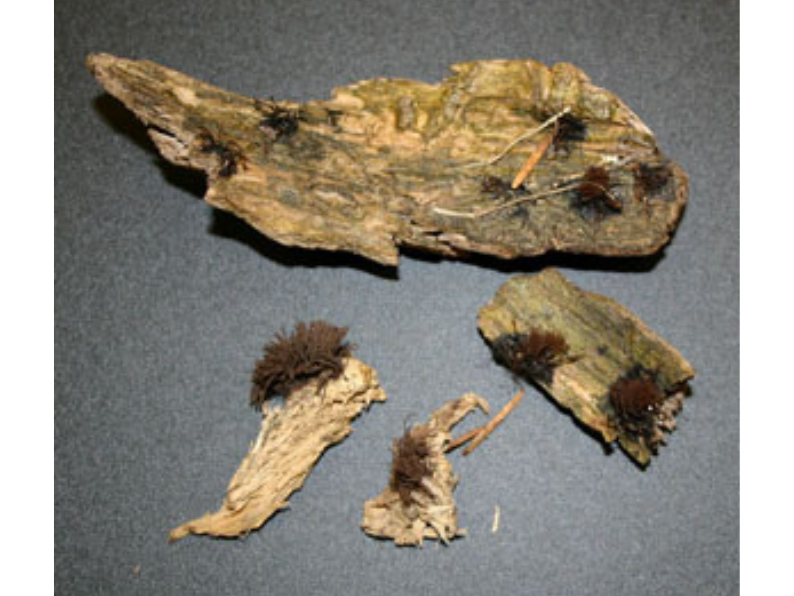
Four pieces of dried mouldy vegetation.

It took me quite a while to determine that this strange thing was a slime mold!

How about you?  Have you ever seen a mysterious plant or fungus that you just couldn’t identify?  If you were in Manitoba, Saskatchewan, eastern Alberta or northern Ontario, I may be able to help you, or if not, I can put you in touch with someone who can.  I can identify some plants and fungi from good photographs but it is usually preferable to have the actual specimen.  Most plants and fungi can be collected without killing them as long as the root system is left intact; orchids are the exception as they typically have only one stem and are sensitive to disturbance.  The Native Orchid Conservation Inc. has a great field guide called “Orchids of Manitoba” if you are interested in identifying these plants.
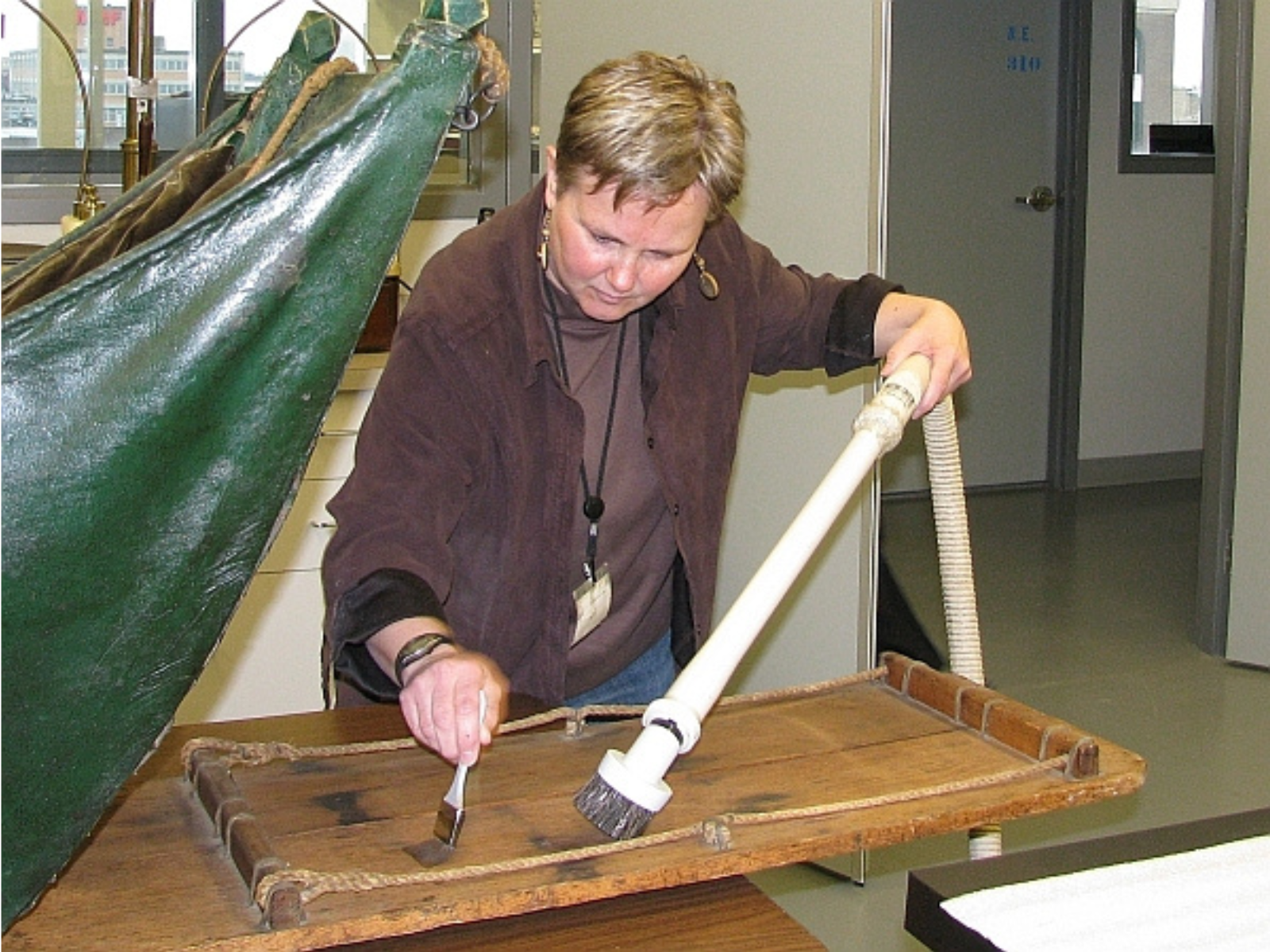
 

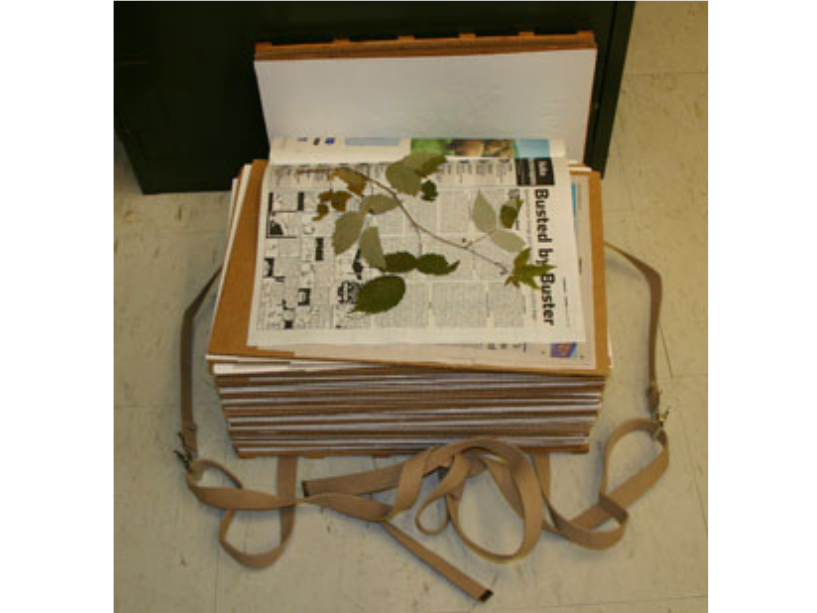
Image: A plant fresh out of the press.

If you wish to bring a specimen in to the Museum for identification, please call first to make an appointment as I am often in the field over the summer. Vascular plants and mosses can be brought fresh in a plastic bag with some moist paper towel inside, or pressed and dried between two sheets of newspaper. If you don’t have a plant press, you can use several large books to weigh it down. Try to collect specimens with leaves and flowers or fruits as you need both to identify some species.

A white mostly circular mushroom spore on a  black background.

A beautiful spore print on black paper.

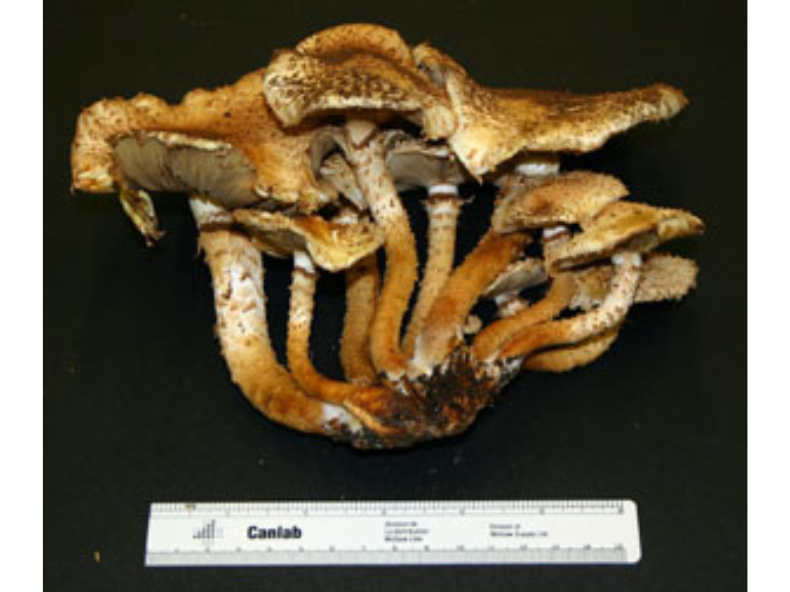
A fresh mushroom specimen, with several caps growing out of a plant with a shared base.

Photographing the fungus while fresh with a ruler can aid greatly in identification.

If you wish to bring in a fungus, it should be kept in a paper bag as plastic will make it go slimy. As some mushrooms get eaten by maggots quickly, they need to be brought in soon after picking or dried using a fan, dehydrator, silica gel dessicant or a warm (140°F/60°C) oven. Since dried mushrooms change colour quite drastically and shrink in size, photographs and measurements of the cap and stem are useful. A spore print, made by laying a mushroom cap over a piece of paper and covering it with a glass or bowl for a few hours, is also useful for mushroom identification. Happy hunting!

Dr. Diana Bizecki Robson

Dr. Diana Bizecki Robson

Curator of Botany

Dr. Bizecki Robson obtained a Master’s Degree in Plant Ecology at the University of Saskatchewan studying rare plants of the mixed grass prairies. After working as an environmental consultant and sessional lecturer…
Meet Dr. Bizecki Robson

Manitoba Jellies: Not Your Grandmother’s Preserves

No, I’m not about to give a recipe for Saskatoon berry jam, but instead introduce some members of an animal group that most would never associate with Manitoba: jellyfish. Jellyfish are, of course, not fishes at all, but part of a very interesting phylum of animals called the Cnidaria [nie-dare-ee-a] that includes corals, sea anemones, and jellyfish. Some of you might remember high school biology and examining the superficially plant-like Hydra, a hydrozoan cnidarian, under a microscope. The term “jellyfish” refers to similar-looking stages of the lifecycles of various members of the Cnidaria that are not necessarily closely related.

Five jellyfish swimming together in blue water.

The unique characteristic that links all members of the Cnidaria are very specialized cells called cnidocytes [nie-doe-sites] that contain some of the largest and most complex intracellular structures known – the cnidae [nie-dee]. These are hollow, harpoon-like threads that fire at or into potential food at speeds of over 9m/sec with the force of a bullet! They are either adhesive or inject a toxic cocktail of phenols and proteins to capture prey. [For a technical discussion, see Current Biology.] The hundreds of thousands of these cnidae that are triggered by the brush of a finger are what makes a sea anemone’s tentacles feel sticky. In some species of hydrozoans and jellyfish with particularly nasty neurotoxins, cnidocytes (sometimes called nematocysts) are the cause of severe pain and even death in humans that might touch them.


Image: Aurelia, a genus of typical jellyfish found in Pacific, Atlantic, and Arctic Oceans. It is also known from James Bay and might occur off the Manitoba coast. Photo courtesy of G. Young, copyright.

But what, you might ask, do cnidarians (and jellyfish) have to do with Manitoba? Actually, cnidarians are incredibly common in the province, but mostly as fossils. Many species of fossil corals are known, and often make up part of the popular Tyndall stone found cladding many buildings (including the provincial legislature and The Museum). Fossil jellyfish have recently been described from rock over 440 million years old by the Museum’s paleontologist, Dr. Graham Young. These and other discoveries form an integral part of the Ancient Seas gallery that opened just last spring. This award-winning gallery, using fossils and scientific animation brings that early Manitoba to life when cnidarians were commonplace here.

We also can’t forget that Manitoba has ocean frontage! Hudson Bay is home to over 60 species of cnidarians, including several species of jellyfish. The first image in this blog, the scyphozoan jellyfish Aurelia, is a genus recorded for James Bay. Not all of these species might wash ashore along our northern coastline, but some certainly do. One of the most spectacular is Cyanea capillata, the lion’s mane jellyfish, perhaps one of the largest invertebrates by some measures. Although most individuals are smaller, some have a bell (body) reaching over 2 metres in diameter and tentacles that are over 30 metres long! Our Arctic/Subarctic Gallery has a meticulously prepared model of this species.

Two photographs side-by-side of the entrance to the Ancient Seas exhibit and the exhibit itself - a large curving screen along a wall showing animation of a view of a tropical sea.

The Ancient Seas gallery and a peek at the large screen theatre that brings the fossils to life, including jellyfish and corals.

An individual crouching down next to a large beached lion's mane jellyfish.

A lion’s mane jellyfish, Cyanea capillata, washed ashore in the Churchill River estuary in Manitoba. The bell (body) on this specimen is about 50cm across. Photo copyright of David Rudkin, Royal Ontario Museum.

For a more southern taste of jellyfish, you might recall the report late last summer of a “first” record of jellyfish for the province in the Whiteshell area (southeastern Manitoba). There were reports of a bloom of small jellyfish about the size of a quarter or smaller, found in the hundreds in a couple of isolated bays of Star Lake. The species of jellyfish is Craspedacusta sowerbyi, harmless to humans, but a critter with an interesting history. It was originally described in the 1880s from ornamental water lily tanks in London, England, and thought to have come from South America. Further research suggests it is actually a Chinese species. With the popularity of aquatic ornamental plants and through other means, it had made its way to eastern North America by the early 20th century and has gradually spread throughout large portions of the United States and southern Canada. It has been regularly reported from Wisconsin and Minnesota since about 1969, so it would have seemed only a matter of time before it would turn up in Manitoba.

A small jellyfish on a black background next to a Canadian quarter for scale.

The freshwater jellyfish, Craspedacusta sowerbyi, of variable size but no bigger than a quarter.

Six jellyfish against a deep grey background.

Some of The Manitoba Museum specimens of Craspedacusta from Star Lake. The specimen at the upper right is the one with the quarter in the preceding image. Most are much smaller than a quarter.

As it happens, this species of freshwater jellyfish was recorded by a reputable source in Star Lake and other Whiteshell area localities as early as 1972! Unfortunately, no voucher specimens were retained at that time, but the Museum was fortunate enough to obtain a small collection of this year’s bloom from Doug Collicutt. These will provide a permanent physical record of the species’ occurrence in the province.
Our Manitoba freshwater jellies occur in obvious blooms in a lake ringed by cottages, so how did they manage to be seen in 1972 and not again until 2010! The answer probably lies in its lifestyle. Like most cnidarians, Craspedacusta exhibits an alternation of generations, that is, part of its life history is spent as an inconspicuous asexual polyp attached to aquatic plants or other underwater substrates in rivers, lakes, or stagnant ponds. The polyp buds off new polyps that can remain attached to the parent to form a colony (less than 10mm), or to be released as a frustule larva that can move around before metamorphosing into a new polyp. The polyp can avoid unfavourable conditions (like winter) by entering a resting stage called a podocyst. It is believed that it is during this phase that the species is transported to new habitats and has managed to spread from China to North America and around the world. The podocysts become polyps again in summer. When conditions are just right, usually requiring high water temperatures (about 20-25°C), the polyps bud off free-swimming hydromedusae, the part of the lifecycle that we recognize as jellyfish. These hydromedusae (jellyfish) are either male or female, and will release eggs and sperm to produce a new kind of larva, the planula, that grows into a polyp.

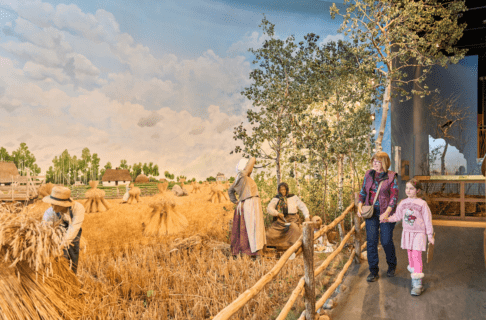
Image: The lifecycle of Craspedacusta sowerbyi. The medusa stage, or jellyfish, is a very small part, and only occurs when water temperatures are high. Reproduced with permission of Dr. T. Peard.

The high temperatures required to produce the jellyfish stage explains why they are found only in late summer, as our lakes take a while to warm up. And it also explains why these blooms of jellyfish are so rarely seen; most of our lakes won’t normally reach the required temperatures. The species goes quietly about its business as a podocyst in winter and a polyp in summer, only very rarely encountering the conditions favourable for producing the jellyfish stage – the conditions during 1972 and 2010. Although it is known that several years can go by between blooms, jellyfish might have been produced between these dates, but the conditions are so fleeting that perhaps few jellyfish would have been produced and perhaps missed by the casual observer.

Finding freshwater jellyfish in such a frequented spot in Manitoba is exciting! Although this species is a foreign invader, research has yet to show if it harms native organisms, but one might expect it would provide at least some competition for the small water animals it eats. Regardless, its unexpected occurrence shows there remains a great deal of undiscovered animal diversity right in our own backyards. And some of these Manitoba “jellies” are preserved for study at The Manitoba Museum.

So keep your eyes open for jellyfish around your cottage this summer. If you find any,  please report them to me, Manitoba Conservation.

Dr. Randy Mooi

Dr. Randy Mooi

Curator of Zoology

Dr. Mooi received his Ph.D. in zoology from the University of Toronto working on the evolutionary history of coral reef fishes. Following a postdoctoral fellowship in the Division of Fishes of the Smithsonian Institution…
Meet Dr. Randy Mooi

50 years ago today… April 12, 1961

April 12, 1961 – a date that will forever be a part of human history. The date that humanity became a spacefaring species. This achievement ranks amongst the greatest of human accomplishments – fire, the wheel, agriculture, the electric guitar – and its long-reaching effects are still rippling through our future.

On April 12, 1961, Yuri Gagarin boarded the Vostok spacecraft and flew once around the Earth. HIs 108-minute flight was significant only for its newness; the flight would be easily surpassed by both the Soviets and the Americans within a year, Gagarin became a world hero, not just for the Soviet Union but for all of us – he had gone where no one had gone before, and returned safely, blazing a trail that many of us still yearn to follow.

If you want to see what Yuri’s flight was like, watch the film First Orbit – a beautiful real-time recreation of the flight, using out-the-window imagery shot from the International Space Station, which closely mimics the Vostok’s flight path. Premiered on 12 April 2011, the film celebrates the 50 years that we have been leaving Earth for the vacuum of space. I can’t help but wonder what the next 50 years bring, both in spaceflight and in other events. Will we build on Yuri’s flight and push our frontiers ever farther, or remained mired in short-sighted and short-term plans to stay the course in space? We’ll see.

For myself, I echo Yuri’s first words after the Vostok’s carrier rocket lifted off the pad: “Poyekhali!” Translation: “Let’s go!”

Scott Young

Scott Young

Planetarium Astronomer

Scott is the Planetarium Astronomer at the Manitoba Museum, developing astronomy and science programs. He has been an informal science educator for thirty years, working in the planetarium and science centre field both at The Manitoba Museum and also at the Alice G. Wallace Planetarium in Fitchburg, Massachusetts. Scott is an active amateur astronomer and a past-President of the Royal Astronomical Society of Canada.

A.M.E.T.H.Y.S.T.

By Dr. Graham Young, past Curator of Palaeontology & Geology


For the past several years, I have been working with the Mineral Society of Manitoba to develop a mineral exhibit at the Museum. This partnership has been a wonderfully positive one; among other achievements the Society has donated to us a gorgeous selenite (gypsum) cluster from the Winnipeg Floodway, which I hope to show you on this page at some point.

So it was not a total surprise when in the fall of 2009, I received a call from my geologist colleague John Biczok (who is also president of the Mineral Society), telling me that they had found another superb specimen for us.  The gist of his call was that,

“We have the biggest amethyst cluster I have ever seen, and it is in the back of a truck. Greg Hasler has just pulled it out of the Thunder Bay amethyst mines and it has mud all over it. Where can we deliver it at the Museum, so that we can clean it up?”

Two photos, side-by-side, of different angles of a large amethyst on a wooden pallet.

This spectacular crystal cluster was collected in September, 2009, from the Blue Point Amethyst Mine, by Lyndon Swanson, Greg Hasler, and others. It is the largest specimen Mr. Swanson has seen in ten years owning this mine! (photos: Gerry Benger, Manitoba Geological Survey).

Further discussion revealed that this was a piece that covered an entire shipping pallet, and might weigh something toward half a tonne! Now you have to appreciate that, at the Museum, we don’t have immense space available to lay things out, let alone places where we can readily pressure wash the mud from a half-tonne boulder. This specimen was arriving in Winnipeg, and it needed to be taken off the truck and put somewhere secure. Of course it was not only huge, but it was potentially beautiful and we didn’t want to see it damaged.

I was at a loss for a few minutes, wondering (for instance) if my family would mind having a giant muddy boulder temporarily stored in our garage. I surmised that they might. But then I thought of my friends at the Manitoba Geological Survey, with whom we have collaborated on several projects. A couple of calls later, and we had permission to have the amethyst delivered to the Survey’s core facility in the western part of the city. Not only would the Survey let the Mineral Society unload and wash the specimen in their yard, but they would then use their forklift to move the cleaned amethyst to a safe place inside the building.

A large boulder suspended by the scoop of a bulldozer as a person pressure washes it.

The amethyst was pressure washed at the mine, after extraction from the ground. The Thunder Bay area is home to the most productive amethyst mines in North America. (photo: Cindy Hasler).

A large reddish boulder in the back of a pick-up truck.

The amethyst rests in the back of Greg Hasler’s truck, awaiting transport to Winnipeg. (photo: Cindy Hasler).

And there it sat for the winter, occasionally visited by people from the Mineral Society and Museum, and admired and photographed by Survey staff and visiting geologists. It was truly a wonderful, spectacular piece. The Museum partnered with the Mineral Society to purchase the amethyst for our collections, with a view to putting it on exhibit in the Earth History Gallery. In the early summer last year Janis Klapecki and I carefully bundled the beautiful crystals in layer upon layer of foam padding, and it was shipped over to the Museum back rooms, where it has sat for almost another year.

Now, finally, we will have our first opportunity to share it with visitors, through a temporary exhibit in the New Acquisitions Case in the Museum foyer. This will open to the public on May 10; I am really looking forward to their reaction!

What Ecology has Taught Me About Economics

In order to get my degree in environmental studies I had to take six classes in economics so that I would have some understanding of how the economy worked. In reality, I only needed three weeks of economics to understand that much of what they were teaching was a load of bunk. When I asked my professor how pollution and environmental degradation were accounted for in the economic theories she was teaching us she replied that those things were “externalities” and would not be discussed, as if we as a society could somehow pretend that they didn’t exist. I decided that perhaps nature would be a better teacher of economics.

So what have I learned about economics from the study of ecology? First of all diversity is a good thing. Although some species of plants rely on only a few pollinators, most are serviced by a wide variety of insects. This means that even if one species is doing poorly, others can fulfill the same functional role. Diverse systems are more resilient, can continue to function under atypical circumstances and recover faster from perturbations. The globalization of our economy means that we increasingly depend on just a few companies or countries to produce certain goods in the name of efficiency. Unfortunately when disaster strikes, as it just did in Japan, key parts that only Japanese companies manufacture are now in short supply, threatening the functioning of other companies half way around the globe! Imagine for a second that we were suddenly unable to rely on China for manufacturing? Would anyone else in the world be able to produce the things we need in the quantities we need them in? Species that are highly specialized are efficient but that efficiency comes at a price and that price is resiliency. With an unpredictable global climate confronting us, it is the resiliency that comes from diversity that will prevent ecosystems and economies from totally unravelling.

Looking out over a sunflower field on a sunny day.

Sunflowers are pollinated by numerous insect species.

Close up on the top of a plant with small, fringed white flowers.

Like many species, the Western Prairie Fringed Orchid
depends on other plants, fungi and insects to survive.

Another lesson I’ve learned is that EVERYTHING is interconnected. The rare Western Prairie Fringed Orchid is a fascinating plant in terms of its interconnections. In order to grow it depends on a mychorrhizal fungus found in certain soils. To reproduce, it requires the pollination services of a few species of moths. The larvae of those moths require trembling aspen trees for food. We cannot save the orchid without also saving the fungus and the moth and the aspen and all of the other organisms they in turn are connected to. We Canadians like to think that we are isolated from the troubles in the rest of the world but, as the recent collapse of the banking system and subsequent decrease in the value of every Canadian’s retirement savings has shown, we are not. The fact of the matter is that we are all in this crisis together so we’d  better start getting along.

A yellow flower with a small, slender yellow and black Syrphid fly near the centre.

One of the most important lessons I’ve learned is the one that just about every economist chooses to ignore: that perpetual growth is a physical impossibility.  The population size of every species fluctuates over time and so does our economy because it is based on natural systems.  The 1929 and 2008 market crashes were inevitable because no system can grow perpetually.  The only reason the human population has been able to grow exponentially until now is because we have been co-opting more and more of the earth’s resources for ourselves at the expense of other species.  Fossil fuels have enabled us to increase productivity beyond what is normal for our planet’s systems but as these fuels are non-renewable eventually we will be back to where we started.  Nuclear power can potentially provide us with energy when fossil fuels become scarce but as is so abundantly clear from the recent disaster in Japan, it comes with grave risks that threaten humanity in other ways.  We simply have to accept that busts will always follow booms; the only thing we might be able to control is how severe each of the peaks and troughs are.  If we refuse to control our growth, nature will control it for us.


Image: More and more of the earth’s land is being used to sustain humans.

The last thing I’ve learned is that every system has its breaking point. Yes, diversity can buffer an ecosystem from extreme changes but that only goes so far. Once too many species are lost, cascading extinctions due to the interconnectivity of the world’s ecosystems will bring just about everything down. Sure there will be a few hardy survivors left behind to evolve into new and wonderful creatures in a couple million years, but they are unlikely to be the ones that humanity needs to survive. Unless you really enjoy eating jellyfish and cockroaches, I’d be concerned! The fact is 99% of all species that have ever existed have gone extinct; we know this through the fossil record. It is inevitable that humans will one day follow in the footsteps of the dinosaurs to a rocky grave. The only questions are when and how. That is what humanity has just a little bit of control over. The good news is that you have a little bit of that control too. Every day, through the choices you make, you alter the destiny of humanity for good or ill. Which one will it be?

Dr. Diana Bizecki Robson

Dr. Diana Bizecki Robson

Curator of Botany

Dr. Bizecki Robson obtained a Master’s Degree in Plant Ecology at the University of Saskatchewan studying rare plants of the mixed grass prairies. After working as an environmental consultant and sessional lecturer…
Meet Dr. Bizecki Robson