
Explore Manitoba's natural world with new flora guide from Museum curator

Explore Manitoba’s natural world with new flora guide from Museum curator

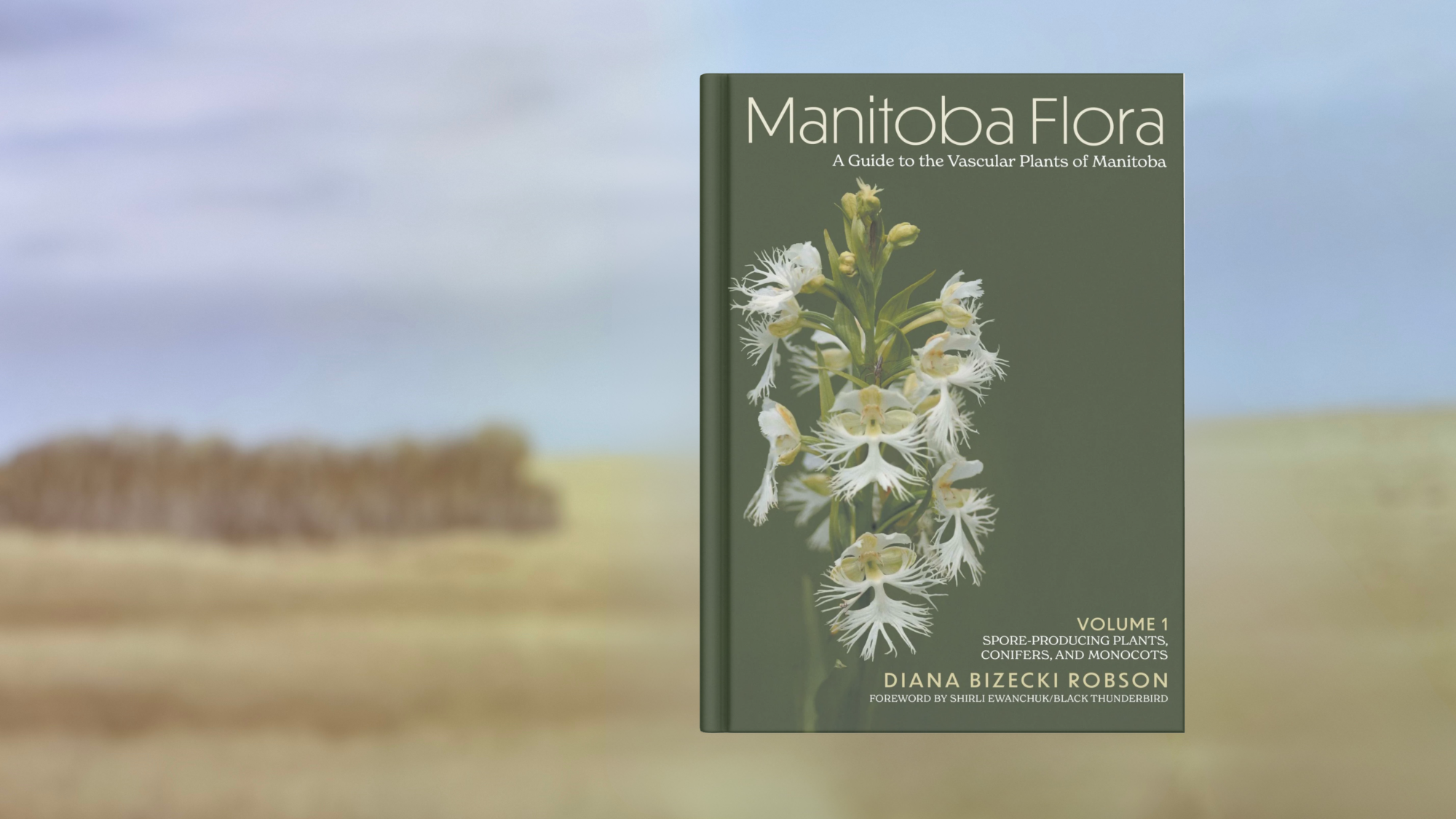
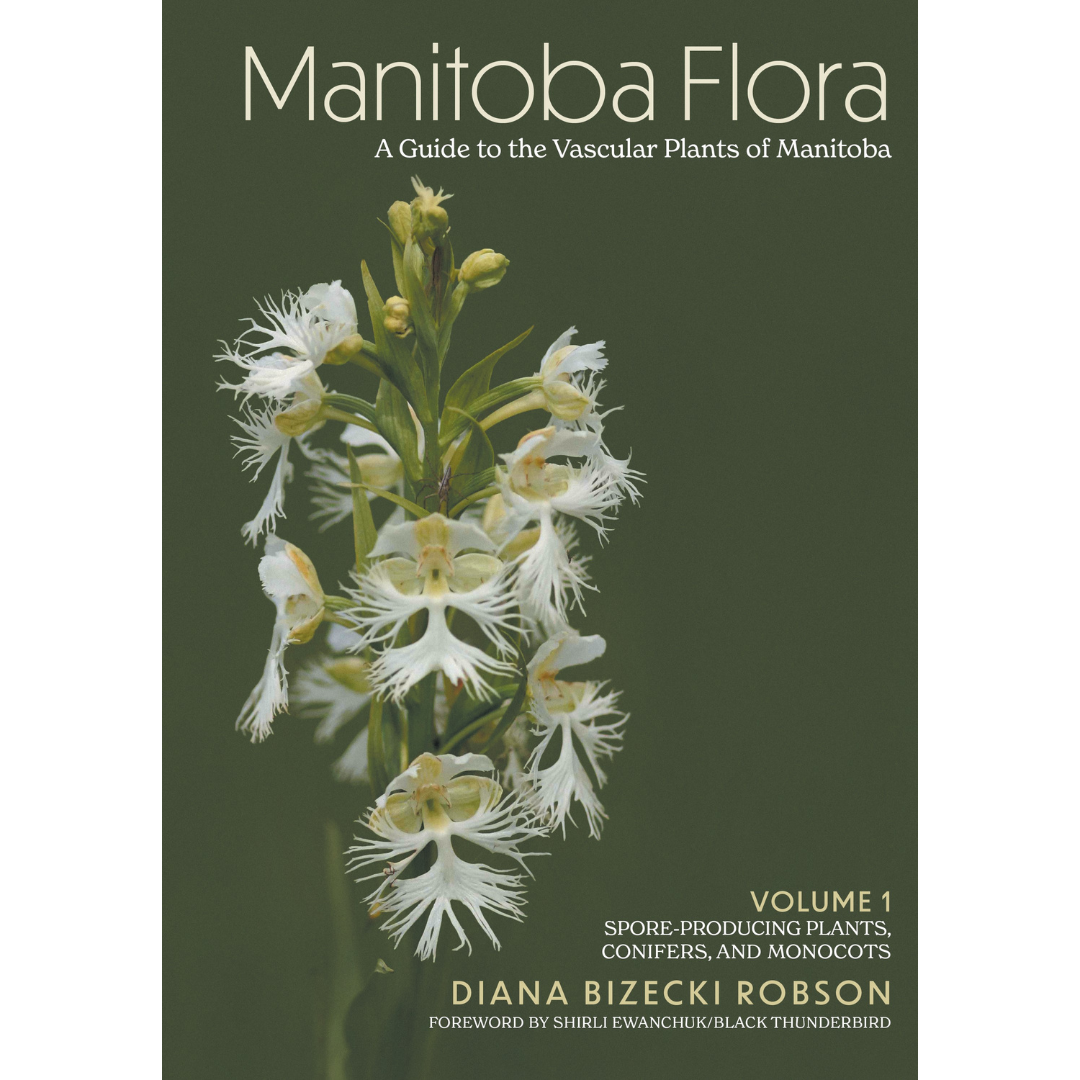
Front cover of Volume 1 of Dr. Diana Bizecki Robson's new publication, "Manitoba Flora: A Guide to the Vascular Plants of Manitoba" with forward written by Shirli Ewanchuk/Black Thunderbird.

(Treaty One Territory – Winnipeg, Manitoba: October 7, 2025) – Plant lovers and outdoor enthusiasts rejoice! A new book which describes the multitude of flora found in the province of Manitoba is now available for pre-order in both hard copy and e-book.

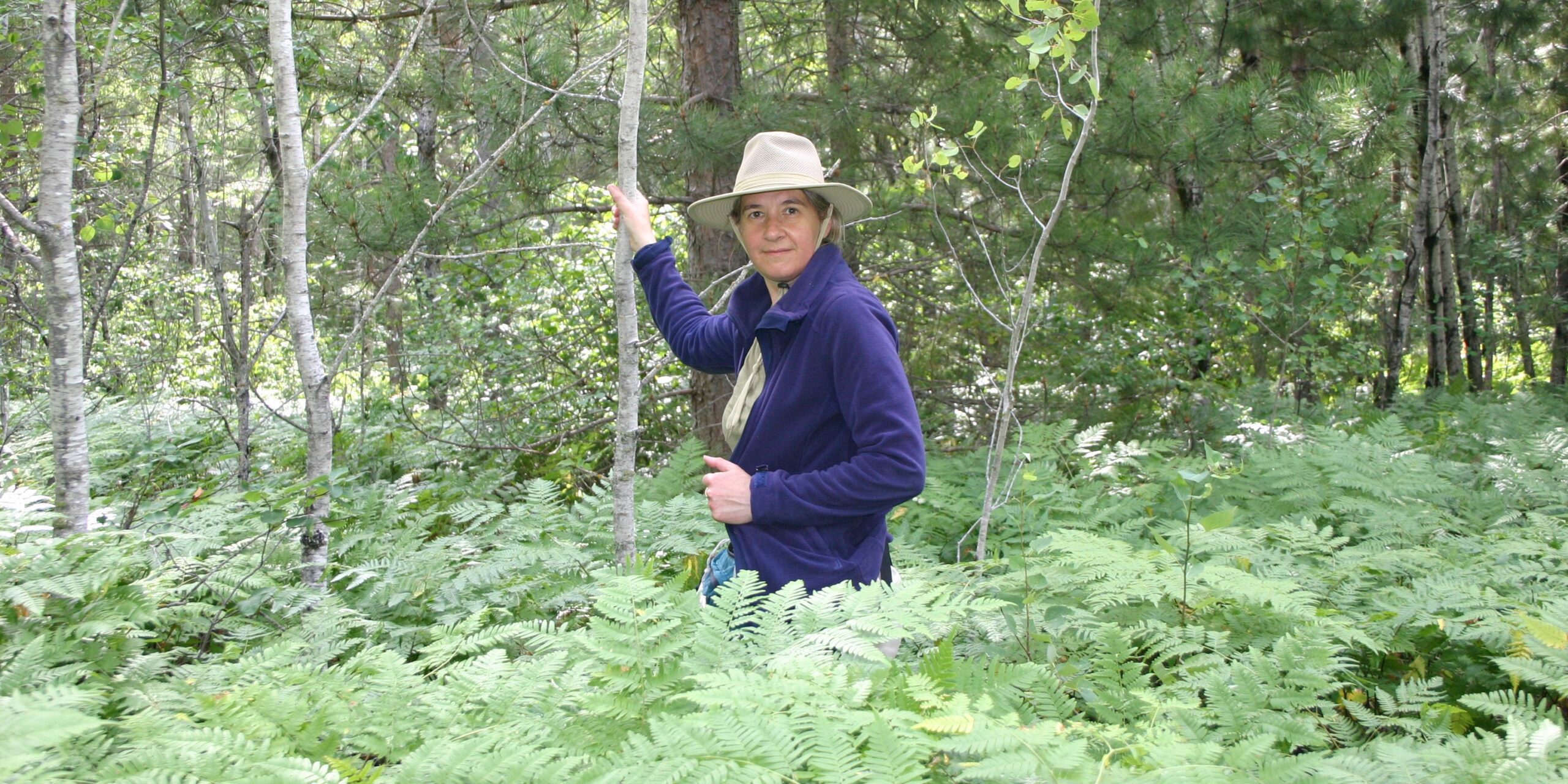
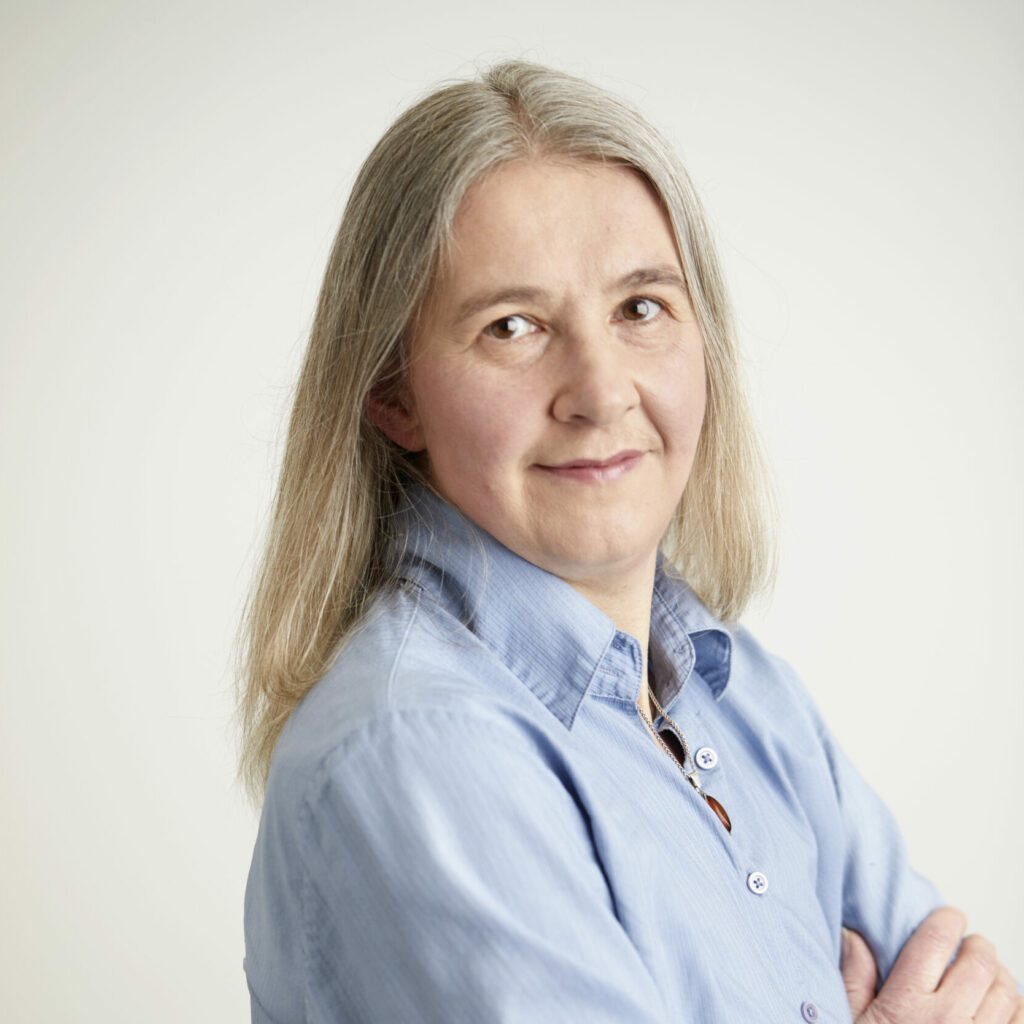
Dr. Diana Bizecki Robson, Curator of Botany at the Manitoba Museum, along with a team of volunteer botanists, have spent many years working on Manitoba Flora: A Guide to the Vascular Plants of Manitoba. This publication will replace the out-of-date and out-of-print Flora of Manitoba by Homer J. Scoggan, published in 1957.

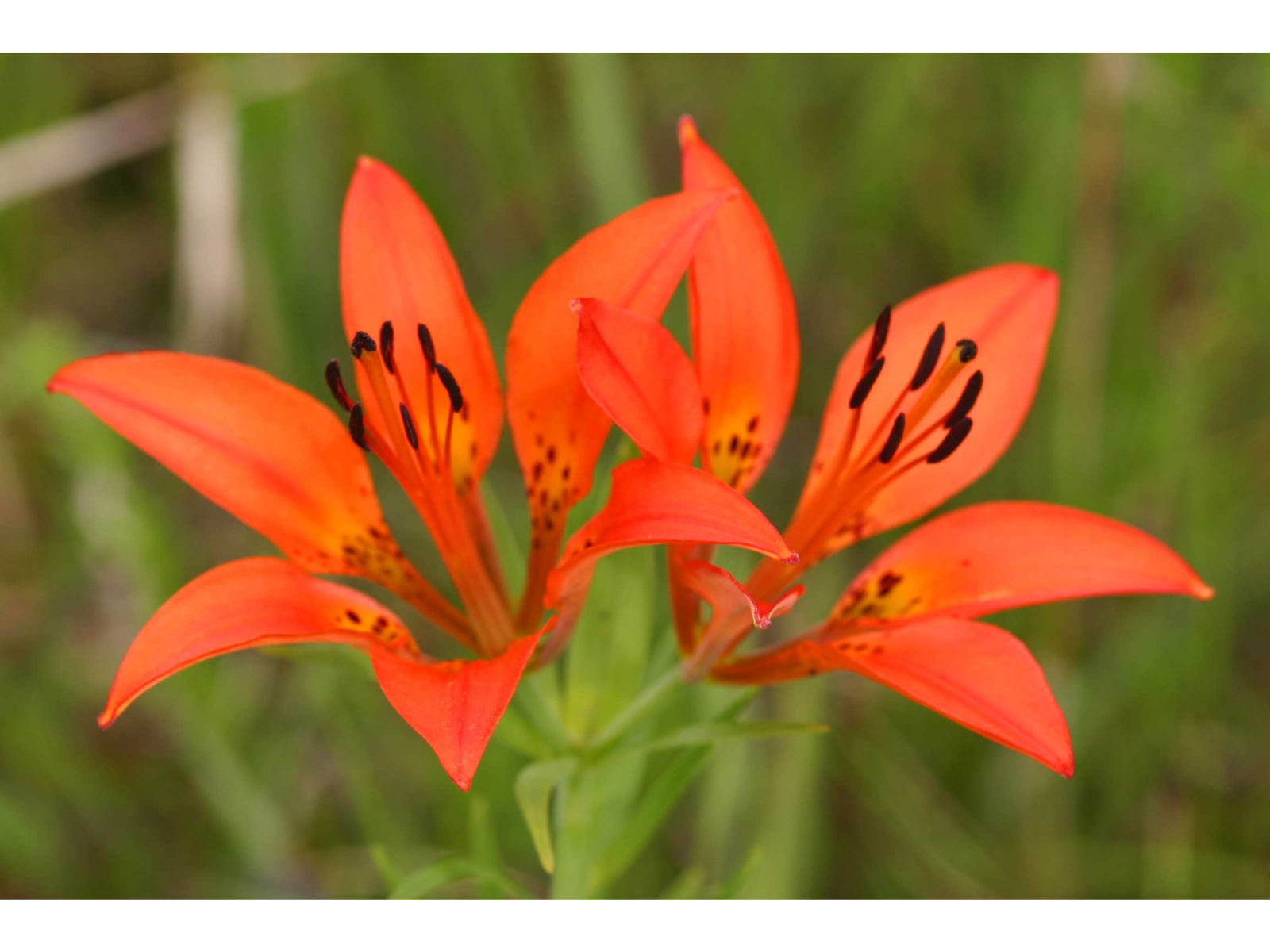
“As Scoggan’s book was written almost 70 years ago, it is missing several hundred species of vascular plants that we now know grow here,” says Dr. Robson. “Although most of the ‘missing’ species from his book are rather obscure grasses, sedges, and aquatic plants, also missing were 13 ferns, 10 orchids, and 2 irises. The lack of an up-to-date, easy-to-use flora was making it difficult for botanists in the province to identify the rarer species for conservation work.”

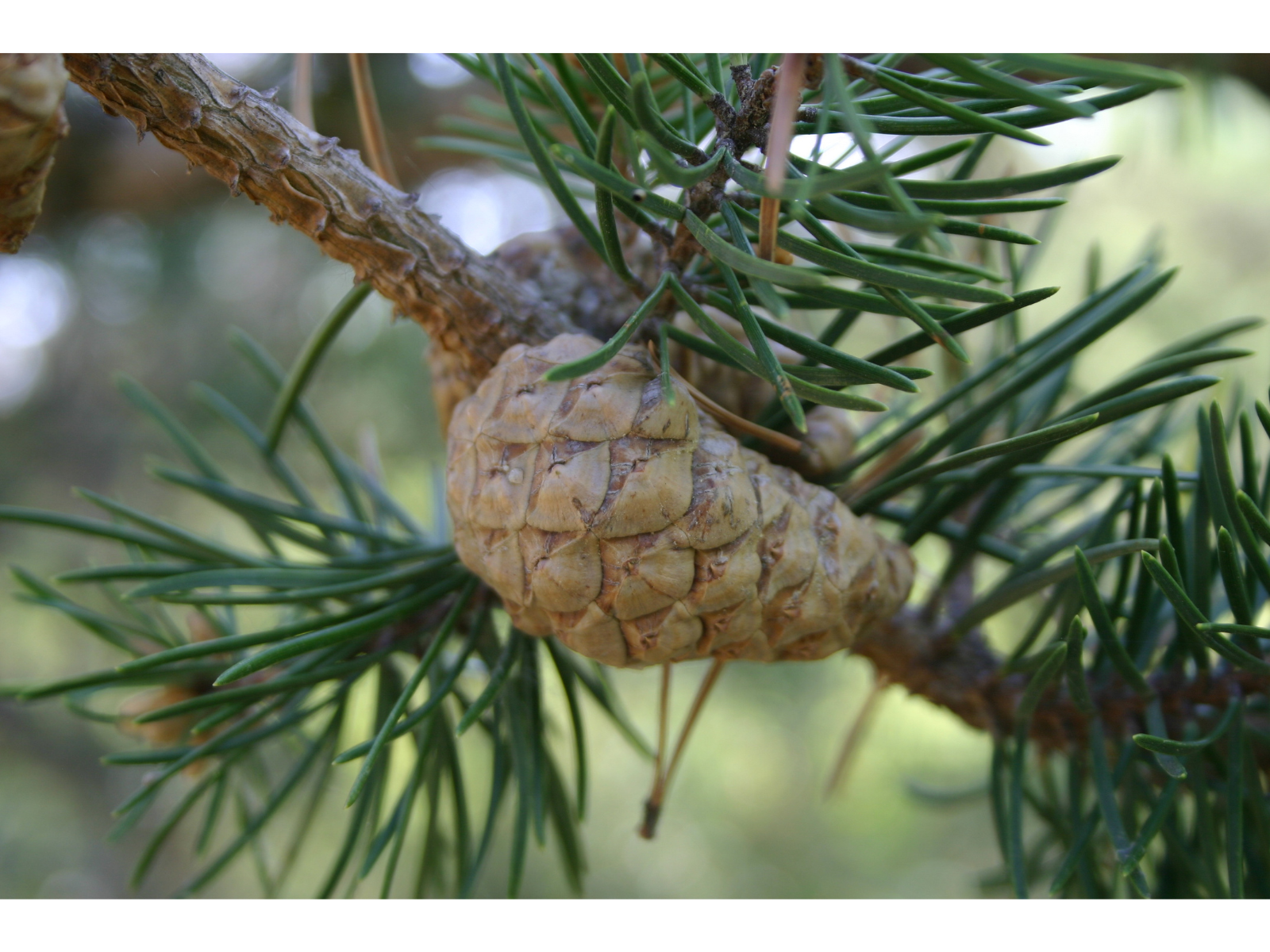
The newly released Manitoba Flora will be the first of a two-volume series. Volume One contains a brief history of why plants have the names they do and an illustrated guide to plant terminology for beginner botanists.  Descriptions and identification keys to all the spore-producing plants, cone-producing plants, and flower-producing monocots are included. A special foreword written by Indigenous Elder Shirli Ewanchuk (Black Thunderbird/Mukaday Animikii) provides readers with an Indigenous perspective of the plant world.

The Manitoba Flora project began over two decades ago when Dr. Robson began reviewing and updating the plants in the Museum’s 50,000+ herbarium to the taxonomy used in the Flora of North America (1993+) publication.  During this work, Robson not only discovered many mis-identified specimens, but also that certain species were missing from the Flora of Manitoba. This prompted Robson to begin writing a new flora that contained all of the species in the province.

“It is the Museum’s hope that this new publication will make it easier for students, professional botanists, landowners, ranchers, foresters, gardeners and native plant enthusiasts to identify the diverse vascular plants of the province,” said Robson.

Paperback editions of Manitoba Flora: A Guide to the Vascular Plants of Manitoba: Volume 1, Spore-producing Plants, Conifers and Monocots can be pre-ordered online or in person through the Manitoba Museum Shop for just $34.99.  E-books and hard copy print-on-demand books can be purchased from FriesenPress. Royalties from the book will be used toward publishing Manitoba Flora: Vol. 2, Dicots, which is currently in progress.

An official book launch event and signing will be held in late November at the Manitoba Museum; keep an eye on the Manitoba Museum website for details as they emerge.


This project was funded through grants from the The Manitoba Museum Legacy Fund, Manitoba Government, the Canadian Botanical Association / L’Association Botanique du Canada Special Project Fund, Nature Manitoba Native Habitat Grant Program, and Helios Hernandez.

-XXX-


To arrange interviews with Dr. Robson, please contact:


Brandi Hayberg
Manager of Marketing & Communications
BHayberg@ManitobaMuseum.ca
204-988-0614
Orange Shirt Days at the Manitoba Museum: A Reflection of Gratitude

As Orange Shirt Days come to a close, the Manitoba Museum extends heartfelt gratitude to all who joined us in honouring the National Day for Truth and Reconciliation. From September 28 to 30, we welcomed thousands of visitors to the Museum to learn, reflect, and remember. 

We are especially grateful to the Elders, Knowledge Keepers, and community voices who shared their truths with such courage and generosity. Their words reminded us that reconciliation begins with listening, with holding space for difficult truths, and with carrying those lessons forward. 

Walking through the Museum and seeing so many orange shirts was deeply moving. It was a living reminder that when we gather to learn and reflect, we create hope. Each conversation, each quiet moment, each child asking a question is part of building a more honest and compassionate future.

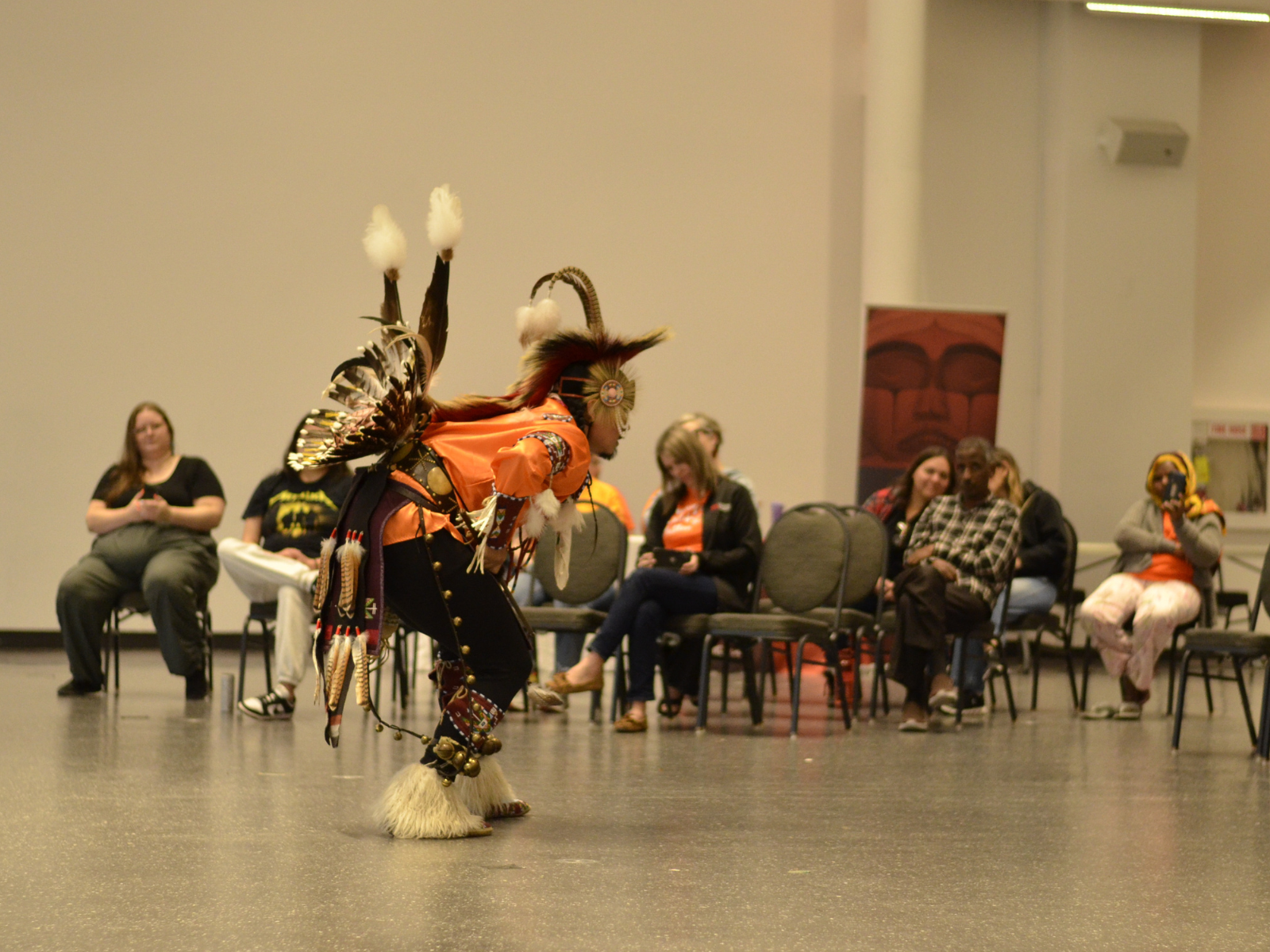
A dancer in traditional Indigenous regalia demonstrating a powwow dance for a seated crowd.

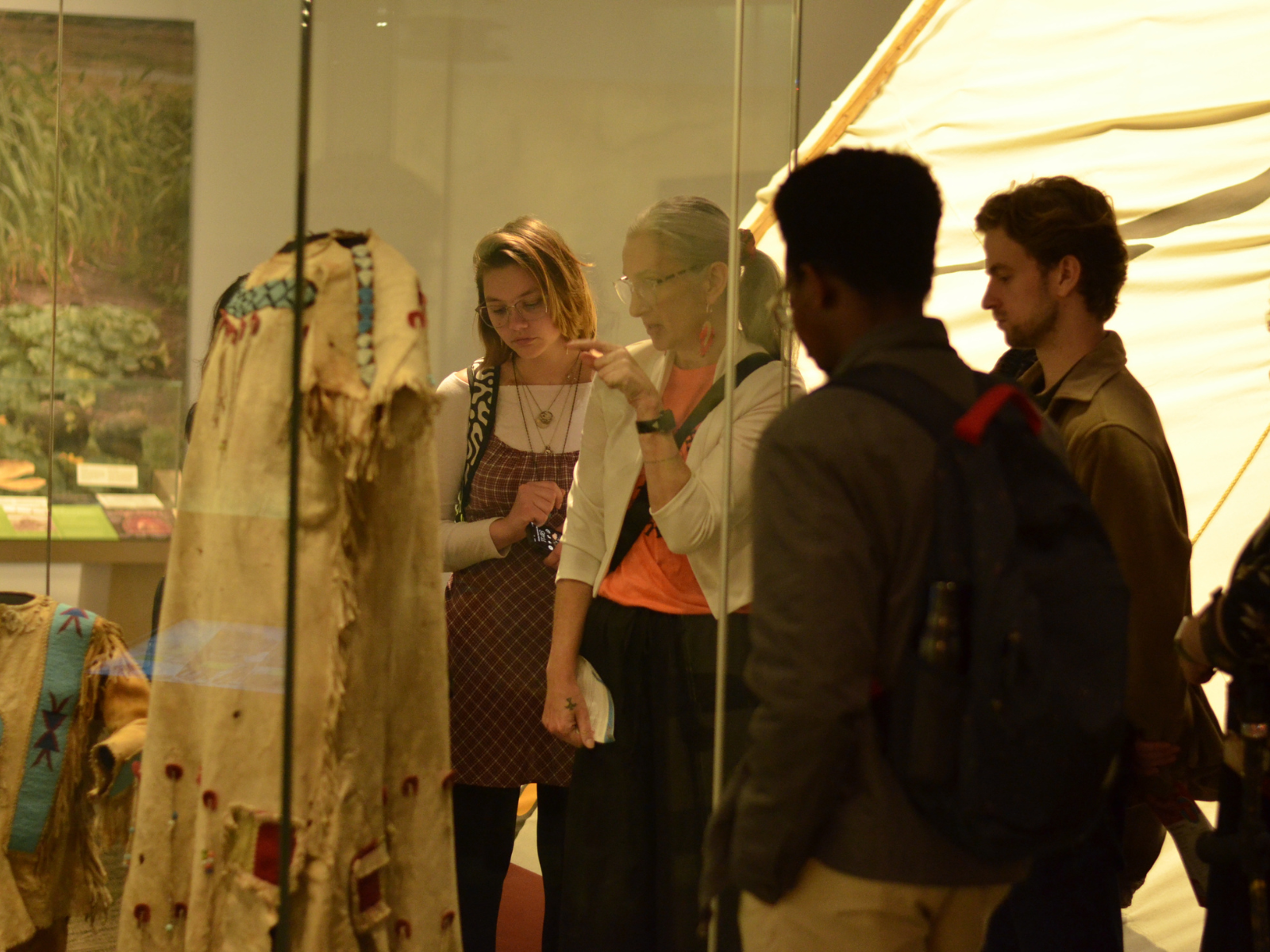
An older adult wearing an orange shirt speaking with a small group of younger adults in front of a display case containing an example of traditional Indigenous clothing.

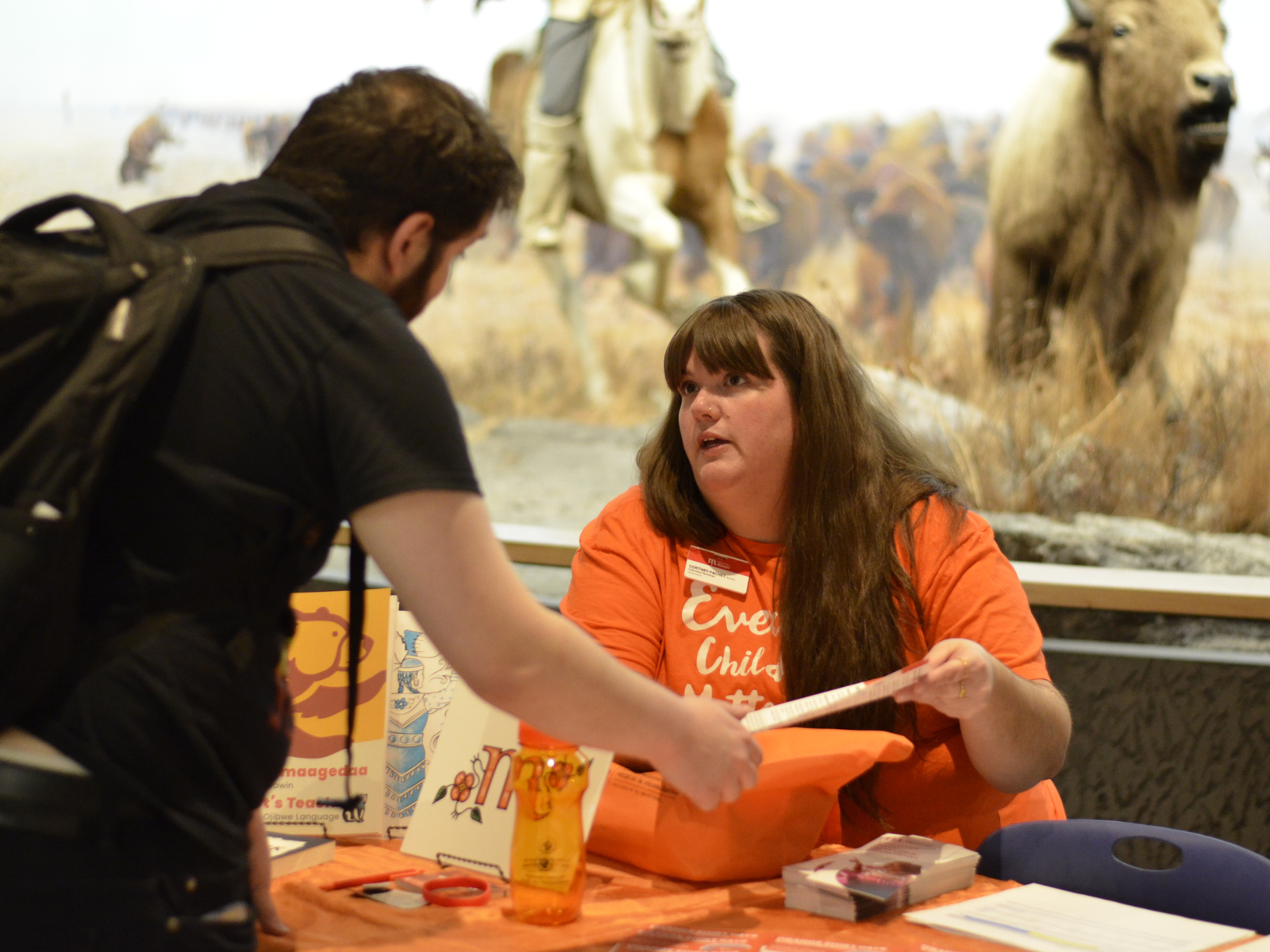
A Museum staff person wearing an orange shirt and seated at a table with an orange tablecloth shows something on a piece of paper to a Museum visitor.

To everyone who joined us: thank you. Your presence mattered. By choosing to spend this time with us, you honoured the children who never came home and the resilience of Survivors. Together, we are creating a future where every child truly matters. 

We will continue this journey today and always, with open hearts and open minds.

The name

Dorota Blumczyńska
Manitoba Museum CEO


Orange Shirt Days at the Manitoba Museum is proudly supported by the National Centre for Truth and Reconciliation. 

Manitoba Museum honours National Day for Truth and Reconciliation

A word graphic. On a teal circle to the right is an orange t-shirt with the words “Every Child Matters” on the front accompanied by a floral motif. Text to the left of it reads, “Orange Shirt Days @ the Manitoba Museum / Every Child Matters / Sep 28 – 30 / 10 am – 4 pm / Complimentary admission. No ticket required.”
Manitoba Museum honours National Day for Truth and Reconciliation with complimentary admission September 28 to 30


(Treaty One Territory – Winnipeg, MB: September 23, 2025) To honour the National Day for Truth and Reconciliation, also known as Orange Shirt Day, the Manitoba Museum will once again provide complimentary admission from Sunday, September 28 to Tuesday, September 30.

Orange Shirt Days @ the Manitoba Museum offers visitors special, all-day programming focused on the history and the impacts of Indian Residential Schools and the Truth and Reconciliation Commission (TRC) Calls to Action.

“Truth requires facing difficult realities and moments of discomfort,” says Dorota Blumczyńska, CEO of the Manitoba Museum. “As visitors move through the Museum, they will follow a path that opens hearts and minds to a history that challenges their understanding of Indian Residential Schools, amplifies the stories of survivors, and honours the children who never came home.”

Orange Shirt Days also provides meaningful and engaging opportunities designed to encourage reflection, community-building, and healing: visitors can watch powwow demonstrations by Beautiful Cloud Dance Company; find inspiration and community at a drop-in beading circle; take part in a collaborative art activity; and learn about the history and legacy of the Indian Residential School system and the path to healing and reconciliation in presentations held by the National Centre for Truth & Reconciliation.

“As a publicly trusted educational institution, we have a responsibility to share the history of the Indian Residential School system and its impacts. Each year, we welcome between nine and ten thousand visitors who are not only learning and reflecting, but are also healing, “says Tashina Houle-Gaywish, Head of Indigenous Programming & Engagement. “Celebrating our beauty and excellence through powwow demonstrations is also vital – to show that, despite all of the harm and pain, we continue to persevere.”

We welcome all members of the community to join us in honouring the National Day for Truth and Reconciliation with free admission from 10am to 4pm, Sunday, September 28 to Tuesday, September 30.

“We ask Manitobans to join us—learning, reflecting, and committing to meaningful change and a better future. This journey is made possible in partnership with the National Centre for Truth and Reconciliation and with the support of the Province of Manitoba,” says Dorota Blumczyńska.

The Museum thanks our program partners The National Centre for Truth and ReconciliationTreaty Relations Commission, Parks Canada, the Mackay Residential School Gathering Inc., and all the community members who supported Orange Shirt Days @ the Manitoba Museum.

-XXX-


For more information or to arrange interviews, please contact:


Brandi Hayberg
Manager of Marketing & Communications
BHayberg@ManitobaMuseum.ca
204-988-0614
Look up to the Skies and See… Queen Rocks the Planetarium Dome this Fall

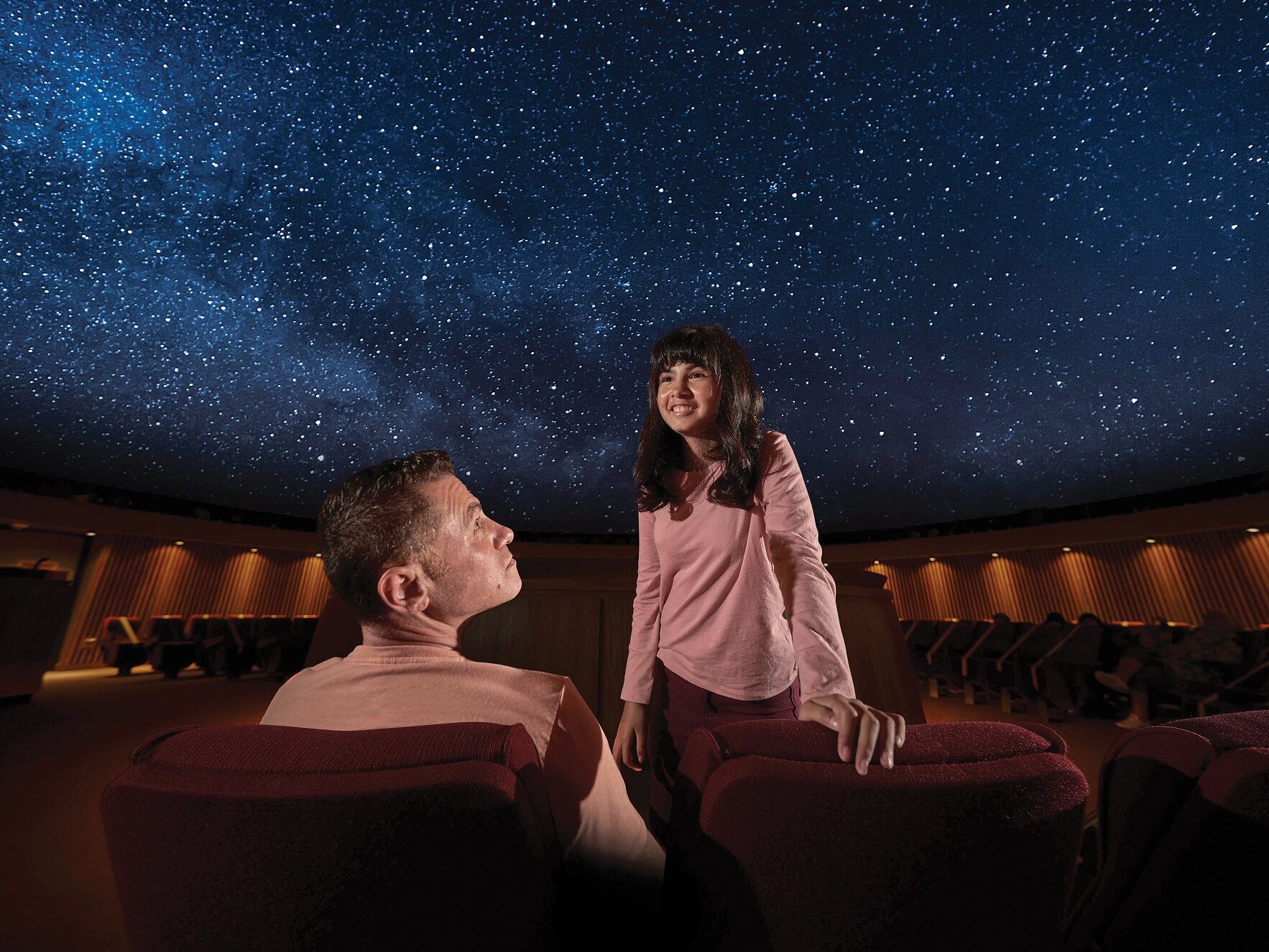
A starry sky with the words

(Treaty One Territory – Winnipeg, MB: September 17, 2025) – The Planetarium dome will rock you this fall as the Manitoba Museum launches special showings of the Queen: Heaven planetarium show.

Queen’s incredible aura, the creativity of their lyrics, and the tremendous power of their concerts now can be seen on the planetarium dome in this thrilling music show. Experience a tribute to these exceptional artists with original footage, images, and remastered concert clips.

“After the extremely popular – and often sold out – run of Pink Floyd’s The Dark Side of the Moon, we wanted to bring Winnipeggers more musical experiences in the Planetarium,” says Planetarium Astronomer Scott Young. “Queen is one of the most popular bands in history, never fading away despite not having a new album in thirty years. This show really brings the band’s music to life. Every song is a banger.”

You will hear the greatest hits and anthems of their band history, such as “Bohemian Rhapsody,” “We Will Rock You,” “I Want to Break Free,” “One Night Standing,” “The Show Must Go On,” “We Are the Champions,” and many more.

“This show is another level above the Pink Floyd: Dark Side of the Moon show the planetarium ran for that classic album’s 50th anniversary,” says Young. “The show isn’t just video effects and space images, it features a lot of classic concert footage and rarely-seen images of the band in performance. I never got to see Queen live in person, but this feels like the next best thing.”

For music lovers looking for a more hands-on concert experience, come early and you’ll get the chance to explore the universe with an adult twist. Show attendees can enjoy beverages at a pop-up bar prior to showtime in the Museum’s Science Gallery and relive the explorations of their youth with hands-on science fun.

Queen: Heaven plays at the Manitoba Museum Planetarium for select showings in October & November. Doors will open one hour prior to the show to give attendees a chance to enjoy a beverage and explore the Museum’s Science Gallery.

Visit ManitobaMuseum.ca/Queen for show times and information.

-XXX-


For more information or to arrange interviews, please contact:


Brandi Hayberg
Manager of Marketing & Communications
BHayberg@ManitobaMuseum.ca
204-988-0614

Understanding Repatriation

By Dorota Blumczyńska, Manitoba Museum CEO, and Dr. Amelia Fay, Curator of Anthropology & HBC Museum Collection


Repatriation means returning belongings—including ceremonial or sacred items—to the First Nations, Inuit, or Métis communities they came from. These may have been taken without consent, acquired under duress, or have limited provenance information regarding how they came into the Museum. Returning them is not just the right thing to do—it is essential to healing.

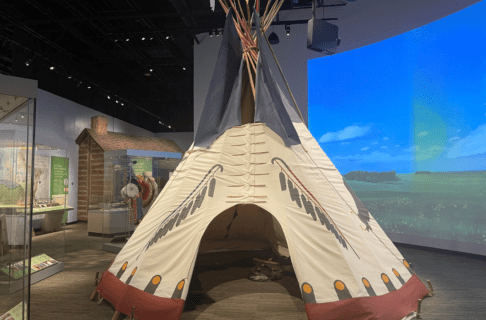
Photo of a tipi and display cases with examples of traditional clothes from Indigenous groups on display in the Manitoba Museum Prairies Gallery.

For Indigenous communities, repatriation is deeply meaningful. These belongings are not just historical artifacts—they are relatives, teachers, and living parts of culture. Their return helps restore traditions, languages, ceremonies, and intergenerational knowledge.

For the Manitoba Museum, repatriation is about building respectful relationships. The Museum is changing. We are moving away from the idea of owning culture toward a model of shared stewardship, accountability, and reciprocity. Repatriation reflects our commitment to truth, reconciliation, and justice.


Image: Prairies Gallery in the Manitoba Museum. ©Manitoba Museum/Ian McCausland

So, how do we know who items belong to?

The Museum works with Elders, Knowledge Keepers, and Community Leaders, and closely reviews archives and donor records to try to learn the origins of each item. The Museum is responsible for gathering the necessary information to support the repatriation


What happens to the items when they are returned?

Once returned to their rightful community, items are often welcomed home through ceremony. The First Nations, Inuit, or Métis community will decide if they are placed in cultural centres or returned to active use. It is not up to the Museum to dictate the future of these belongings once they have been returned.

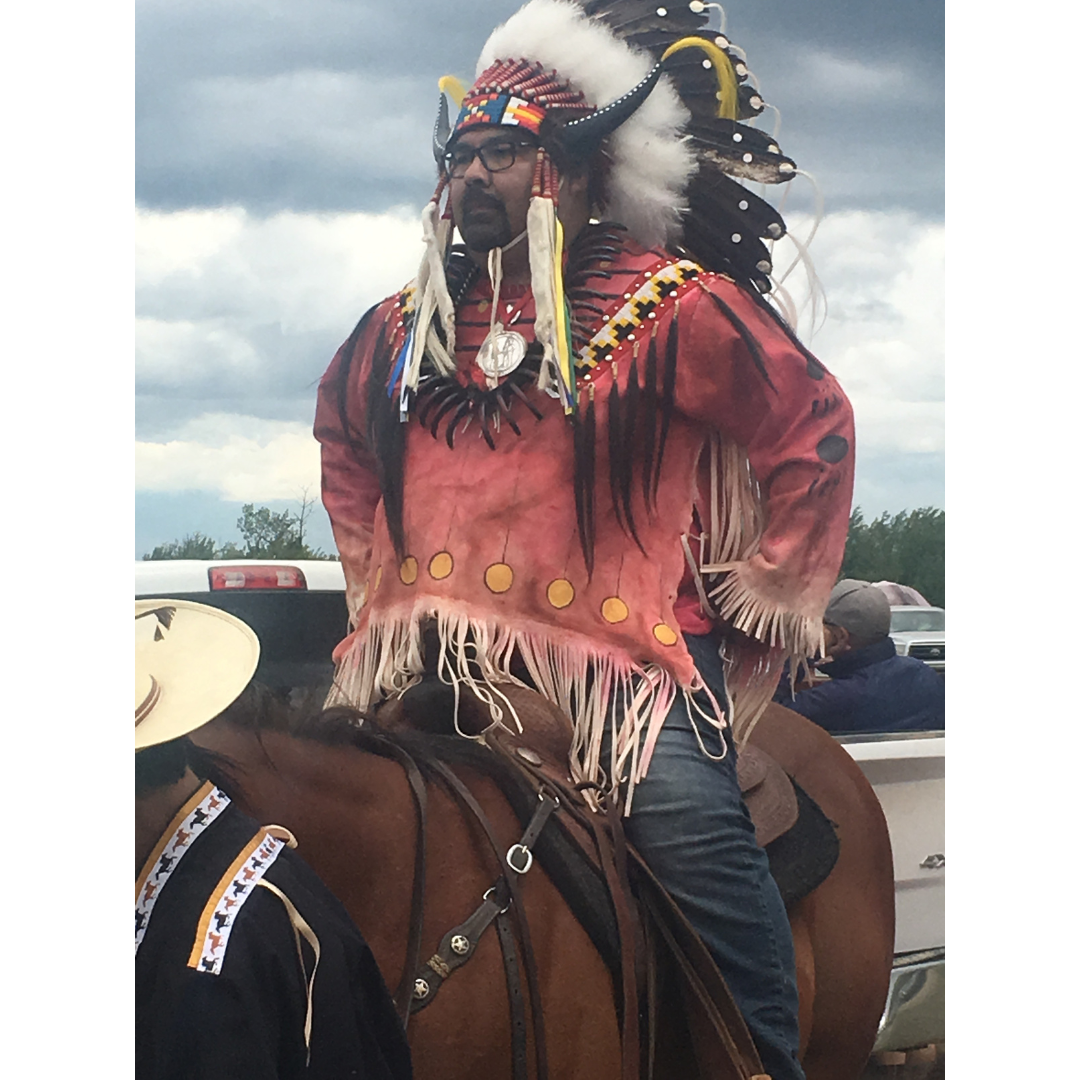
Red Pheasant Cree Nation Chief Clint Wuttunee riding a horse wearing a traditional headdress and the Treaty No. 6 medal.

Chief Clint Wuttunee at the repatriation event during Red Pheasant First Nations’ Treaty Days. ©Manitoba Museum

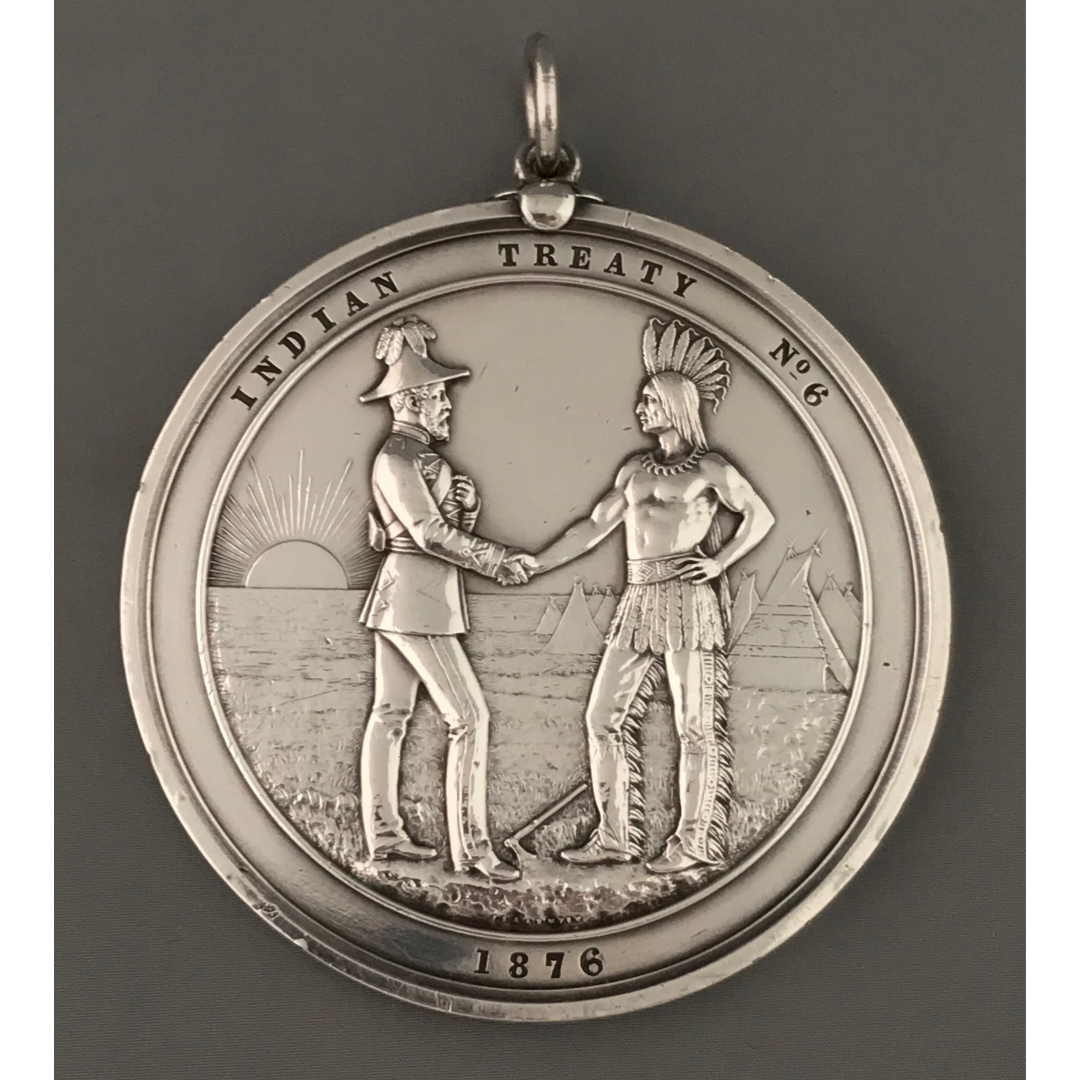
Photograph of the Treaty Number 6 handshake medal. A circular medal portraying a representative of England shaking hands with an Indigenous leader. They stand on grassy ground in front of tipis and the rising sun. Text around the edge of the medal reads, “Indian Treaty No. 6 / 1876”.

Treaty Number 6 medal, repatriated to Red Pheasant First Nation in 2019. ©Manitoba Museum

Repatriation acknowledges past wrongs, respects First Nations, Inuit, and Métis laws, and begins to repair harm. It reminds us that reconciliation is not a destination—it’s an ongoing responsibility. By returning what was never ours to keep, we take a small but meaningful step toward justice.

Dorota Blumczyńska

Dorota Blumczyńska

Manitoba Museum CEO

Dorota Blumczyńska, CEO of the Manitoba Museum and Vice-President of the Canadian Museums Association, is an advocate for museums as spaces of truth, reconciliation, and social justice.
Dr. Amelia Fay

Dr. Amelia Fay

Curator of Anthropology & the HBC Museum Collection

Amelia Fay is Curator of Anthropology and the HBC Museum Collection at the Manitoba Museum. She received her BA in Anthropology from the University of Manitoba (2004), an MA in Archaeology…
Meet Dr. Amelia Fay

The Manitoba Museum Repatriates Cultural Belongings to Piapot First Nation

Treaty No. 4 Territory – Piapot First Nation, Saskatchewan – Sept. 10, 2025 – The Manitoba Museum recently completed its largest repatriation to date, with the return of 19 belongings to Piapot First Nation in Saskatchewan, which coincided with the 150th anniversary of the signing of Treaty 4.

The 19 belongings include ceremonial pipes, a drum, an eagle fan, medicine pouches, as well as gifts that Chief Piapot gave as thanks to the minister who conducted his daughter’s marriage ceremony. These came into the Museum’s care through three separate donors, two of whom donated to previous collections/museums that later became part of the Manitoba Museum.

“The return of Chief Piapot’s belongings is very important. The different sacred belongings that he has – the pipes, the leggings, the shirts – all of that brings honour back to our people. When our people see the belongings, they’re proud, they’re honoured, they’re emotional. It’s a great thing. We want to give thanks to the Manitoba Museum for working closely with us, KNT IRS Consulting (Kā-natonahkik-tāpwēwin) in repatriating all of Chief Piapot’s belongings to our nation. It’s going to carry our nation for another hundreds and hundreds of years to come and we give thanks to all who have supported us, here today on the 150th commemoration.” – Chief Mark Fox of the Piapot First Nation

The Manitoba Museum recognizes repatriation as an important institutional responsibility. Repatriation is more than returning objects to communities. It is in support of revitalizing Indigenous self-identity, spirituality and ceremony, languages, art, sovereignty, laws and governance.

“It was such an honour to work with Barb Lavallee from Piapot First Nation on this repatriation, ensuring that we followed the guidance and protocols from the Elders and spiritual leaders and aligned them with the Museum’s policies and procedures. I view repatriation as a very collaborative process, and I’m so grateful for the dedication from Barb and Nadine to finalize this significant repatriation.” – Dr. Amelia Fay, Curator of Anthropology and the HBC Collection at Manitoba Museum

The Manitoba Museum’s repatriation policy was first put in place in 2007. This policy has been continually updated and revised, most recently considering the Truth and Reconciliation Commission’s (TRC) Calls to Action, the United Nations Declaration on the Rights of Indigenous Peoples (UNDRIP), and through discussions with the Indigenous Advisory Circle to the Museum.

“We’re honoured and humbled to have been witness to today’s important commemoration with the Piapot First Nation. We hope that the repatriation of Chief Piapot’s belongings to his community will bring present and future generations renewed strength and hope.” – Dorota Blumczyńska, CEO of Manitoba Museum

We welcome all requests for repatriation and approach this work as part of a community-led practice, where we integrate community values and needs throughout the process.

To honour this important repatriation and to commemorate the 150th anniversary of the signing of Treaty 4, representatives from the Manitoba Museum, including CEO Dorota Blumczyńska, Curator of Anthropology and the HBC Collection Amelia Fay, and Museum Advisor for Indigenous Relations and Reconciliation Tabitha Harper, travelled to Piapot First Nation on September 9 to participate in the community’s celebration.

-XXX-


For further information, please contact:


Brandi Hayberg
Manager of Marketing & Communications
Manitoba Museum
BHayberg@ManitobaMuseum.ca | 204-988-0614

Belongings that Travel

By Amelia Fay, Curator of Anthropology and HBC Museum Collections


Summertime is when many folks travel to visit family and friends, or just to have a nice vacation away from their regular routine. If you’re like me, when planning a trip you make time to check out the local museums, but even when you travel far, you might still see some belongings, artifacts, or specimens from your Manitoba Museum. Like many museums, we have a robust loans program where our collection travels across Canada (and even internationally!) for community engagement, research, or to be featured in exhibitions at other museums.

Summertime is when many folks travel to visit family and friends, or just to have a nice vacation away from their regular routine. If you’re like me, when planning a trip you make time to check out the local museums, but even when you travel far, you might still see some belongings, artifacts, or specimens from your Manitoba Museum. Like many museums, we have a robust loans program where our collection travels across Canada (and even internationally!) for community engagement, research, or to be featured in exhibitions at other museums.

From the collections I curate, Anthropology and HBC, some very significant belongings are currently on display in two exhibitions at the Museum of Anthropology (MOA) in Vancouver.

A hat on display in a museum case. The hat has a wide-brim and stacked circles coming up from the centre. Next to it is displayed a ornately carved staff.

Helen Schooner’s (nee Housty) potlatch hat (HBC 57-1) and speaker’s staff (HBC 57-2-A).

An individual holds up their phone to take a photo of a potlatch hat in a museum display case. The individual is wearing a similarly shaped hat.

Nuxalk community members interact with belongings from the HBC Museum Collection in the Nuxalk Strong exhibition.

An ornately carved large wooden rattle in the shape of a thunderbird on display in a museum exhibit.

A Nuu-chah-nulth thunderbird rattle from the HBC Museum Collection (HBC 995) on display in the In a Different Light exhibition.

In A Different Light: Reflecting on Northwest Coast Art includes two rattles made by Haida and Nuu-chah-nulth artists.

Nuxalk Strong: Dancing Down the Eyelashes of the Sun includes a potlatch hat that was on permanent display in the HBC Gallery and a speaker’s staff that belonged to Helen Housty, a prominent woman from the Heiltsuk Nation who married Staltmc Samson Schooner of the Nuxalk Nation.

I had the honour of attending the opening of the Nuxalk Strong exhibition back in February and it was incredible to witness visitors reconnecting with their belongings from other institutions like ours.

Wherever you’re headed this summer, I hope you make museums part of your trip. If you see any belongings, artifacts, or specimens from the Manitoba Museum, share a picture with us on social media. We love seeing our collections reach new audiences near and far!


Staycation with us! Plan your Summer @ the Manitoba Museum visit today.

Dr. Amelia Fay

Dr. Amelia Fay

Curator of Anthropology & the HBC Museum Collection

Amelia Fay is Curator of Anthropology and the HBC Museum Collection at the Manitoba Museum. She received her BA in Anthropology from the University of Manitoba (2004), an MA in Archaeology…
Meet Dr. Amelia Fay

Manitoba Museum launches free Anishinaabemowin language literacy game

Anishinaabemowin with Amik logo featuring an illustration of a beaver.

Treaty No. One Territory, Winnipeg, MB – July 24, 2025 – The Manitoba Museum is proud to announce the official launch of Anishinaabemowin with Amik, a free online language literacy game designed to support early learners of Anishinaabemowin—an important step in the Museum’s commitment to reconciliation, language preservation and revitalization, and inclusivity.

Anishinaabemowin with Amik is an interactive language learning game focused on animals native to Manitoba and found throughout our Museum galleries. Developed using the H5P platform, this mobile-friendly, online tool blends visual learning, memory challenges, and cultural teachings to enhance early language literacy in Anishinaabemowin. While the game is primarily geared toward children and youth, it’s accessible and engaging for all ages.

“Historically, museums have used colonial languages to interpret Indigenous knowledge and cultures. Anishinaabemowin with Amik marks a shift—one that aligns with the Museum’s efforts to decolonize its practices and implement recommendations from the Truth and Reconciliation Commission (TRC) and United Nations Declaration on the Rights of Indigenous Peoples (UNDRIP). By using the Manitoba dialect of Anishinaabemowin and developing open-access digital resources, the Museum aims to increase access, promote language preservation, and deepen cultural understanding.” – Tashina Houle-Gaywish, Head of Indigenous Programming & Engagement, Manitoba Museum.

This initiative was made possible through the generous support of the TELUS Friendly Future Foundation. The project was developed under the direction of Tashina Houle-Gaywish (née Schlup), Head of Indigenous Programming & Engagement, in collaboration with language speakers, knowledge holders, Elders, and Indigenous artists.

The Museum commissioned Anishinaabe artist Micaela Gilbert (@artworkbymicaela) to create the game’s beautiful illustrations and the Museum’s Indigenous Protocols Advisor, Carol Beaulieu, provided translations and voice recordings.

“Micaela uses her art to reconnect with her culture and share her vision of Anishinaabe identity. Her vibrant and meaningful illustrations are at the heart of the game’s storytelling. We also extend a heartfelt gichi-miigwech, a great big thank you, to Carol Beaulieu for her time and effort in providing translations and recordings in the language. Her voice and vision truly brought this game to life.” – Tashina Houle-Gaywish, Head of Indigenous Programming & Engagement, Manitoba Museum.

Anishinaabemowin with Amik is hosted on the Manitoba Museum’s website and accessible across devices. Teachers will also be able to integrate the game into pre-visit programming, creating a deeper connection between learners and the Indigenous content featured at the Museum—especially for the 90,000 students who visit annually.


About the Name:

In Anishinaabemowin, Amik means beaver—an animal seen as a community builder and symbol of care for the land. Like Amik, this project aims to make a positive and lasting impact.

-XXX-


Media Requests:


Brandi Hayberg

Manager of Marketing & Communications
Manitoba Museum
BHayberg@ManitobaMuseum.ca | 204.988.0614

Swim with Orcas – No Snorkel Required!

By Mike Jensen, Manitoba Museum Programs and Volunteer Coordinator


For most Manitobans, the ability to reach out and touch an orca is literally thousands of kilometers away. But a new experience at the Manitoba Museum this summer offers you that opportunity, at least virtually.

Critical Distance is a new augmented reality (AR) experience in the Manitoba Museum’s Science Gallery. As many as eight people at a time can participate, using Meta Quest 3S headsets to take them on a virtual adventure beneath the waves of the Salish Sea off the coast of British Columbia.

An individual wearing an AR headset reaching out to touch a projected image of an orca whale.

Two individuals wearing an AR headsets reaching out to touch a projected image of an orca whale.

Once in the virtual environment, visitors follow an eight-year-old orca named Kiki and a group of Southern Resident orcas known as J-Pod. The immersive environment allows you to interact with sound waves and learn about echolocation, noise pollution, and the daily perils facing this critically endangered pod as they navigate life in the Salish Sea. 

Following the AR experience, visitors can pose questions to some of the experts who were a part of designing the exhibit, via postcards or email – and the experts will write back!

A young orca emerging from the water next to an adult orca swimming beside it through a bay.

Four individuals wearing AR headsets reaching out to something they're seeing in front of them.

All in all, Critical Distance is intended to show that we are all connected to life in our planet’s oceans by making you aware of the impacts of human activities on one of the unique species that exists in them.  

But one thing is for sure – it will provide a lasting memory for Museum visitors long after they leave! 

Join us for a whale of a time during Summer @ the Manitoba Museum!


All images courtesy of Critical Distance.

Surprise Bags in the Archaeology Department

Three empty paper bags decorated in bright colours with cartoon characters and text reading "Wundertute / Suprise / Cospi", with a small maze game and top between then.

by Sonya Hauri-Thiessen, Collections Technician – Archaeology


When I was younger, I loved opening surprise bags. They came with candy and a toy, and you never knew what surprises lay within. The bags in the photo to the right came from a trip I took to Switzerland in the 1990s (and still have as part of my personal collection because archaeologists save everything!). I still love surprise bags, but now I get to open a different type of surprise bag: one filled with artifacts!


Image: Surprise bags from Switzerland.

Part of my job as a Collections Technician in the Archaeology Department is cataloguing donations that have not been processed yet. Sometimes when a collection arrives it is in a bit of a sorry state after being excavated. One might even choose to use the word filthy when describing some items. They are often still covered in dirt, and it can be hard to tell exactly what each item is. That’s where the fun part starts. After taking an inventory and organizing the donation, I get to wash everything and then discover the artifacts that are revealed! There’s a certain excitement that comes with knowing I am the first person to see an artifact after it has been excavated and cleaned up, especially when I know the item could potentially be thousands of years old. I feel very privileged to be able to work in this field, and I try to remember that as I work with the collections, especially when I am covered in muddy water!

The artifacts in the picture below come from a site in Southwestern Manitoba. When I first laid eyes on the bag it just looked like a bag of dirty rocks, and I didn’t think there would be much inside of note. But lo and behold, after a thorough cleaning, I came away with a beautiful assortment of artifacts, including many different types of stone tools.

A large freezer bag filled with dirt and excavated artifacts next to a plastic tub containing more of the same.

Dirty, unrecognizable artifacts.

A cream coloured plastic basin with a dark, wet sludge at the base and along the side where the previous contents were poured out.

Sludge left over after the artifacts have been cleaned.

A selection of excavated artifacts, washed and clean, placed in two cream-coloured plastic basins.

Clean artifacts!

Once the artifacts have been washed and dried, they are identified with the help of the Museum’s comparative collections. These collections have been thoughtfully curated and organized over many years in order to show prime examples of different types of artifacts. After being identified, the artifacts are entered into the Museum’s collections database. Once in the database, a unique catalogue card must be printed for each artifact. Next, the artifacts are labelled using a thin layer of B-72 acrylic resin mixed with acetone and an acid-free paper label that has a unique catalogue number. The artifacts are then put away into our carefully organized storage room. This detailed process of record keeping, as well as maintaining a properly organized collections storage room, is an important part of collections management. It allows us to know the exact location of every artifact at all times and ensures easy retrieval for exhibits or for researchers who want to study our collections.

The archaeology department has over 2.5 million artifacts in its collection. Each artifact has been carefully processed by dedicated Museum employees over the years, all of whom have been lucky enough to work with the wonderful surprises that this fascinating discipline has to offer.

I started working in the Museum world 25 years ago, and I never get tired of the surprises that come in. Come visit the Manitoba Museum – you never know what surprises await you!