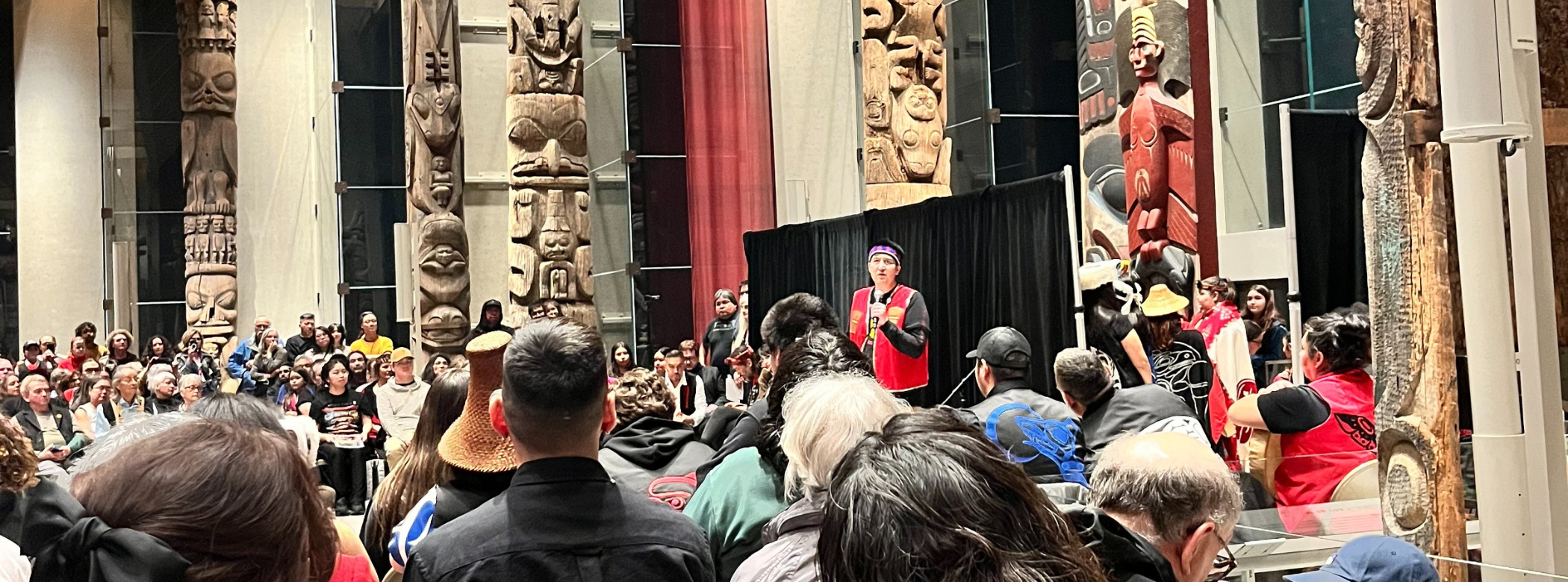
An individual stands at the front of a large room in front of a black backdrop, speaking into a microphone to a large crowd of people. The exterior of the room displays large artworks.

Belongings that Travel

Header image: Nuxalk Strong co-curator Snxakila Clyde Tallio greets a massive crowd in MOA’s Great Hall for the exhibition opening.

Belongings that Travel

By Amelia Fay, Curator of Anthropology and HBC Museum Collections


Summertime is when many folks travel to visit family and friends, or just to have a nice vacation away from their regular routine. If you’re like me, when planning a trip you make time to check out the local museums, but even when you travel far, you might still see some belongings, artifacts, or specimens from your Manitoba Museum. Like many museums, we have a robust loans program where our collection travels across Canada (and even internationally!) for community engagement, research, or to be featured in exhibitions at other museums.

Summertime is when many folks travel to visit family and friends, or just to have a nice vacation away from their regular routine. If you’re like me, when planning a trip you make time to check out the local museums, but even when you travel far, you might still see some belongings, artifacts, or specimens from your Manitoba Museum. Like many museums, we have a robust loans program where our collection travels across Canada (and even internationally!) for community engagement, research, or to be featured in exhibitions at other museums.

From the collections I curate, Anthropology and HBC, some very significant belongings are currently on display in two exhibitions at the Museum of Anthropology (MOA) in Vancouver.
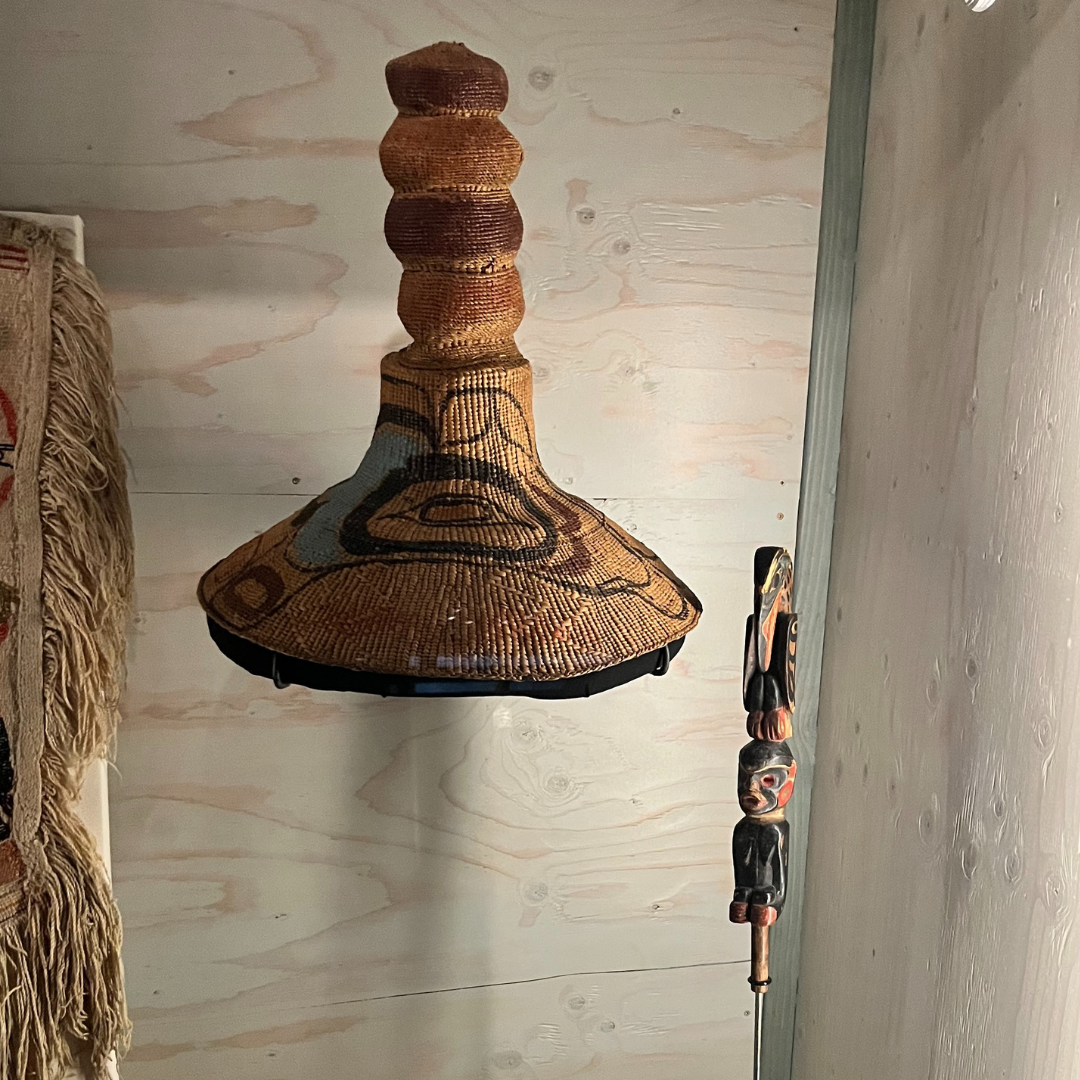
A hat on display in a museum case. The hat has a wide-brim and stacked circles coming up from the centre. Next to it is displayed a ornately carved staff.

Helen Schooner’s (nee Housty) potlatch hat (HBC 57-1) and speaker’s staff (HBC 57-2-A).
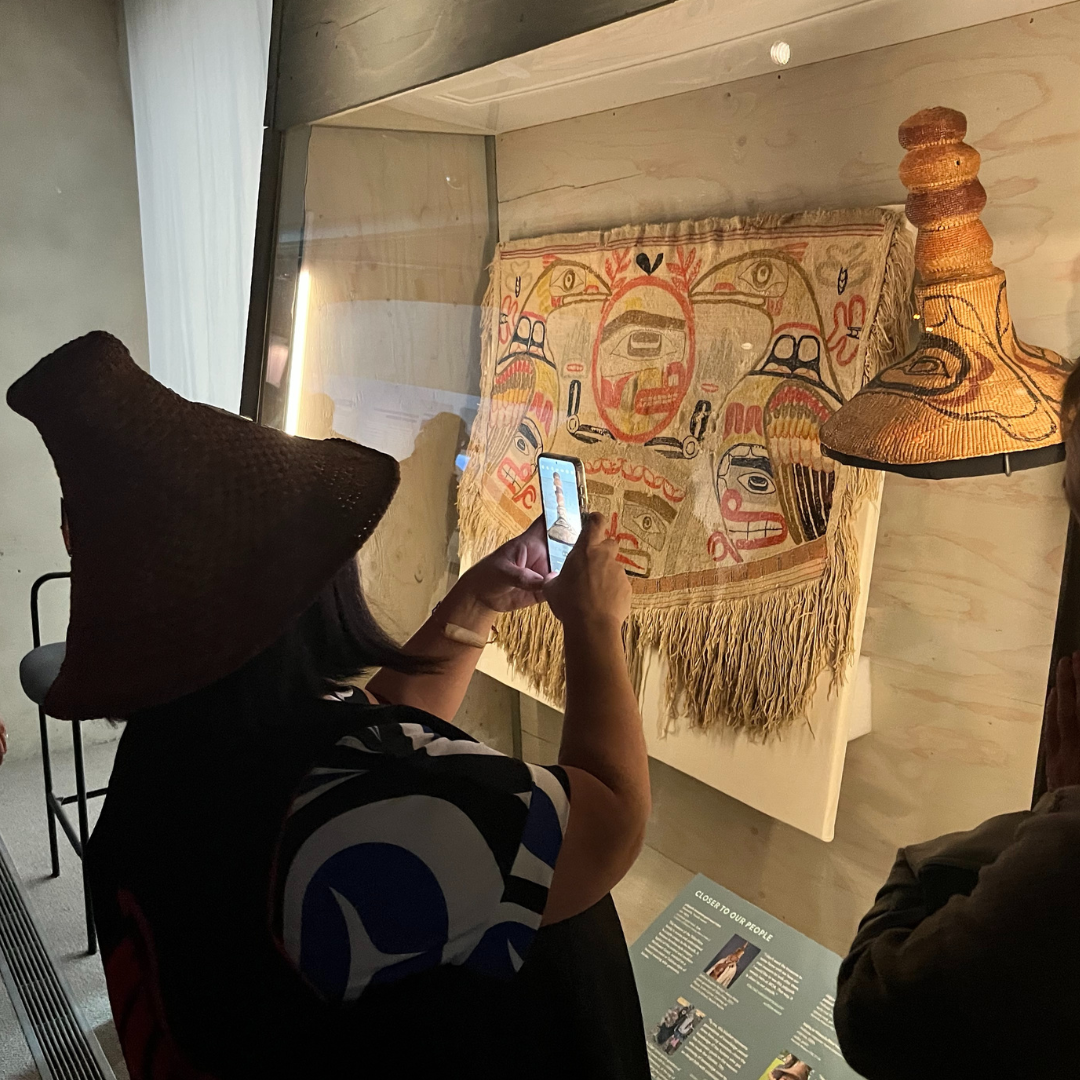
An individual holds up their phone to take a photo of a potlatch hat in a museum display case. The individual is wearing a similarly shaped hat.

Nuxalk community members interact with belongings from the HBC Museum Collection in the Nuxalk Strong exhibition.
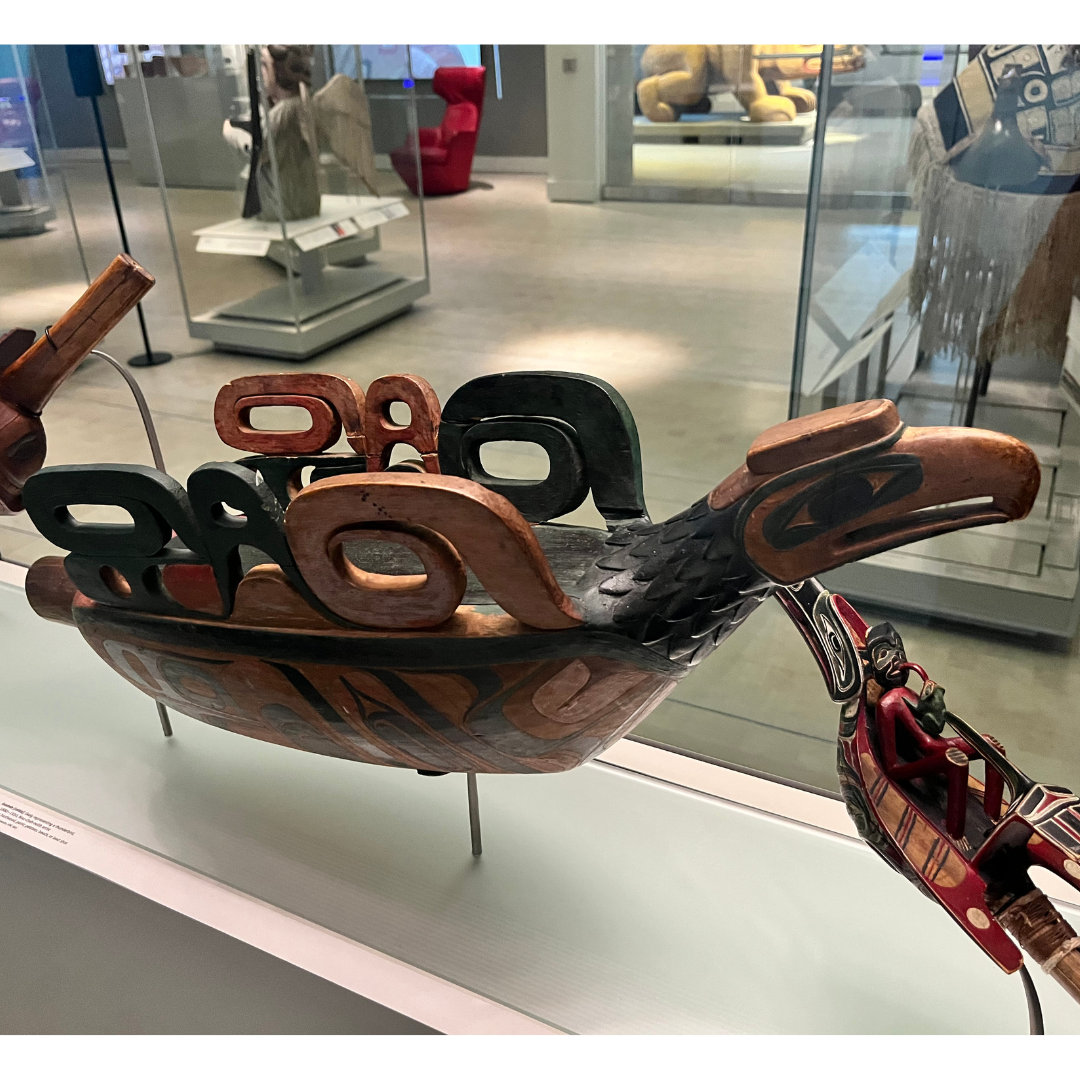
An ornately carved large wooden rattle in the shape of a thunderbird on display in a museum exhibit.

A Nuu-chah-nulth thunderbird rattle from the HBC Museum Collection (HBC 995) on display in the In a Different Light exhibition.

In A Different Light: Reflecting on Northwest Coast Art includes two rattles made by Haida and Nuu-chah-nulth artists.

Nuxalk Strong: Dancing Down the Eyelashes of the Sun includes a potlatch hat that was on permanent display in the HBC Gallery and a speaker’s staff that belonged to Helen Housty, a prominent woman from the Heiltsuk Nation who married Staltmc Samson Schooner of the Nuxalk Nation.

I had the honour of attending the opening of the Nuxalk Strong exhibition back in February and it was incredible to witness visitors reconnecting with their belongings from other institutions like ours.

Wherever you’re headed this summer, I hope you make museums part of your trip. If you see any belongings, artifacts, or specimens from the Manitoba Museum, share a picture with us on social media. We love seeing our collections reach new audiences near and far!


Staycation with us! Plan your Summer @ the Manitoba Museum visit today.

Dr. Amelia Fay

Dr. Amelia Fay

Curator of Anthropology & the HBC Museum Collection

Amelia Fay is Curator of Anthropology and the HBC Museum Collection at the Manitoba Museum. She received her BA in Anthropology from the University of Manitoba (2004), an MA in Archaeology…
Meet Dr. Amelia Fay

Manitoba Museum launches free Anishinaabemowin language literacy game

Anishinaabemowin with Amik logo featuring an illustration of a beaver.

Treaty No. One Territory, Winnipeg, MB – July 24, 2025 – The Manitoba Museum is proud to announce the official launch of Anishinaabemowin with Amik, a free online language literacy game designed to support early learners of Anishinaabemowin—an important step in the Museum’s commitment to reconciliation, language preservation and revitalization, and inclusivity.

Anishinaabemowin with Amik is an interactive language learning game focused on animals native to Manitoba and found throughout our Museum galleries. Developed using the H5P platform, this mobile-friendly, online tool blends visual learning, memory challenges, and cultural teachings to enhance early language literacy in Anishinaabemowin. While the game is primarily geared toward children and youth, it’s accessible and engaging for all ages.

“Historically, museums have used colonial languages to interpret Indigenous knowledge and cultures. Anishinaabemowin with Amik marks a shift—one that aligns with the Museum’s efforts to decolonize its practices and implement recommendations from the Truth and Reconciliation Commission (TRC) and United Nations Declaration on the Rights of Indigenous Peoples (UNDRIP). By using the Manitoba dialect of Anishinaabemowin and developing open-access digital resources, the Museum aims to increase access, promote language preservation, and deepen cultural understanding.” – Tashina Houle-Gaywish, Head of Indigenous Programming & Engagement, Manitoba Museum.

This initiative was made possible through the generous support of the TELUS Friendly Future Foundation. The project was developed under the direction of Tashina Houle-Gaywish (née Schlup), Head of Indigenous Programming & Engagement, in collaboration with language speakers, knowledge holders, Elders, and Indigenous artists.

The Museum commissioned Anishinaabe artist Micaela Gilbert (@artworkbymicaela) to create the game’s beautiful illustrations and the Museum’s Indigenous Protocols Advisor, Carol Beaulieu, provided translations and voice recordings.

“Micaela uses her art to reconnect with her culture and share her vision of Anishinaabe identity. Her vibrant and meaningful illustrations are at the heart of the game’s storytelling. We also extend a heartfelt gichi-miigwech, a great big thank you, to Carol Beaulieu for her time and effort in providing translations and recordings in the language. Her voice and vision truly brought this game to life.” – Tashina Houle-Gaywish, Head of Indigenous Programming & Engagement, Manitoba Museum.

Anishinaabemowin with Amik is hosted on the Manitoba Museum’s website and accessible across devices. Teachers will also be able to integrate the game into pre-visit programming, creating a deeper connection between learners and the Indigenous content featured at the Museum—especially for the 90,000 students who visit annually.


About the Name:

In Anishinaabemowin, Amik means beaver—an animal seen as a community builder and symbol of care for the land. Like Amik, this project aims to make a positive and lasting impact.

-XXX-


Media Requests:


Brandi Hayberg

Manager of Marketing & Communications
Manitoba Museum
BHayberg@ManitobaMuseum.ca | 204.988.0614

Swim with Orcas – No Snorkel Required!

By Mike Jensen, Manitoba Museum Programs and Volunteer Coordinator


For most Manitobans, the ability to reach out and touch an orca is literally thousands of kilometers away. But a new experience at the Manitoba Museum this summer offers you that opportunity, at least virtually.

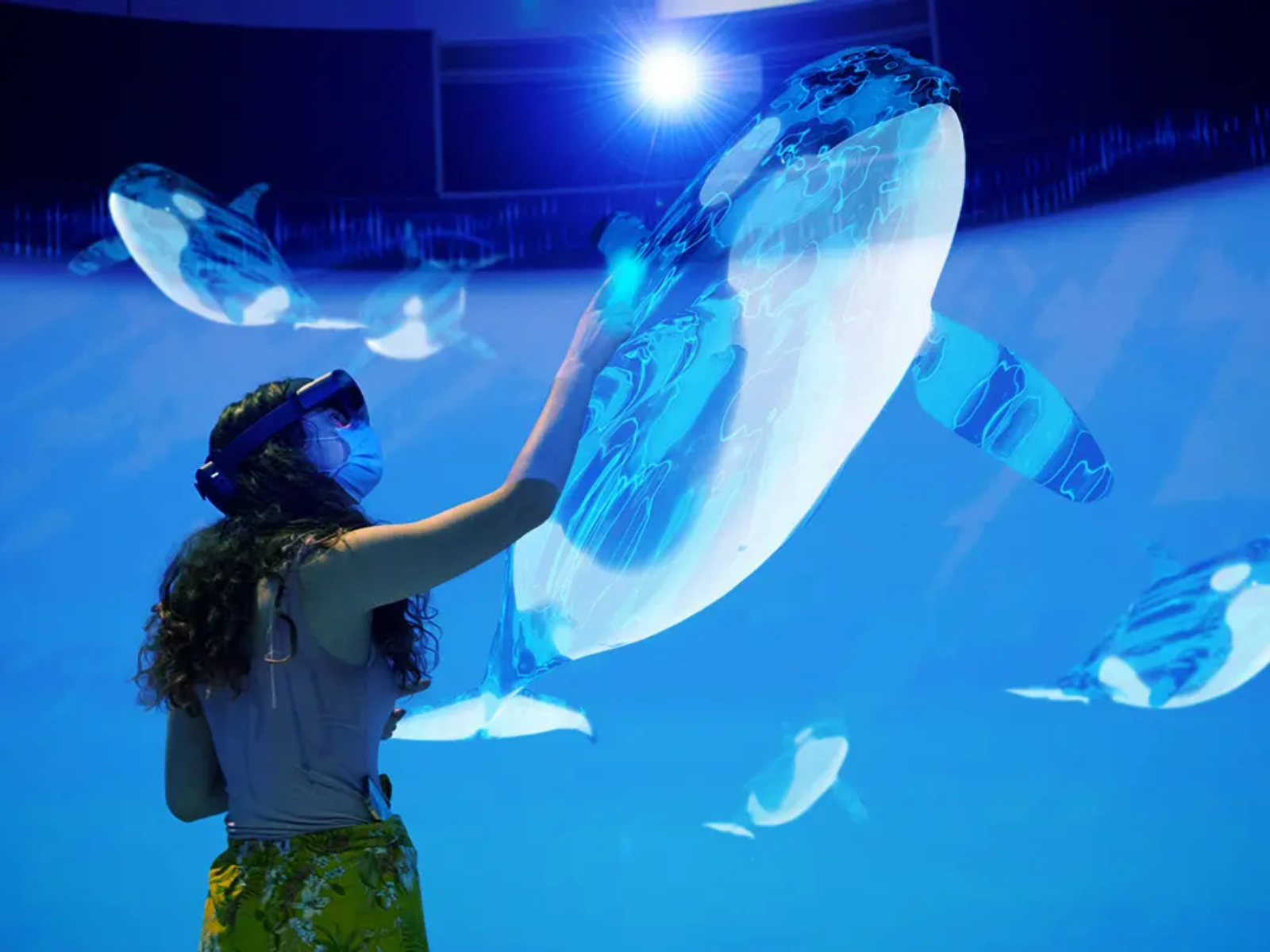
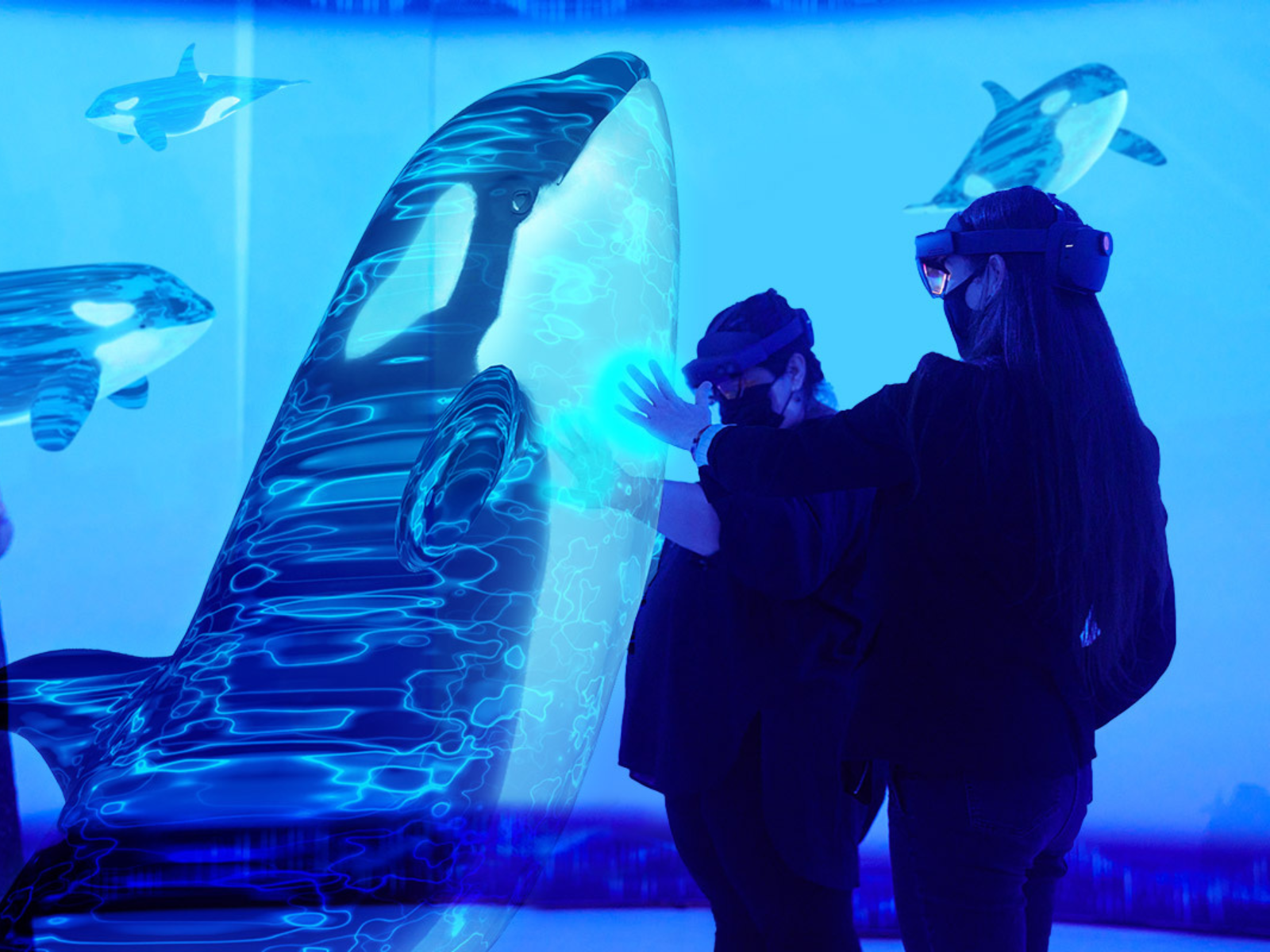
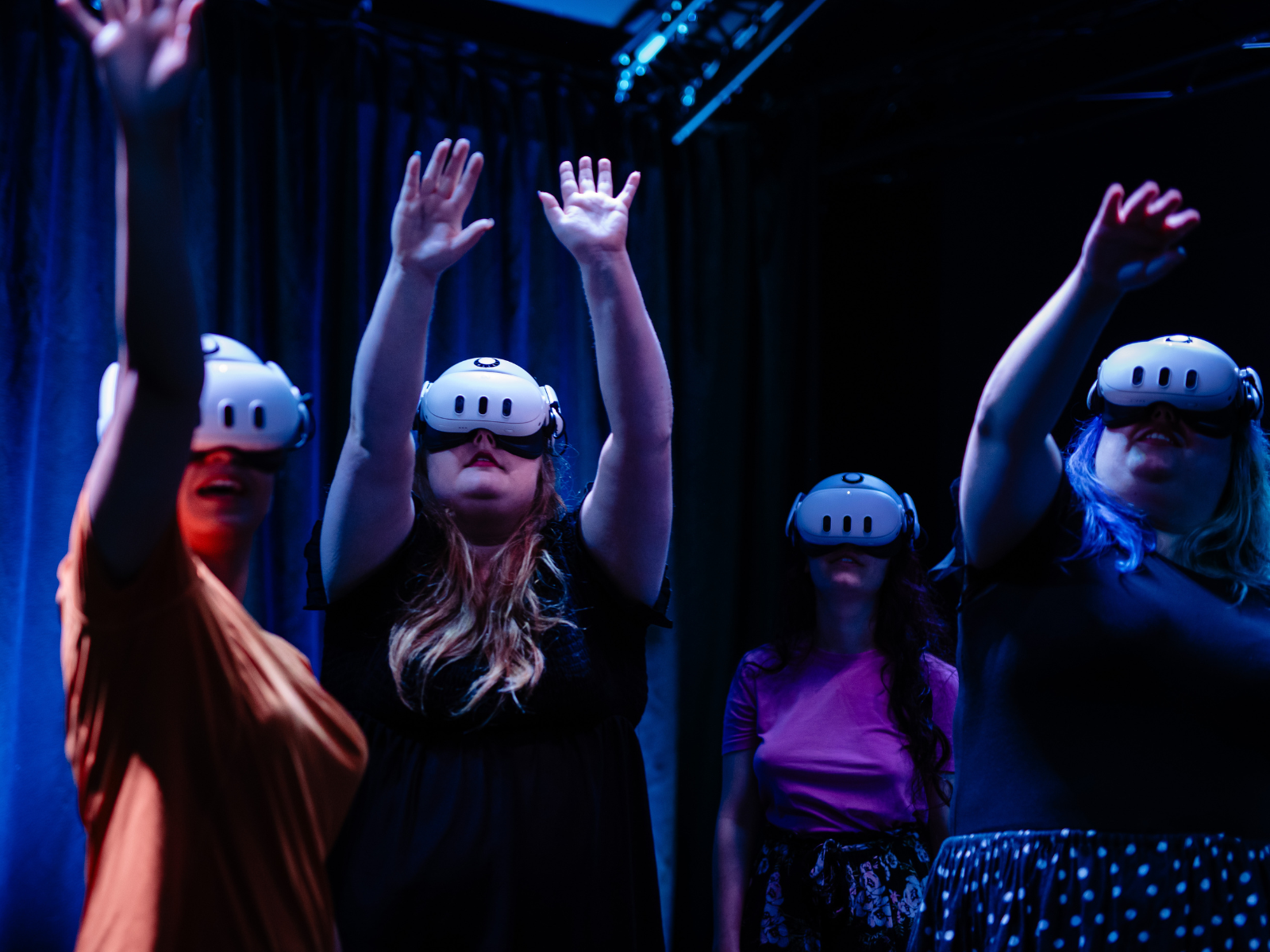
Critical Distance is a new augmented reality (AR) experience in the Manitoba Museum’s Science Gallery. As many as eight people at a time can participate, using Meta Quest 3S headsets to take them on a virtual adventure beneath the waves of the Salish Sea off the coast of British Columbia.

An individual wearing an AR headset reaching out to touch a projected image of an orca whale.

Two individuals wearing an AR headsets reaching out to touch a projected image of an orca whale.

Once in the virtual environment, visitors follow an eight-year-old orca named Kiki and a group of Southern Resident orcas known as J-Pod. The immersive environment allows you to interact with sound waves and learn about echolocation, noise pollution, and the daily perils facing this critically endangered pod as they navigate life in the Salish Sea. 

Following the AR experience, visitors can pose questions to some of the experts who were a part of designing the exhibit, via postcards or email – and the experts will write back!

A young orca emerging from the water next to an adult orca swimming beside it through a bay.

Four individuals wearing AR headsets reaching out to something they're seeing in front of them.

All in all, Critical Distance is intended to show that we are all connected to life in our planet’s oceans by making you aware of the impacts of human activities on one of the unique species that exists in them.  

But one thing is for sure – it will provide a lasting memory for Museum visitors long after they leave! 

Join us for a whale of a time during Summer @ the Manitoba Museum!


All images courtesy of Critical Distance.

Surprise Bags in the Archaeology Department

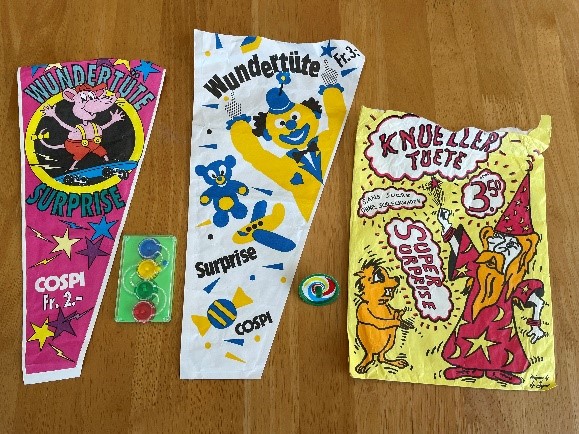
Three empty paper bags decorated in bright colours with cartoon characters and text reading "Wundertute / Suprise / Cospi", with a small maze game and top between then.

by Sonya Hauri-Thiessen, Collections Technician – Archaeology


When I was younger, I loved opening surprise bags. They came with candy and a toy, and you never knew what surprises lay within. The bags in the photo to the right came from a trip I took to Switzerland in the 1990s (and still have as part of my personal collection because archaeologists save everything!). I still love surprise bags, but now I get to open a different type of surprise bag: one filled with artifacts!


Image: Surprise bags from Switzerland.

Part of my job as a Collections Technician in the Archaeology Department is cataloguing donations that have not been processed yet. Sometimes when a collection arrives it is in a bit of a sorry state after being excavated. One might even choose to use the word filthy when describing some items. They are often still covered in dirt, and it can be hard to tell exactly what each item is. That’s where the fun part starts. After taking an inventory and organizing the donation, I get to wash everything and then discover the artifacts that are revealed! There’s a certain excitement that comes with knowing I am the first person to see an artifact after it has been excavated and cleaned up, especially when I know the item could potentially be thousands of years old. I feel very privileged to be able to work in this field, and I try to remember that as I work with the collections, especially when I am covered in muddy water!

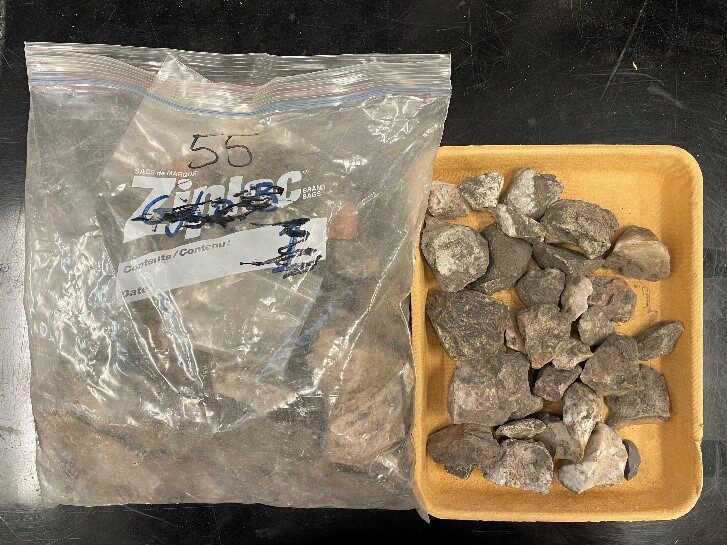
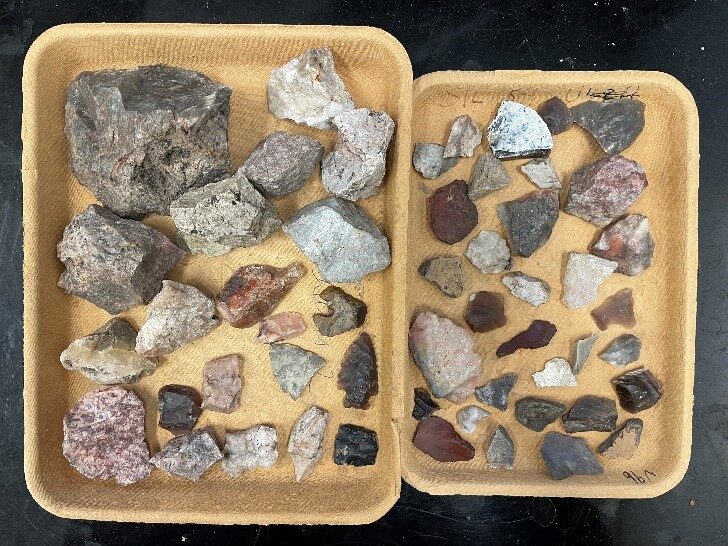
The artifacts in the picture below come from a site in Southwestern Manitoba. When I first laid eyes on the bag it just looked like a bag of dirty rocks, and I didn’t think there would be much inside of note. But lo and behold, after a thorough cleaning, I came away with a beautiful assortment of artifacts, including many different types of stone tools.

A large freezer bag filled with dirt and excavated artifacts next to a plastic tub containing more of the same.

Dirty, unrecognizable artifacts.

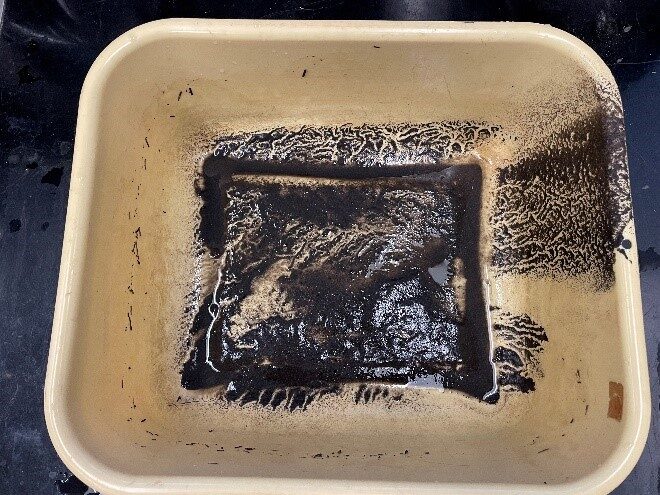
A cream coloured plastic basin with a dark, wet sludge at the base and along the side where the previous contents were poured out.

Sludge left over after the artifacts have been cleaned.

A selection of excavated artifacts, washed and clean, placed in two cream-coloured plastic basins.

Clean artifacts!

Once the artifacts have been washed and dried, they are identified with the help of the Museum’s comparative collections. These collections have been thoughtfully curated and organized over many years in order to show prime examples of different types of artifacts. After being identified, the artifacts are entered into the Museum’s collections database. Once in the database, a unique catalogue card must be printed for each artifact. Next, the artifacts are labelled using a thin layer of B-72 acrylic resin mixed with acetone and an acid-free paper label that has a unique catalogue number. The artifacts are then put away into our carefully organized storage room. This detailed process of record keeping, as well as maintaining a properly organized collections storage room, is an important part of collections management. It allows us to know the exact location of every artifact at all times and ensures easy retrieval for exhibits or for researchers who want to study our collections.

The archaeology department has over 2.5 million artifacts in its collection. Each artifact has been carefully processed by dedicated Museum employees over the years, all of whom have been lucky enough to work with the wonderful surprises that this fascinating discipline has to offer.

I started working in the Museum world 25 years ago, and I never get tired of the surprises that come in. Come visit the Manitoba Museum – you never know what surprises await you!

Join us for the Premiere of Wilfred Buck’s Star Stories Planetarium Show

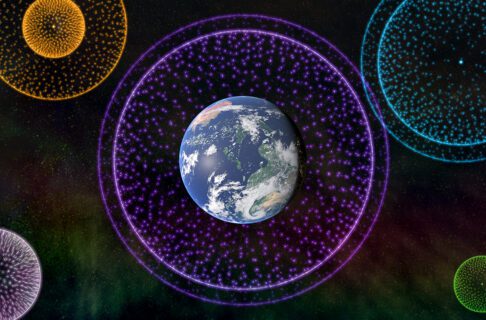
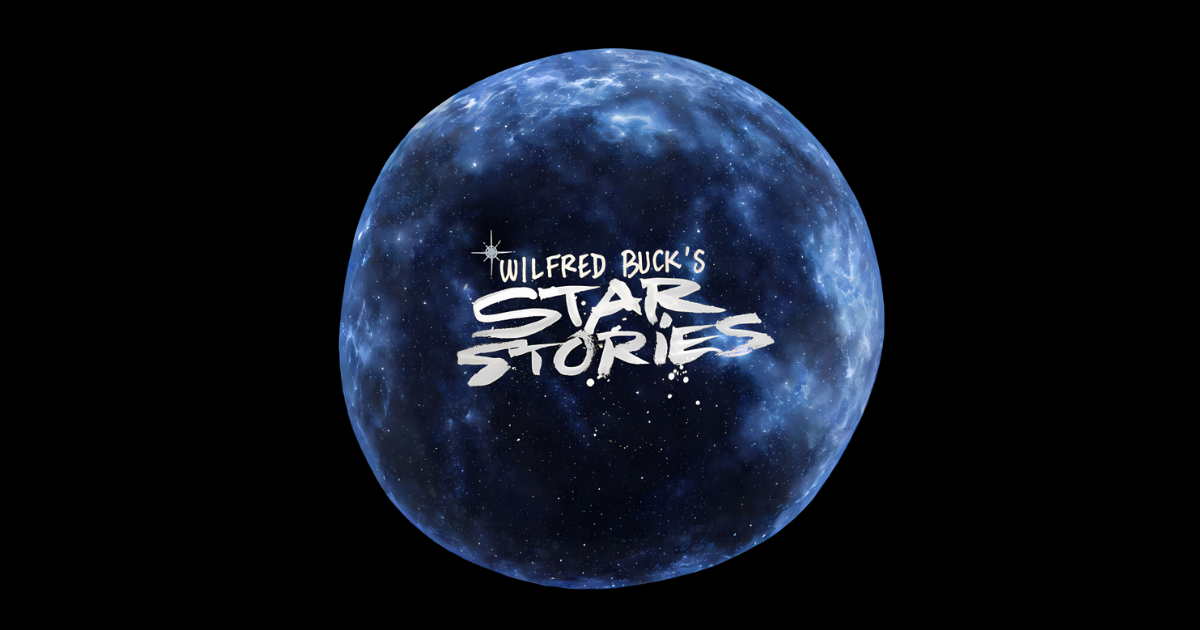
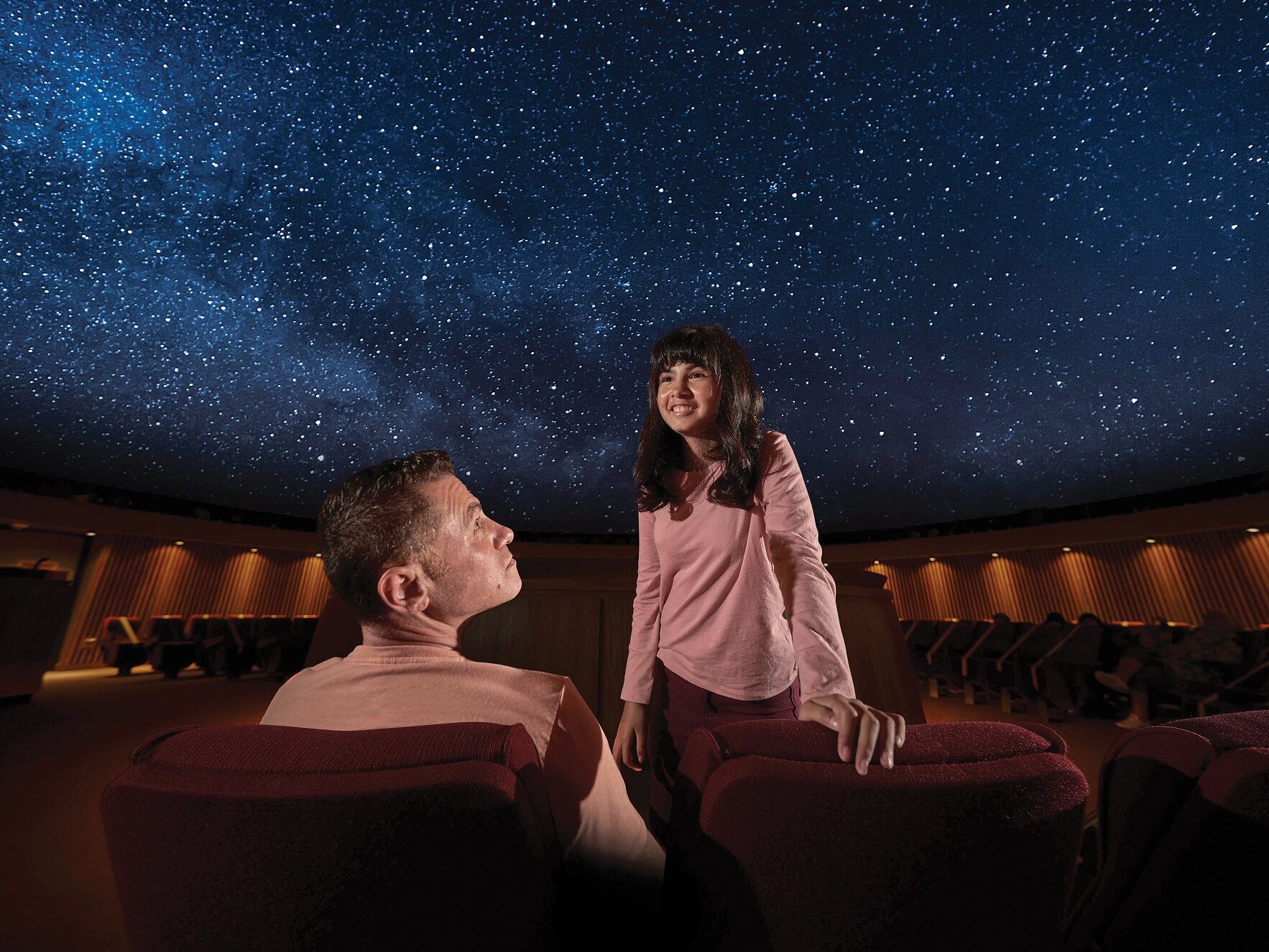
A round view into blue covered in stars. Overlaid text reads,

Join us for the Premiere of Wilfred Buck’s Star Stories Planetarium Show

Treaty No. 1 Territory, Winnipeg, Manitoba (June 17, 2025) – The Manitoba Museum invites members of the media to join us for the premiere of a brand-new Planetarium show, Wilfred Buck’s Star Stories. Wilfred Buck is an Ininew (Cree) writer, educator and one of the foremost experts on Indigenous star knowledge.

PREMIERE DETAILS

Date: Friday, June 20, 2025

Time: 6:00 pm – 8:00 pm

Location: Manitoba Museum Planetarium, 190 Rupert Avenue, Winnipeg

Q&A Panel: Wilfred Buck, Director Lisa Jackson, Planetarium Astronomer Scott Young

Please RSVP to: BHayberg@ManitobaMuseum.ca

Designed for presentation in domes and planetariums, this 21-minute XR work, directed by Lisa Jackson and the Macronauts, brings to life four star stories, gathered and told by renowned Ininew astronomer/star knowledge expert and author Wilfred Buck. From the practical to the poetic, these tellings of the Northern night sky provide guidance on navigation, the earth’s cycles, and how to live a good life with future generations in mind.

Wilfred Buck’s Star Stories aims to preserve the oral tradition of the Ininew, much of which was lost through colonization and the residential school systems. Wilfred Buck has painstaking collected these tellings and presented them to share with audiences. It’s a way for the people of Manitoba to learn the sky as seen and interpreted by the original people of Manitoba.” – Scott Young, Manitoba Museum Planetarium Astronomer.

Wilfred Buck’s Star Stories offers a rarely heard perspective on astronomy and cosmology. Marvel at immersive night sky cinematography, cosmos CGI, and beautiful macro cinematography of meteorites set to a transporting soundtrack in this expansive yet intimate experience that combines the wonder of the universe with the warmth of listening to a wise Elder whose teachings can help us understand that the stars are in fact our oldest relatives.

“This show is design to be as authentic as possible. It is written and narrated by Wilfred himself, and visualized using artwork drawn by his son, Mistawasis Buck. You feel like you are being included in the telling, which isn’t just about the stars, it’s about life. It’s as relevant today as it was generations ago, because the core of the stories are human truths.” – Scott Young, Manitoba Museum Planetarium Astronomer.

Wilfred Buck’s Star Stories will be running daily throughout the summer at the Manitoba Museum Planetarium starting June 28, 2025. Visit ManitobaMuseum.ca/Planetarium for planetarium schedules.

View the Wilfred Buck’s Star Stories Press Kit.

-XXX-


To RSVP or request interviews, please contact:


Brandi Hayberg

Manager of Marketing & Communications
Manitoba Museum
BHayberg@ManitobaMuseum.ca | 204.988.0614

A Time and Place to Learn Who We Are

by Lucy Lindell, Manitoba Museum Indigenous Scholar in Residence


Opening June 20, the day before National Indigenous Peoples Day, my solo exhibit I Belong Here will be on display in the Manitoba Museum’s Urban Corridor. Through digital art prints, the physical structures of local museums and galleries are transformed into Indigenous teachings that exist to help us live a good life.

This exhibit comes from an in-scholar residence at the Museum with Dr. Amelia Fay, Curator of Anthropology and the HBC Museum Collection. We focused on repatriation and safe museum spaces for Indigenous items.

Previous to the residency, in a cultural leadership course with Stephen Borys, I gained an understanding that historically, museum foundations were built on elitism and were meant to be an escape or distraction to bring temporary moments of freedom.

As a Métis woman learning traditional culture, my museum experiences were quite different; my visits were a time of healing and learning about my relations to Creation. Creation includes all life forms and their energies.

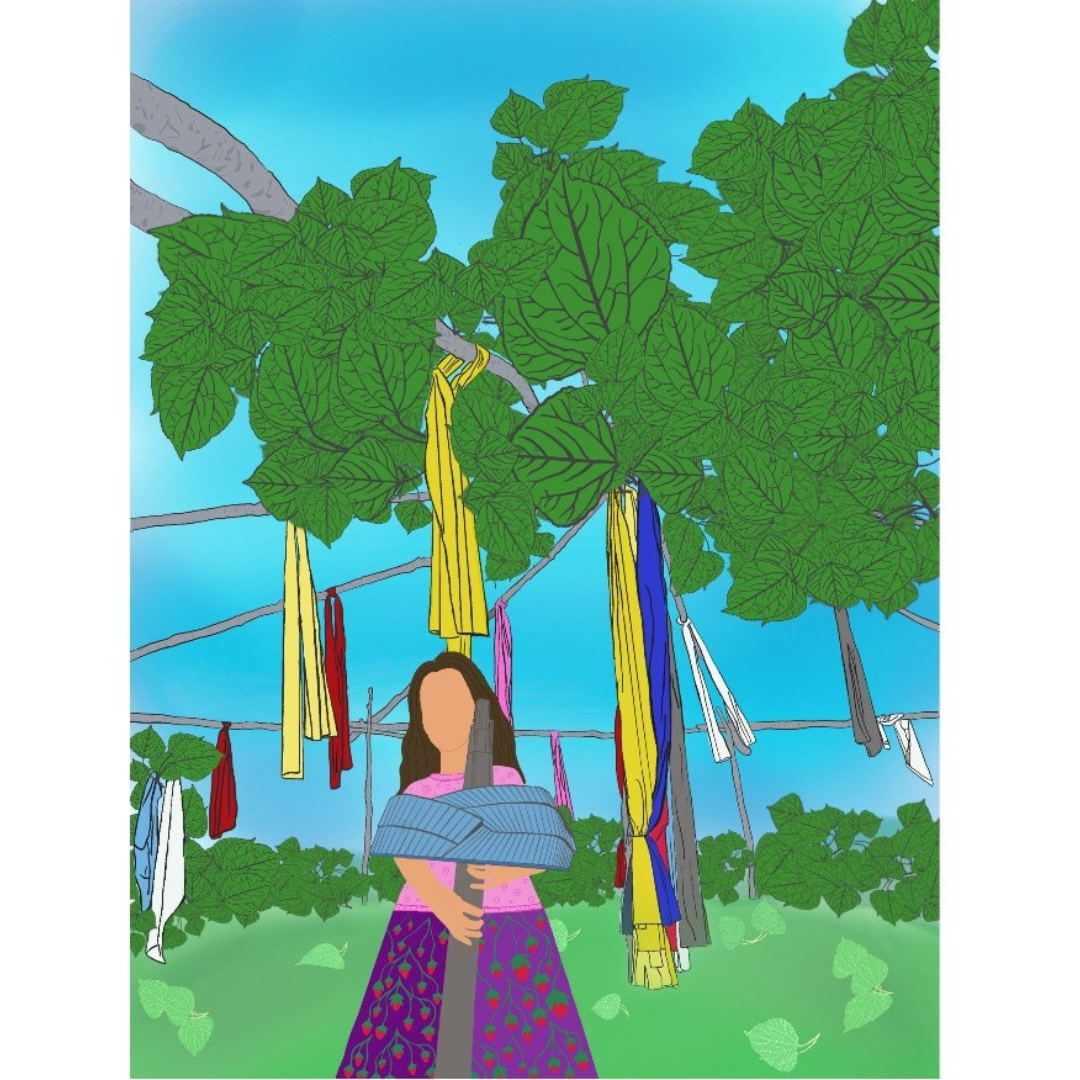
A digital artwork featuring a female figure wearing a shawl designed to look like the Canadian Museum of Human Rights building. Behind the figure colourful ribbons hang from the branches of green-leaved trees.

The Canadian Museum for Human Rights transforms into a shawl worn by a sundance ceremony helper. ©Lucy Lindell

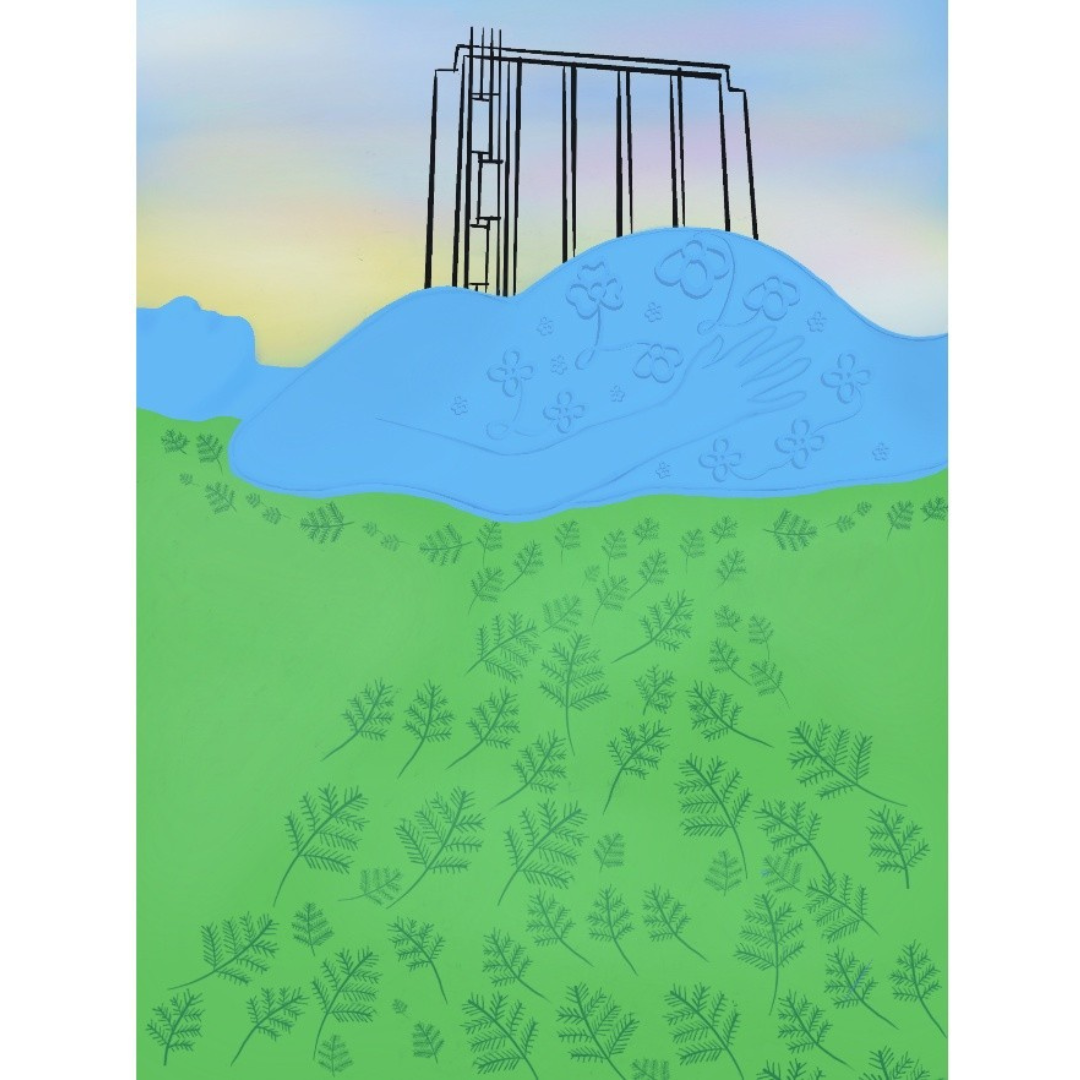
A digital artwork featuring a figure of a pregnant mother laying down on her back on the grass. Behind her rises the Manitoba Museum tower, which, combined with her pregnant belly, creates the exterior of the Manitoba Museum.

The Manitoba Museum transforms into a representation of a sweat lodge; the mother’s womb. ©Lucy Lindell

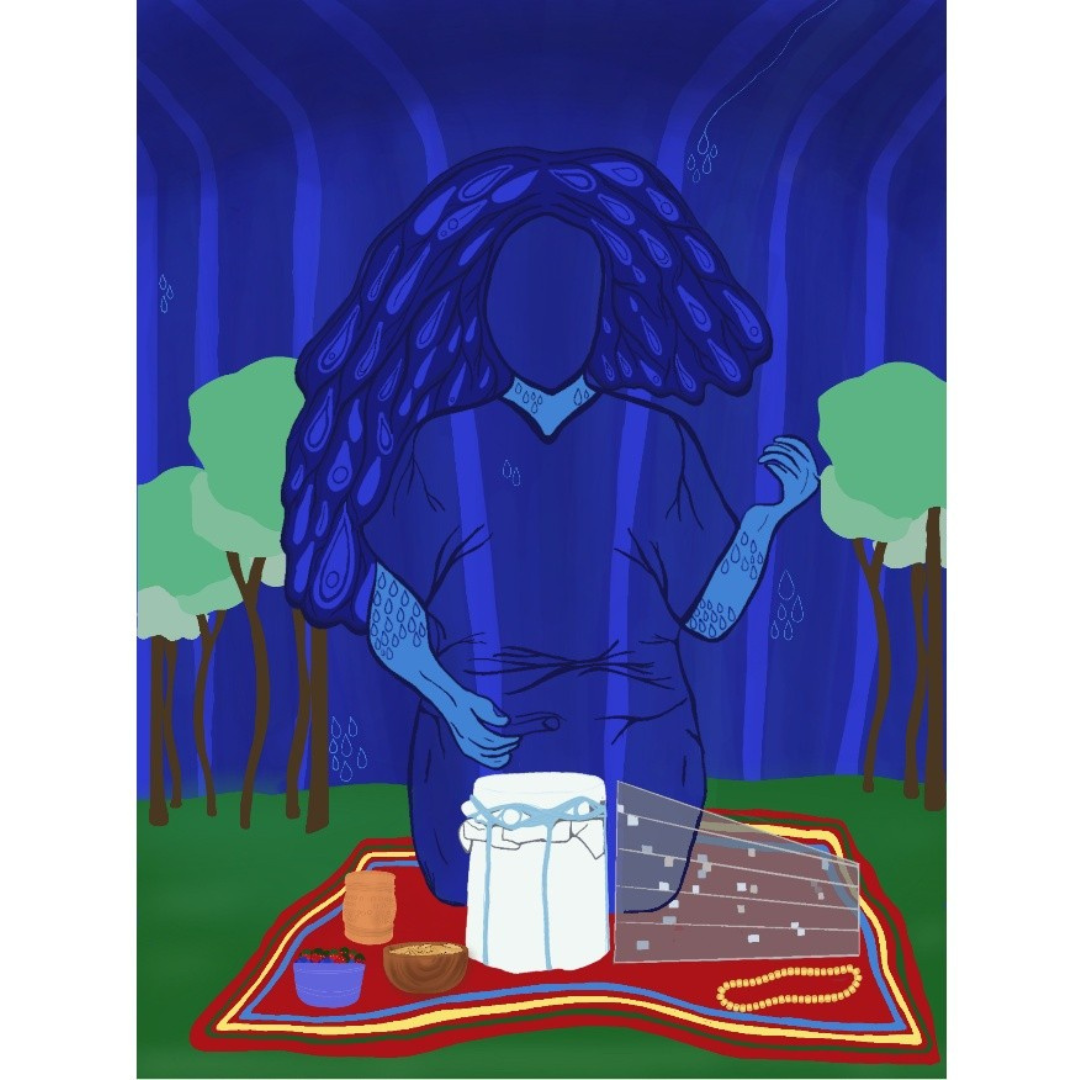
A digital artwork of a figure kneeling on a blanket. In front of them are several items placed to resemble the WAG-Qaumajuq building, as well as several small bowls and a beaded necklace.

The WAG-Qaumajuq transforms into traditional Indigenous ceremony. ©Lucy Lindell

Respectful relations to Creation continue to be harmed through colonial histories where identities were built by taking from others and going to extreme lengths to receive access to land and resources. This impacts identity, understandings of purpose, and how we think day-to-day.

I Belong Here removes colonial invalidations by sharing relatedness and ways of knowing that not everyone has had the privilege of experiencing. It shares teachings that reflect our own beauty back to us and affirms that Indigenous teachings belong in museum spaces and everyday life.

A special thank you to Dr. Amelia Fay, Dan Thomas, and the Manitoba Museum for working with me on this project.


I Belong Here will open on June 20 in the Manitoba Museum’s Urban Corridor and will be on display throughout the summer. Admission to this temporary exhibit is included in an All Attraction Pass. Manitoba Museum Members and Indigenous Peoples can access this exhibit at no charge.


Plan your visit today

Preview Critical Distance AR Experience at Manitoba Museum

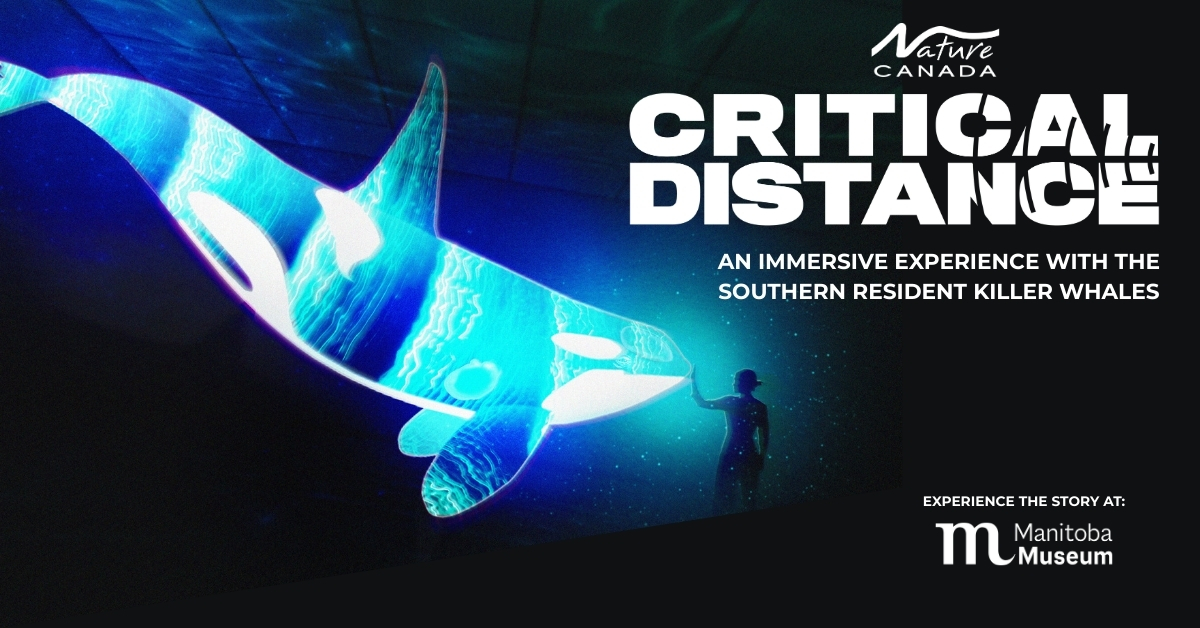
Promotional image for Nature Canada's
An Orca Pod in Winnipeg? Immersive AR Experience “Critical Distance” Launches at Manitoba Museum for Ocean Week 2025


Treaty 1 Territory, Winnipeg, MB – May 28, 2025 — Nature Canada and the Manitoba Museum invite media to an exclusive preview of Critical Distance, a groundbreaking augmented reality (AR) experience that immerses visitors in the world of the endangered Southern Resident Killer Whales of the Salish Sea on Canada’s West Coast.

Launching its Canadian tour in Winnipeg for Ocean Week 2025, Critical Distance transports visitors into the Salish Sea, home to a pod of endangered orcas known as the Southern Resident Killer Whales. Through social augmented reality, audiences follow eight-year-old Kiki and her family as they navigate the challenges of underwater noise and declining salmon stocks – threats driven by human activity.

The experience makes an emotionally powerful case for ocean conservation by blending technology and storytelling. Produced by Vision3, Critical Distance is going on tour with Nature Canada, in association with the Alliance of Natural History Museums of Canada.

Following the AR experience, Nature Canada invites visitors to join the movement to protect Canada’s ocean by connecting directly with ocean conservation experts through a “Ask the Experts” interaction. Visitors can ask whatever they want about the orcas, the threats to the Salish Sea, or the ocean in general. And they will receive real answers from experts including Indigenous elders, marine scientists, and nature advocates.

“It’s like sending fishy letters to Santa.” – Scott Mullenix, Exhibit Director, Nature Canada


MEDIA PREVIEW DETAILS

Date: Tuesday, June 3, 2025

Time: 9:00 am

Location: Manitoba Museum, 190 Rupert Avenue, Winnipeg

Opportunities:

  • Experience the Critical Distance AR presentation
  • Interview Nature Canada’s ocean conservation experts in-person
  • Hear remarks about the national tour (including why we launched it thousands of kilometres from the coast)
  • Light Refreshments


The following experts will be available for media interviews:

Adam Olsen  (SȾHENEP)
Lead Negotiator and Member, Tsartlip First Nation (W̱JOȽEȽP)

Julia Laforge
Protected Areas Policy Manager, Nature Canada, Ottawa

Rebecca Brushett 
Marine Planning and Engagement Coordinator, Ecology Action Centre, Corner Brook and Halifax


Representatives from Vision3, Nature Canada, The Alliance of Natural History Museums of Canada, and Manitoba Museum will also be available for comment.

Note: The AR experience contains flashing lights and loud sounds. It is recommended for visitors aged 10 and up.

Learn more about Critical Distance in the provided video, courtesy of Microsoft: click here.

-XXX-


To RSVP or request interviews, please contact:


Scott Mullenix

Communications Director
Nature Canada
Media@NatureCanada.ca | 613.366.4776 (call or text)


Brandi Hayberg

Manager of Marketing & Communications
Manitoba Museum
BHayberg@ManitobaMuseum.ca | 204.988.0614

Logo garden with logos for Nature Canada, Manitoba Museum, Vision3, and the Alliance of Natural History Museums of Canada.

Manitoba Museum Issues Apology to First Nations, Inuit, and Métis Communities

Treaty No. 1 Territory – Winnipeg, Manitoba – May 22, 2025 –Today, the Manitoba Museum issued a formal apology to First Nations, Inuit, and Métis communities, acknowledging that it has held Ancestral remains and associated belongings from these communities within its collections.

The Museum held a closed Ceremony and gathering in respect for the Ancestors and kinship communities, with the guidance of Spiritual Advisors. Representatives witnessing this important moment included Grand Chief Jerry Daniels of the Southern Chiefs’ Organization, Elders from the Assembly of Manitoba Chiefs, Leaders from Inuit and Métis communities, Chiefs of First Nations Communities across Manitoba, as well as representatives of the National Centre for Truth and Reconciliation. They were joined by the Manitoba Museum Board of Governors, the Indigenous Advisory Circle to the Museum, and Museum staff who help to care for the Ancestors.

Following a Pipe Ceremony, Manitoba Museum CEO, Dorota Blumczyńska provided an official apology on behalf of the Museum.

“We sincerely and profoundly regret that the Museum has held Ancestors of First Nations, Inuit, and Métis communities within our collections for decades. In doing this, we know we have contributed to and played a role in colonialization. We apologize for our actions, inactions, and failures, past and present. We know that what is required now is that our actions be transparent, honest, and meaningful. This apology is just the beginning of the Homeward Journey of the Ancestors,” said Blumczyńska.

“We promise that no Ancestors will enter the Museum in the future.”

This apology to communities, is part of the Homeward Journey, which began at the Manitoba Museum in 2022. Guided by the Indigenous Advisory Circle and with a Spiritual Advisor’s blessing, Homeward Journey aims to identify and bring home Ancestors to their kinship communities.

The important work will take several years and will be led by First Nations, Inuit, and Métis peoples, in preparation, during, and after the Ancestors’ return.

The apology represents a significant milestone in the Manitoba Museum’s commitment to rematriation / repatriation – the return of Ancestors and associated belongings. Kevin Brownlee, former Curator of Archaeology, and member of Norway House Cree Nation (Kinosao Sipi) cared for the Ancestors and advocated for the establishment of dedicated funding for rematriation / repatriation of Ancestors and belongings. The Museum began the Homeward Journey in 2022 when the Museum committed to correct this historic injustice. The Museum’s Board of Governors regretfully acknowledged that bringing the Ancestors home was long overdue and took steps to set the work in motion.

“The Museum is committed to rebuilding trust with these communities, repairing those important relationships, and moving forward in a good way,” said Blumczyńska.

For more information about the Manitoba Museum’s Homeward Journey project please click here.

-XXX-

Brandi Hayberg
Manager of Marketing & Communications
BHayberg@ManitobaMuseum.ca
204-988-0614

Manitoba Museum, ROM Palaeontologists Discover 506-Million-Year-Old Predator

(Winnipeg, MB/Toronto, ON: May 14, 2025) – Palaeontologists at the Manitoba Museum and Royal Ontario Museum (ROM) have discovered a remarkable new 506-million-year-old predator from the Burgess Shale of Canada. The results are announced in a paper in the journal Royal Society Open Science (https://doi.org/10.1098/rsos.242122).

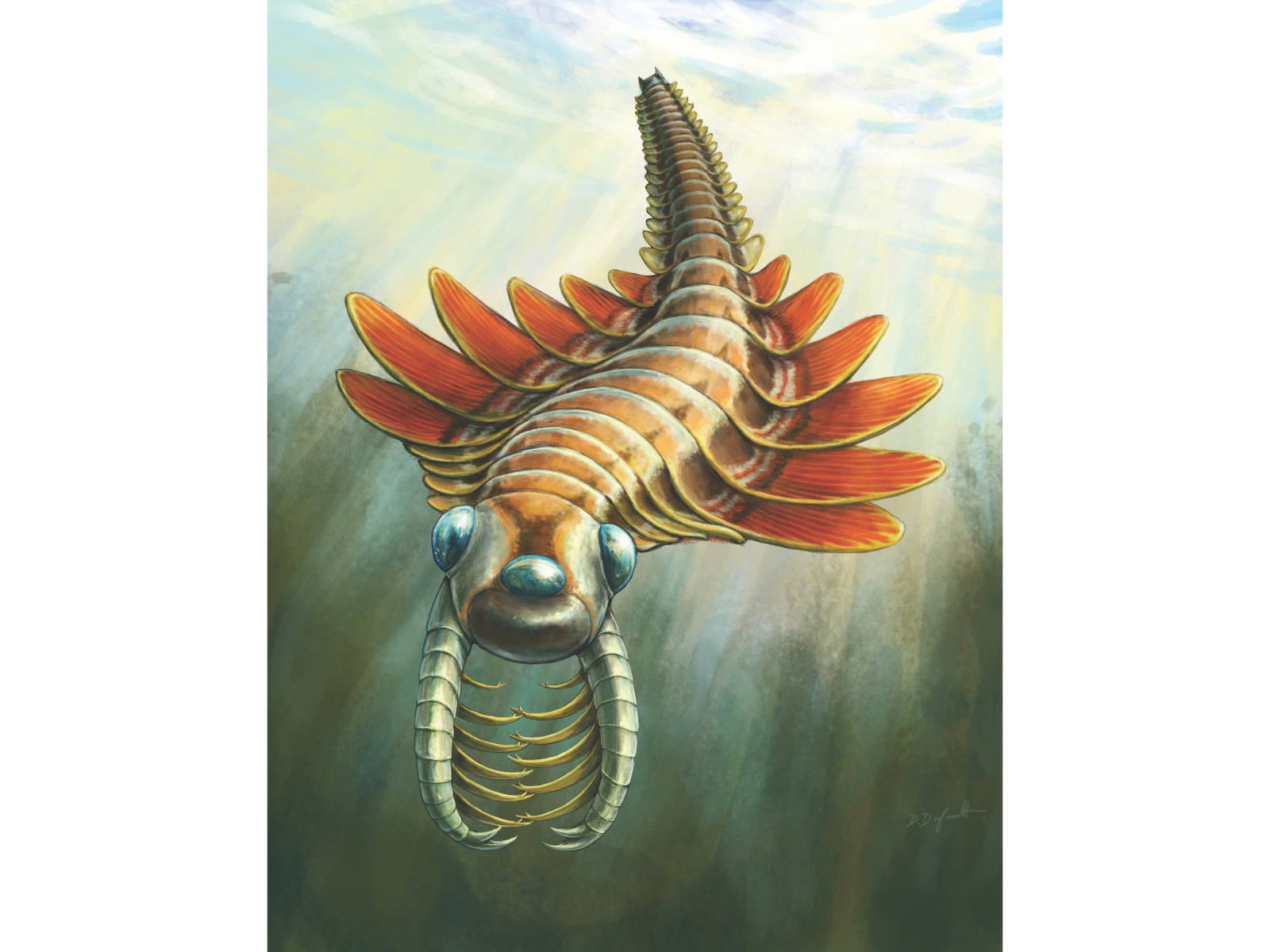
Artist's rendering of Mosura fentoni in life. The underwater creature has two long limbs covered in spines pointing out in front of it, three eyes, and a number of fin-like swimming flaps along the sides of its body.

Mosura fentoni was about the size of your index finger and had three eyes, spiny, jointed claws, a circular mouth lined with teeth, and a body with swimming flaps along its sides. These traits show it to be part of an extinct group known as the radiodonts, which also included the famous Anomalocaris canadensis, a meter-long predator that shared the waters with Mosura.

However, Mosura also possessed a feature not seen in any other radiodont: an abdomen-like body region made up of multiple segments at its back end.


Image: Life reconstruction of Mosura fentoni. Art by Danielle Dufault © ROM

“Mosura has 16 tightly packed segments lined with gills at the rear end of its body. This is a neat example of evolutionary convergence with modern groups, like horseshoe crabs, woodlice, and insects, which share a batch of segments bearing respiratory organs at the rear of the body,” says Joe Moysiuk, Curator of Palaeontology and Geology at the Manitoba Museum, who led the study.

The reason for this intriguing adaptation remains uncertain, but the researchers postulate it may be related to particular habitat preference or behavioural characteristics of Mosura that required more efficient respiration.

With its broad swimming flaps near its midsection and narrow abdomen, Mosura was nicknamed the “sea-moth” by field collectors based on its vague appearance to a moth. This inspired its scientific name, which references the fictional Japanese kaiju also known as Mothra. Only distantly related to real moths – as well as spiders, crabs, and millipedes – Mosura belongs on a much deeper branch in the evolutionary tree of these animals, collectively known as arthropods.

“Radiodonts were the first group of arthropods to branch out in the evolutionary tree, so they provide key insight into ancestral traits for the entire group. The new species emphasizes that these early arthropods were already surprisingly diverse and were adapting in a comparable way to their distant modern relatives.” says study co-author Jean-Bernard Caron, Richard M. Ivey Curator of Invertebrate Palaeontology at ROM.

Several fossils of Mosura additionally show details of internal anatomy, including elements of the nervous system, circulatory system, and digestive tract.

“Very few fossil sites in the world offer this level of insight into soft internal anatomy. We can see traces representing bundles of nerves in the eyes that would have been involved in image processing, just like in living arthropods. The details are astounding,” Caron adds.

Instead of having arteries and veins like we do, Mosura had an “open” circulatory system, with its heart pumping blood into large internal body cavities called lacunae. These lacunae are preserved as reflective patches that fill the body and extend into the swimming flaps in the fossils.

“The well-preserved lacunae of the circulatory system in Mosura help us to interpret similar, but less clear features that we’ve seen before in other fossils. Their identity has been controversial,” adds Moysiuk, who is also a Research Associate at ROM. “It turns out that preservation of these structures is widespread, confirming the ancient origin of this type of circulatory system.”

Of the 61 fossils of Mosura, all except one were collected by the ROM between 1975 and 2022, mostly from the Raymond Quarry in Yoho National Park, British Columbia. Some also came from new areas around Marble Canyon in Kootenay National Park, 40 km to the southeast, which have revealed spectacular new Burgess Shale fossils, including other radiodonts: StanleycarisCambroraster, and Titanokorys. One previously unpublished specimen of Mosura collected by Charles Walcott, the discoverer of the Burgess Shale, was also studied.

“Museum collections, old and new, are a bottomless treasure trove of information about the past. If you think you’ve seen it all before, you just need to open up a museum drawer,” Moysiuk says.

The Burgess Shale fossil sites are located within Yoho and Kootenay National Parks and are managed by Parks Canada. Parks Canada is proud to work with leading scientific researchers to expand knowledge and understanding of this key period of Earth’s history and to share these sites with the world through award-winning guided hikes. The Burgess Shale was designated a UNESCO World Heritage Site in 1980 due to its outstanding universal value and is now part of the larger Canadian Rocky Mountain Parks World Heritage Site.

Many radiodont fossils can be seen on display in ROM’s Willner Madge Gallery, Dawn of Life, in Toronto, and a specimen of Mosura will be exhibited for the first time at the Manitoba Museum in Winnipeg later this year.

For 50 years, ROM has been at the forefront of Burgess Shale research, uncovering dozens of new fossil sites and species. Located in the Canadian Rocky Mountain Parks of British Columbia, the Burgess Shale fossils are exceptionally preserved and provide one of the best records of marine life during the Cambrian period anywhere. Home to the world’s largest Burgess Shale collection, ROM shares these extraordinary fossils through global research, an award-winning online resource, and its newest permanent exhibition: the Willner Madge Gallery, Dawn of Life.

-XXX-


Media Contact & Information

Image Gallery: A collection of images and a document with image captions & credits can be found here.


Dr. Joe Moysiuk

Curator of Palaeontology and Geology, Manitoba Museum

Research Associate, Royal Ontario Museum

Adjunct Professor, Department of Geological Sciences, University of Saskatchewan

204 988 0648; JMoysiuk@ManitobaMuseum.ca


Dr. Jean-Bernard Caron (bilingual)

Curator of Invertebrate Palaeontology, Royal Ontario Museum

Associate Professor, Department of Ecology & Evolutionary Biology and the Department of Earth Sciences, University of Toronto

416 586 5593; JCaron@rom.on.ca


Brandi Hayberg

Manager of Marketing & Communications, Manitoba Museum

204 988 0614; BHayberg@ManitobaMuseum.ca


David McKay

Senior Publicist, Royal Ontario Museum

416 586 5559; DavidM@rom.on.ca

Manitoba Museum’s Newest Exhibition Opens Today

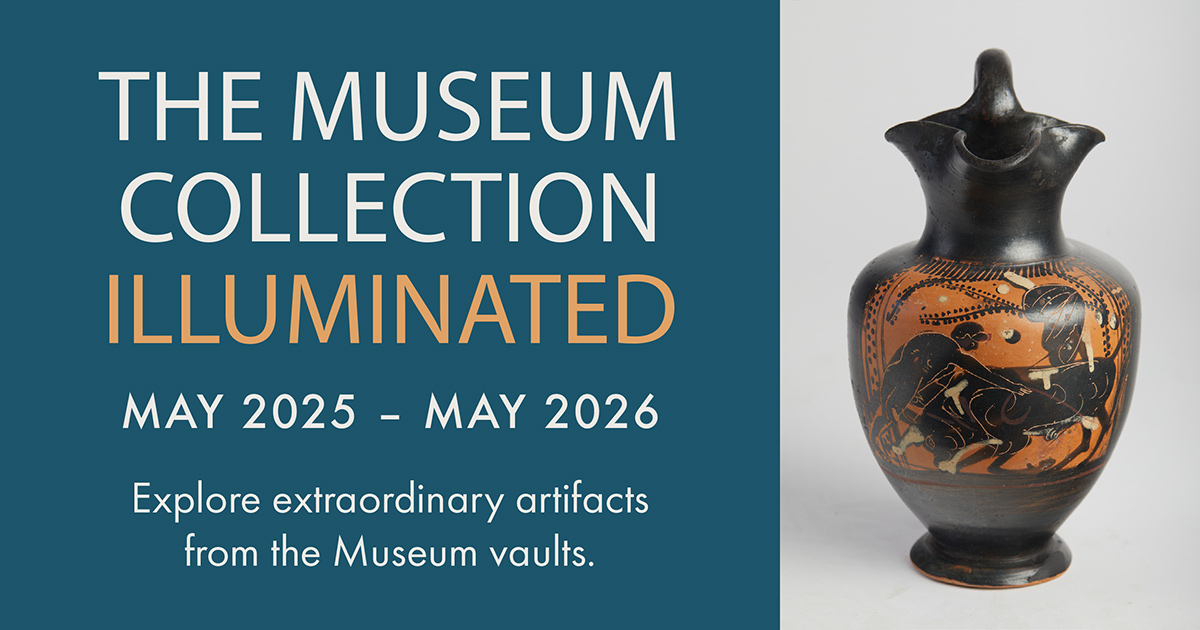
A word graphic for The Museum Collection Illuminated. On the right is a photograph of a dark-coloured ancient pitcher with an image on it silhouetted in orange. Below the exhibit title on the left side text reads,
TEMPORARY EXHIBITION REVEALS TREASURES FROM THE VAULT


Treaty 1 Territory, Winnipeg, Manitoba (May 13, 2025) – A temporary exhibition delving into the “What, Where, How, and Why” of museum collections opens today at the Manitoba Museum.

The Museum Collection Illuminated presents a snapshot of the diverse and extensive work undertaken throughout the Museum’s history of collecting. Research, conservation, exhibitions, and programs are featured in videos showing behind-the-scenes conservation and field work, interpretive panels, and a timeline graphic, alongside answers to frequently asked questions.

“This exhibition explores how and why we have museum collections, what we do with them, and how we preserve them. Visitors will not only gain a better understanding of how and why we collect artifacts and specimens, but also why museums are important cultural institutions.” – Dr. Amelia Fay, Curator of Anthropology and the HBC Museum Collection.

The Museum Collection Illuminated showcases unusual artifacts and specimens, hand-selected from the vaults by the Museum curatorial team for their unique qualities, including an 11lb Giant Puffball mushroom, a gloriously gaudy bison horn chair from the 1880s, a 500 BCE Archaic period wine pitcher, and more.

The exhibition had been displayed previously during the height of COVID restrictions in 2021 at a time when the Museum was subject to closures and restrictions which greatly impacted visitation.

“As we enter our 55th anniversary, its timely to reintroduce this exhibition to allow more visitors the opportunity to experience these significant and breath-taking artifacts and specimens representing the Museum Human and Natural History collections as we continue to celebrate community collaborations, scientific research, conservation achievements, and the continued commitment to public programs at the Museum. – Seema Hollenberg, Director of Research, Collections, and Exhibitions.

The Museum Collection Illuminated is now open in the Manitoba Museum’s Discovery Room and will be on display until May 2026. Entrance into this temporary exhibition is included with a Manitoba Museum All Attraction Pass. Manitoba Museum members and Indigenous Peoples can access this exhibition at no charge. Click here to plan your visit.

-XXX-


Media Inquiries: 

Brandi Hayberg
Manager of Marketing & Communications
BHayberg@ManitobaMusuem.ca