



Posted on: Thursday March 5, 2026
Taxidermy is a great way to preserve animals. While less popular than it used to be, taxidermied specimens are still found in houses, not just in museums!
The techniques and products used to taxidermy a specimen vary greatly depending on when the taxidermy was done and where. While straw is avoided in modern specimens, it is often found in older ones. Nowadays, shapes are manufactured and taxidermists modify them to fit the specimens. However, in the past, they would use different things to shape the animals’ skin and make a sturdy structure. Most have a metal armature inside, with various materials wrapped around it to create the shape the skin is mounted on.
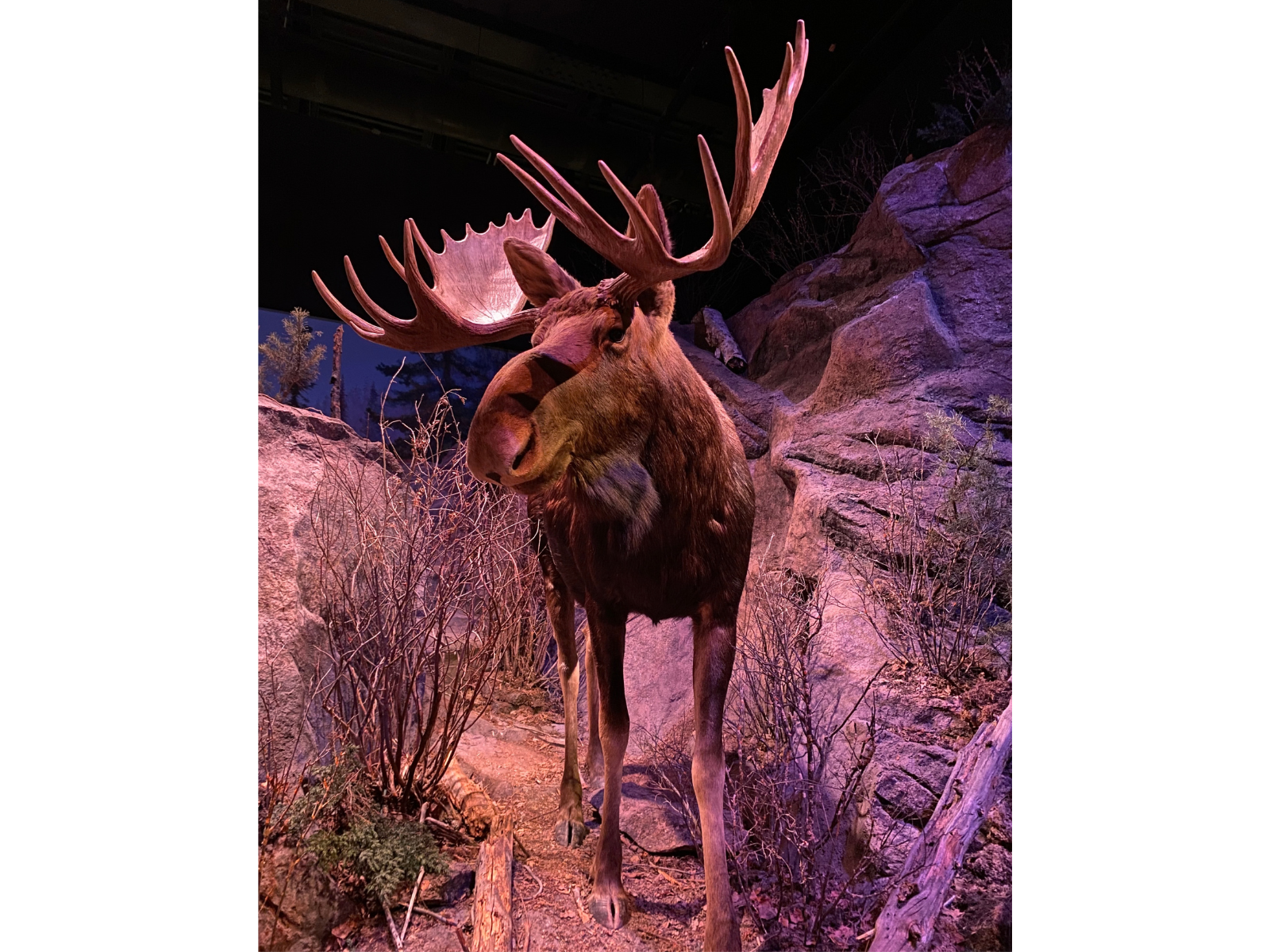
Taxidermy of male moose in the Museum’s Boreal Forest diorama.
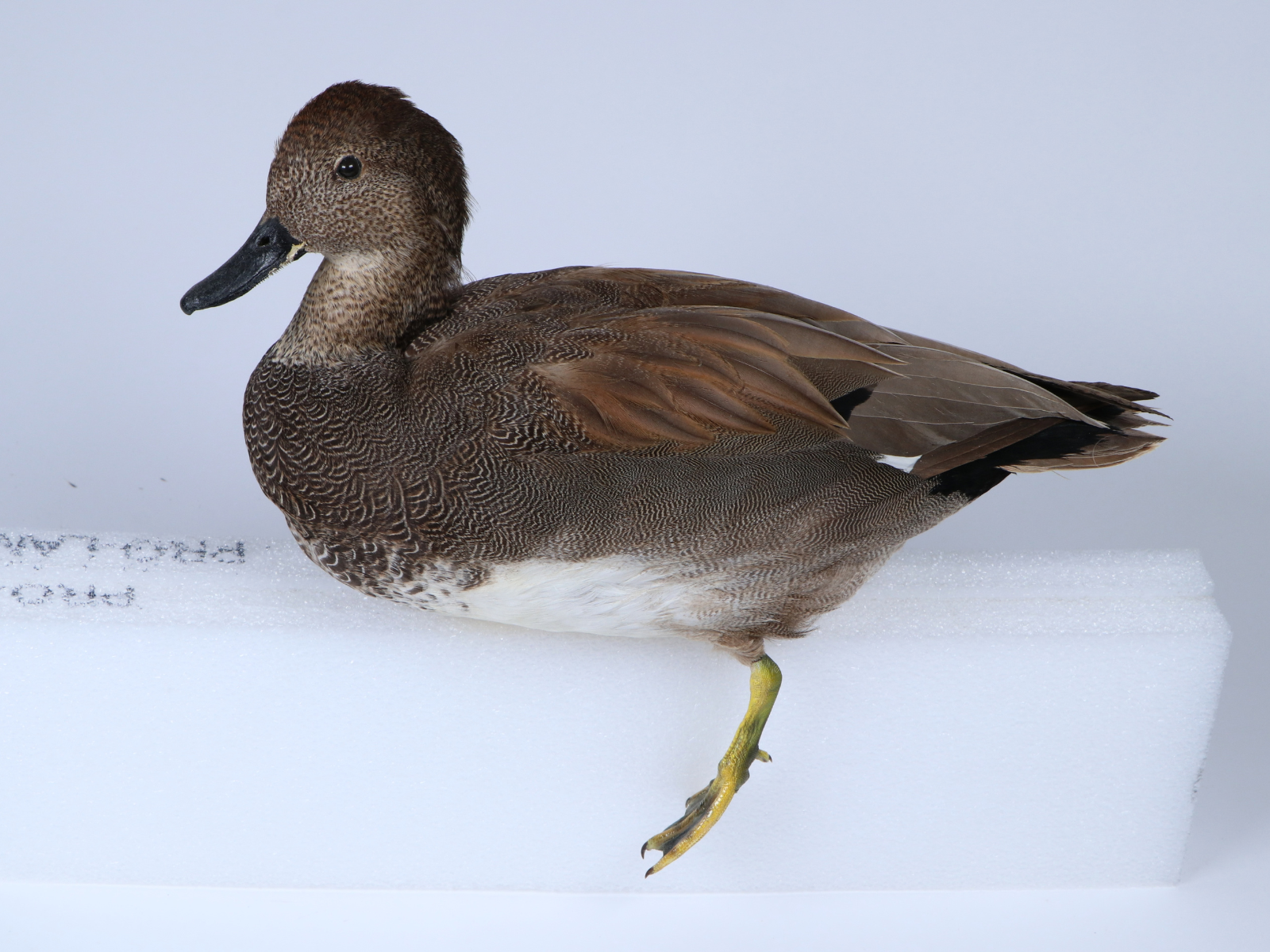
Taxidermy of a Gadwall from the Parklands Gallery’s marsh diorama.
While the taxidermy process keeps the skin from rotting, the passage of time still has an impact on it. If kept in too dry of an environment, the skin loses moisture and cracks appear. In really bad cases; pieces of the skin can fall off. The fur or feathers become brittle and will break when touched. To keep that from happening, keep your taxidermies in an environment around 50% relative humidity when possible.
Taxidermies made before the 80s often had arsenic or other pesticides in them. Arsenic based soaps were used during the preparation process to keep insects at bay. It was a way to make the specimens last longer and in better conditions. We have learnt better since, and those soaps and other dangerous pesticides aren’t used in modern taxidermy anymore. Always keep that in mind when interacting with mounts, and avoid touching them if you aren’t certain that they are pesticide free.
Taxidermies should also be cleaned. Letting dust accumulate on them will damage the fur and feathers, and make the specimen look dull. Using cleaning products or liquids should be avoided as they can damage the specimens! You can gently vacuum specimens with fur (if they are in good condition) or use a microfiber cloth to dust all specimens. Always go in the direction of the fur or feathers! Some specimens can have varnish or paint on their eyes to give them a realistic look, therefore, be careful when cleaning them! Liquids or vigorous dusting can damage the surface layer or remove the colour. Dusting them gently should be enough to maintain a natural look.
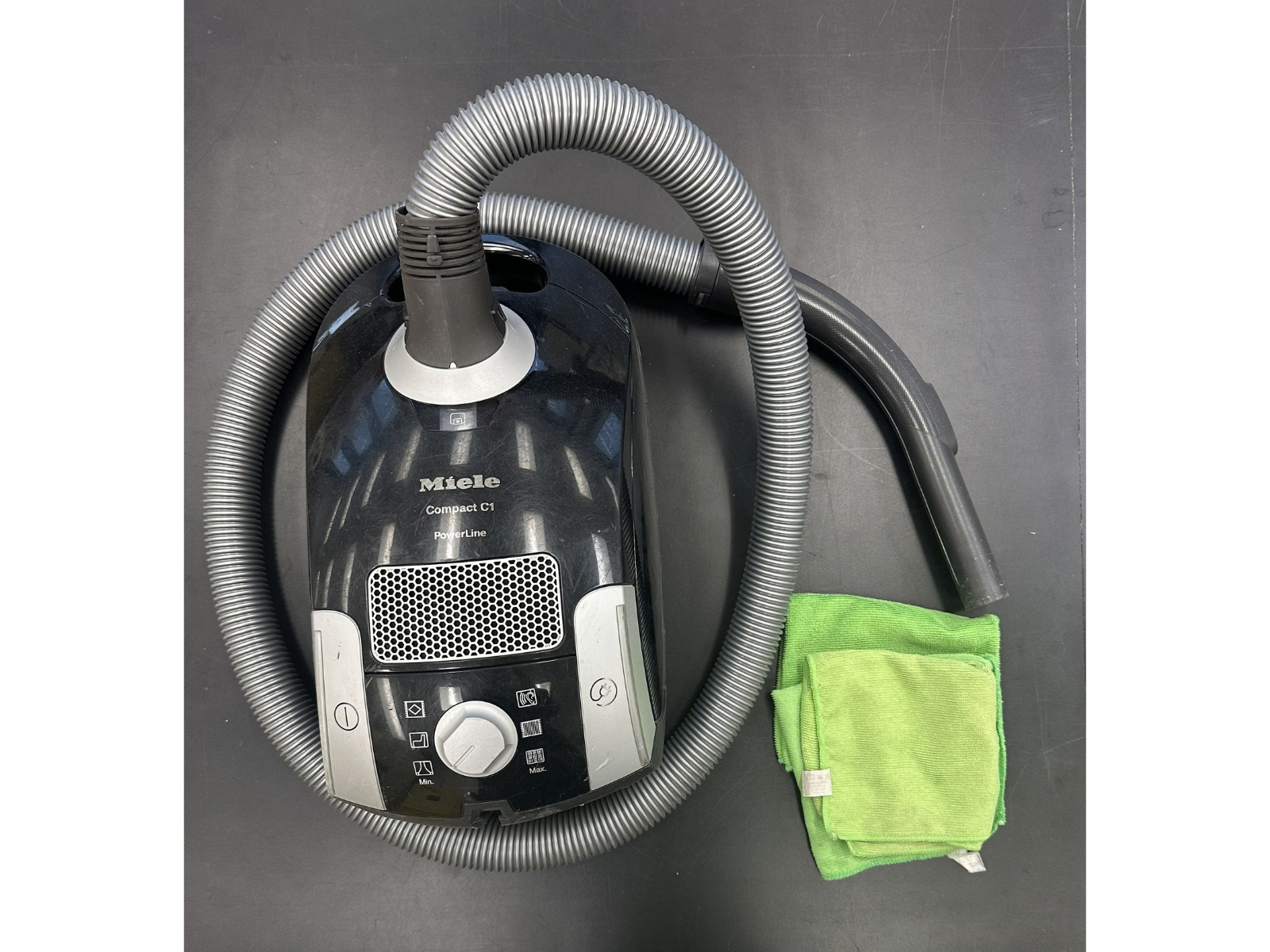
Vacuum and microfiber clothes for cleaning.
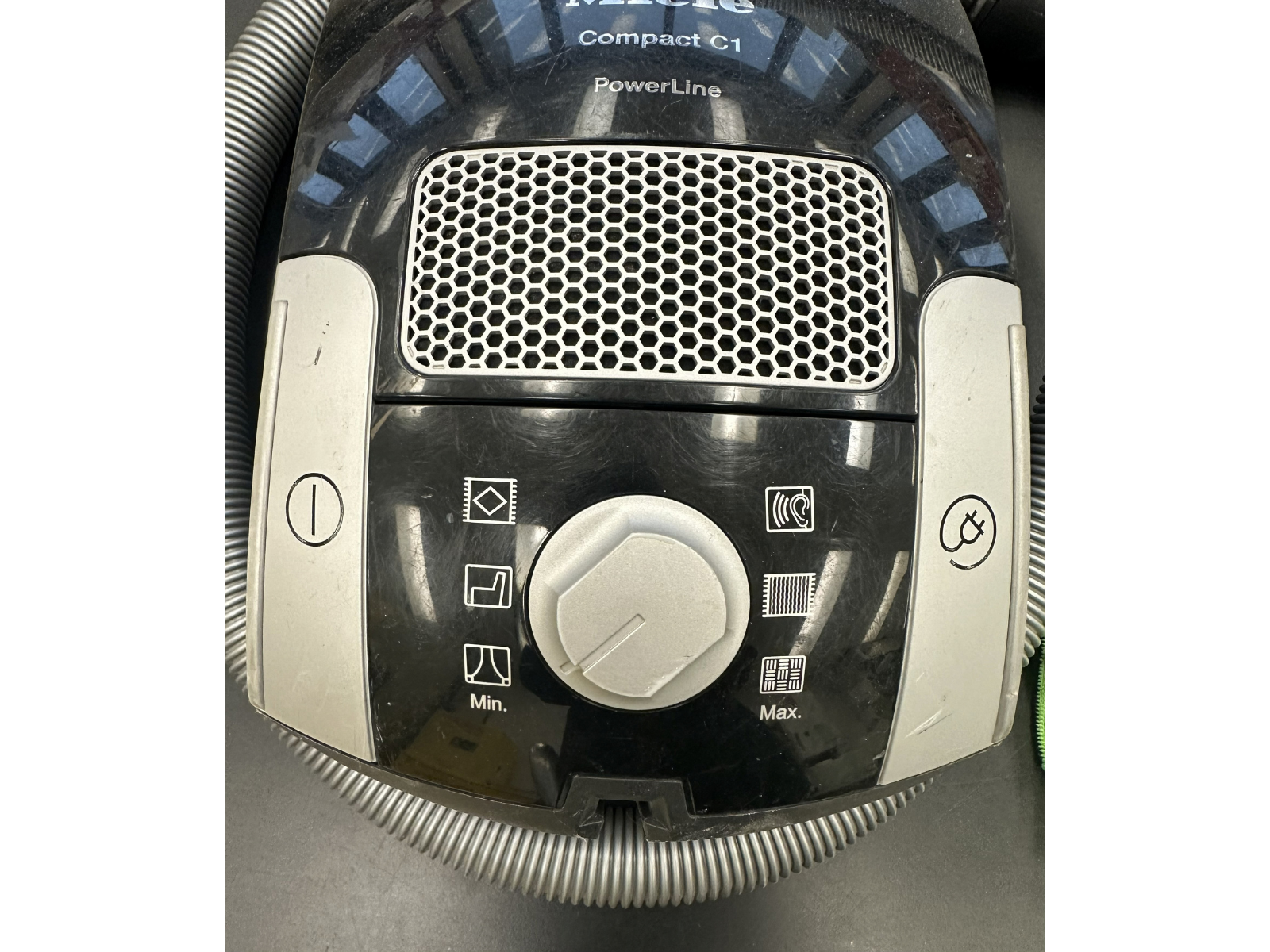
Use the gentlest option on the vacuum to limit potential damage. You can even use mesh on the vacuum head to allow only for dust to be vacuumed.
If you want to keep the colours for as long as possible, keep the specimens out of direct light. UV from light sources and daylight damage the pigments and will cause fading. Some colours fade faster than others so it can take a long time before the colour changes are visible enough for us to see them!