



Posted on: Friday March 13, 2026
Tracking frogs and toads to monitor environmental change.
March doesn’t seem the ideal month to think about looking for frogs and toads; ponds are frozen and amphibians are hibernating underwater or underground. But at the Museum, we are well into planning spring fieldwork that will map where frogs live, discover any changes in occurrence, and explore what that means for our environment. Along with scientists at other institutions, Museum curators work to understand past and present distributions of frogs and toads, providing clues about Manitoba’s future.
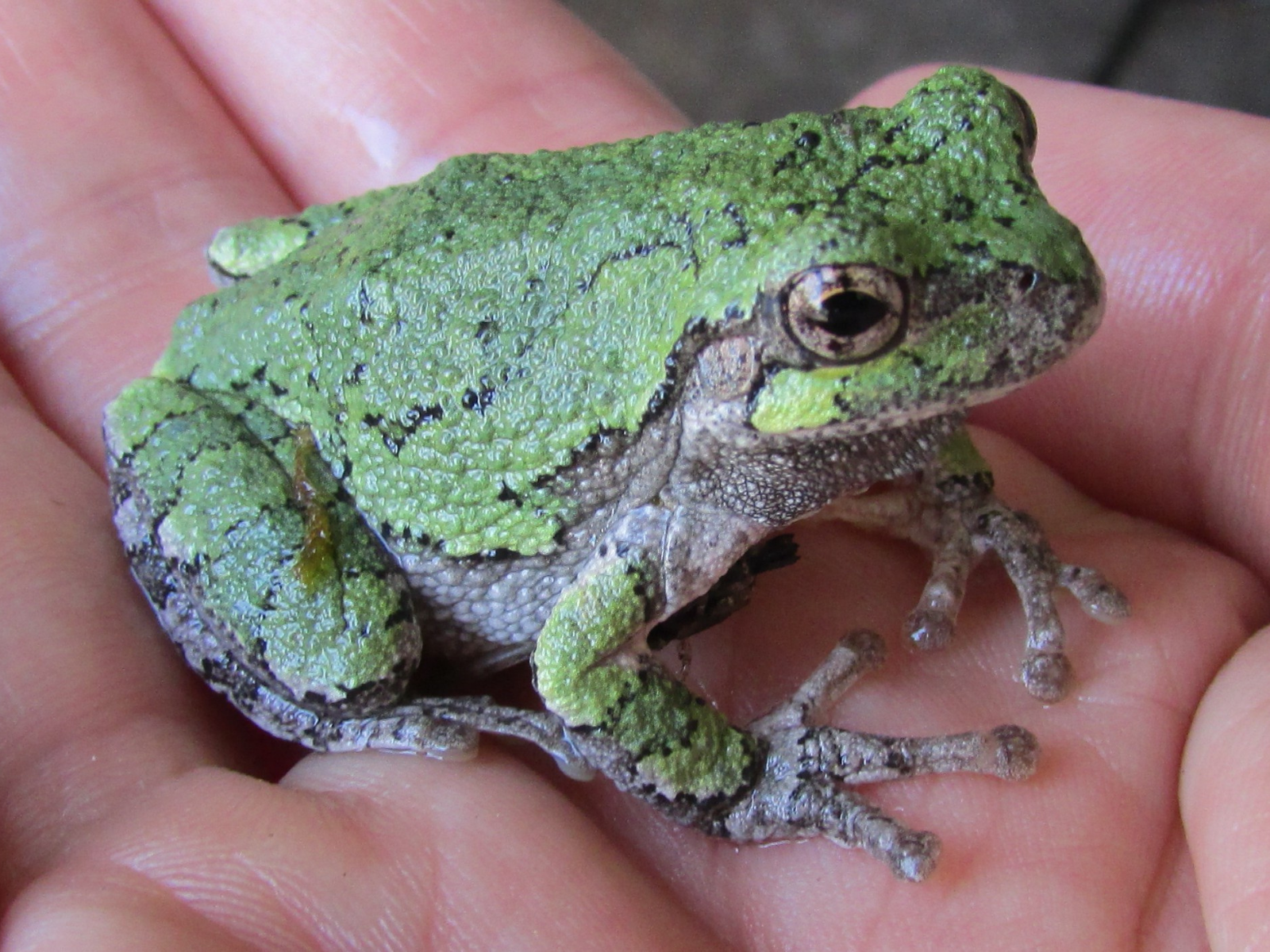
Museum surveys carried out since 2008 suggest that gray treefrogs have been gradually moving north in the Manitoba Interlake region, perhaps in response to climate change. This individual, about 40 mm long, is from the northernmost population near Grand Rapids. ©Manitoba Museum
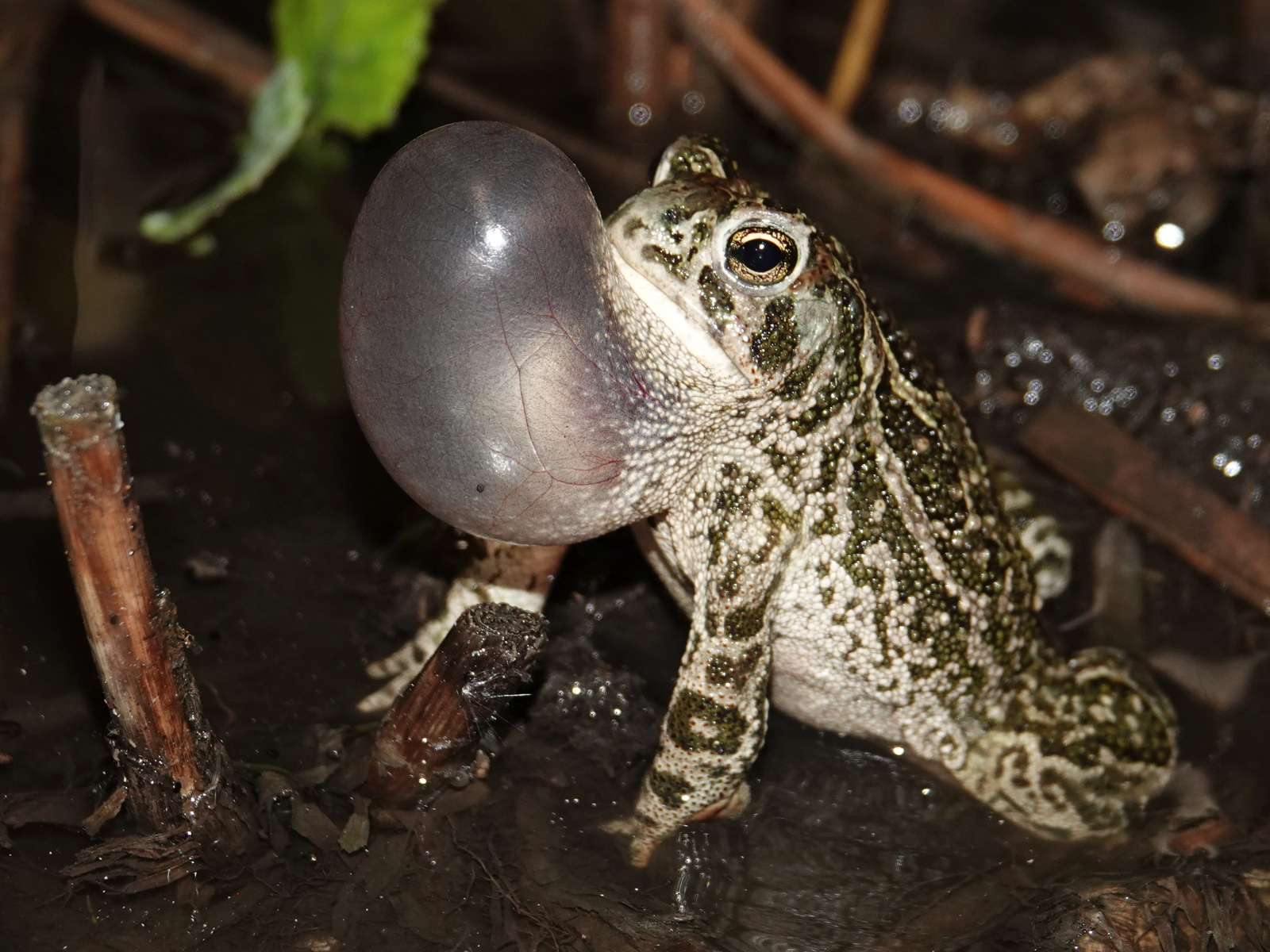
A male Great Plains toad just outside of Melita, its vocal sac expanded while calling for a mate. In Manitoba, they are found only in the extreme southwest. Museum surveys have discovered new locations for this threatened species. ©R. Mooi
Museum Collections and Surveys Fill Knowledge Gaps
Scientists and conservation managers often have surprisingly limited information on many Manitoban animals, sometimes even including where they can be found! Museum collections are valuable because they retain physical records of the occurrence of species over many years, providing data to build distribution maps of less frequently encountered groups, like frogs and toads. Researchers, including those at the Museum, have applied these data to plan surveys to search for undiscovered populations with great success. The known ranges of some of our frogs have been extended by hundreds of kilometres! Knowing where species live is a critical first step for any conservation strategy.
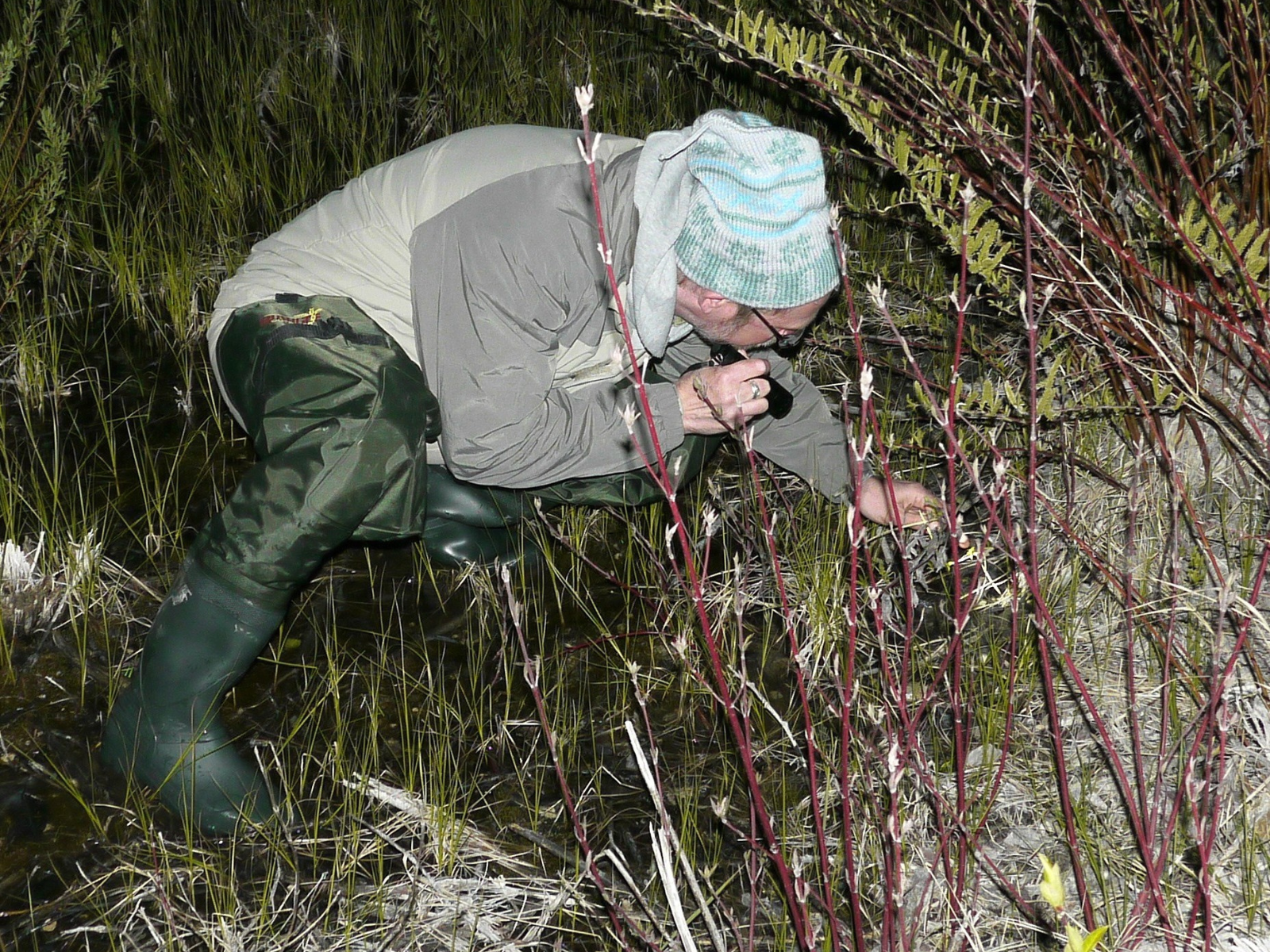
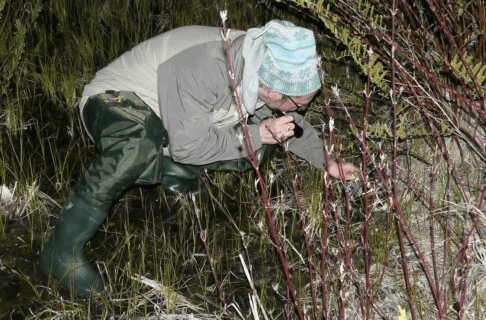
Curator of Zoology Randy Mooi capturing a spring peeper on a cold May night at 10 pm near Matheson Island. Frogs and toads call mostly from dusk to dawn and surveys follow that schedule, making for long days. ©P. Taylor
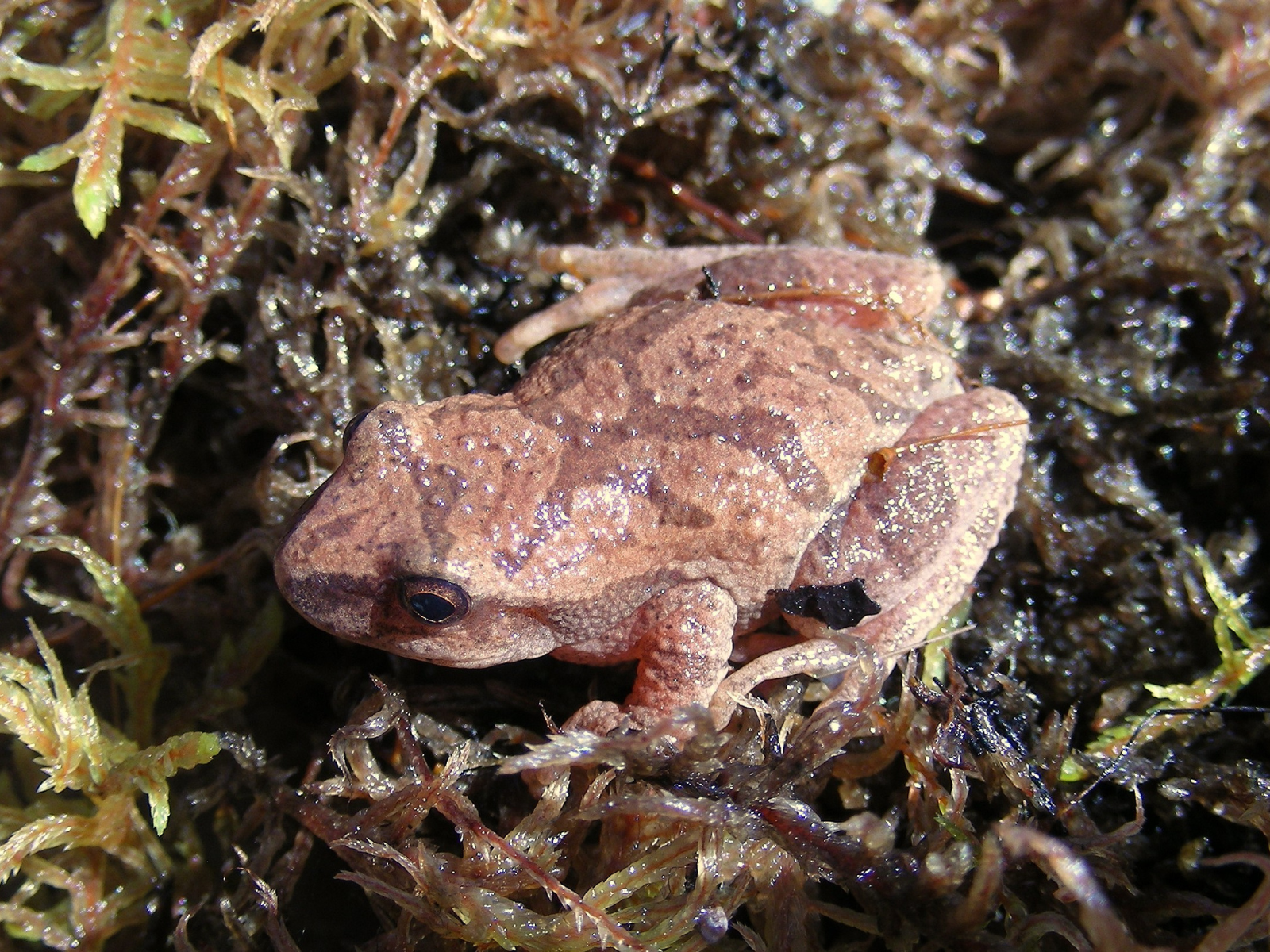
A spring peeper, one of our smallest frogs, only 30 mm long. This one was found 35 km northeast of Flin Flon during Museum fieldwork, and is the most northern record for this species in Manitoba. ©Manitoba Museum
Distribution Studies Monitor Change
The Museum’s research collections and field surveys provide baseline data for where species occur at specific times and places. When surveys are performed over several years, changes in distribution can be monitored. Because frogs and toads are particularly sensitive to environmental conditions, monitoring their populations can help detect the impact of climate change, habitat loss, or other factors. Museum frog research contributes to understanding Manitoba ecosystems and informs strategies and policies for responsible ecological stewardship.
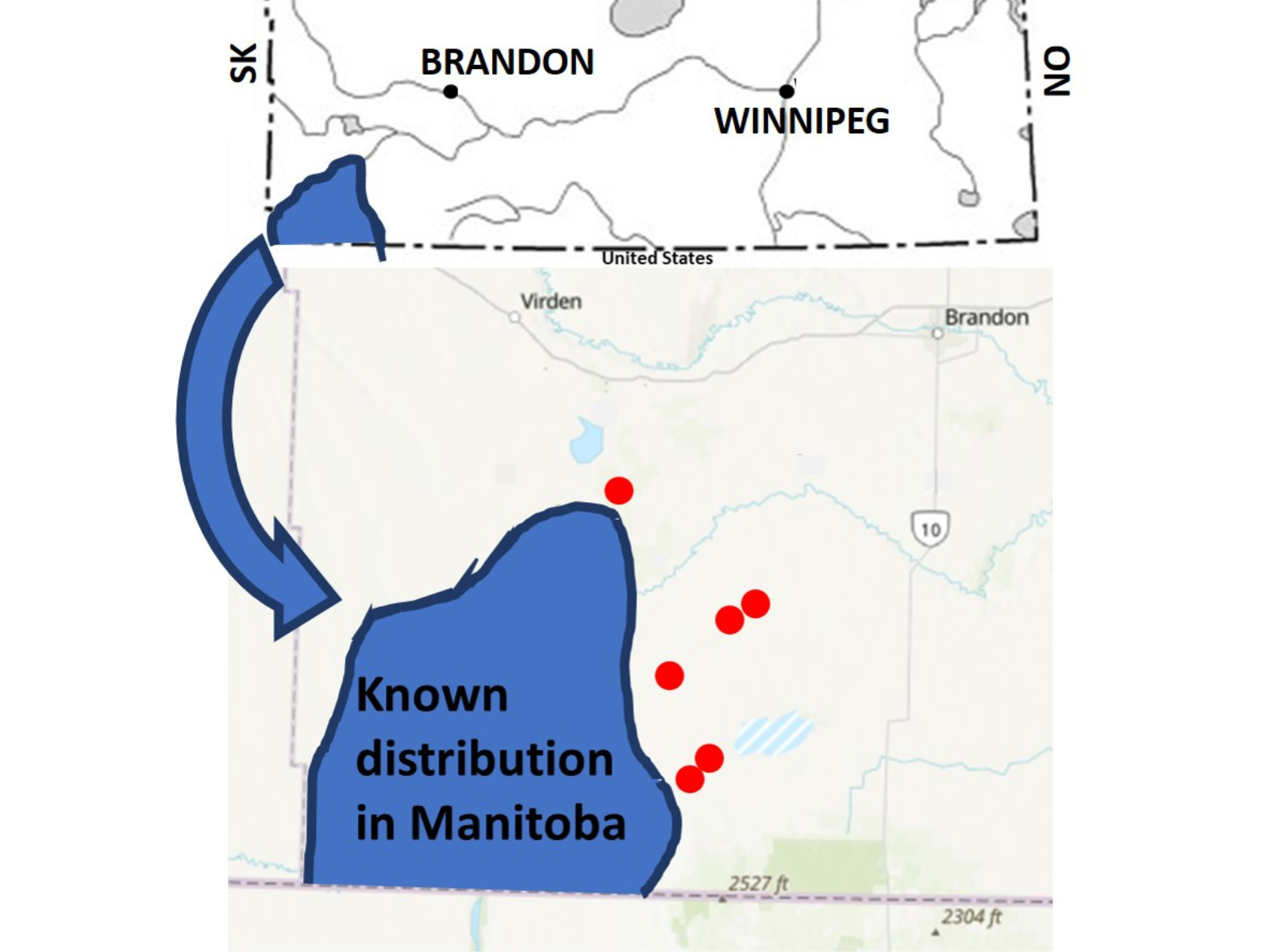
Image: The previously known range of the threatened Great Plains toad (in blue) in extreme southwestern Manitoba. Museum surveys for calling males have found new locations (red dots) to the north and east, contributing to knowledge of its habitat requirements. ©Manitoba Museum