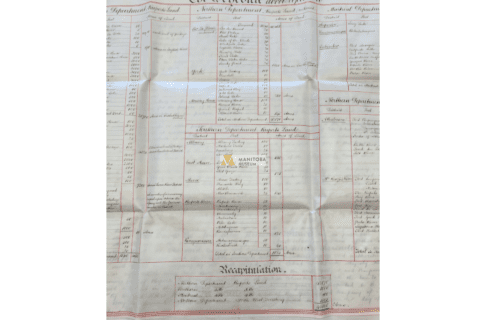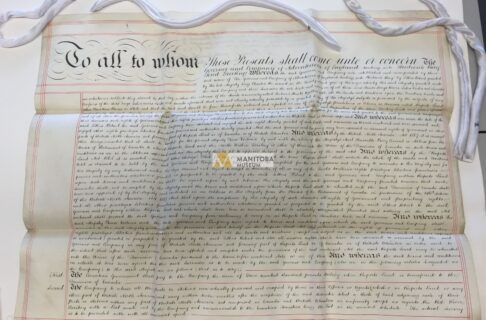

Photograph of a large sheet of paper filled with very formal cursive writing. The writing starts off, “To all whom these presents shall come unto, or concern, the Governor and Company of Adventurers of England,”.
February 17, 2017

Legacies of Confederation: The Document that Shaped Canada

Legacies of Confederation: The Document that Shaped Canada 

2017 marks Canada’s 150th birthday, and to commemorate this anniversary all seven museum curators collaborated on the creation of an exhibit that really highlights what was happening here in Manitoba at the time of Confederation, and the effects of this political shift. Our Legacies of Confederation: A New Look at Manitoba History opened last week, and runs throughout 2017 so you’ll have plenty of time to check it out. 

As with any exhibit, there is never enough space to tell all of the stories we want. Instead, each curator will be blogging about an artifact or specimen in the exhibit, or perhaps things that didn’t make it into the exhibit. This post falls into the latter category, as I had the fantastic opportunity to view what I think is one of the most important documents for Canadian history and one that shaped Canada as we know it today. 

Last summer during my UK research trip I made a stop at the National Archives in Kew specifically to view this document.  I had made an appointment in advance (always advised!) but was very excited to finally visit this incredible institution. 

What document am I talking about?  The Deed of Surrender (ref # CO42/694).  This document outlines the sale of Rupert’s Land (which King Charles II granted the Hudson’s Bay Company in 1670) to the Canadian Government.  And here’s why this document is so important, look at this map of Rupert’s Land territory and just think about how different our beloved Canada would look if this transaction had not taken place!

Exterior of the national Archives in Kew, UK.

National Archives (UK)

A map of Rupert's Land overlaid over the continent of North America.

Rough outline of Rupert’s Land (grey area). 

The Deed was signed November 19th, 1869 but due to some political disruption right here in Red River, it did not come into effect until July 15, 1870, the same day as the Manitoba Act.  The HBC received £300,000 for the land and was able to keep some land along what was called the ‘fertile belt’ (an area bounded by the 49th parallel to the south, the Rockies to the West, the North Saskatchewan River, and Lake of the Woods to the east).  HBC was also able to retain the lands around their trading posts and was guaranteed the right to trade without taxation. 

Some might ask why HBC was willing to sell their vast empire for such a small price, it seems like a lot of money (especially in those days) but when you consider the natural resources of this 3.9 million square kilometers (roughly 1/3 of Canada today) territory, Canada got it for a steal.  Especially when you look at what the US paid Russia for Alaska in 1867, a whopping $7.2 million!

So, what motivated the HBC to go along with this? 

Since this post is already lengthy I’ll give you an over-simplified answer.  HBC had no interest in governing or additional colonies throughout the territory (to get the full, fascinating scoop I highly recommend HBC Heritage Services and the Canadian Encyclopedia. 

How did a very newly formed Canada afford what has been considered the largest real estate transaction in Canadian history?

They received a loan from Britain to facilitate the deal.  Hence, the Deed of Surrender is a British Document regarding a transaction between the Crown and a British company, which is why the original is preserved for us at Kew. 


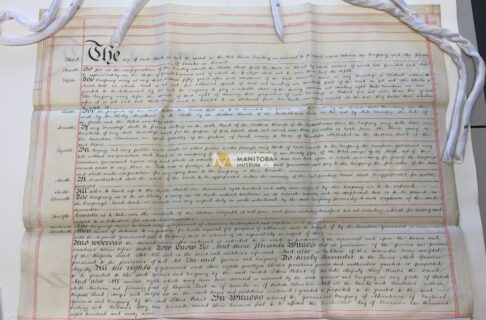
A note on the document: the three pages of vellum are stitched together and the entire thing folds into a pouch (which is why there are creases on each page).  My photos have been watermarked at the request of the archives, but if you’re not in the UK and want to see the Deed the HBC Archives has a copy. 

Middle section of the first page, outlining the territories included in the surrender.

Photograph of a large sheet of paper filled with very formal cursive writing. Points of the deed are numbered in the left margin, third through fourteenth.

Page 2 of the Deed 

Photograph of a large sheet of paper filled with very formal cursive writing. The writing starts off, “To all whom these presents shall come unto, or concern, the Governor and Company of Adventurers of England,”.

Page 3 of the Deed, the price and date can be seen at the bottom 

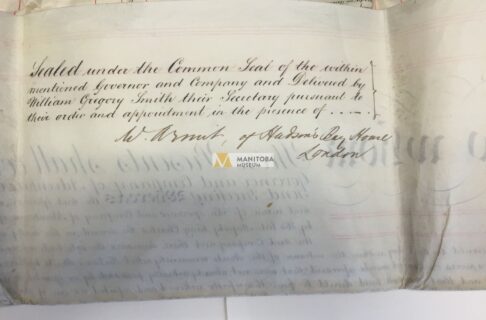
Photograph of the basckside of a folded piece of paper with formal cursive writing and signatures on it, starting, “Sealed under the Common Seal of the within mentioned Governor and Company”.

Even the folded parts to form the pouch contain relevant information and signatures.

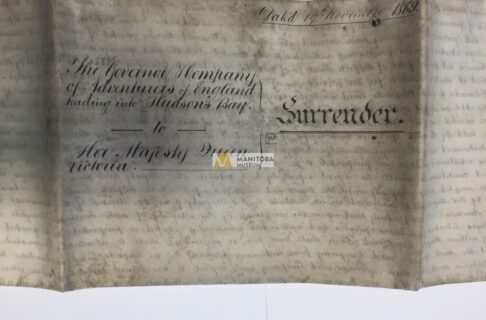
Photograph of the front side of a folded set of papers. Formal cursvie reads, “The Governor and Company of Adventurers of England trading into Hudson's Bay / to / Her Majesty Queen Victoria. / Surrender”. In the upper right corner reads, “Dated 19th November 1869”.

The front of the pouch.

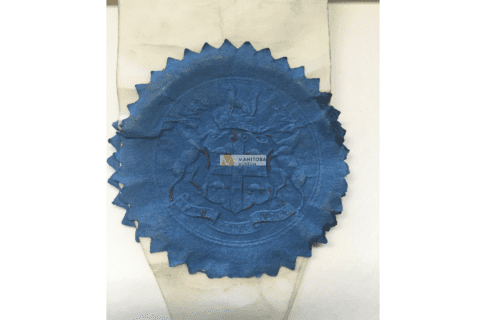
A blue seal with a crest bearing two rearing elks either side of a shield with four beavers on it.

The back of the pouch, sealed with a crest. 

Dr. Amelia Fay

Dr. Amelia Fay

Curator of Anthropology & the HBC Museum Collection

Amelia Fay is Curator of Anthropology and the HBC Museum Collection at the Manitoba Museum. She received her BA in Anthropology from the University of Manitoba (2004), an MA in Archaeology…
Meet Dr. Amelia Fay

Legacies of Confederation: The Participation Awards!

Medals that commemorate important events in a nation’s history fill every history museum collection around the planet. Collectors and antique traders adore medals, but let’s be honest: when they’re on display they don’t have the impact of a giant dinosaur skeleton. Medals are small. But that didn’t stop politicians and government officials from clamouring for shiny objects when Canadian Confederation was officially enacted in 1867.

In our exhibit “Legacies of Confederation: A New Look at Manitoba History” we have on display not one, but two Confederation medals, minted in 1869, that commemorate the founding moment of the Dominion of Canada.

The Confederation Medal is seemingly the first honour of Canada, approved by Queen Victoria in 1868. John A. Macdonald himself, then Prime Minister of Canada, signed the recommendation on behalf of the Minister of Justice and ordered 551 medals: “One Gold [for the Queen], fifty Silver and five hundred Bronze Medals, without delay.” After a delay of a year or so the medals were delivered, and given out to various institutions and VIPs around Canada, which was comprised at the time of Ontario, Quebec, Nova Scotia and New Brunswick. But these medals were not meant to be worn. They sat in small boxes or stands on desks and shelves, proof of the importance of their owners.

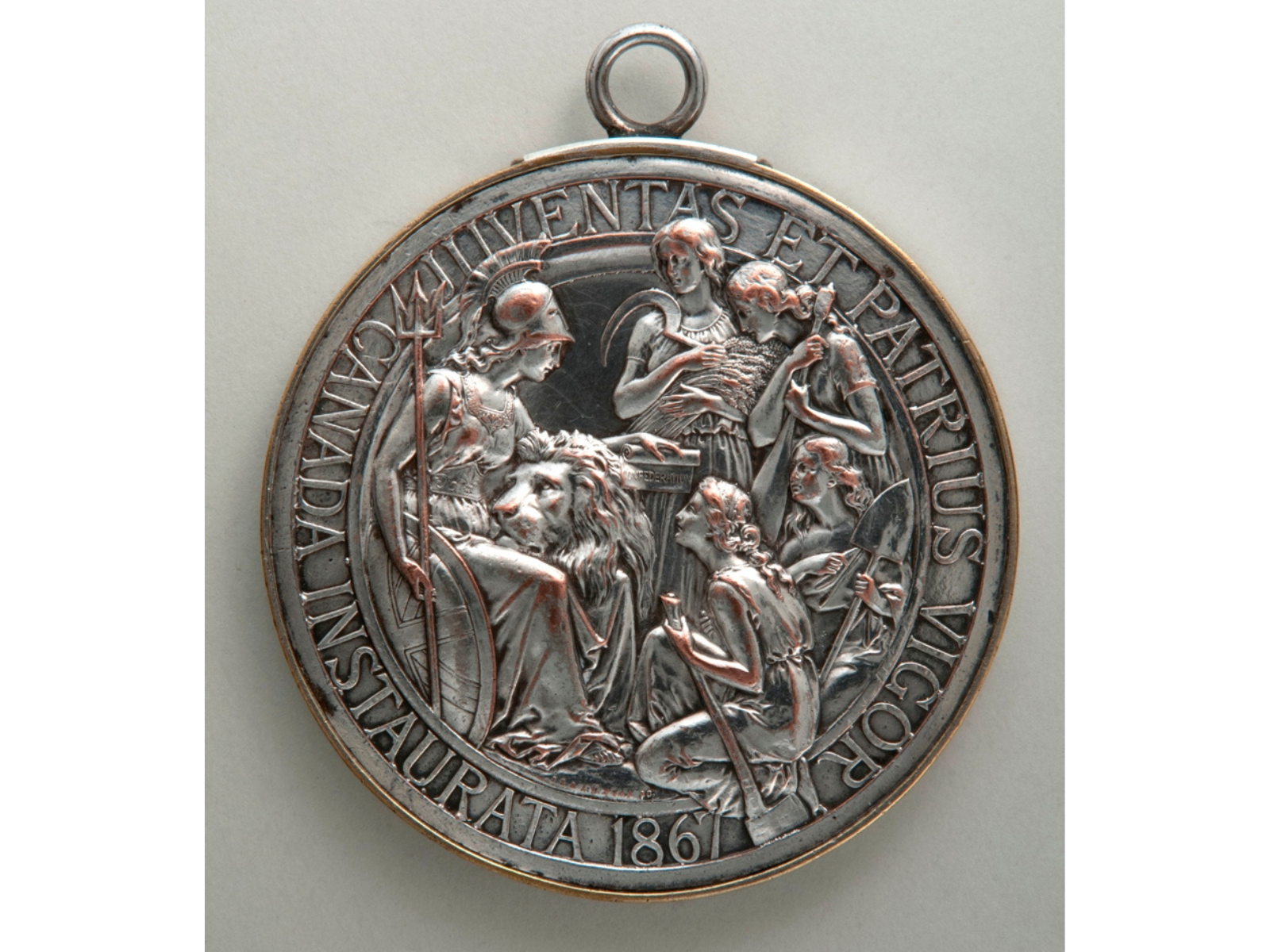
Close up of a Confederation medal showing "Britannia" wearing a helmet and with a lion at her feet resting its head on her knee, surrounded by four women.

Confederation Medal (reverse), 1869. The woman on the left represents “Britannia”. The girls, her subjects, represent Ontario (sickle for agriculture); Québec (canoe paddle for trade); Nova Scotia (shovel for coal mining); and New Brunswick (axe for forestry). H9-37-134. © The Manitoba Museum.

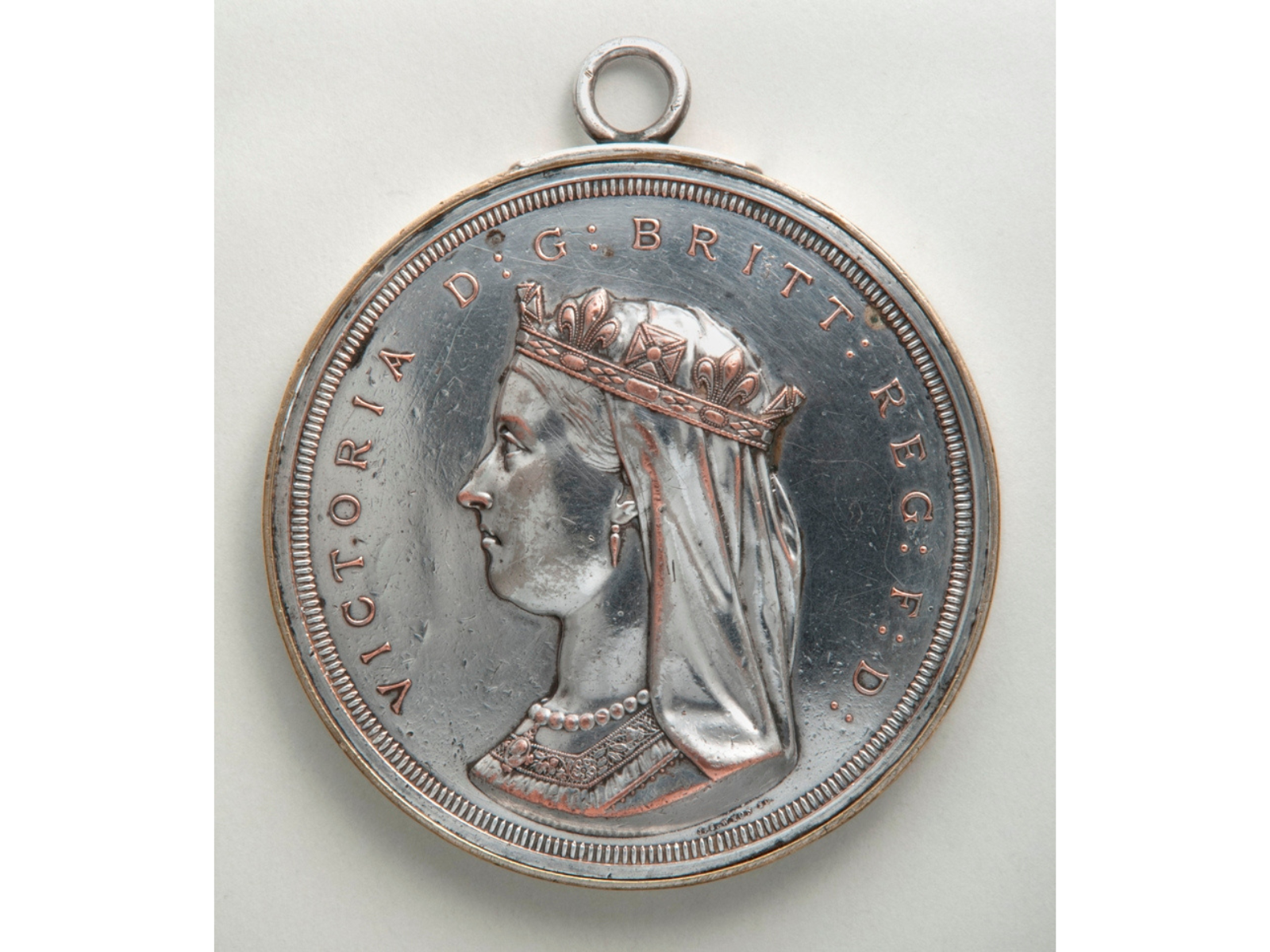
Obverse side of a Confederation medal showing a profile of Queen Victoria wearing a crown. Text encircling her on the medal reads, "VICTORIA D: G: BRIT: REG: F: D:".

Confederation Medal (obverse), 1869. H9-37-134. © The Manitoba Museum.

Queen Victoria of England is shown on the front, or “obverse” of the medal. The imagery on the reverse side is a bit strange for a proud young nation. The woman on the left represents “Britannia”. The girls, her subjects, represent Ontario (sickle for agriculture); Québec (canoe paddle for trade); Nova Scotia (shovel for coal mining); and New Brunswick (axe for forestry). While the symbolism of the time indicated loyalty, to the modern mind it might look like the relationship between the infant Dominion of Canada and the British Empire was based on resource exploitation, and that Canadians were subservient, immature subjects to the Crown.

Around the perimeter of the medal is a Latin phrase: Canada Instaurata 1867 Juventas et Patrius Vigor (Canada Inaugurated 1867, Youth and Patriotic Strength).

The first four provinces are represented on the medal, and rightly so, but what Confederation meant for the rest of the continent was not in evidence. After all, the year 1869, when the medals were completed, is also the year when Canada acquired Rupert’s Land from the Hudson’s Bay Company. This was quickly followed by surveyors who trespassed on the land of Métis farmers at Red River, which resulted in a swift and bold resistance movement. The medal and its message were eclipsed by events Confederation itself had set in motion.

One legacy of Confederation is the Treaties that were negotiated by First Nations leaders and the Canadian government. Confederation and the numbered Treaties are intimately linked. It makes sense then that the first Treaty medal (made for Treaty Nos. 1 & 2) was a version of the Confederation medal. It has an extra ring around its centre that reads “Dominion of Canada Chiefs Medal 1872” on the obverse and “Indians of the North West Territories” on the reverse. These medals were rejected by Indigenous leaders because the silver plating wore off and they were considered too cheap for the meaning that they conveyed. This medal was replaced by a sterling silver Treaty medal with a new design.

Dr. Roland Sawatzky

Dr. Roland Sawatzky

Curator of History

Roland Sawatzky joined The Manitoba Museum in 2011. He received his B.A. in Anthropology from the University of Winnipeg, M.A. in Anthropology from the University of South Carolina, and Ph.D. in Archaeology…
Meet Dr. Roland Sawatzky

Legacies of Confederation: Manitoba, a New Homeland

After Manitoba entered Confederation in 1870 and the Canadian government negotiated Treaty No. 1 with First Nations leaders, Canada began to actively engage potential immigrants to settle and farm the prairies. The first two groups that arrived in large numbers were English speaking Ontarians and German speaking Mennonites from eastern Ukraine. This first large wave of immigration to Manitoba would begin the irrevocable transformation of the environment and the economy of the province forever. The success of the Mennonites in particular may have helped open the door to other immigrants who did not speak English and had different religious backgrounds compared to the English Protestants and French Catholics who dominated political life in Canada. Icelandic, Jewish, Ukrainian, and many immigrant groups from Eastern Europe began entering the province by the 1880s.

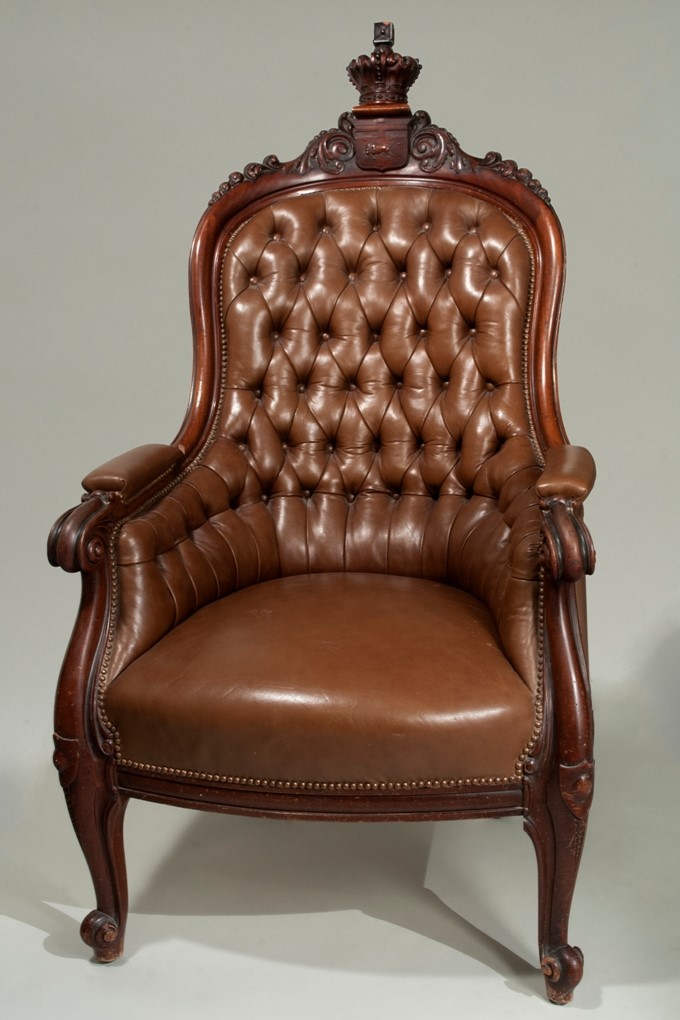
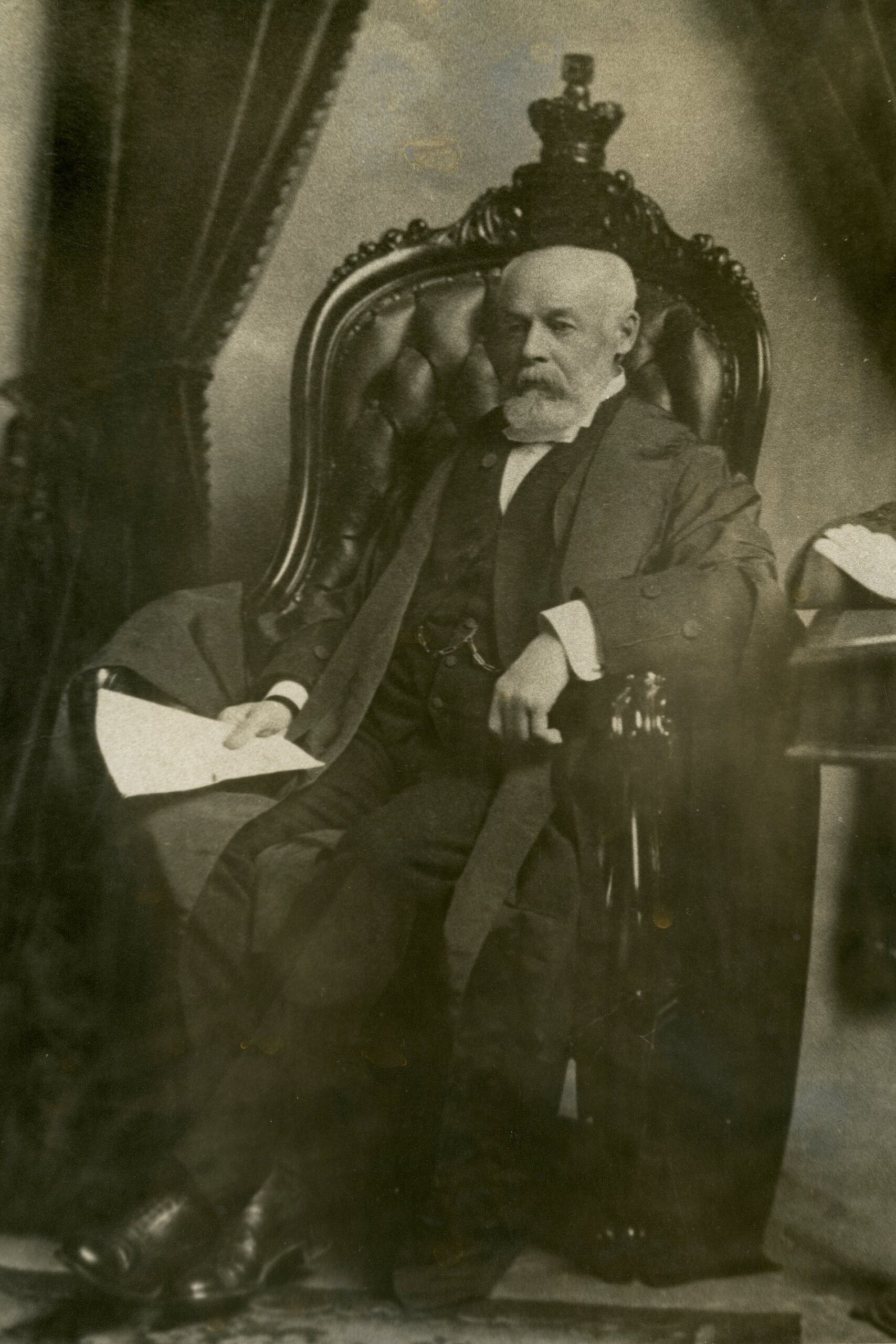
Our new exhibit “Legacies of Confederation” features a number of personalities, including William Hespeler (1830-1921) who played an incredibly important role in immigration from the 1870s to the 1890s. The exhibit features his Speaker’s Chair, used in the Manitoba Legislative Building between 1900 and 1903. In 1899 Hespeler entered provincial politics, winning the rural seat of Rosenfeld. In 1900 he was chosen as the Speaker of the Legislative Assembly, which he held for three years before retiring. The carved wooden armchair was built for his position as Speaker and he retained it after he left politics. It has been handed down to generations of his descendants since he died in 1921. The chair was donated to the Manitoba Museum in 2016 by his great-great-grandson Michael Boultbee of Victoria, BC.

An ornate, brown leather claw-foot armchair with a wooden crest and crown embellishing the top of the seat back.

William Hespeler Speaker’s Chair, 1900, wood and leather. H9-38-512, copyright Manitoba Museum, photograph by Rob Barrow.

A sepia-toned photograph of a white beared man wearing a three-piece suit seated in an ornate armchair and holding papers in his right hand.

William Hespeler seated in the Speaker’s Chair, ca. 1903. Courtesy Jeremy Hespeler-Boultbee.

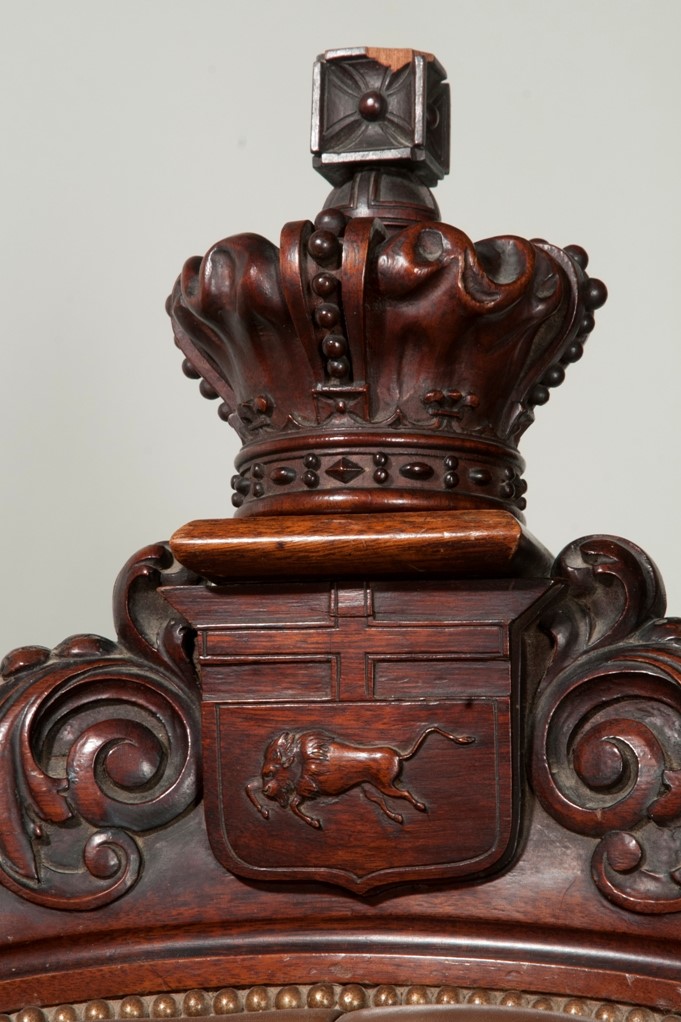
Detail f the wooden crest rail along the back of the arm chair. Displays a crest containing the cross of St George with a running bison below it, and a crown atop the crest.

Detail of crest rail, including the seal of Manitoba (Bison and English Cross of St. George) surmounted by a large crown. This symbolizes the power of the Speaker as an authority in the Legislative Assembly and the role of Manitobans as subjects under the British crown. H9-38-512, copyright Manitoba Museum, photography by Rob Barrow.

Hespeler was born to a wealthy family in Baden, Germany and moved to Berlin, Canada West (that is, Kitchener, Ontario) in 1850. After business success in establishing mills and distilleries in Canada, he moved back to Baden with his sick wife Mary Keatchie in 1872.

In Baden, Hespeler was informed by the Canadian government that a large population of Mennonites had grown dissatisfied in their colonies in Ukraine. Many felt their religious freedoms were being threatened as a new schooling system and military service were enforced. Mennonites were looking to emigrate, and the Canadian government hoped they might migrate to farm the lands of southern Manitoba. Hespeler went to Ukraine and convinced Mennonite delegates to visit southeastern Manitoba in 1873, which led to the migration of 7000 Mennonites to Manitoba. Along with Anglo-Ontario settlers, this comprised the first wave of mass migration into the province. It would also set the stage for more waves of Mennonite migration to Canada in the 20th Century. Not only did Mennonite settlement in Manitoba help prove the viability of farming on the open prairie, it also had long term effects for Mennonite populations around the world, as they realized Canada could be a safe homeland.

After this success William Hespeler was appointed as dominion immigration agent for Manitoba and the North-West Territories. As such he assisted with the immigration of Icelanders, Germans, and Jewish refugees. He planned the village of Niverville, establishing what might be Canada’s first grain elevator. He also managed the Manitoba Land Company, and acted as the German consul for Manitoba.

William Hespeler worked diligently to provide Manitoba with immigrant farmers after the province joined Confederation and Treaty No. 1 was signed in 1871. Since then Canada and Manitoba have had varying degrees of openness to immigrants and refugees, but certainly one of the legacies of Confederation for Manitoba is the creation of a society that largely welcomes and values the contributions of newcomers.

Dr. Roland Sawatzky

Dr. Roland Sawatzky

Curator of History

Roland Sawatzky joined The Manitoba Museum in 2011. He received his B.A. in Anthropology from the University of Winnipeg, M.A. in Anthropology from the University of South Carolina, and Ph.D. in Archaeology…
Meet Dr. Roland Sawatzky

Everything you know about taste is wrong

Tasting is something we do everyday but many of the things we think we know about taste are actually wrong. So let the debunking begin!

Myth #1: You taste food with your tongue.

Fact: Your sense of taste involves your tongue AND your nose. When you are sick with a cold, food doesn’t taste very good. This is not because your taste buds aren’t working – it is because your nose isn’t working. To test this, close your eyes, plug your nose and pop a flavoured candy in your mouth. Can you tell which flavour it is? Then unplug your nose and see if you know. What you are experiencing when you unplug is retronasal olfaction (or smelling the back of the nose). Many flavours in food are released as gases while you chew, which then waft into your nose through the back of your mouth. In fact 80% to 90% of what we “taste” is actually detected by your nose.

Myth #2: There are four basic tastes.

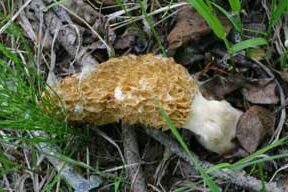
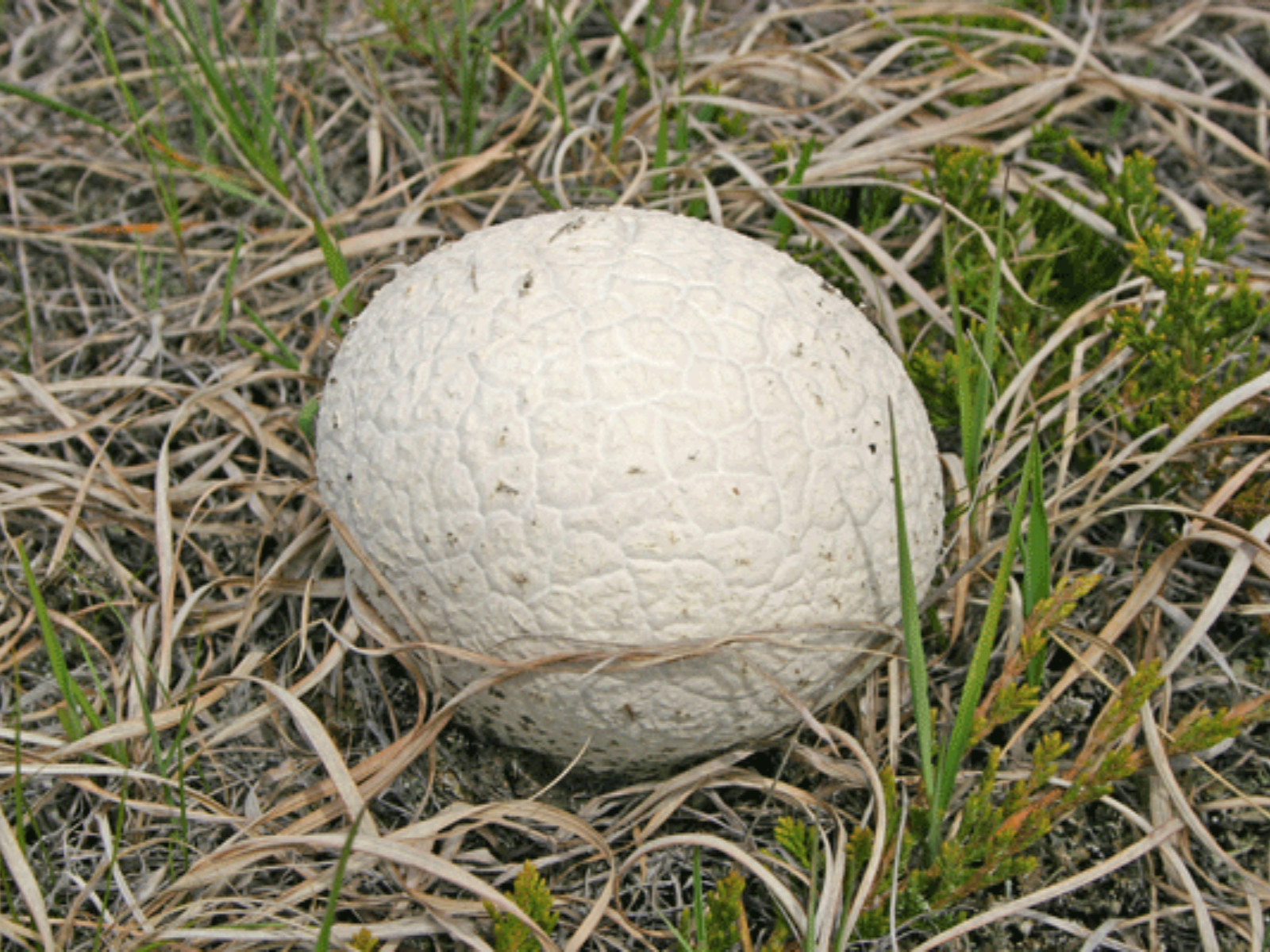
A round, white Puffball mushroom growing among mostly dry grass.

Fact: There are actually at least five tastes: salty, sweet, sour, bitter, and umami. Umami (Japanese for “pleasant, savory taste”) is probably the term you are unfamiliar with. Umami is the rich, earthy taste you get from foods containing natural glutamate such as seaweed, fish sauce, meat, mushrooms, aged cheese, and even breast milk. Monosodium glutamate (MSG) is a common additive used to add umami taste to food. Although umami was discovered by a Japanese chemist in 1908, it wasn’t accepted as a fifth taste (it was thought to be a flavour enhancer) until 2009 when glutamate receptors were discovered on the human tongue.


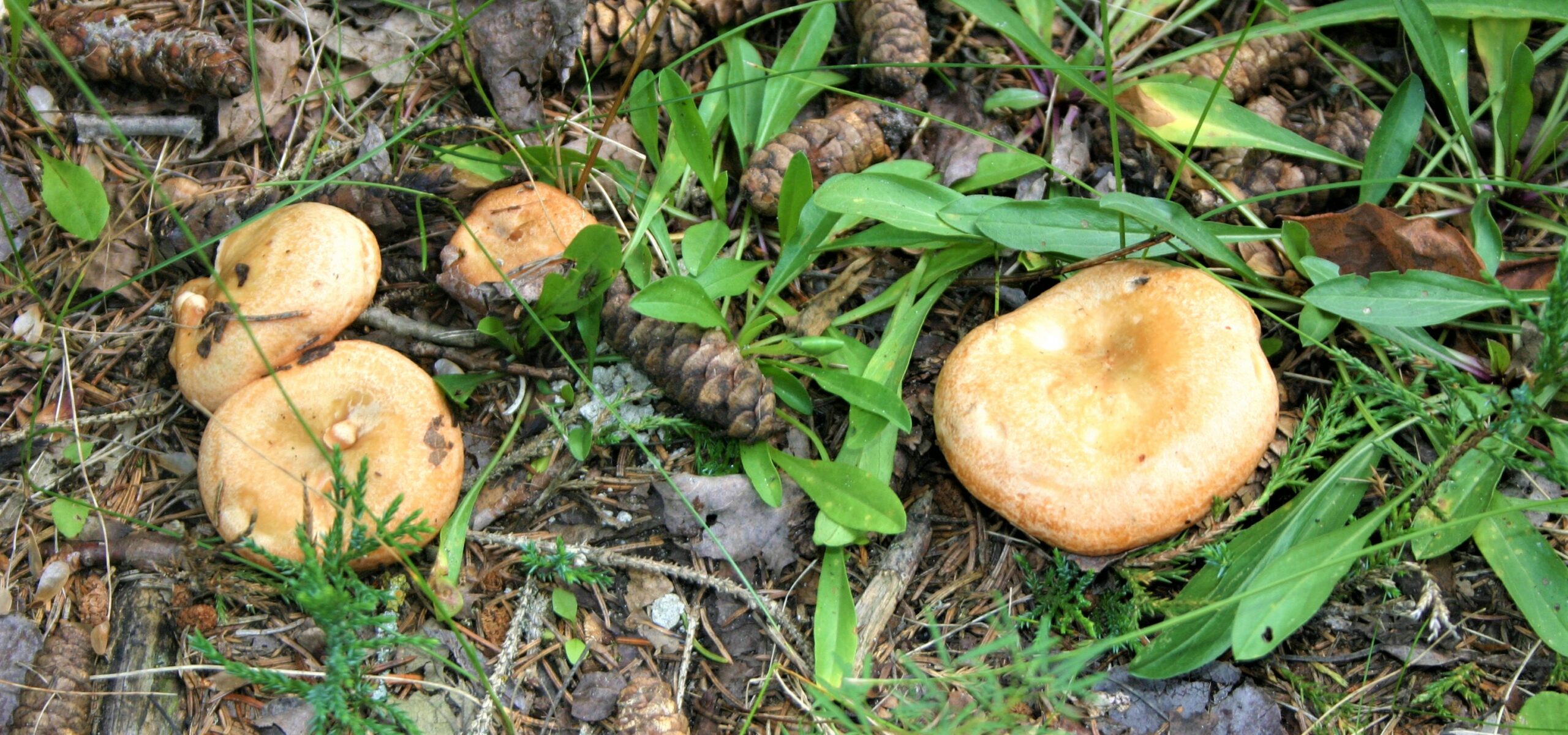
Image: Mushrooms like this puffball (Lycoperdon spp.) have a distinct umami taste. © Manitoba Museum

Myth #3: The front of your tongue is where you taste sweet things and the back is where you taste bitter things.

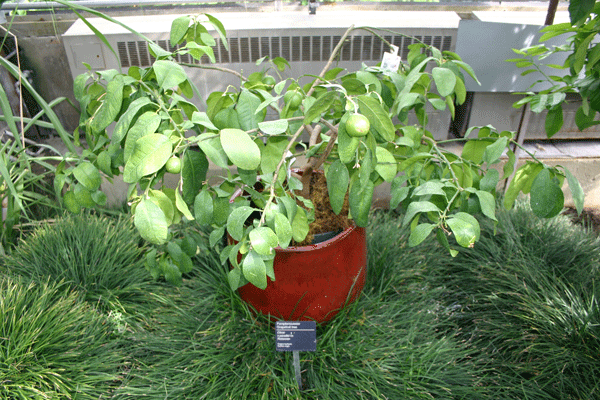
A plant growing in a red-orange pot. The plant's branches reach out in all directions with oblong green leaves growing from them.

Fact: All five tastes can be detected all over your tongue. You may have seen a taste map of the tongue in a text book or on the internet. But it is wrong. The taste map was created in 1901 by a German scientist who simply asked volunteers to indicate where certain tastes were strongest; not very scientific at all. Since then, detailed studies using modern equipment have found receptors for all five tastes all over the tongue. However, there are slightly more receptors for certain tastes in certain areas; bitter tends to be detected most strongly, but not exclusively, at the back of the tongue.


Image: Grapefruit (Citrus paradisi), such as this one at the Montreal Botanic Garden, can have a bitter flavour that some people don’t like. © Manitoba Museum

Myth #4: Artificial flavour doesn’t taste right because it has too many chemicals in it.

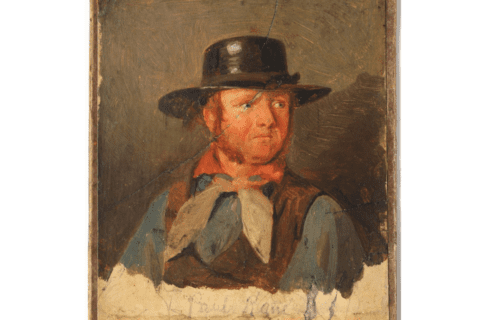
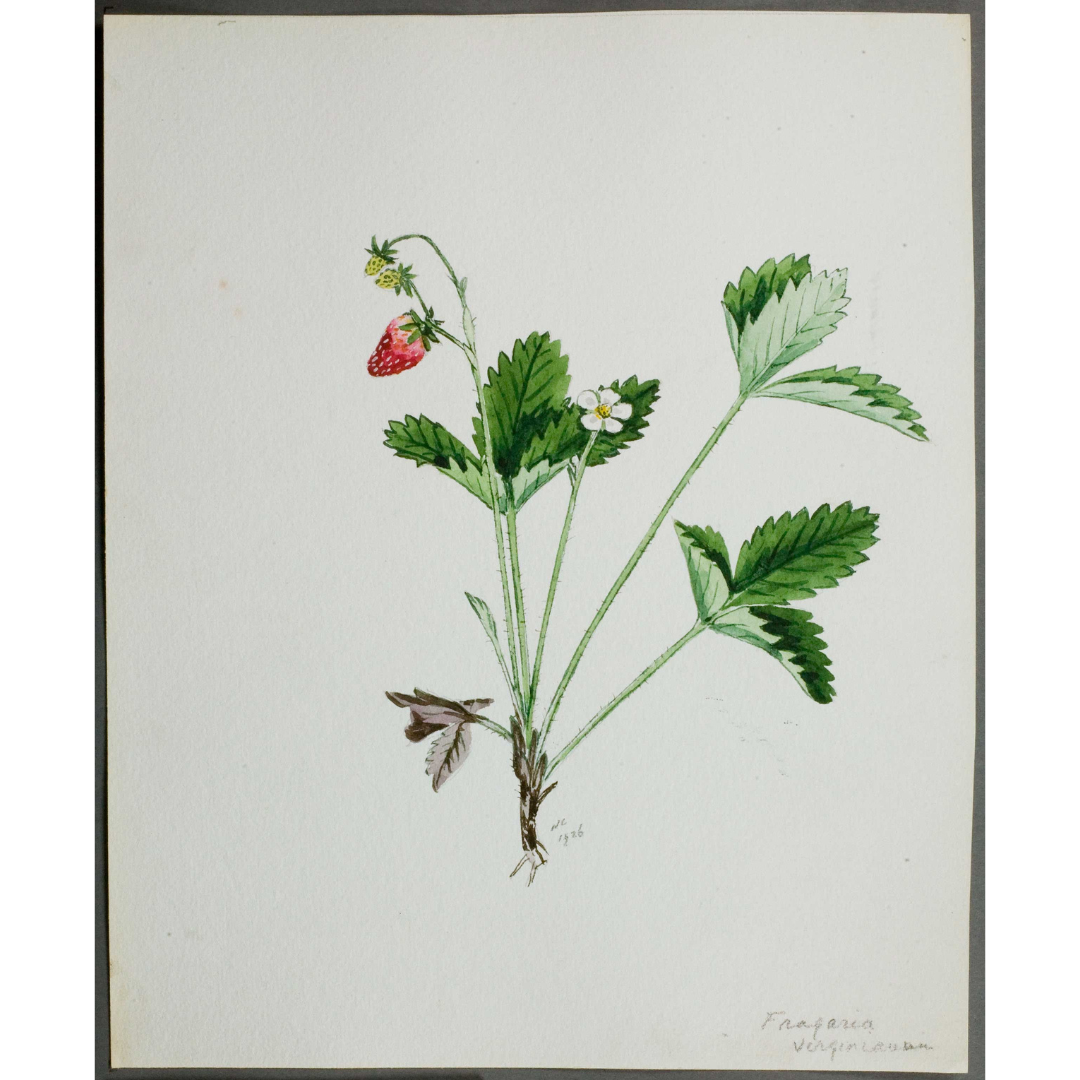
A watercolour painting of a wild strawberry plant, showing the various stages of the plant's growth from blossom to fruit.

Fact: Artificial flavour doesn’t taste right because it has too FEW chemicals in it. I got into an argument once with another scientist over artificial strawberry flavour. I insisted that it didn’t taste quite right and he insisted that since it contains the exact same flavour chemicals as a real strawberry, it should taste exactly the same. Turns out we were both right. While artificial strawberry flavour does contain some of the chemicals that give a real strawberry its flavour, it doesn’t have all of them. Artificial flavour contains about 5 to 30 flavour and scent molecules but a real strawberry has over 300! The reason artificial flavour doesn’t have all those chemicals is because it would be too expensive to produce. So if you’ve never eaten a fresh strawberry right off the plant, artificial strawberry flavour might taste just fine to you. But to someone who grows strawberries in their backyard (that would be me) it doesn’t quite cut it. Plus it always reminds me of the taste of those fluoride treatments you get at the dentist!


Image: Nothing tastes as good as a real wild strawberry (Fragaria spp.). Painting by Norman Criddle. H9-23-415 © Manitoba Museum

Myth #5: Fruits are sweet and vegetables are bitter.

Fact: While it is true that many fruits contain sugar, some fruits are not sweet at all. Botanically speaking, a fruit is a structure that contains, or is attached to, one to many seeds-it has nothing to do with what it tastes like. Many things that we call vegetables are actually fruits including avocados, cucumbers, tomatoes, and squash. The taste of a fruit is influenced by the kind of animal that normally disperses it. Since some animals like juicy, bitter, sour, or fatty tastes, not all fruits are sweet.

Vegetables (defined as roots, tubers, bulbs, stems, and leaves) may be bitter due to the presence of toxins that discourage animals from eating them. However, humans have bred modern vegetables to be less bitter (and therefore less toxic). For example, wild carrot root is bitterer than modern varieties. Unfortunately, breeding out the bitter compounds (which are often natural pesticides) and increasing the sweet ones make our crop plants more desirable to insect pests.

Myth #6: Food tastes the same to everyone.

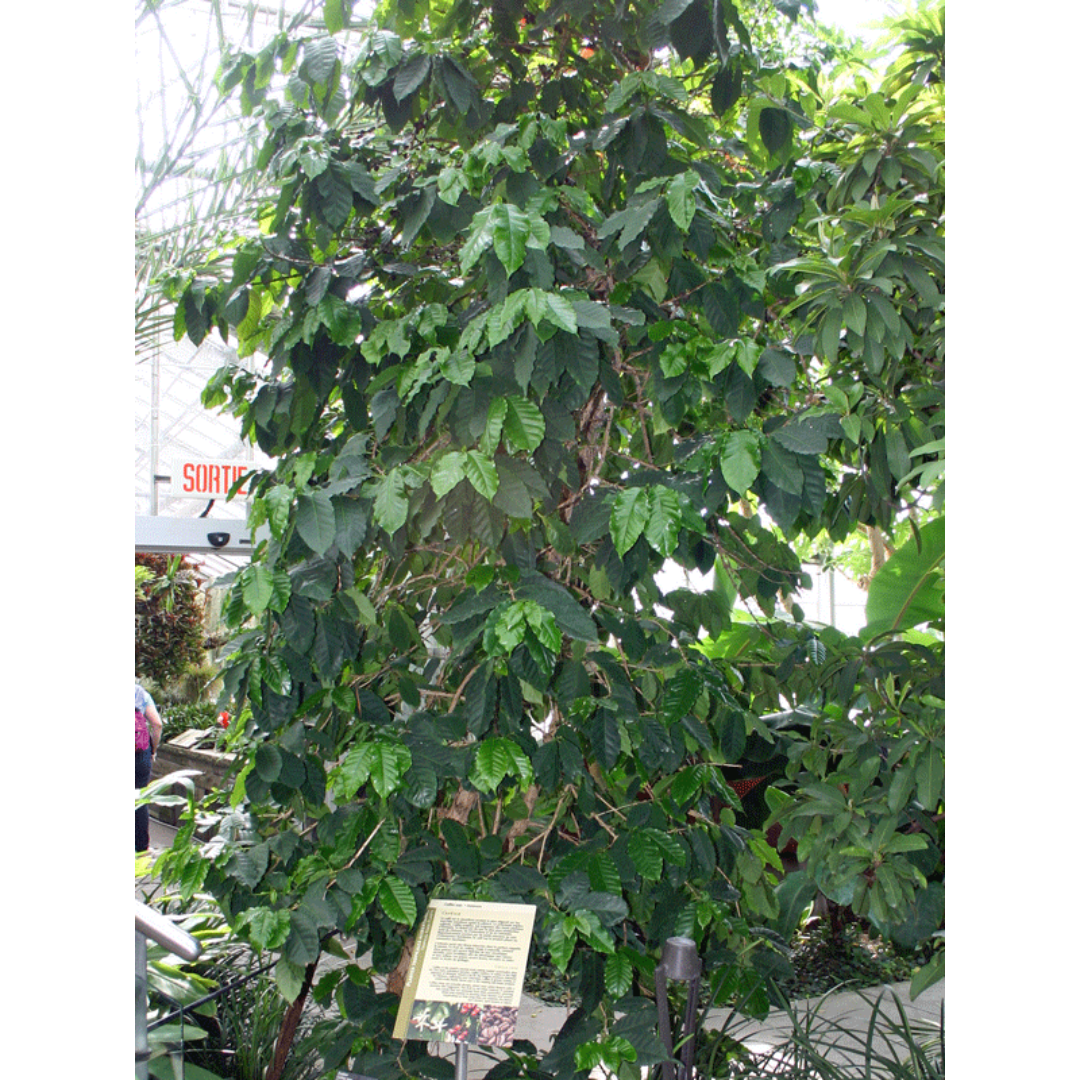
A coffee plant growing in a botanical garden, tall and covered in green leaves.

Fact: Everyone has a different number of taste buds; the number that you have controls the volume of your food. People with lots of taste buds (super-tasters) tend to dislike really bitter and spicy foods (because they taste louder) while people with fewer taste buds (non-tasters) may find them pleasant or stimulating. Black coffee and dark chocolate are two foods that non-tasters usually like and super-tasters dislike. Bitter vegetables like kale may also be disliked by super-tasters. This may explain, at least partly, why some people are picky eaters, although cultural factors are also extremely important. So the saying “everyman to his taste” is most certainly true.


Image: Black coffee (Coffea spp.) is usually loved by non-tasters and disguised with cream and sugar by supertasters. Photo taken at the Montreal Botanical Garden. © Manitoba Museum

Dr. Diana Bizecki Robson

Dr. Diana Bizecki Robson

Curator of Botany

Dr. Bizecki Robson obtained a Master’s Degree in Plant Ecology at the University of Saskatchewan studying rare plants of the mixed grass prairies. After working as an environmental consultant and sessional lecturer…
Meet Dr. Bizecki Robson

Twas the week before Christmas

Twas the week before Christmas and all through the museum,

Artifacts wondered if visitors would see ‘em.

Some historical treasures sat smug on display,

While other objects remained hidden away.


These ornaments once hung on old Christmas trees,

Some dating as far back as the 1920s!

With the curator in his office and I snug in mine,

I catalogued objects from way back in time.

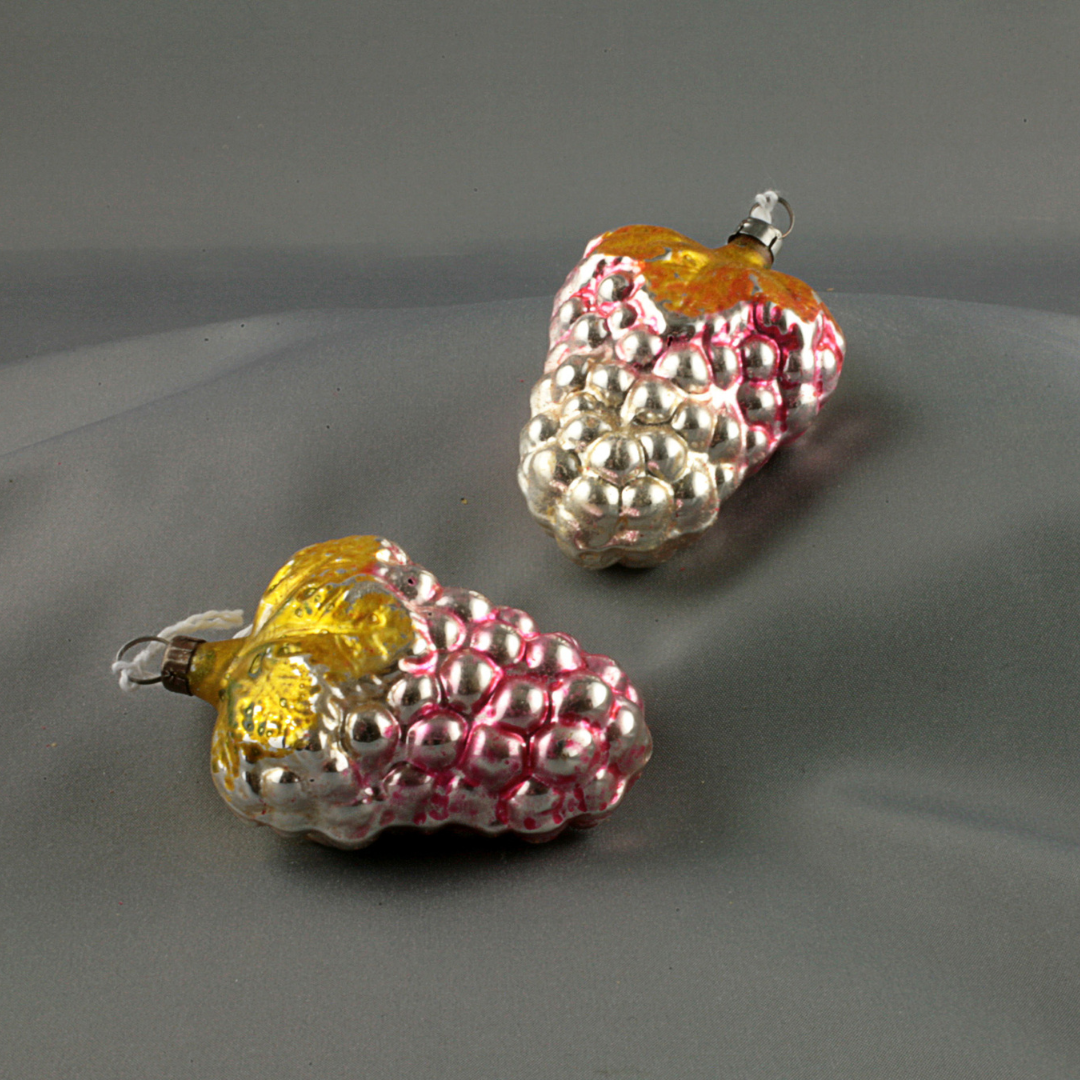
Two small red and gold raspberry Christmas tree ornaments.

Ornament; Christmas Tree, H9-29-358 ©Manitoba Museum

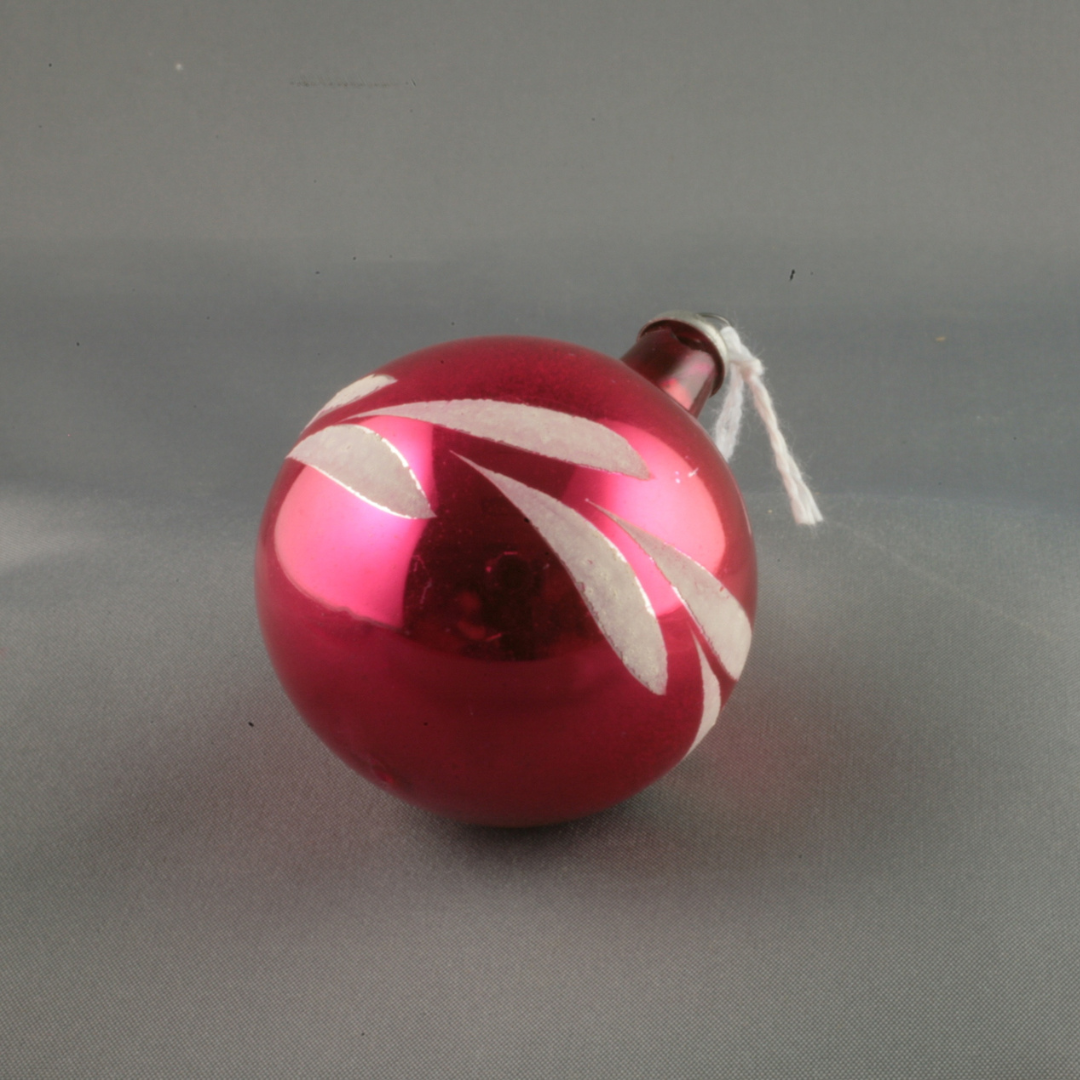
Small red bauble Christmas tree ornament with white accenting wreathing the centre.

Ornament; Christmas Tree, H9-29-365 ©Manitoba Museum Dating to 1927, these ornaments decorated the Christmas tree of a young Winnipeg couple, married in 1925.

When deep in the vault, exploring I go,

Finding boxes of Christmas lights from long, long ago.

Quick to the shelf, with nitrile gloved paw,

I admire the condition, in a reverent awe.


The box is pristine, it’s practically new!

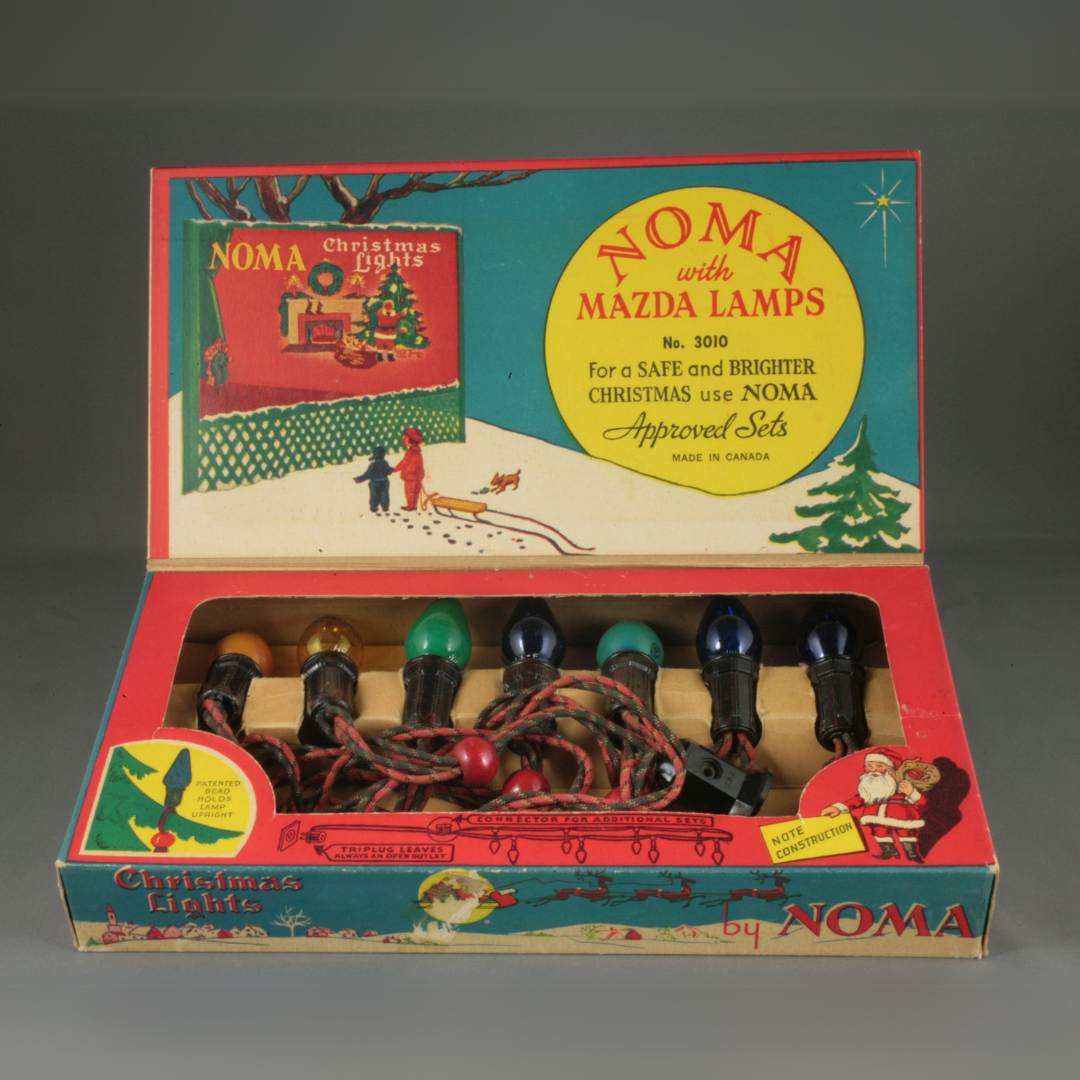
A string of Noma lights within, in green, yellow and blue.

When what to my wandering eye should I see?

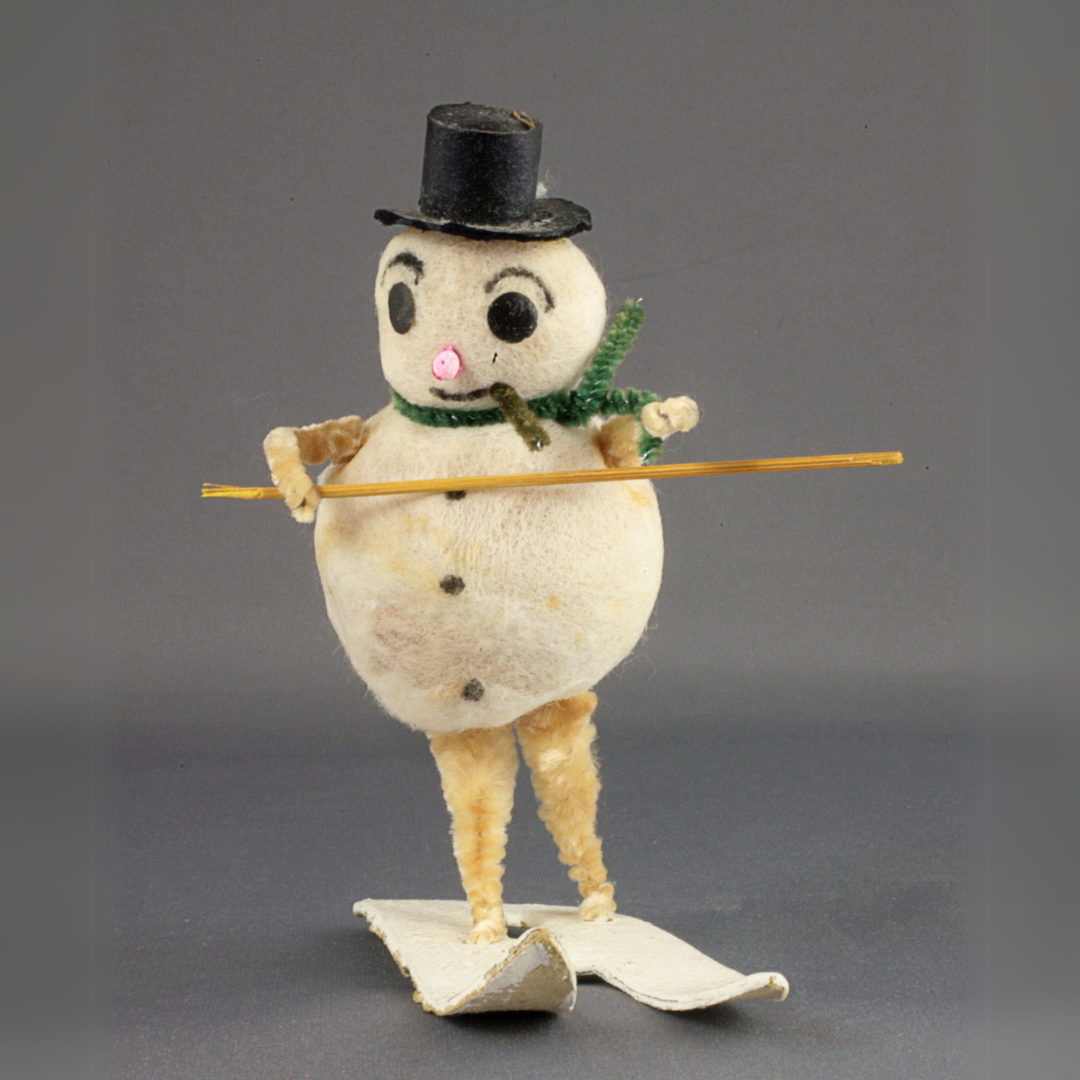
It’s Frosty the Snowman on small cardboard skis!

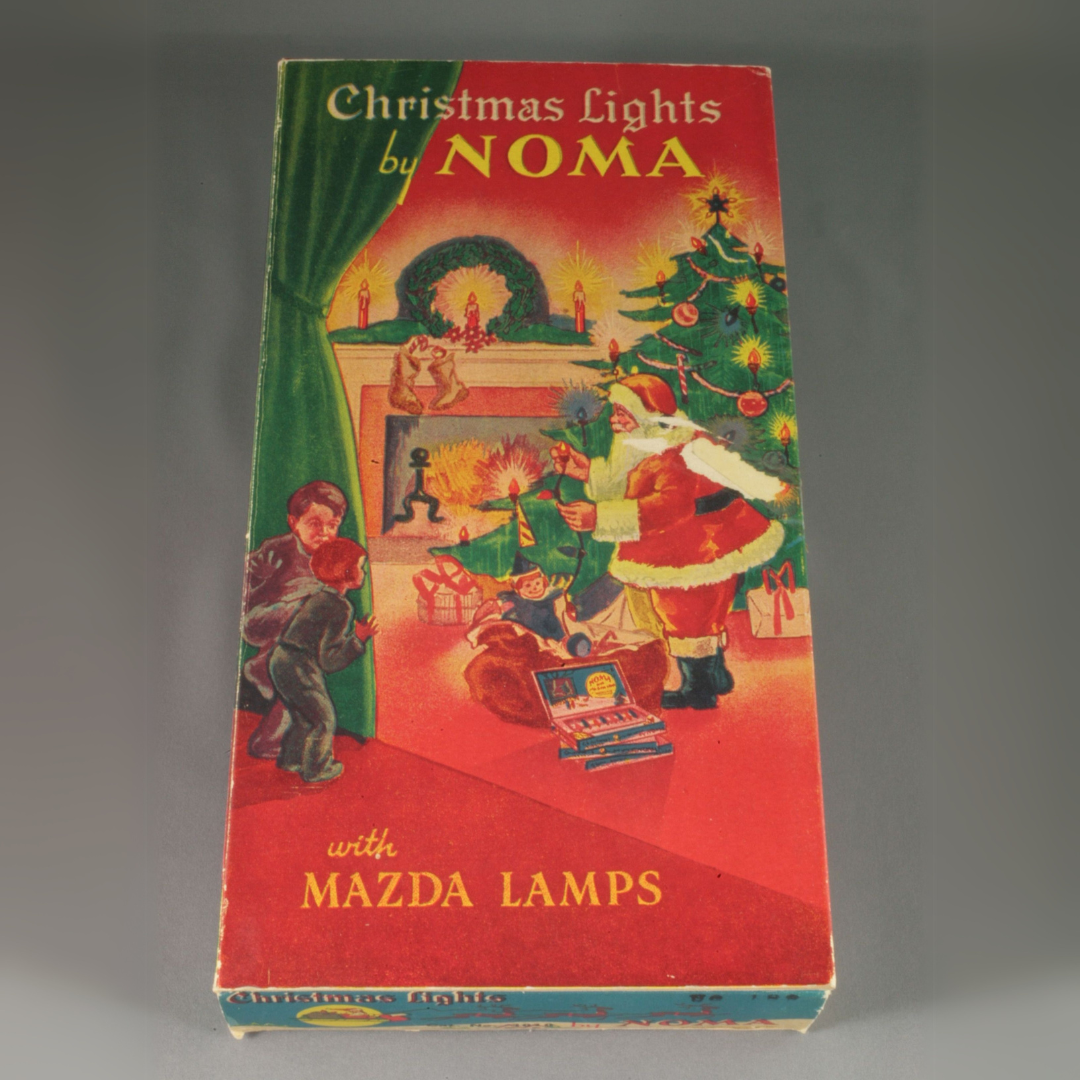
A closed vintage cardboard box of Christmas lights, portraying a two children peeking around a curtain to see Santa Claus dressing the tree with lights pulled from his sack of gifts. Text reads, "Christmas Lights by NOMA / with Mazda lamps".

Light; Christmas Tree, H9-12-790 ©Manitoba Museum NOMA was the largest manufacturer of Christmas lights prior to 1965, when the company filed for bankruptcy.

An open vintage cardboard box with Christmas lights arranged inside. The inside of the upper flap shows a winter scene with two children pulling a sled in front of a NOMA Christmas Lights billboard. Text beside the picture reads, "NOMA with Mazda Lamps / For a SAFE and BRIGHTER CHRISTMAS use NOMA / Approved Sets / Made in Canada".

Light; Christmas Tree, H9-12-790 ©Manitoba Museum

A vintage Frosty the Snowman decoration showing a snowman with legs and arms riding a set of skis while wearing a black top hat and green pipe cleaner scarf.

Ornament; Christmas Tree, H9-22-337 ©Manitoba Museum

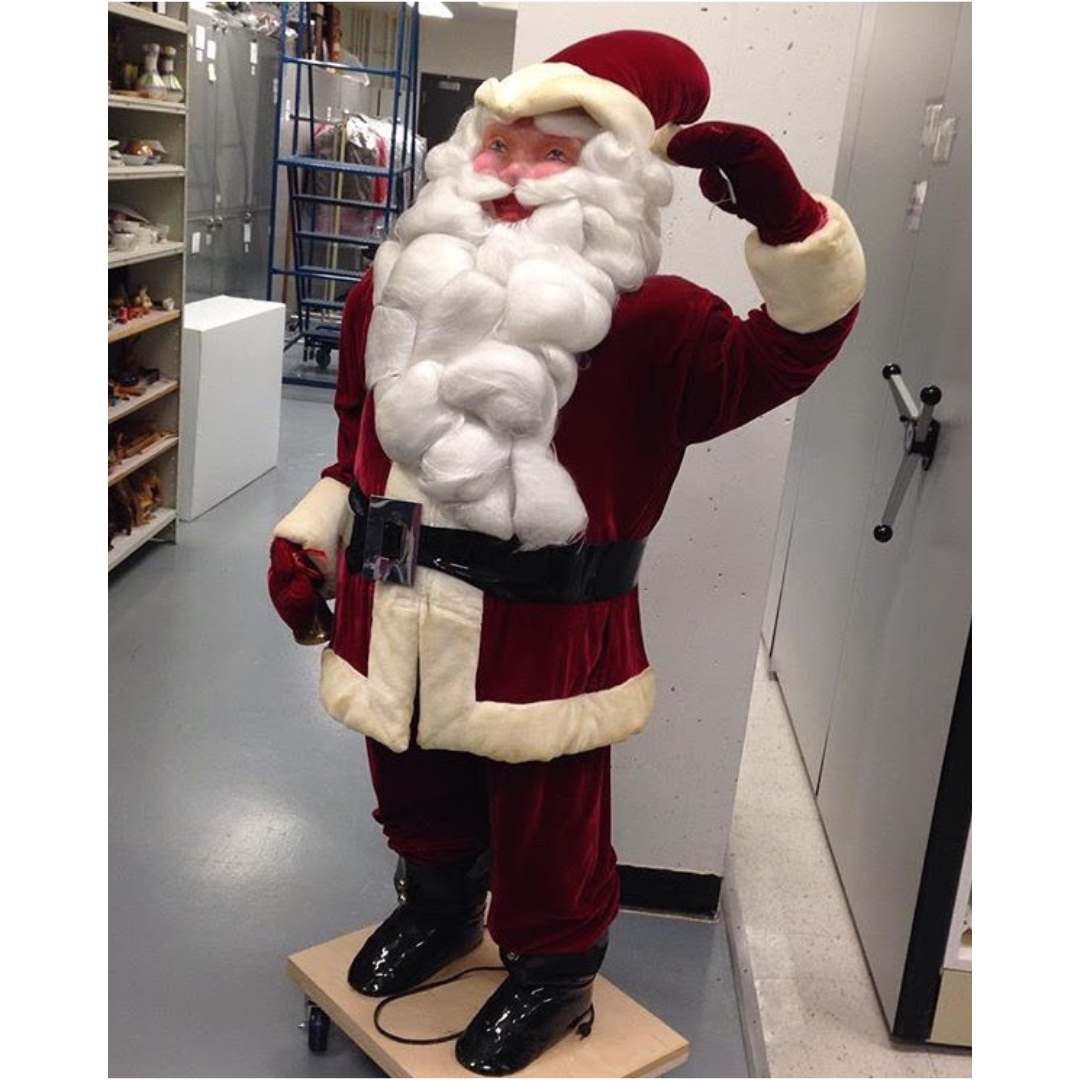
Then a large mechanical Santa, who seems truly alive,

Bought in the forties from Eaton’s for two-hundred-seventy-five!

Before Winnipeg, Toronto was where Santa got his kicks

-he decorated the home of a man named F. William Nicks.


The wreaths, the records, the garland and more!

Lovingly bought long ago from a store.

Now all a part of our Christmas collection,

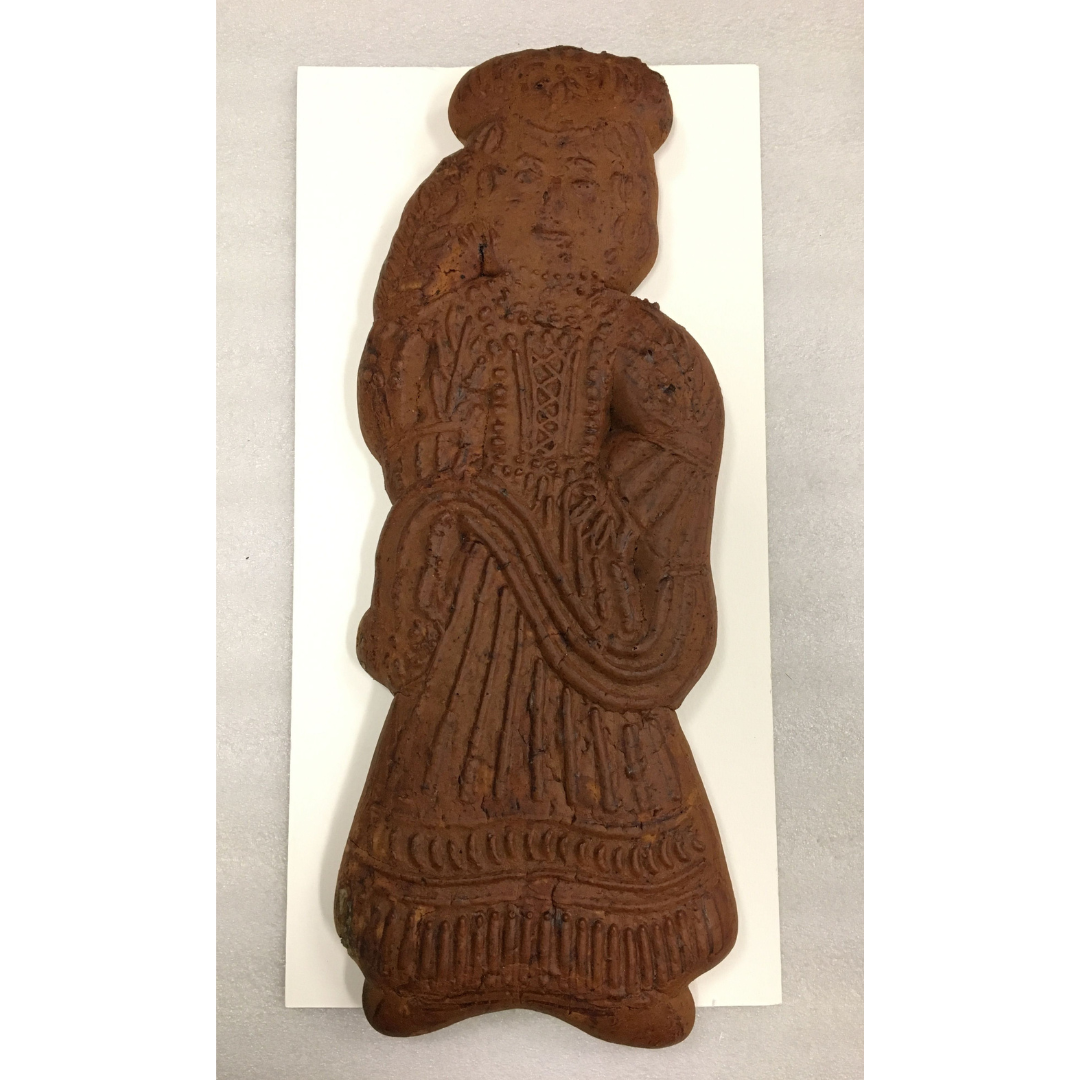
Even some doughy Christmas confection!

A large Santa Claus figurine with a hand raised in a wave.

Ornament; Christmas, H9-8-487 ©Manitoba Museum Purchased by F. William Nicks, former chairman of the Bank of Nova Scotia in Toronto. Mr. Nicks purchased this Santa Claus to decorate his home in the late 1940s for $275. When Mr. Nicks passed away in 1972, Santa Claus was inherited by his sister, who displayed him in her home in Winnipeg.

A preserved, decorative loaf of brown bread. A figure wearing a laced dress and hat.

Bread; Christmas, H9-12-773 ©Manitoba Museum

And not all the things are from days of yore;

Some come from a time when break dancers tore up the floor!

Cabbage Patch Kids and Snoopy to boot…

Our vault contains all kinds of modern-day loot!


I could go on; our collections are vast,

A sleighful of artifacts from Christmases past!

But alas is time to turn out the light,

Merry Christmas to all and to all a good night!

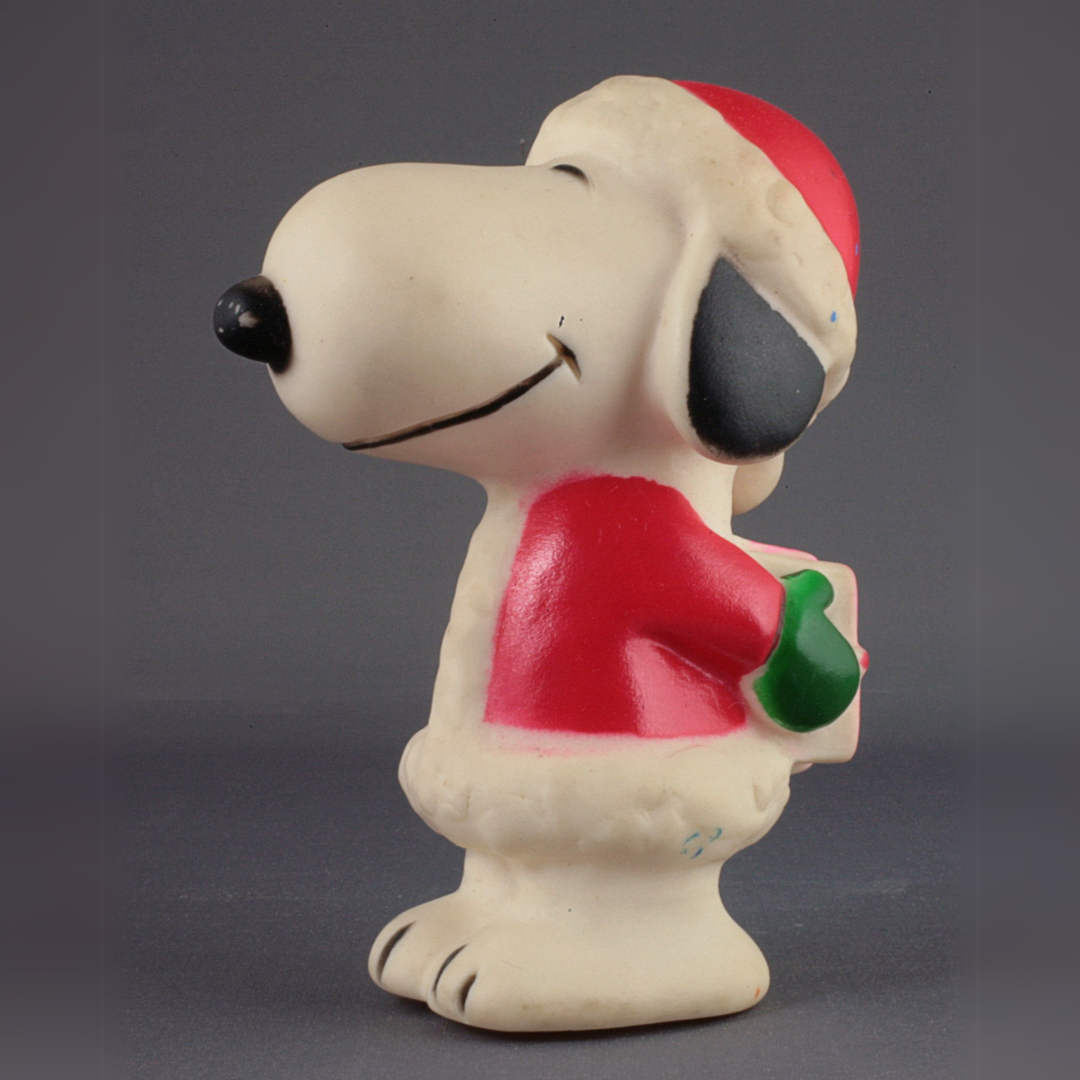
Toy in profile of Snoopy the dog wearing a red and white Santa coat and hat and green mittens, and holding a gift behind his back.

Toy; Snoopy, H9-21-311 ©Manitoba Museum Squeeze toy in the likeness of Snoopy, Charlie Brown’s beagle from the Peanut series.
Toy; Christmas, H9-29-818 ©Manitoba Museum Wind-up plastic reindeer riding a snowmobile.

Cortney Pachet

Cortney Pachet

Collections Technician – Human History

Cortney Pachet started working at the Manitoba Museum in 2001 as a tour guide while earning her a BA (Honours) from the University of Winnipeg. She quickly realized that she wanted a career in museums…
Meet Cortney Pachet

Ladies and Gentlemen…..The Beetles! 

[Note: This blog contains descriptions and images that may not be suitable for sensitive individuals.] 

In the Natural Sciences Department, we receive hundreds of specimens each year that will eventually be added to the permanent Scientific Collections. The Curators collect specimens through their many research projects, while other specimens are collected and donated by the general public. Most of these specimens require some very specific and time-consuming preparation before they can be in a state for which a researcher can use them. Fossils are exposed with precision tools, insects are painstakingly pinned, plants are pressed and artfully mounted, and mammal and bird study skins are skillfully prepared. Skeletons of vertebrates also require a very specialized preparation process that very few people are witness to. 


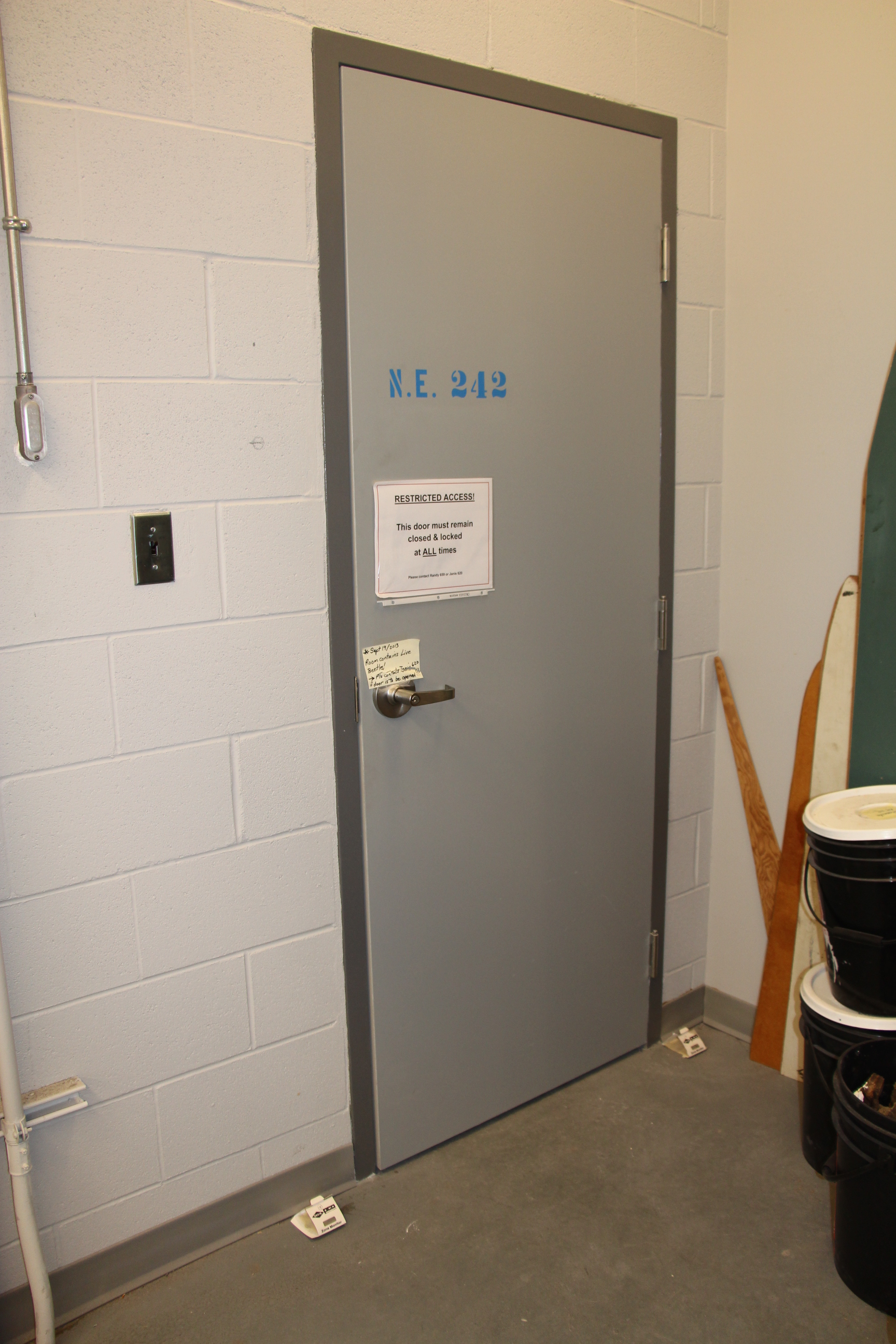
A closed door with a sign taped on it reading, “RESTRICTED ACCESS! / This door must remain closed & locked at ALL times”.

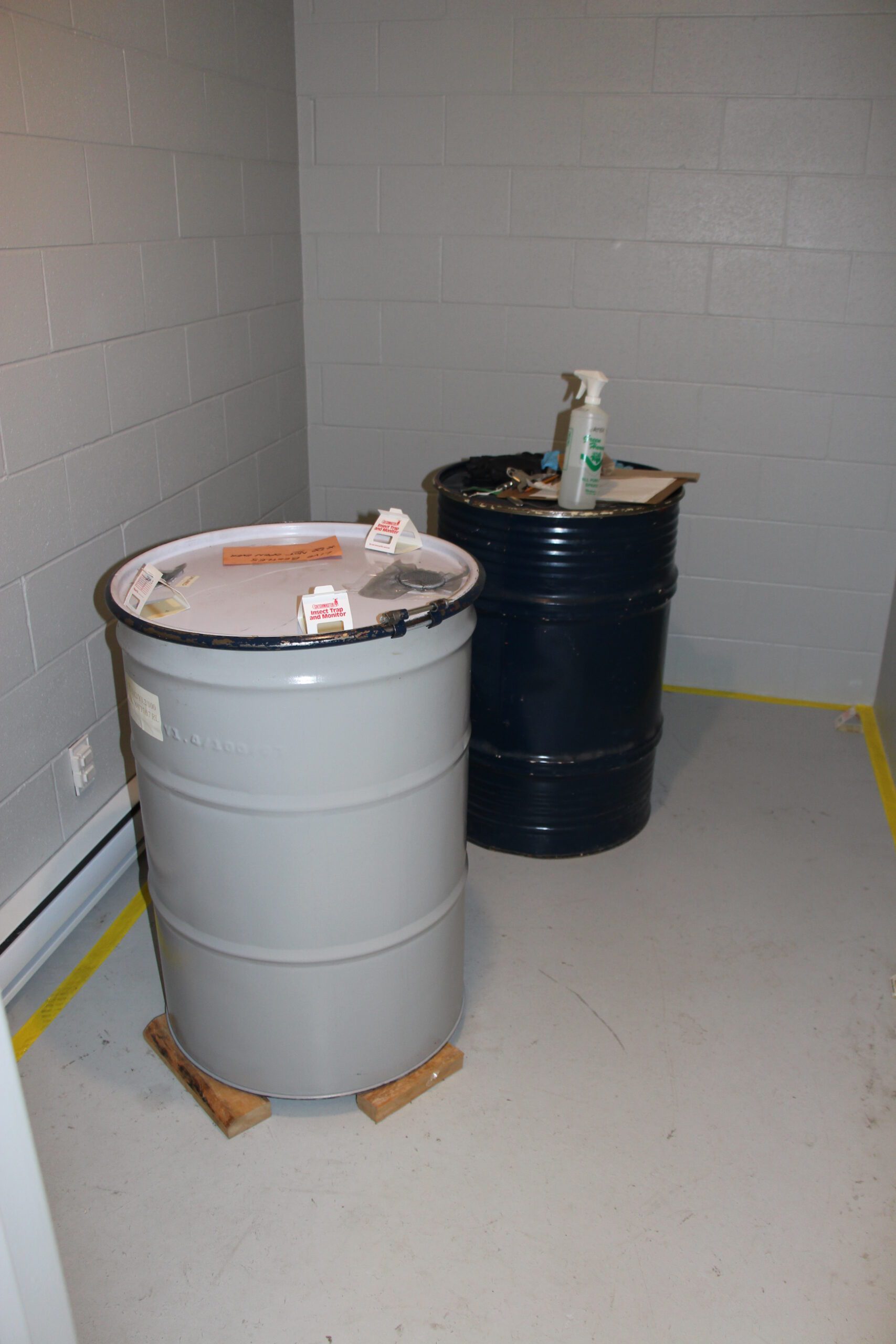
Located deep within our Zoology research area is a small room that houses, what we affectionately call the ‘bug tank’. It is actually a metal 45 gallon drum that houses a beetle colony that we use to clean the very small or fragile skeletal specimens that may otherwise be damaged using other cleaning methods. These can include birds, small rodents such as mice and squirrels, snakes, frogs, toads and fish. One of my many tasks here at the Museum is to prepare skeletal specimens and maintain the beetle colony by keeping them healthy and well-fed. 

The beetle species that we use in our colony is Dermestes maculatus (Identified by Reid Miller, 2016) from the Family: Dermestidae, a group that is commonly referred to as hide beetles. The adult beetles of this species are black in colour and can range in length from 5.5 to 10.0 mm. The larvae are brown in colour, hairy and pass through 5 – 11 instars, before they pupate into adults. They are natural scavengers and feed on a wide variety of material including skin, hair feathers, and natural fibers, such as wool, silk, cotton, and linen. With this in mind, I’m sure you can appreciate how careful we are at the Museum with keeping these beetles contained! 


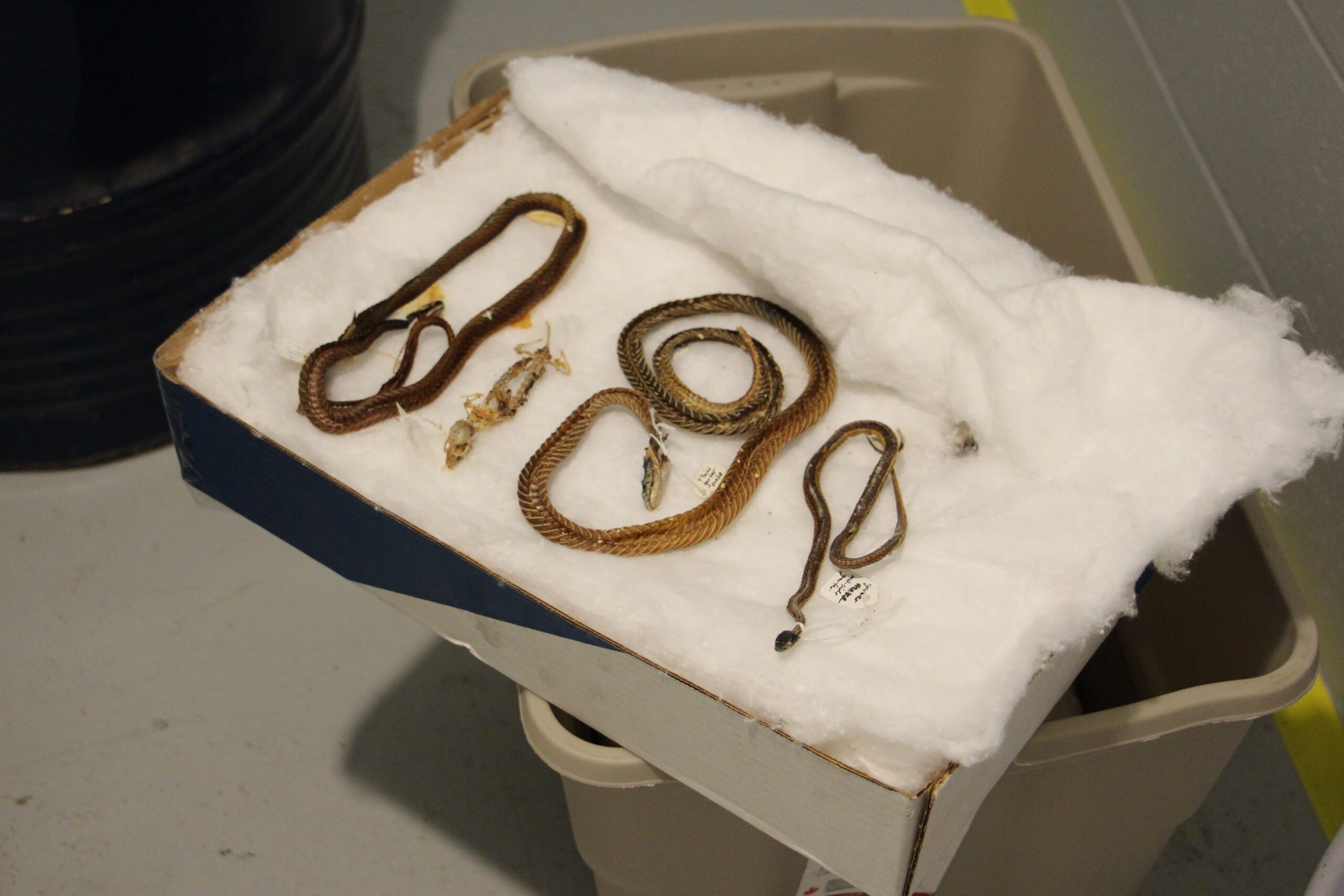
Specimens are readied for the beetle colony by first making sure that all of the data has been recorded, including its weight and the standardized measurements that are taken. The specimen is then de-fleshed by removing most of the muscle tissue, internal organs and eyes. It is then placed in a drying cabinet so the specimen does not introduce mold into the colony. Once completely dried, the skeletons are placed in rows on top of a layer of cotton batting within a cardboard box lid.


Each skeleton is placed with enough space between them so that if the beetles move any of the tiny bones while they are cleaning them, they don’t become mixed with the specimen next to it. The cotton batting provides a soft ‘matrix’ that the adult beetles and larvae travel through. I can then stack about 3 to 4 of these trays within the drum, which could translate to approximately 150+ small skeletons in the colony at any given time. Depending how active the colony is, skeletons can be completely cleaned in 7 to 14 days.  The “Beetle Room” is kept at a cozy 28°C (83°F) to promote their life cycle and every few days I spray the trays with distilled water for added humidity. Then, I leave them alone to work their magic. 


These are NOT free-range beetles! 

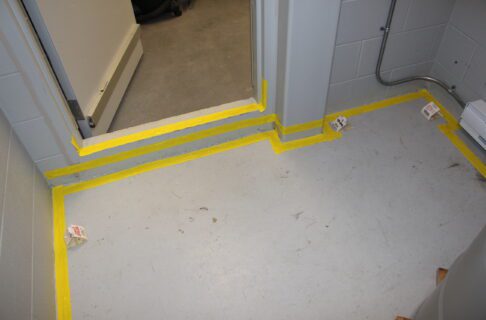
The Dermestid beetles and their larva are just one of the types of insects that pose danger to our galleries, and the specimens and artifacts that are stored in the collections storage rooms. To ensure that none of our colony beetles escape, special considerations were built into the room. These beetles can burrow into many surfaces/media, so the walls are cinderblock, sealed with 3 coats of epoxy paint, instead of drywall. I’ve installed a perimeter of yellow tape around the room that has a layer of a sticky product applied to it (this product is similar to ‘Tanglefoot’ that is used to stop the Elm Bark Beetle on trees). The bung holes on the lid of the drum have two layers of fine mesh – this allows air exchange, but they can’t get escape. 


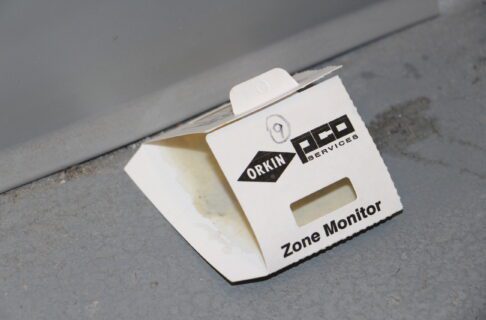
Escape Prevention Measures – 3 rows of sticky tape by the door of the bug room, and sticky traps are installed throughout the Museum and monitored. ©Manitoba Museum
Collections and Conservation staff are always on alert to possible insect activity and have scheduled monitoring throughout the galleries and collections spaces. ©Manitoba Museum


Completed skeleton specimens are given a final cleaning with a small paintbrush to remove any debris or shed larval casings. They are then catalogued, and each bone including the skull and mandible are numbered and placed in an acid-free box with its data label. After a final freezing treatment to be sure they are completely free of anything live, they are ready to be filed into our main Scientific Collections storage room. 

These specimens are then available for researchers and educational purposes. 


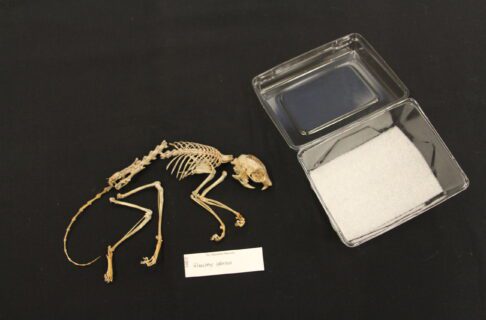
A perfectly cleaned Northern Flying Squirrel, MM 9979 (Glaucomys sabrinus) skeleton ready to file in the Collections Room, within an acid-free storage box ©Manitoba Museum
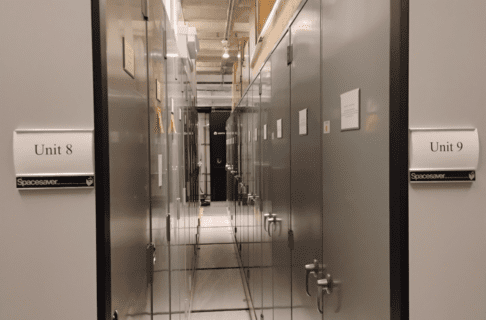
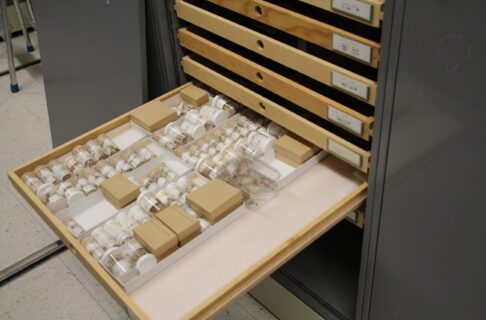
Systematic storage of skeletal specimens in our Permanent Scientific Collections Room ©Manitoba Museum
Janis Klapecki

Janis Klapecki

Collections Management Specialist – Natural History

Janis Klapecki obtained a B.Sc. from the University of Manitoba, specializing in Zoology and Botany. She also holds a certificate in Managing Natural History Collections from the University of Victoria, BC. Janis has over 20 years experience…
Meet Janis Klapecki

Drinking Christmas (trees, that is)

At the Museum’s recent Surviving the Apocalypse Night participants were asked a variety of questions about the nutritional value of certain foods. Sadly, very few people knew that you can make a beverage high in vitamin C from…Christmas trees!

The Indigenous peoples of North America have long known of the health-giving properties of some cone-bearing (also called evergreen) trees. In Canada, First Nations peoples drank an herbal tea of evergreen needles to ward off scurvy, usually in winter when fresh fruits and vegetables were hard to come by. This simple remedy was not known by early British and French explorers, who often succumbed to this disease. Scurvy causes weakness, gum disease, impairs healing, and eventually leads to fever, convulsion, and death. Symptoms set in after about a month of low to no vitamin C intake. The explorer Jacques Cartier was told about a scurvy remedy by the Indigenous people he encountered in eastern Canada, who felt pity for the suffering Europeans (see more here). Cartier was so impressed at the ability of the tea to cure scurvy that he called the tree species an “arbre de vie” or “tree of life”.

Close up on a fir tree branch full of green needles.

In addition to being a popular Christmas tree, fir (Abies spp.) needles can be used to make a beverage high in vitamin C. ©Manitoba Museum

Close up on a cedar tree branch.

The plant used to make Cartier’s tea may have been a cedar (Thuja spp.). ©Manitoba Museum

Close up on a green Tamarack branch.

Evergreen needle tea is also high in vitamin A-which you need to prevent blindness-folic acid and minerals. The tea can be brewed by collecting the youngest needles on a tree (the ones right at the tip), coarsely chopping them, pouring boiling water over them and steeping for a few minutes. About a tablespoon of needles to a cup of water is about the right proportion. Although spruces (Picea spp.) are the most common trees used to make herbal teas, other cone-bearing trees including pine (Pinus spp.), fir (Abies spp.), cedar (Thuja spp.) and larch (Larix spp.) can also be used. I prefer to have it in a blend with some dried mint to add extra flavour.


Image: Although it bears cones tamarack (Larix laricina) is not an evergreen; it loses its needles in the fall. ©Manitoba Museum

On the east coast, European settlers began making an alcoholic version of this beverage by adding spruce needles to molasses (from the Caribbean) and yeast to make spruce beer. By 1738, George Spence, the Hudson’s Bay Company surgeon in Fort Albany, Ontario, reported making and providing spruce beer to HBC employees as an anti-scorbutic (click here to learn more). This knowledge was eventually passed on to the British Military by Sir Joseph Banks, who encountered the beverage when he was botanizing in Newfoundland and Labrador in 1766. Captain James Cook brought casks of this beer on board his ships in the late 1700’s (along with various other foods, such as citrus fruits) and did not lose a single man to scurvy!   If you’re so inclined, you can click here for a recipe for spruce beer.

Close up on the red, fleshy cone of a yew tree.

Warnings

Evergreen teas should be drunk in moderation (a cup of weak tea a day is probably fine) as large amounts are reported to be toxic. Pregnant women should NOT drink evergreen tea as it may cause a miscarriage. Yew (Taxus spp.) trees are really poisonous so make sure you can tell a yew apart from the other cone-bearing trees. Yews have flat needles with pointed tips and fleshy red fruits with a single seed in the middle instead of dry cones. They are not common in Manitoba and are shrubs usually less than 2 metres tall.


Image: The toxic yew (Taxus spp.) trees have fleshy red cones, not dry ones. By Rob Routledge, Sault College, Bugwood.org [CC BY 3.0 (http://creativecommons.org/licenses/by/3.0)], via Wikimedia Commons.

Below is a simple identification key to Manitoba’s wild cone-bearing trees. To use it, select the statement (a or b) that best describes the plant. Continue selecting statements until you come to the name of a species. Then double check the identity by consulting a field guide or reputable website. Please note that there are some exotic cone-bearing trees planted in urban areas, which may not be in this key.

1a. Trees with scale-like, overlapping leavesEastern white cedar (Thuja occidentalis)
1b. Trees with needle-like leavesSee 2
2a. Leaves in clusters of 2 to manySee 3
2b. Leaves borne singlySee 4
3a. Leaves in clusters of 10-40, deciduous; base of clusters without a sheathTamarack (Larix laricina)
3b. Leaves in clusters of 2-5, evergreen; base of clusters enclosed in a sheathPine (Pinus spp.)
4a. Leaves 4-sided, not appearing 2-ranked, borne on short woody pegsSpruce (Picea spp.)
4b. Leaves flat, appearing 2-ranked, not borne on woody pegsSee 5
5a. Leaves rounded or notched at the tip; bearing dry cones; bark grey and smooth or scalyBalsam fir (Abies balsamea)
5b. Leaves pointed at the tip; bearing reddish fleshy fruits with a single seed in the middle; bark reddish and shreddyCanada yew (Taxus canadensis)
Dr. Diana Bizecki Robson

Dr. Diana Bizecki Robson

Curator of Botany

Dr. Bizecki Robson obtained a Master’s Degree in Plant Ecology at the University of Saskatchewan studying rare plants of the mixed grass prairies. After working as an environmental consultant and sessional lecturer…
Meet Dr. Bizecki Robson

Planes, Trains, Automobiles, & A Ferry: My UK Adventure

This summer I spent three glorious weeks exploring museum collections, historic ships, archaeological and historic sites, and local cuisine in England and Scotland. Here’s the stats on this trip: 

  • 8 cities 
  • 22 museums & galleries (including 4 historic ships) 
  • 15 heritage sites (including archaeological sites) 
  • 2 17th century pubs (for Nonsuch Gallery research!) 
  • 380,504 steps (according to my iphone health app) 
  • 10 days of train travel 
  • 1 roundtrip ferry to Orkney 
  • 4 days of driving (eep!) in Orkney 

I went on this whirlwind trip with two major goals: to view collections related to the HBC; and to conduct research for our upcoming Nonsuch Gallery renewal.  I came back exhausted, but also incredibly inspired and I can’t wait to start pulling all of my photographs and notes together. 

For some folks my itinerary might seem a bit museum-heavy, but for a nerd like me it was heaven!  In fact I really only started to experience museum fatigue on my last stop, in Edinburgh (which just means I’ll have to go back!). 

So, did I achieve my goals?  YES! 

Viewing collections housed in other institutions is important to get a sense of what else is out there and learn more about the people collecting Indigenous artifacts during their employment with the HBC. Some of the artifacts I viewed were quite similar to ones here within the HBC Museum Collection, including some beautiful embroidery that was likely made by the same women from Norway House that made the pieces my colleague Maureen Matthews exhibited last year. 

I also had great meetings with people who care for Cutty Sark (in Greenwich), Victory and Mary Rose (Portsmouth). I feel quite lucky that our Nonsuch is indoors and does not have to deal with the elements which pose much greater conservation issues than what we deal with in our climate-controlled gallery! 

I hope to blog about specific stops along my journey as time permits so stay tuned, but here’s a small sample of photos!

Dr. Amelia Fay sitting in front of a table with several artifacts laid out in front of her, holding a shoe as she makes notes in a notebook.

Examining artifacts at the British Museum’s offsite storage.

A ram’s head with large curling horns that has been converted into a snuff mull with a jewelled container on the top of its head and light chains handing down from it’s forehead, connected to snuff tools.

A ram’s head snuff mull similar to ours in the HBC Gallery (Wellcome Collection, London)

Photograph looking up at a large crest and on a ceiling. The coat of arms bears two rearing elk either side of a shield with a beaver in each of the four sections of a cross. A fox sits above the shield, and a banner below reads, “Pro Pelle Cutem”.

The HBC crest can still be seen at Hudson Bay House, their former London headquarters.

View of a large ship’s keel displayed in dry dock hall where viewers can get up close with is. A glass ceiling has been built at “water level” through which one can see the rest of the ship above.

Impressive view of the Cutty Sark keel. 

A large docked ship with three masts. While there is full rigging in place, the sails are drawn up.

Cutty Sark in all her rigged glory! 

A close-up of the stern of a large wooden ship with “VICTORY” written across the back. In the background is a domed black building.

The stern of the Victory, with the Mary Rose gallery (the strange black orb) in the background.

A large wooden ship in light-beige wood with thick dark stripes. The ship has three masts and three levels of gun ports.

The Victory had a face-lift recently, they’ve done paint-chip analysis and these are her original colours!

Looking down into a large gallery full of glass display cases, with a wrap-around balcony-style second level. A sign at the top of the frame says “Pitt Rivers Museum / Anthropology and World Archaeology”.

If you visit the Pitt Rivers in Oxford give yourself lots of time!

Dr. Amelia Day wearing blue latax glove examining an artifact at a table. Several other artifacts sit on padding in front of her and in a tray beside her.

Looking at artifacts in Aberdeen, Scotland!

Looking into a large gallery space with a oval domed glass ceiling. Two wrap around balconies show second and third levels to the building.

The National Museum of Scotland (Edinburgh) is a stunning building.

A mannequin wearing a jacket and light-coloured fur hat sitting in a small boat with a pack. Behind the mannequin is a large wall handing with the HBC Coat of Arms. The coat of arms bears two rearing elk either side of a shield with a beaver in each of the four sections of a cross. A fox sits above the shield, and a banner below reads, “Pro Pelle Cutem”.

Halkett boat diorama in the Stromness Museum (Orkney). A must-see museum for anyone interested in HBC!

A brass bell with a cord hanging from inside it suspended in a small wooden arch. “AMELIA” is engraved on the bell and a plaque belwo reads, “Ship’s bell from S.S Amelia / Loaned by Magnus Ritch”.

They let me ring the bell, it is my name afterall.

Dr. Amelia Fay

Dr. Amelia Fay

Curator of Anthropology & the HBC Museum Collection

Amelia Fay is Curator of Anthropology and the HBC Museum Collection at the Manitoba Museum. She received her BA in Anthropology from the University of Manitoba (2004), an MA in Archaeology…
Meet Dr. Amelia Fay

This is Hallowe’en!

That’s right, boos and ghouls, Hallowe’en is right around the corner! And the History collection at the Manitoba Museum does not disappoint when it comes to its Hallowe’en artifacts. Let’s journey back to a time when homemade popcorn balls and plastic masks with tiny air holes prevailed…

Three vintage Halloween masks for children of characters like a pirate, or a monster.

Costumes

Elaborate costumes and accessories of today’s youth would shock the Trick-or-Treaters of yesteryear. While we don’t have any old sheets with eyeholes cut out by someone’s mum, we do have a selection of masks favoured by kids in the 1970s. Masks were often worn with matching plastic smocks and featured small eyeholes for reduced visibility and a layer of condensation on the inside from the wearer’s laboured breathing as they ran from house to house yelling “Hallowe’en Apples!”


Image: Children’s Hallowe’en Masks (H9-12-28, H9-12-29, H9-12-30) ©Manitoba Museum

Commercial Hallowe’en costumes were being produced as early as 1910, when Massachusetts-based Dennison’s began manufacturing costumes out of paper. This Dennison’s “Gypsy” costume was sold locally at the Ukrainian Booksellers and Publishers store, formerly Ruthenian Booksellers, on Main Street. The costume consists of a skirt, shawl, kerchief, and mask; all made from crêpe paper (so don’t forget to bring your umbrella!).


Images (below): Dennison’s “Gypsy” Party Costume (H9-16-44) ; Adult Woman’s Costume (H9-16-44 2) ©Manitoba Museum

A paper product bag for an adult size "Gypsy" party costume. The front of the bag shows a series of costume types that can be purchased including a clown, king, witch, and ghost.

Close-up on elements of a crepe paper Halloween costume in orange and green, with a black eye mask.

Tricks and Treats

Trick-or-Treaters in 2016 can expect to find toothbrushes and miniature containers of Play Doh amongst the candy in their bags or buckets at the end of the night. In the 1970s, homemade treats and apples were still offered to neighbourhood kids making their rounds on Hallowe’en. A handful of sweet treats might be placed in small paper bags like the ones below.

Instead of sugary goodies, in the early 20th century, a person could send their best Hallowe’en wishes to their favourite trick-or-treater with a seasonal postcard from the George C. Whitney Company, replete with jack-o’-lanterns and black cats.

Two small vintage Halloween goodie bags. The bag on the left shows a grinning jack-o-lantern with the text "Trick of treat!", and the bag on the right shows a silhouetted house with leafless trees and bats flying overhead. Text on the right-side bag reads, "Trick or Treat / Happy Halloween".

Hallowe’en Treat Bags (H9-33-387, H9-33-388) ©Manitoba Museum

Three vintage postcards with Halloween themed art featuring jack-o-lanterns, trick or treating, black cats, and bats.

Hallowe’en Postcards (H9-36-240, H9-36-241, H9-36-242 ) ©Manitoba Museum

Plastic or paper, card or candy, the question remains, do you go in for the classic “Trick or Treat” or kick it old school with a sing-songy “Hallowe’een Apples”?

Happy Hallowe’en!

Cortney Pachet

Cortney Pachet

Collections Technician – Human History

Cortney Pachet started working at the Manitoba Museum in 2001 as a tour guide while earning her a BA (Honours) from the University of Winnipeg. She quickly realized that she wanted a career in museums…
Meet Cortney Pachet

Bringing Our Stories Forward: Modern Immigration in Manitoba

Guest blog by Rachel Erickson, Assistant Curator


For the past four months, I’ve been working at the Manitoba Museum on a project about contemporary migration, just one part of the large capital renewal project Bringing Our Stories Forward. My project involves researching all aspects of migration to Manitoba; why do people come to Manitoba, and from where, what sort of policies have existed over the years that encourage (or discourage) migration, how have people settled in, and what sort of challenges might they face upon arrival. One of the aims of the project is to collect oral histories about modern migration to Manitoba, and potentially collect new objects that can be added to the museum’s collection, in order to paint a more inclusive picture of the diverse communities that now live in the province.

In August, I hosted a series of “pop-up museums” at three shopping centres in Winnipeg: Garden City, Polo Park, and Portage Place. I took out five museum objects (some with their own interesting migration histories), and set up a mini exhibition. We brought along an interactive activity that asked the public, “Do you have a migration story in your family?” and asked visitors to share stories about their decision to come to Manitoba, their journey here, and what it’s been like settling in.

Three young people pose for a photo holding up activity cards from a museum pop-up in a shopping centre.

A family tells their story at Garden City.

A bulletin board on an easel with several dozen notes pinned on it sharing stories and answering questions like "Do you have a migration story in your family?", "Do you know where your ancestors originated?", and "What did you bring with you?".

Story board at Portage Place.

A notecard on a bulletin board sharing an emigration story of a woman who moved with her fromily to Canada from England in 1980. She tells of how they arrived in winter, and bought skates and learned to skate. She shares their surprise at the "modern" and "populated" prairies.
Over the course of a few days, we heard stories from all over the world – Somalia, India, England, Trinidad, Philippines, Nigeria, Kosovo, you name it! Unsurprisingly, a fair number of “winter arrivals” expressed their horror at the cold weather and the copious amount of snow. One of these new arrivals found that learning to skate was the most effective Canadian initiation.
There are many reasons why people leave home – some move for a job, or the hope of better opportunity, others move for university and then decide to settle, some are uprooted by war or political strife, others find love, or move to be closer to family. No matter the reason for movement, the people we spoke with all had fascinating stories to share about settling in, finding their way in a new place, and ultimately, feeling at home in Canada. I can’t wait to hear more.

If you have a migration story that you’d like to share with the museum, please get in touch! You can contact Rachel Erickson at the museum at 204-988-0685.


Image: A story by a woman from England who moved to Manitoba in 1980.