Posted on: Saturday January 10, 2026
Temporary display features remarkable fossils and new research from the Burgess Shale.
When we think of fossils, dinosaur bones, mammoth tusks, or the corals and shells seen in Winnipeg Tyndall stone building blocks might come to mind. These creatures had hard, mineralized body parts which are resistant to decay and can be readily preserved. However, under rare circumstances, traces of the soft tissues of organisms, such as eyes, guts, and nervous systems, can be fossilized too!

A pair of claws of Anomalocaris canadensis. When first found, they were thought to be the body of a shrimp, until more complete specimens were uncovered. Photo by Jean-Bernard Caron © Royal Ontario Museum.
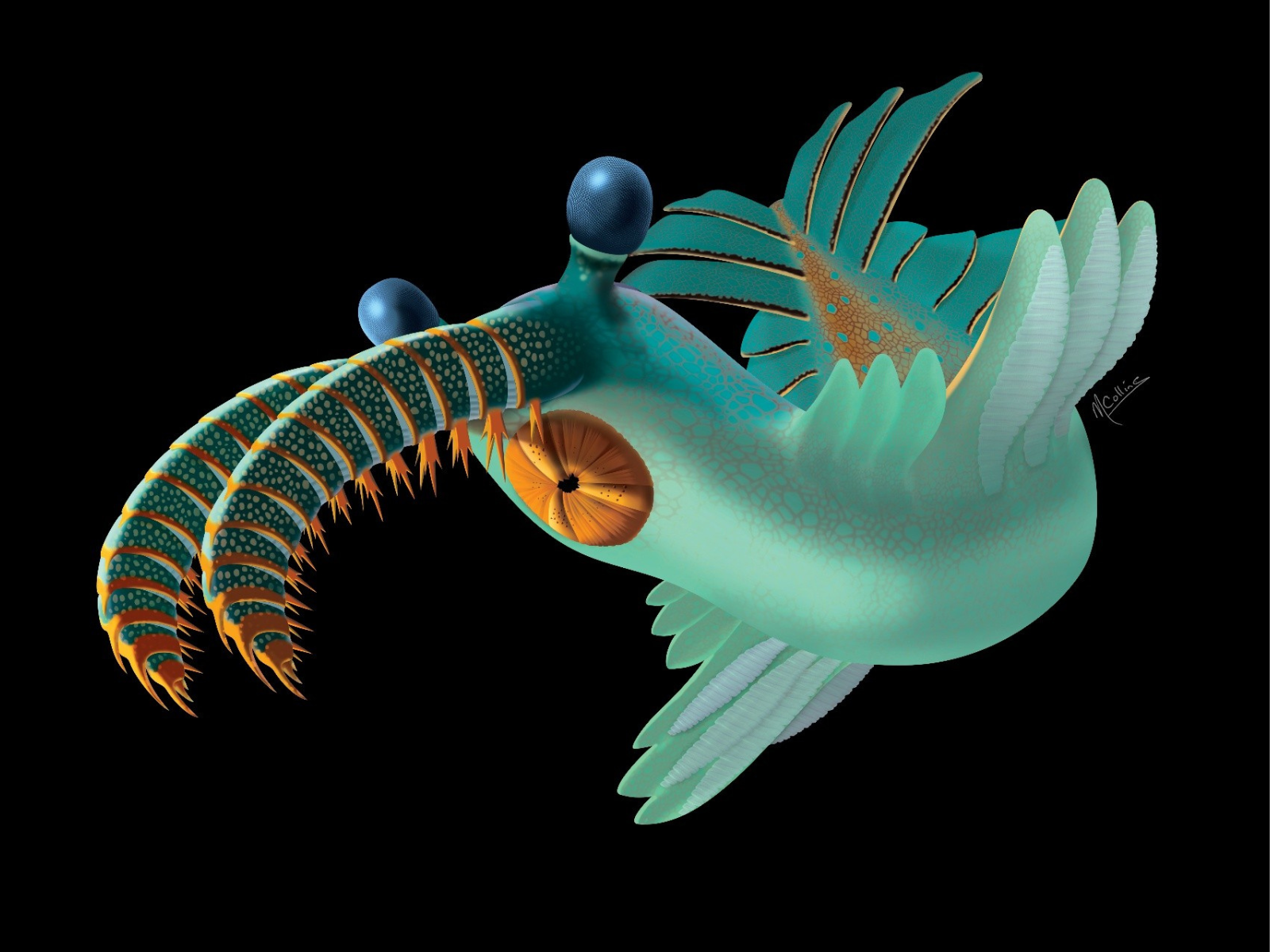
Reconstruction of Anomalocaris canadensis, which was one of the top predators of its age, reaching up to a metre in length! Art by Marianne Collins © Royal Ontario Museum.
One of the most famous sites where this sort of exceptional fossil preservation can be found is the Burgess Shale, located in Yoho and Kootenay National Parks, British Columbia. This fossil deposit dates back about 506 million years, to the dawn of animal life on Earth.
This year only, come and see a selection of some of the strangest fossils ever recovered from the Burgess Shale on display at the Manitoba Museum. From Anomalocaris canadensis – which was first thought to be multiple different animals until scientists pieced its remains back together – to Mosura fentoni – a three-eyed oddity which was recently named by Manitoba Museum and Royal Ontario Museum researchers.
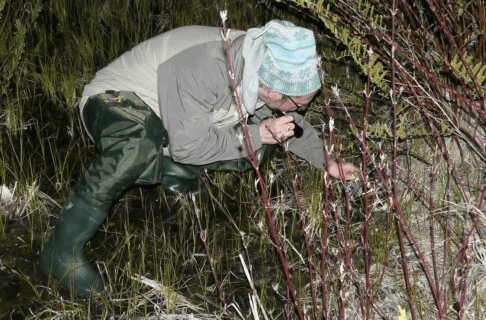
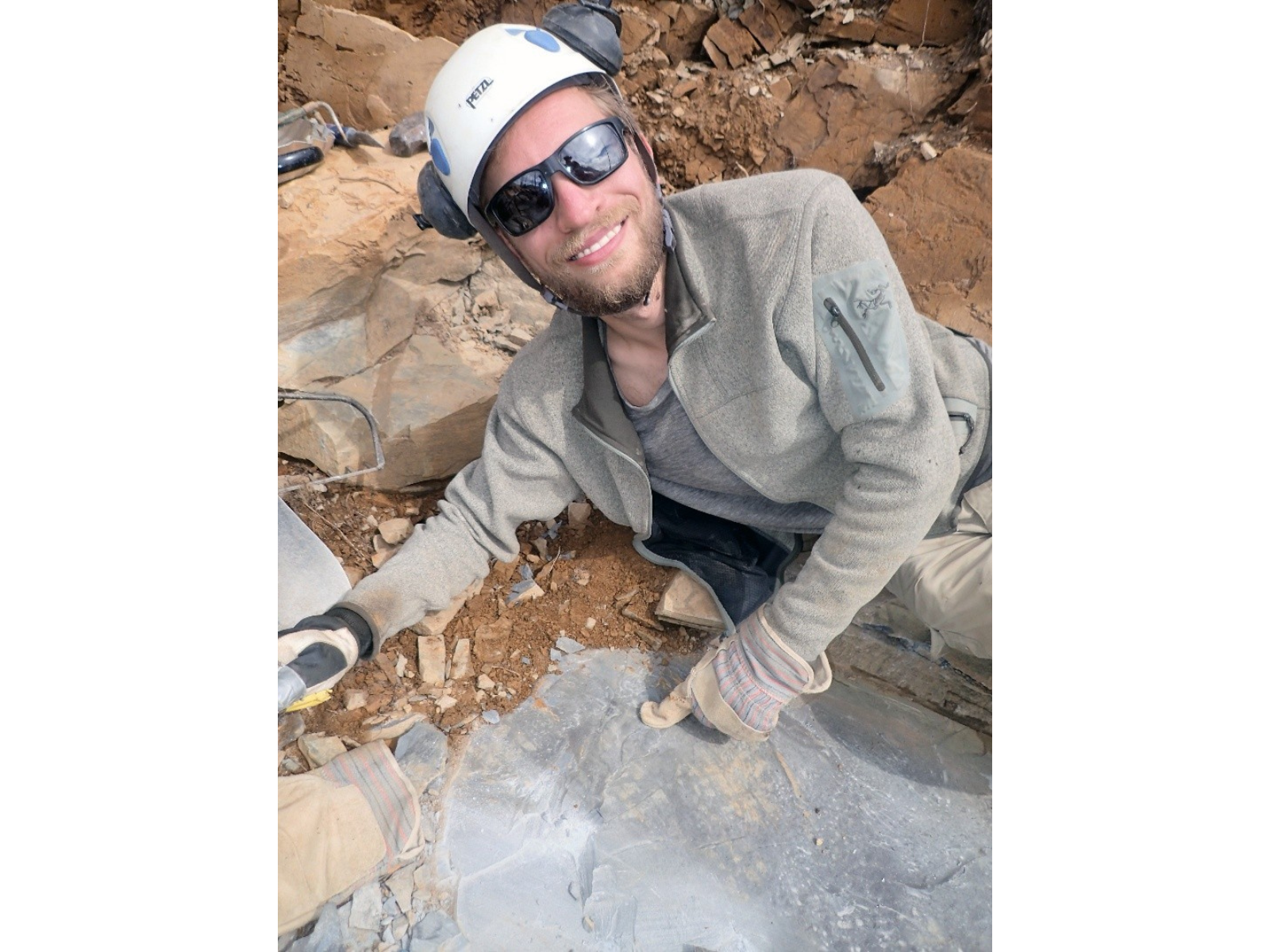
Image: Dr. Joe Moysiuk, Curator of Palaeontology and Geology at the Manitoba Museum, discovering a specimen of Mosura fentoni at the Burgess Shale. © Joe Moysiuk
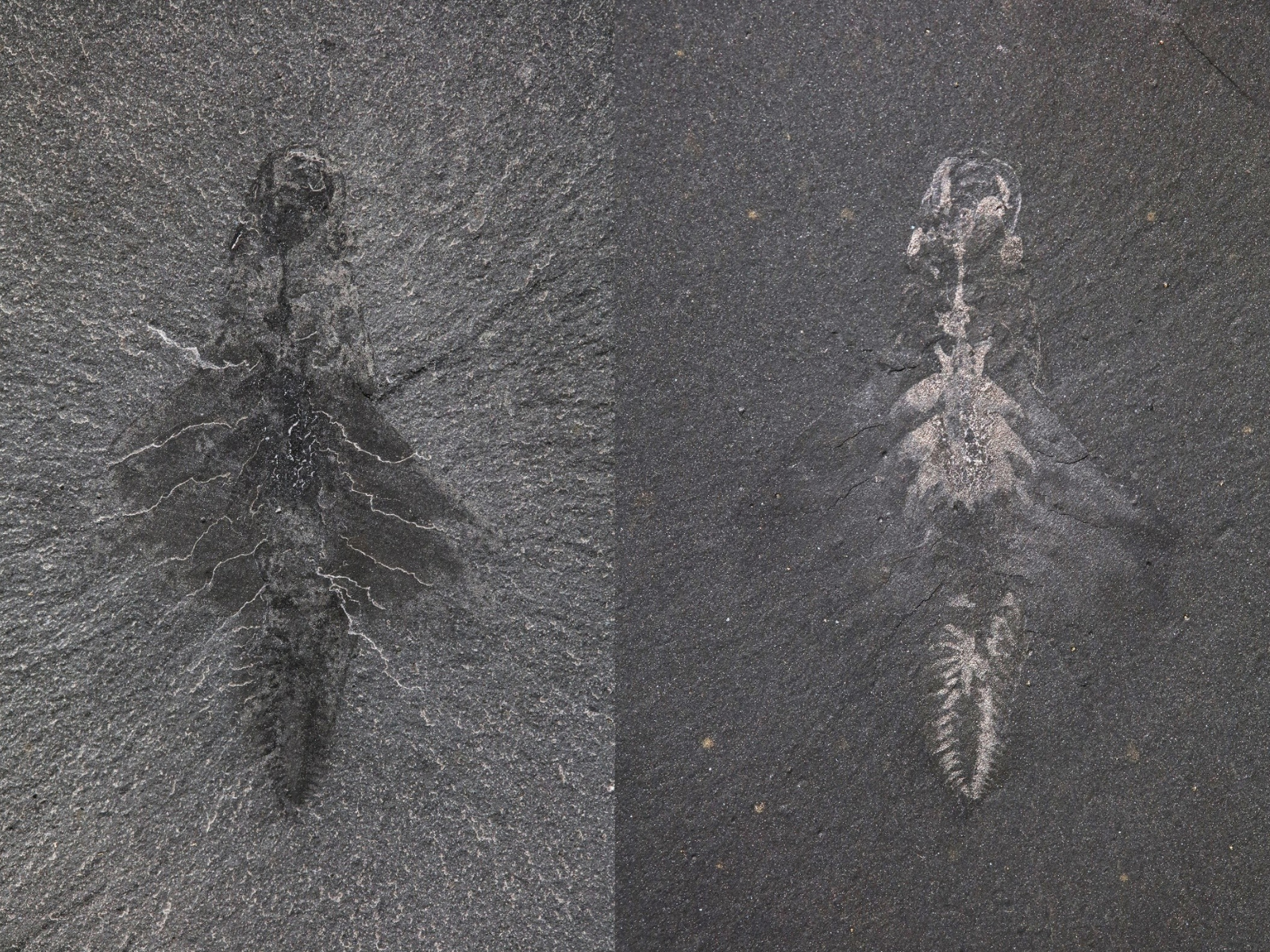
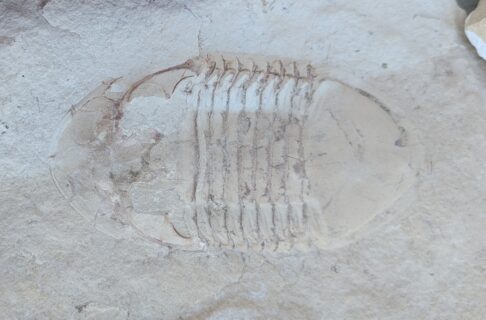
Specimen of Mosura fentoni, photographed under different lighting conditions. Left photo shows the body outline while right one shows details of the brain and circulatory system! Photos by Jean-Bernard Caron © Royal Ontario Museum.
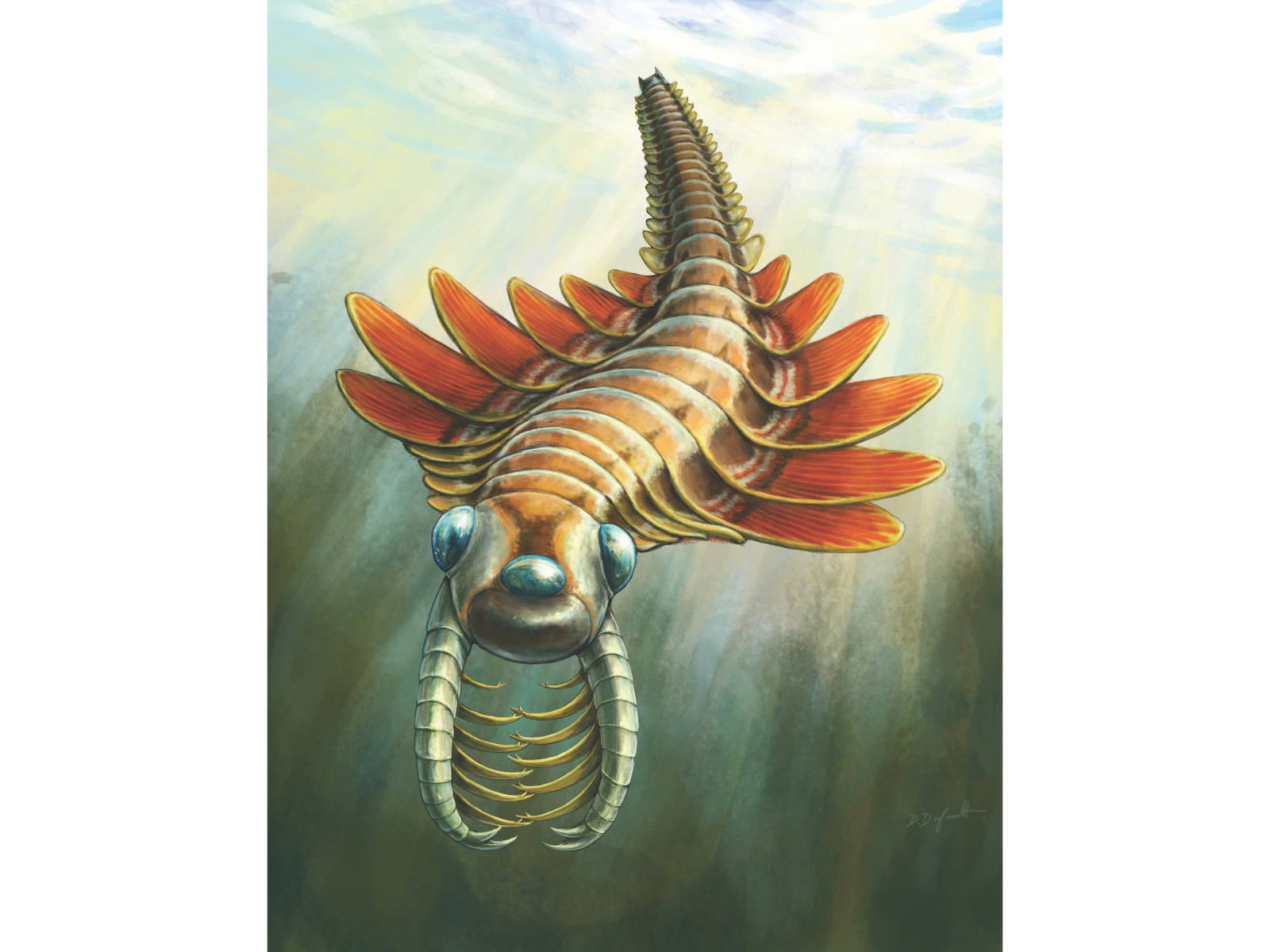
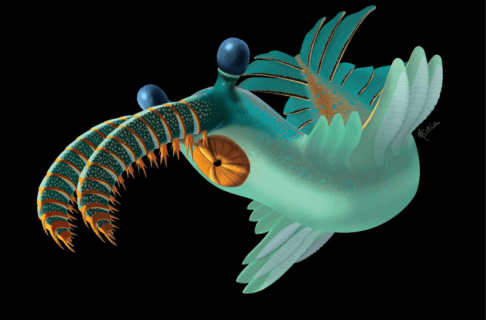
Reconstruction of Mosura fentoni, which was named in 2025. Its name was inspired by its moth-like appearance, in reference to the Japanese movie monster Mothra! Art by Danielle Dufault © Royal Ontario Museum.
The exhibit “Weird wonders from the dawn of complex life” is on display in the Museum foyer and is FREE to view! While you’re visiting, come and check out other new additions to the Galleries, such as our Ice Age mural, a brand-new installation in the Earth History Gallery.