
Posted on: Thursday October 16, 2025
One of the core activities of natural history collections is the loaning out of material. These temporary exits of objects from the museum allow for a variety of uses. Last year, 114 natural history specimens were loaned out and 225 specimens returned from loans, all contributing to scientific publications, improved identification, community accessibility, and much more. In this blog, learn about one of the less well-known aspects of museum collections work, and how the accessibility of museum specimens works behind-the-scenes as well as in the galleries.
Loans are primarily for research and exhibit purposes, and are made at the request of an institution (museum, gallery, university, etc.) or professional affiliate (PhD student, research associate, curator, etc.). In the case of research loans, specimens may be transported for research processes such as CT scanning, photography, sampling, measurement, or other analyses. Specimens loaned for exhibits are quite straightforward, on display for a different institution’s audience for a limited time.
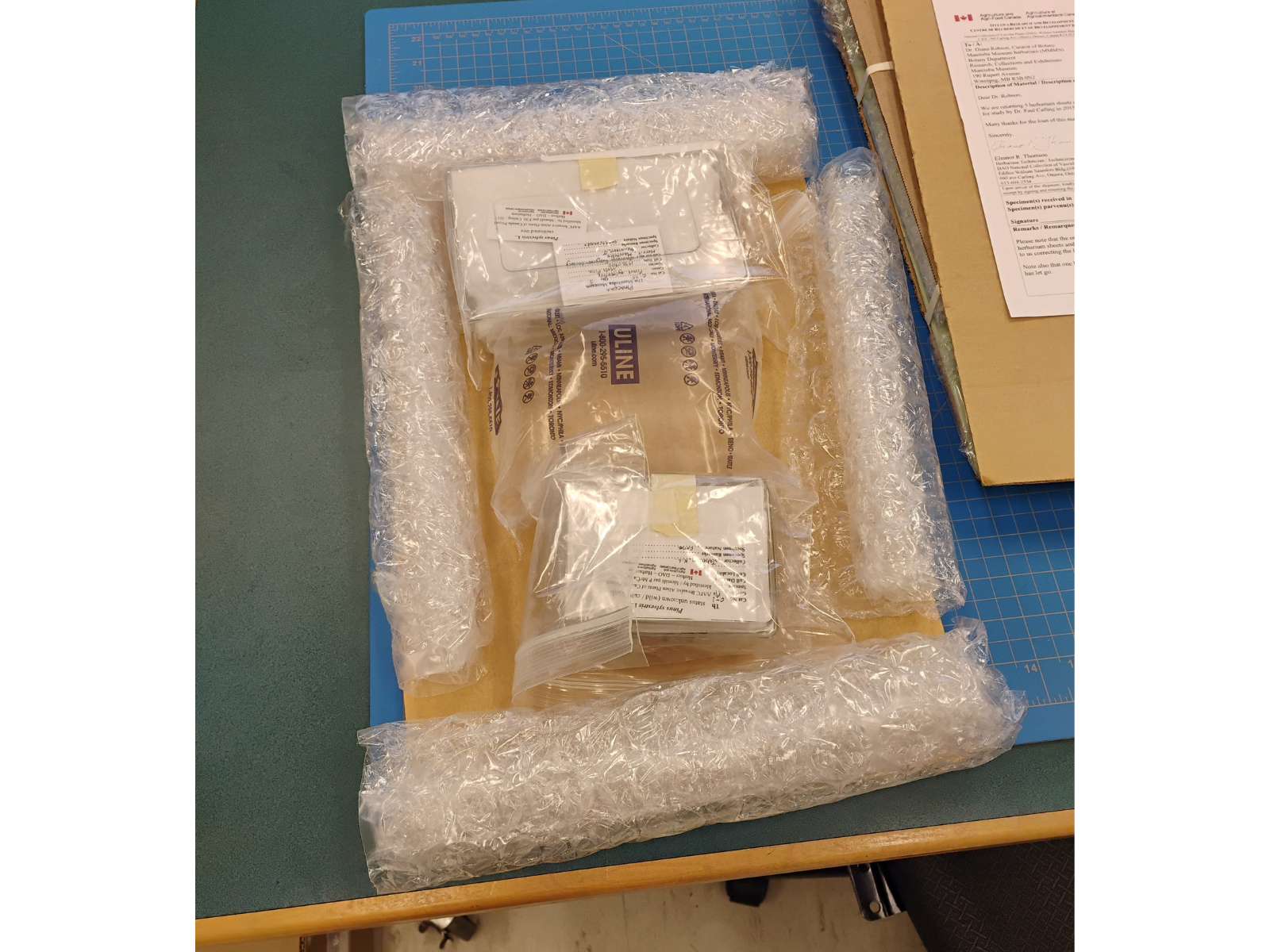
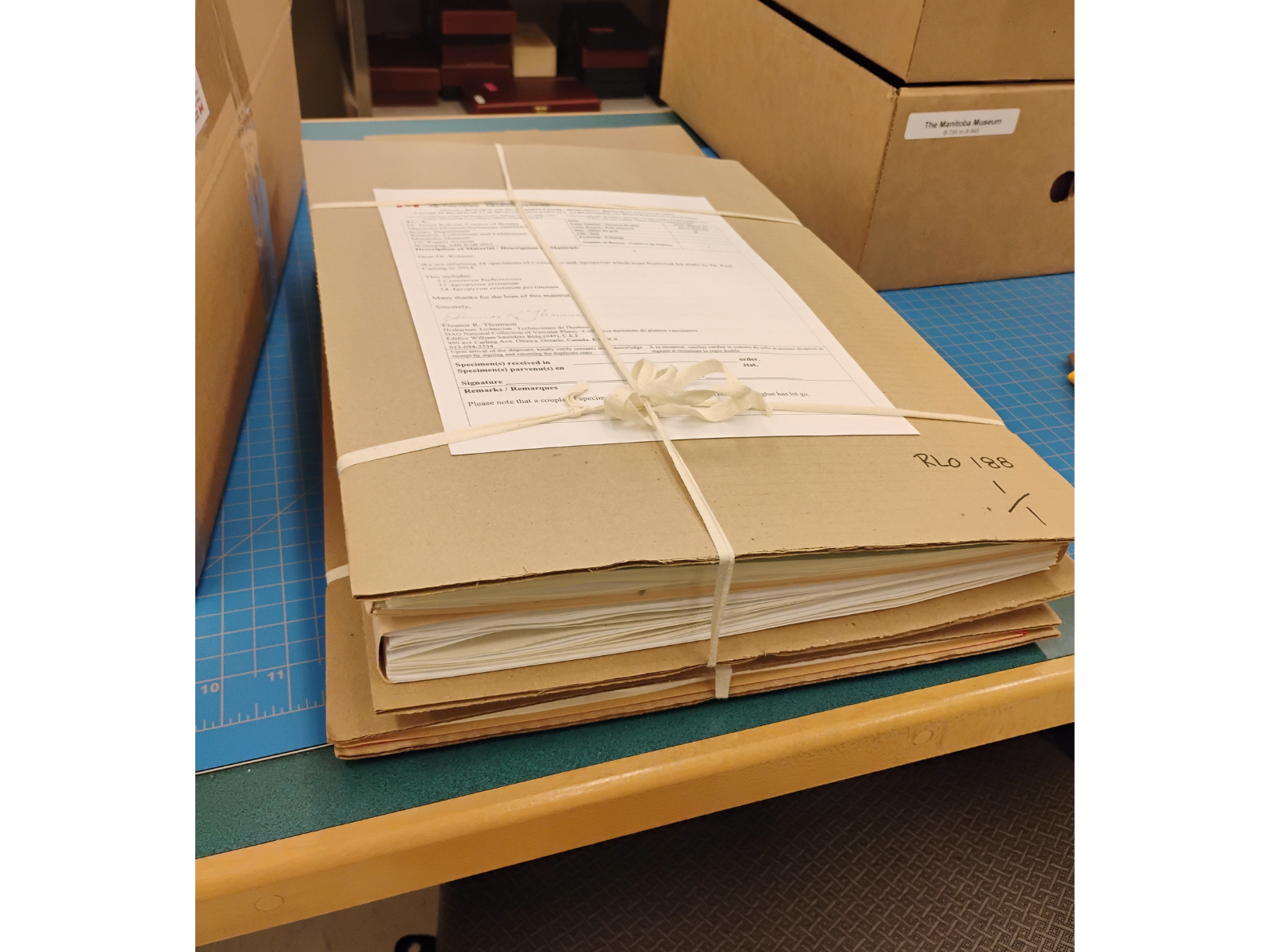
A loan of Manitoba Museum herbarium sheets and pinecones shipped back from researchers at the DAO (Dept. of Agriculture, Ottawa) National Collection of Vascular Plants. ©Manitoba Museum
Our natural history specimens can also be loaned out at the request of the Manitoba Museum itself, in special cases of community outreach or for analysis by an expert at another institution. For example: over a hundred moss specimens were loaned out by the Museum to the botany department at the Canadian Museum of Nature, and all of them returned with identification to species level. The cougar skeleton on display in the Parklands Gallery was loaned out to a preparator in order to become a mount.

A specimen returned from loan to the Canadian Museum of Nature with further identification details. ©Manitoba Museum
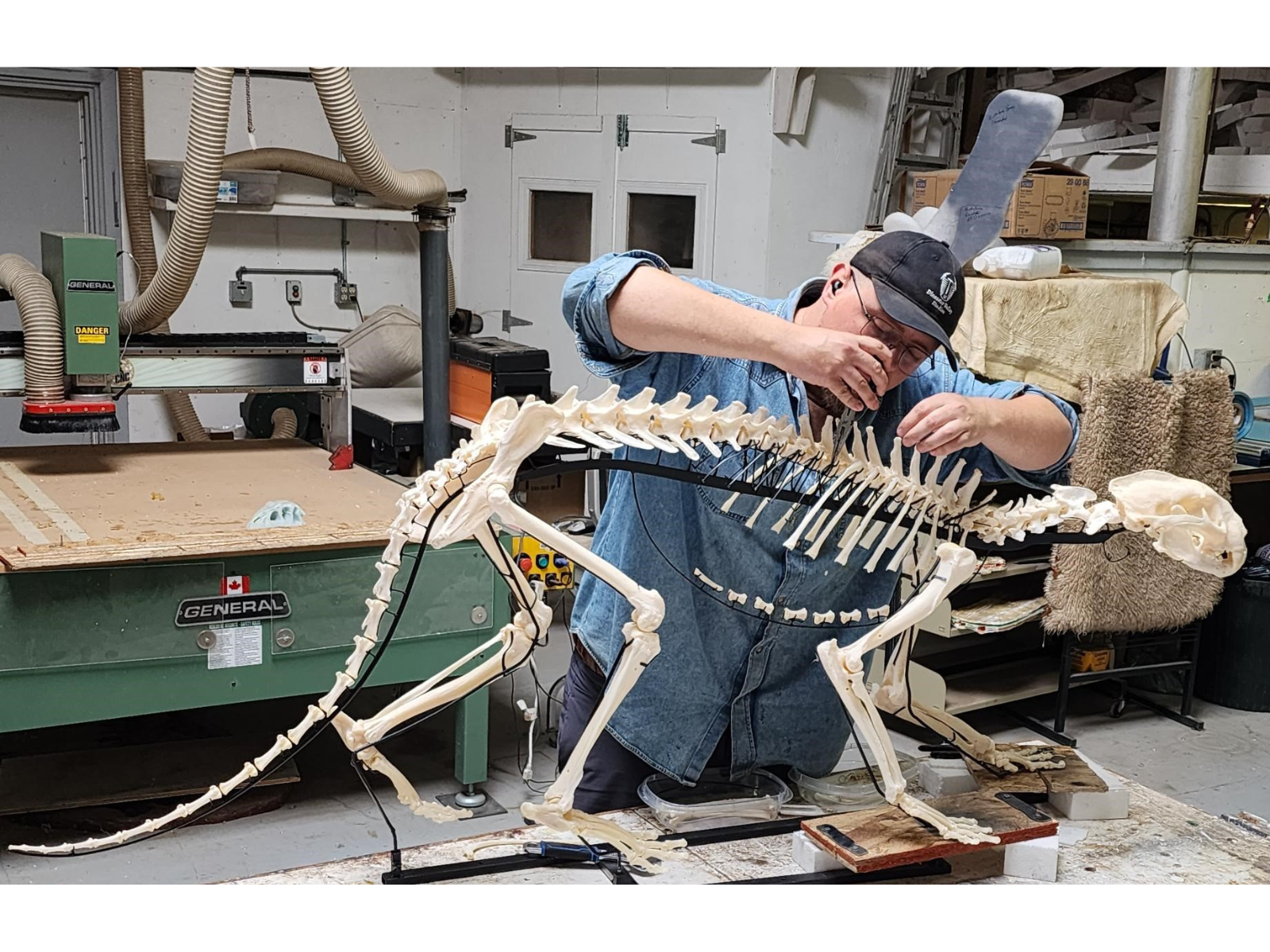
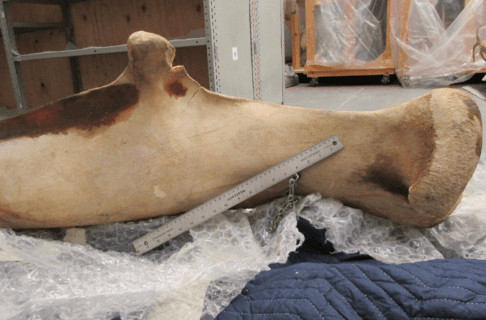
The skeleton of SK10 being mounted for exhibit. Each bone sits in a unique cradle that permits removal for later research. ©Manitoba Museum
Loans provide access to scientific data, an important principle related to the reproducibility of modern research. Providing this access increases the amount of reputable natural science connections to Museum-held specimens, which in turn supports the usage of collections. Accessibility, usage, and preservation of physical specimens and their data contribute to the functioning of the collections and exemplifies one of the crucial roles that museum collections play in bridging academia and public knowledge
The process of making a natural history loan starts with a request, either using the Museum’s online loan request form (click here for the request form) or in direct communication with the curator. This request is fine-tuned between the borrower, the curator, and collections staff, and is submitted to the Museum’s Collections Committee for approval.
A number of factors are assessed before a loan request for natural history material is approved, as there are always risks to weigh in the balance of facilitating the greatest scientific and public access to natural history specimens. Collections and conservation staff must confirm that the specimen’s condition is sufficiently stable for transportation, handling, or display. We must also confirm that the institution loaning it can provide a secure and conservation-grade environment for the material to be in for the duration of the loan.
A research loan request is also determined by whether the material can feasibly be analysed by a visitor on-site rather than sent out of the Museum, particularly when it involves material of major scientific or monetary value. In international cases, collections staff may have to determine the need for export permits, or reject a loan request because of international restrictions or regulations. If the loan request involves destructive sampling (such as for mould-making, carbon-dating, or isotope analysis), curators and collections staff must decide if there is sufficient specimen material in the right condition for part of the specimen to be permanently removed.
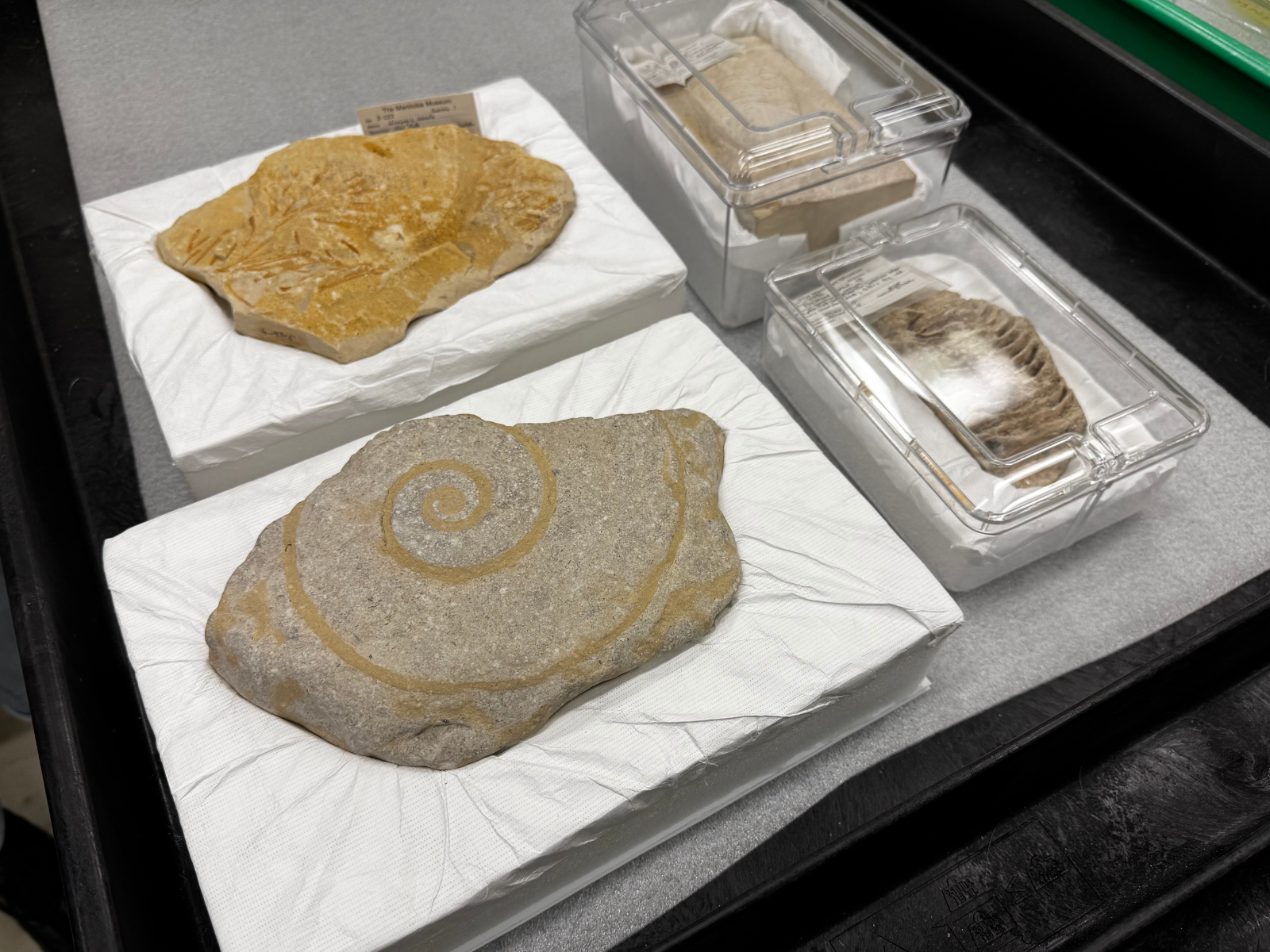
Specimens packed for hand-carry transport. ©Manitoba Museum
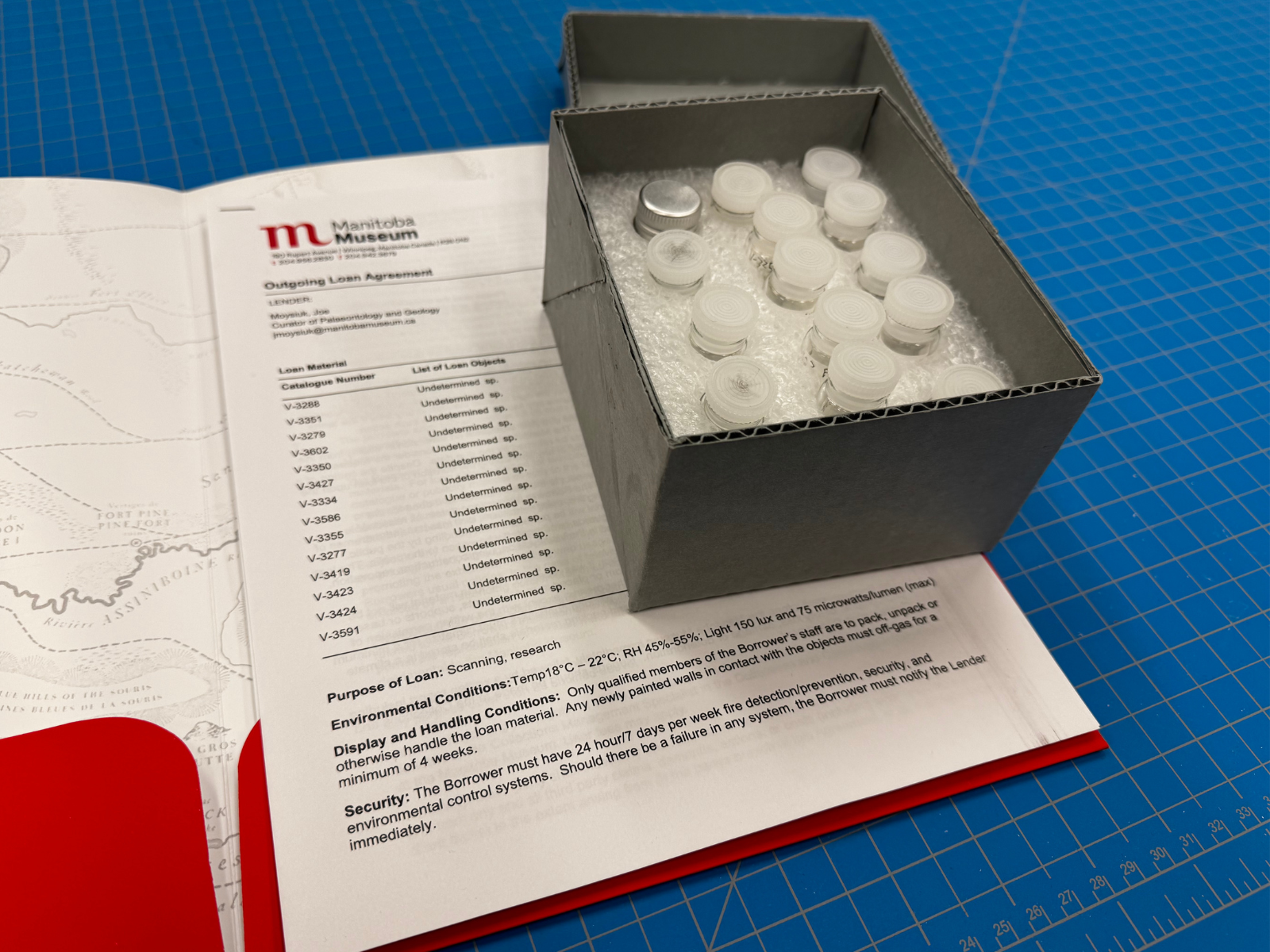
A loan ready to go out, with its accompanying Outgoing Loan Agreement. ©Manitoba Museum
Once the loan is approved, conservators and collections staff make a condition report for each specimen to be loaned, which records the physical state of the specimen before it leaves the Museum. The loan agreement paperwork is signed by the borrower and the relevant curator. Collections staff update the location of each specimen in the database, so that if someone is looking for that specimen while it is on loan, they know where it is. The specimens are packed for transport, either for hand-carry or in the mail, using conservation grade packing materials and sometimes special transport cases.
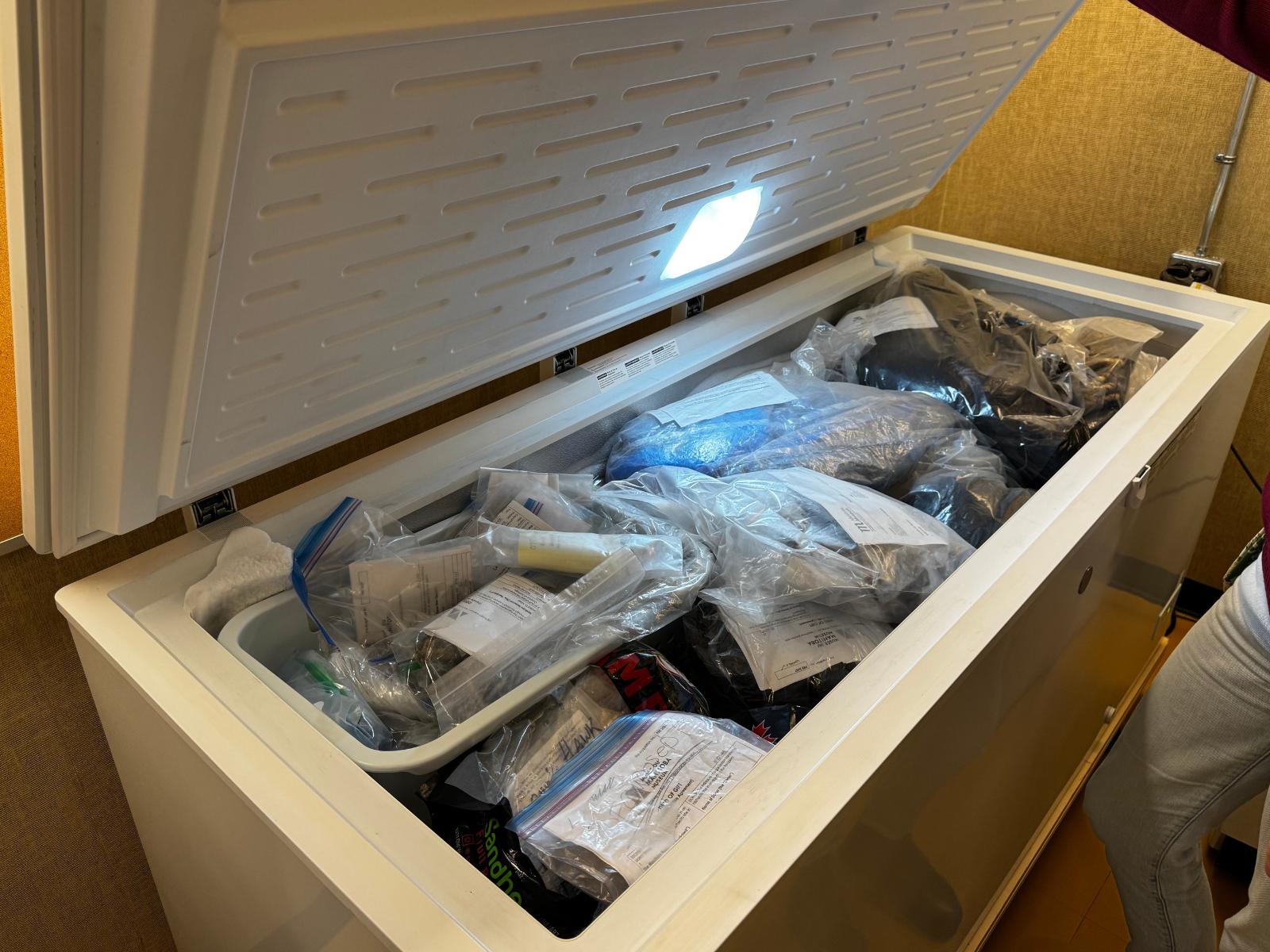
Eventually at the agreed-upon date, the loan will be returned to the Museum, and all of the above happens in reverse: loan return paperwork is signed, the specimens are unpacked, condition reports written to record the specimen’s (ideally unchanged) state, and the specimen’s location is updated in the database. Often, the return of a loan for scientific research is accompanied by identification annotations, citations in publications, or other findings about the specimen. Depending on the nature of the specimen, it may be quarantined or frozen before finally being returned to its normal storage place in the collections.
Image: A chest freezer packed with individually bagged specimens returned from loan, or new acquisitions entering the Museum. ©Manitoba Museum
All collections usage is important to track, and the results of such usage are vital to the continued development of specimen records, which are not static files but rather ever-evolving informational assemblages. Records with a rich history of usage contain not only physical data about the specimen, but connections to people, places, events, research projects, and more. At many other museums around the world data regarding collections use can be disseminated to national or provincial funding bodies to elucidate the impact that the museum collections have for the public and scientific communities.