

Posted on: Thursday March 5, 2015
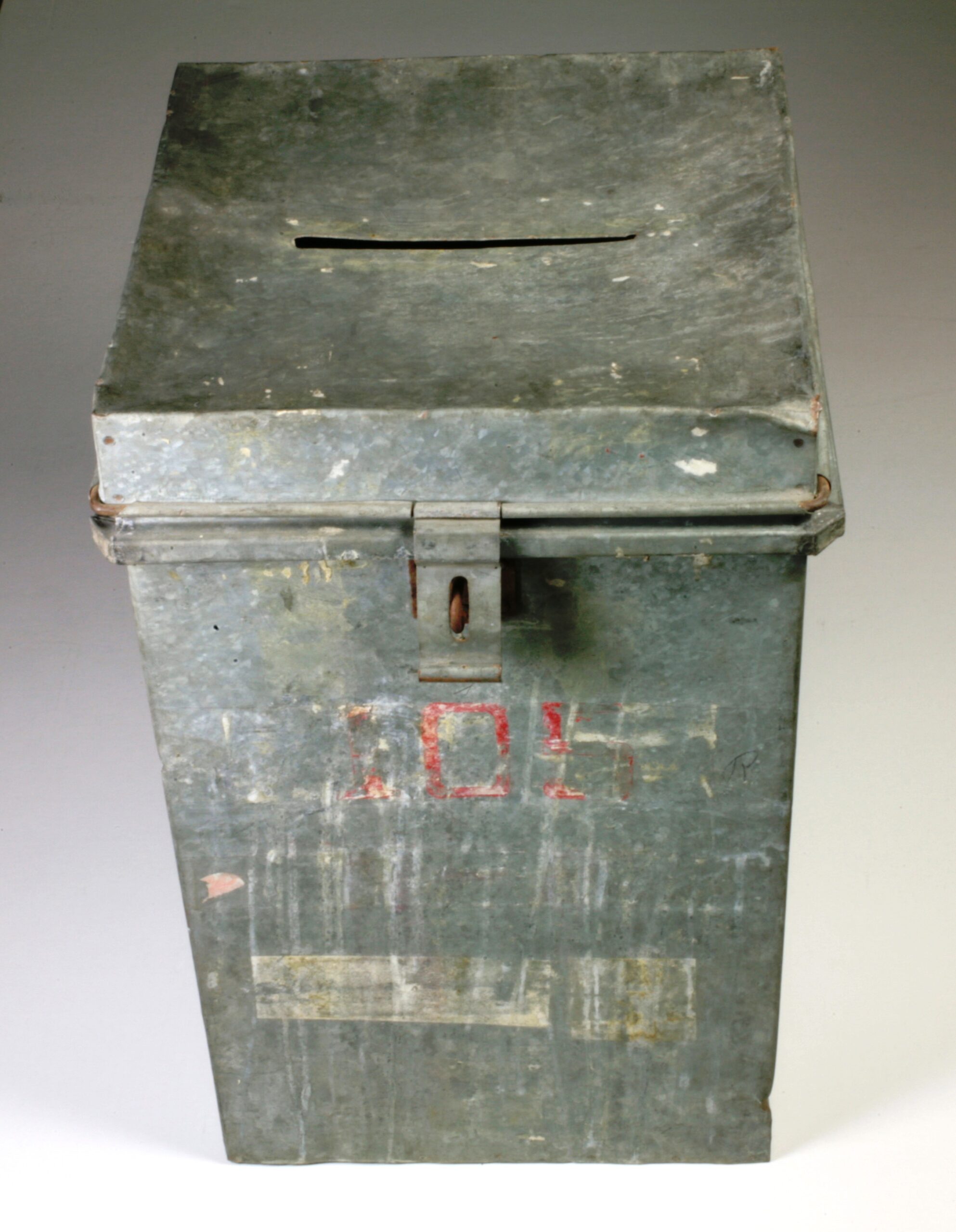
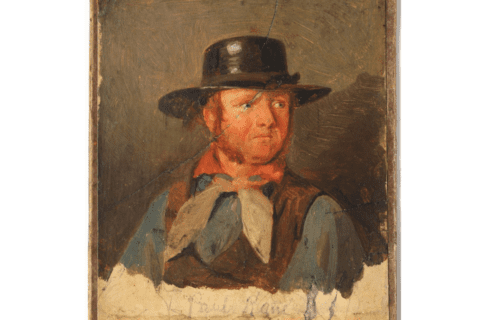
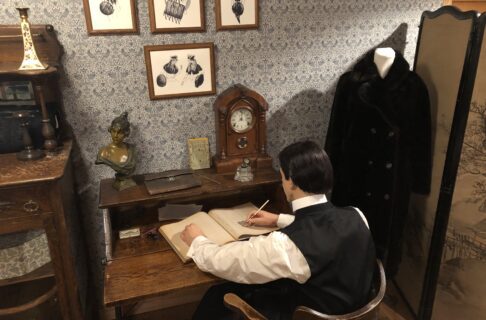
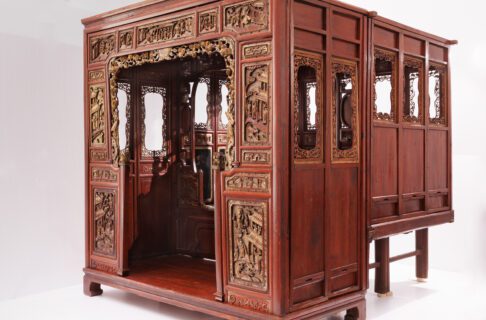
Okay, so artifacts can’t really smile but they are regularly involved in photo shoots, and with the right photographer these pieces of history can really shine.
One way we preserve our collections is by properly documenting the artefacts through photography. We can then use these photos for research, exhibits, publications, and to provide a visual in our database.
Taking pictures of artifacts is not easy. You’d think it would be because the thing doesn’t move around like a human or animal subject, but trust me when I say it’s not. That’s why I hire a professional to assist when I want high-quality photographs of the HBC Museum Collection.
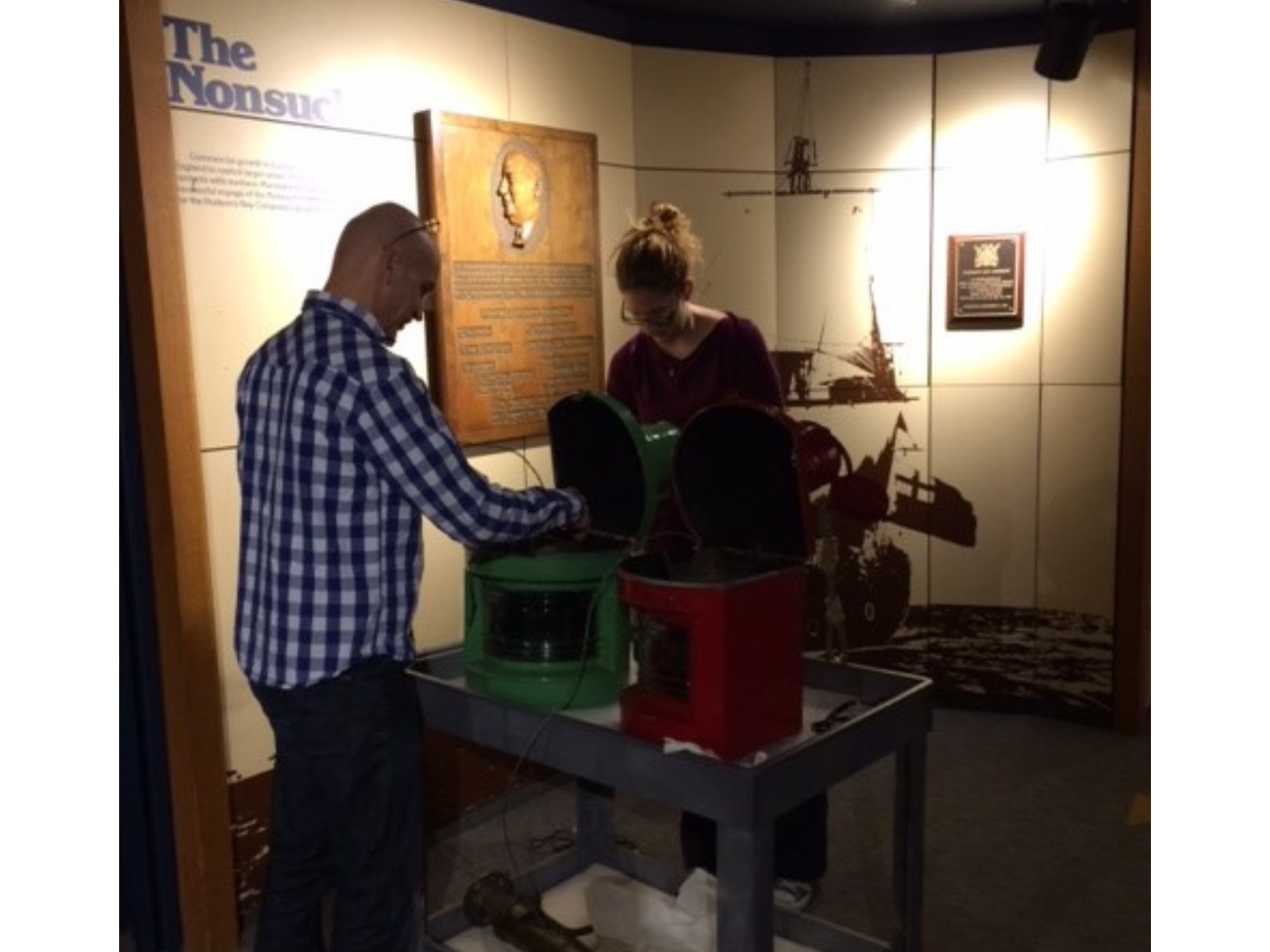
Rob Barrow is a Winnipeg photographer with extensive experience running photo shoots for artifacts. Recently I asked him to come in to snap some pictures of artifacts that are currently on display in the HBC Gallery since the cases were being opened for regular cleaning and maintenance.
Although I know artifacts aren’t the only thing Rob photographs, he has a real knack for this. He gets the lighting just right, knows where to zoom in for some detailed shots, and can even make the most mundane piece shine like a star. He might even put the artifacts at ease…although I have yet to hear him utter cliche phrases like “work it, work it” or “you’re a tiger” but maybe he waits until I’m gone to offer such motivation. As someone who speaks to the artifacts in her collection I am not judging one bit!
Check out these recent photos and see for yourself.
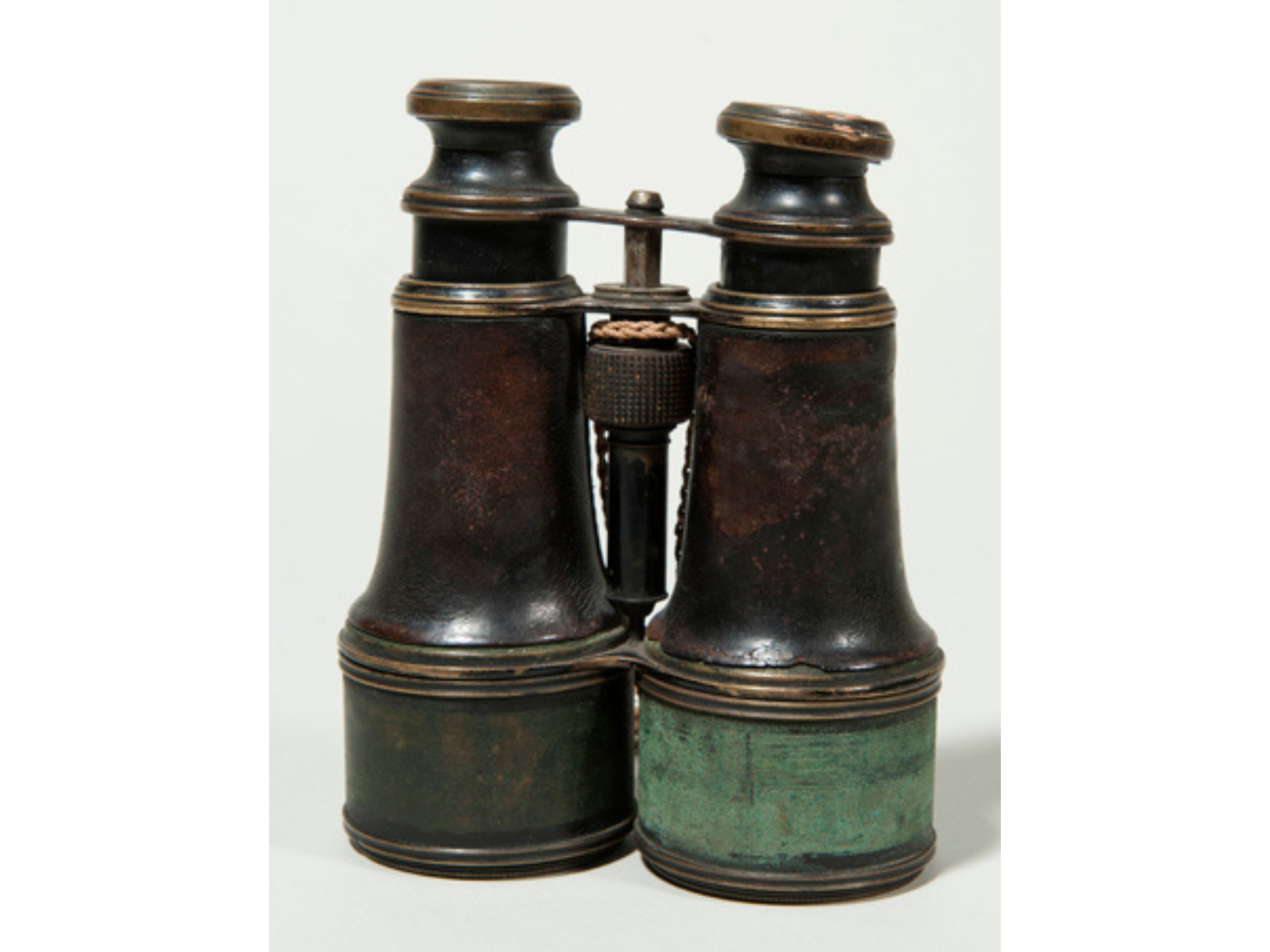
Binoculars that belonged to George Simpson McTavish Jr., Chief Factor for HBC in 1880s.
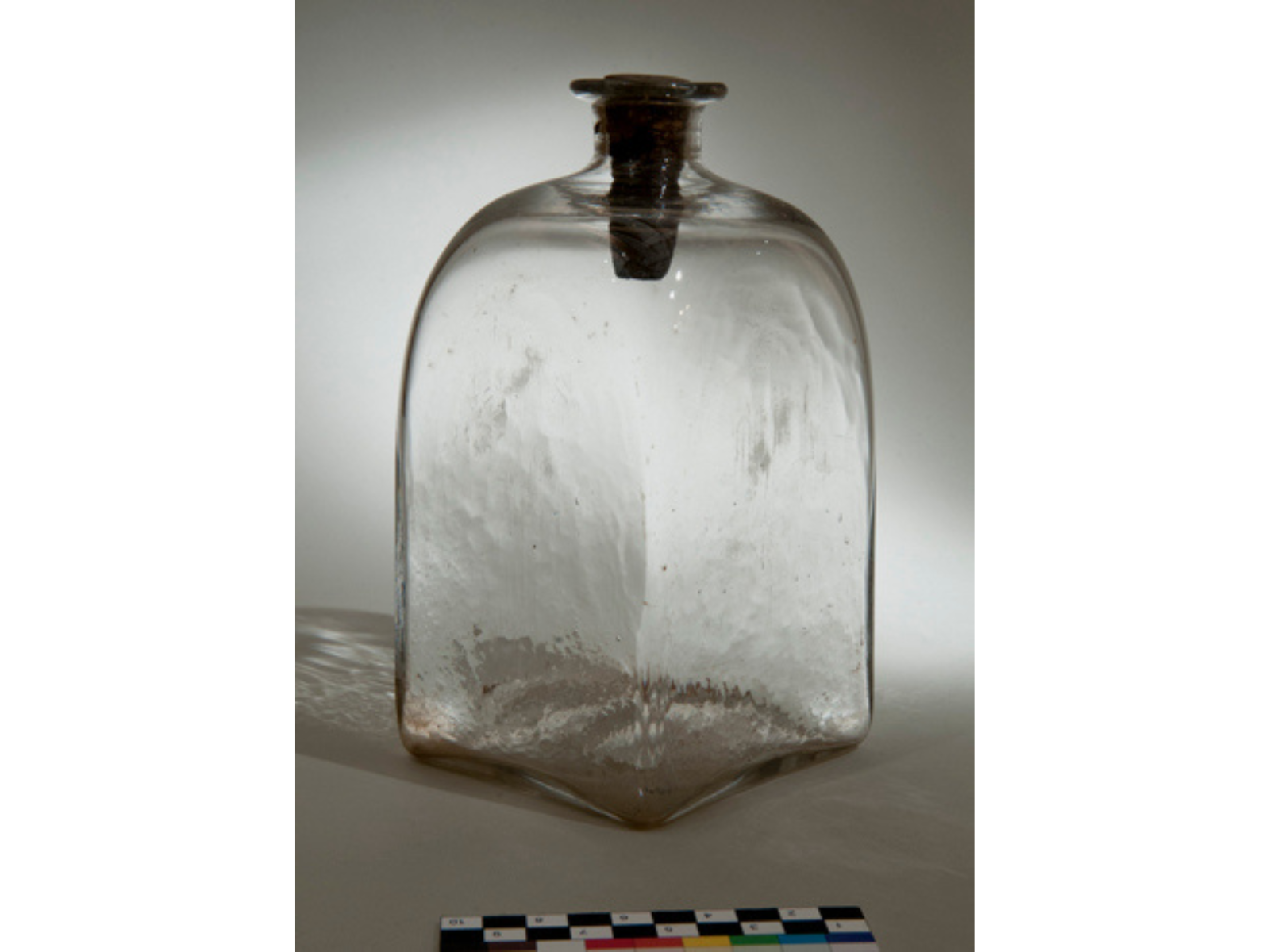
A cubic-based clear glass bottle coming to a corked neck at the top.
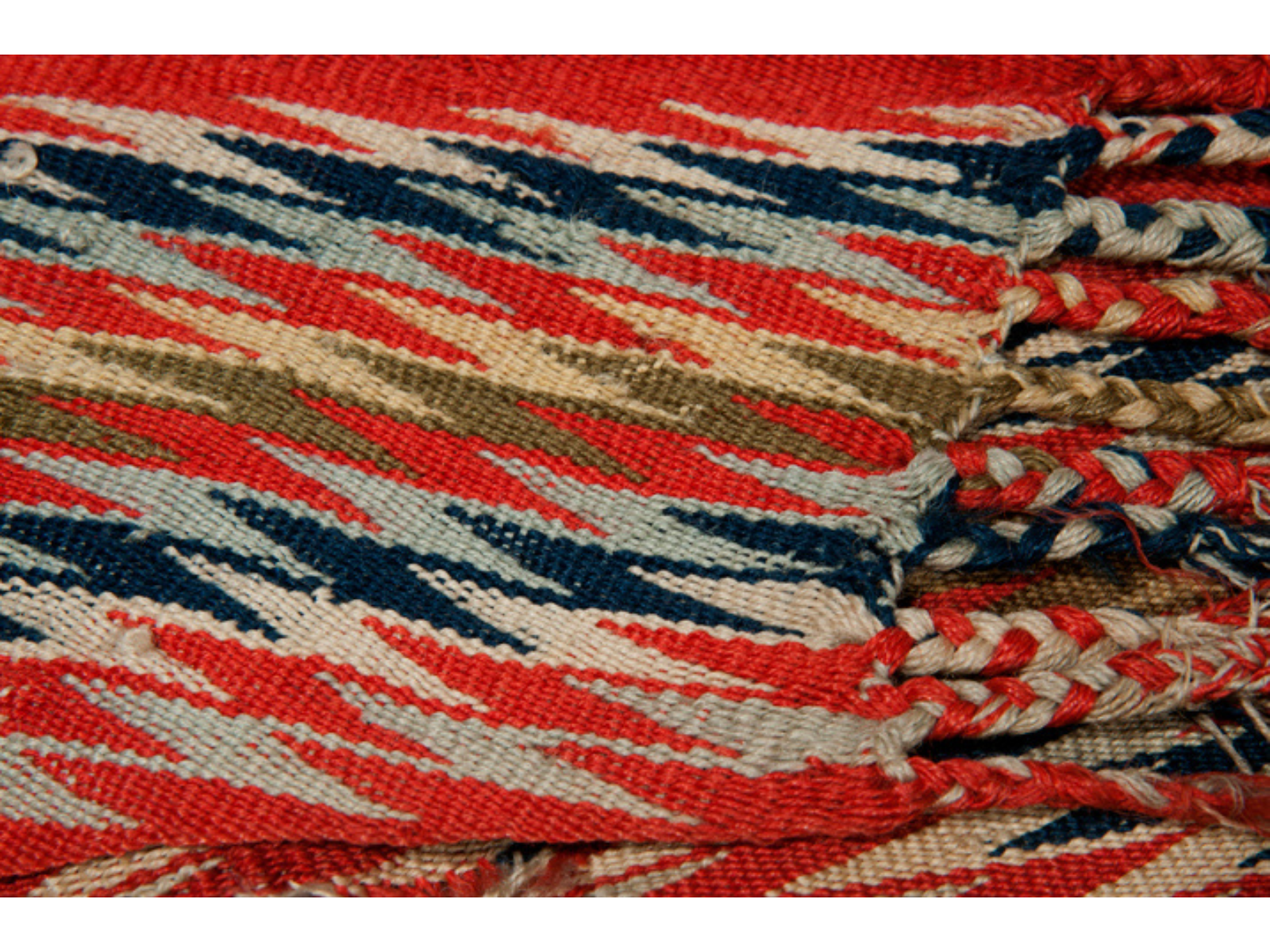
Detailed shot of ceintre fleeche owned by Jean Baptiste Lagimodiere (1778-1855).
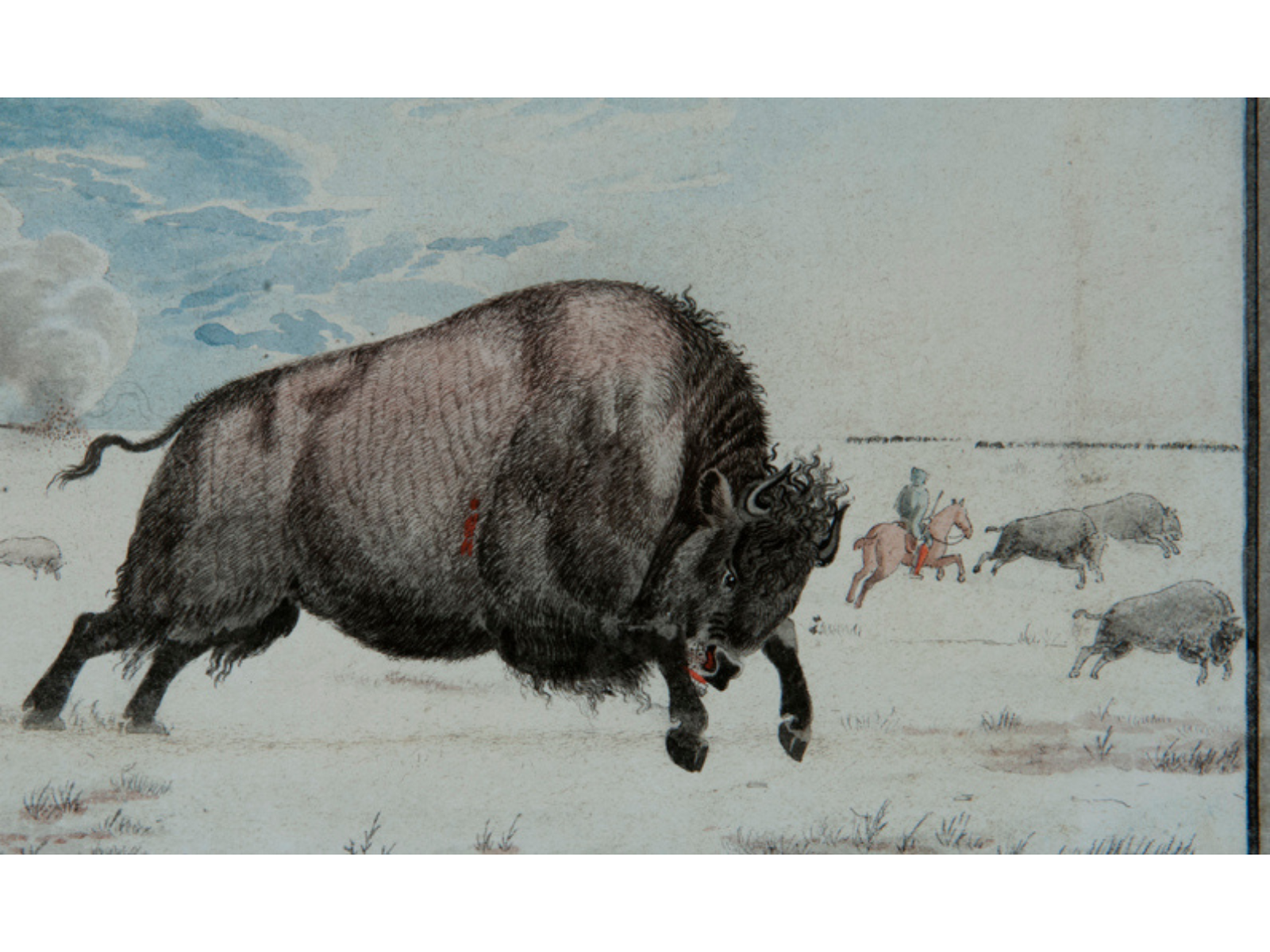
Detailed shot of bison in one of Peter Rindisbacher’s paintings (ca. 1822-1824).




 A number of events have occurred this past year that are noteworthy. The book