

Posted on: Friday September 12, 2025
By Dorota Blumczyńska, Manitoba Museum CEO, and Dr. Amelia Fay, Curator of Anthropology & HBC Museum Collection
Repatriation means returning belongings—including ceremonial or sacred items—to the First Nations, Inuit, or Métis communities they came from. These may have been taken without consent, acquired under duress, or have limited provenance information regarding how they came into the Museum. Returning them is not just the right thing to do—it is essential to healing.

For Indigenous communities, repatriation is deeply meaningful. These belongings are not just historical artifacts—they are relatives, teachers, and living parts of culture. Their return helps restore traditions, languages, ceremonies, and intergenerational knowledge.
For the Manitoba Museum, repatriation is about building respectful relationships. The Museum is changing. We are moving away from the idea of owning culture toward a model of shared stewardship, accountability, and reciprocity. Repatriation reflects our commitment to truth, reconciliation, and justice.
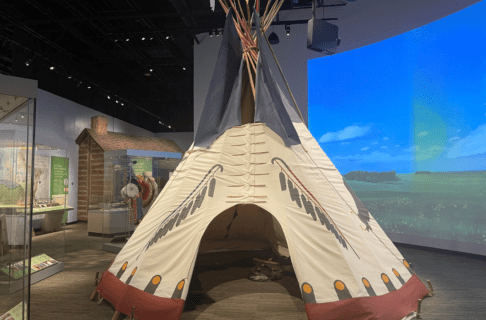
Image: Prairies Gallery in the Manitoba Museum. ©Manitoba Museum/Ian McCausland
So, how do we know who items belong to?
The Museum works with Elders, Knowledge Keepers, and Community Leaders, and closely reviews archives and donor records to try to learn the origins of each item. The Museum is responsible for gathering the necessary information to support the repatriation
What happens to the items when they are returned?
Once returned to their rightful community, items are often welcomed home through ceremony. The First Nations, Inuit, or Métis community will decide if they are placed in cultural centres or returned to active use. It is not up to the Museum to dictate the future of these belongings once they have been returned.
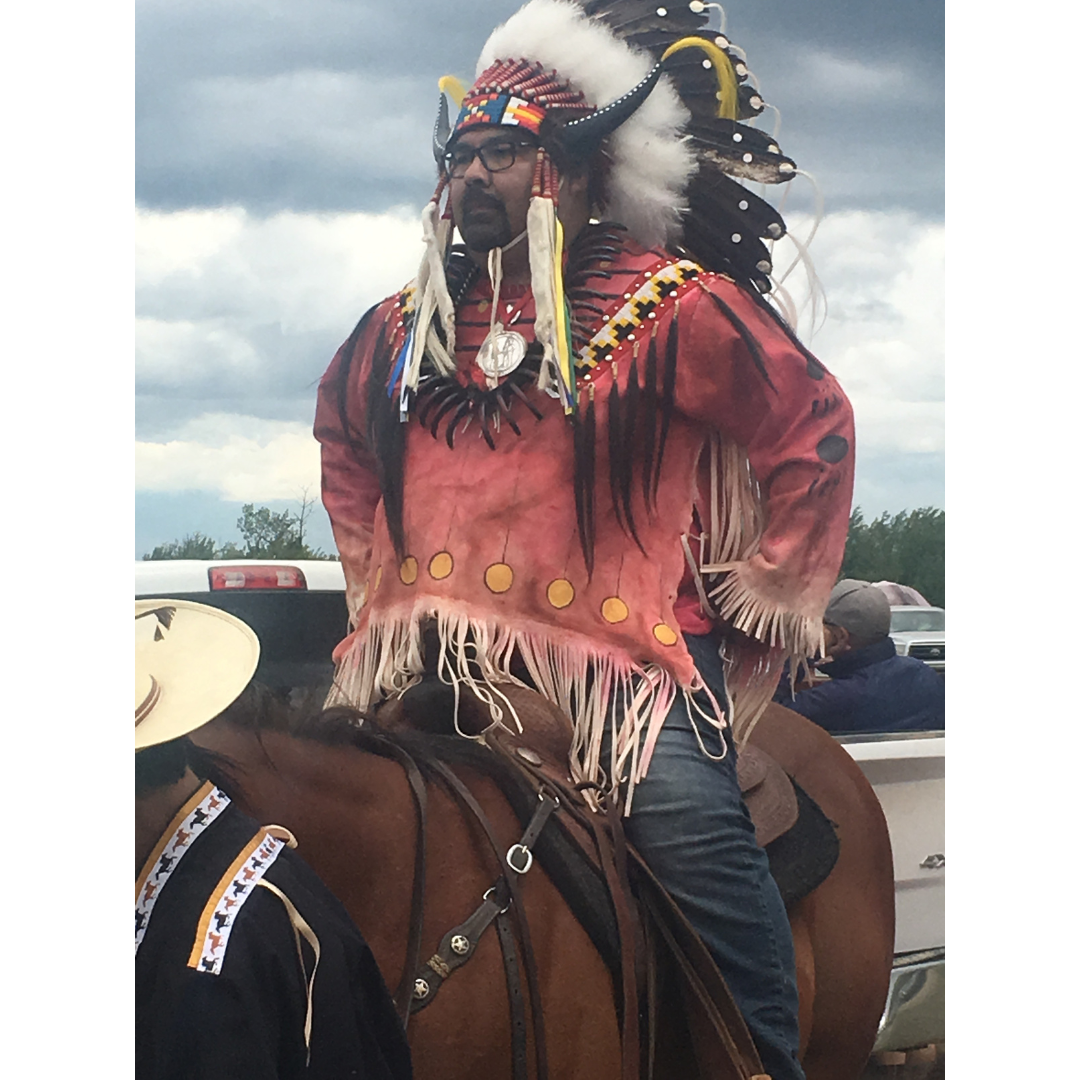
Chief Clint Wuttunee at the repatriation event during Red Pheasant First Nations’ Treaty Days. ©Manitoba Museum
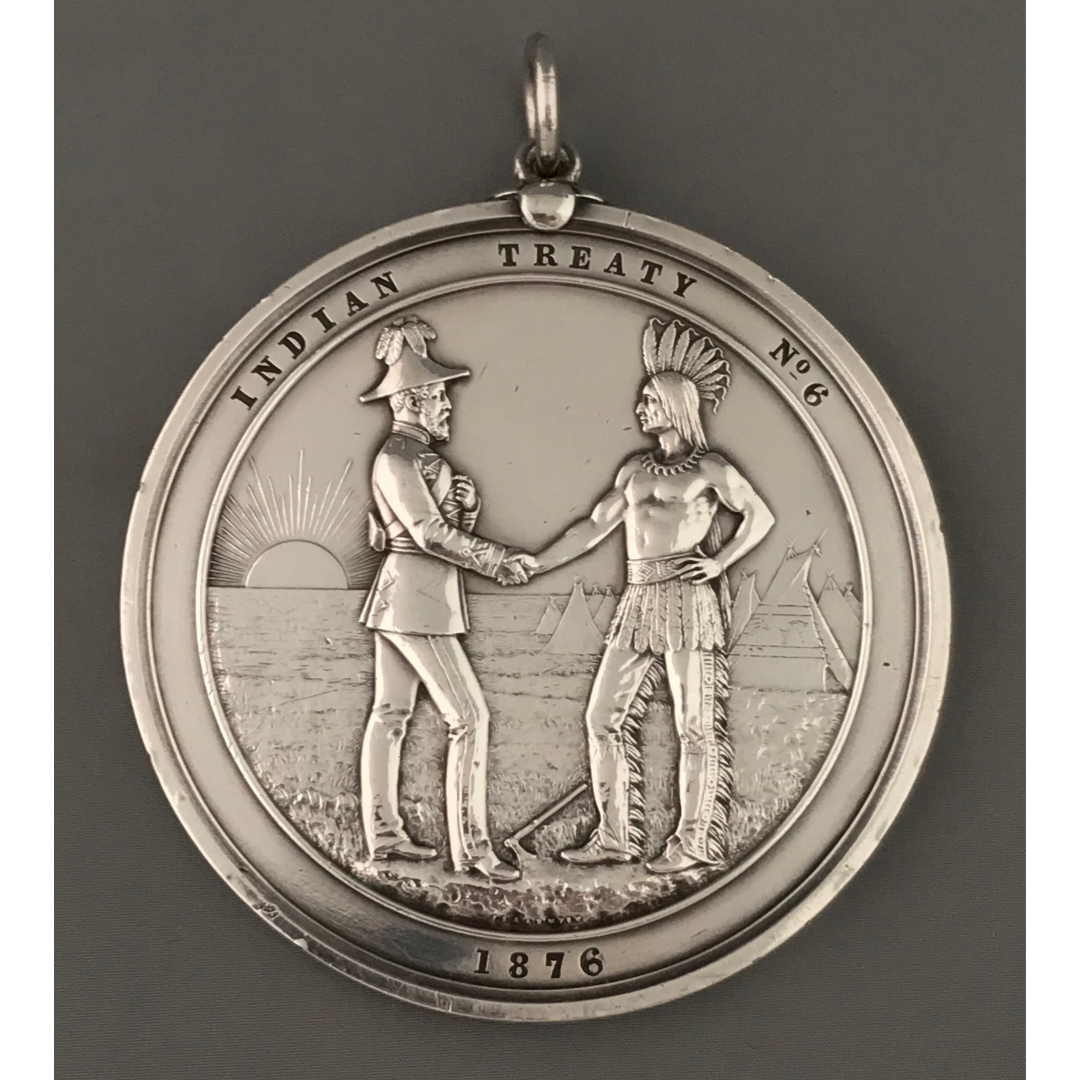
Treaty Number 6 medal, repatriated to Red Pheasant First Nation in 2019. ©Manitoba Museum
Repatriation acknowledges past wrongs, respects First Nations, Inuit, and Métis laws, and begins to repair harm. It reminds us that reconciliation is not a destination—it’s an ongoing responsibility. By returning what was never ours to keep, we take a small but meaningful step toward justice.

Dorota Blumczyńska
Manitoba Museum CEO