



Posted on: Wednesday October 13, 2010
By Kevin Brownlee, past Curator of Archaeology
I have long marveled at the beautiful stone woodworking tools that are in the archaeology collection at the Manitoba Museum and wondered what they were used for. It may seem like an odd question as these tools were obviously used for working wood. I wonder what past peoples made with these tools. Since understanding how all tools were used in the past is important for archaeologists, we are often searching for the invisible or the material culture that does not preserve. This is a major issue for archaeologists as we can only recover and study the durable material culture (stone, ceramic, bone). Non-durable items are rarely recovered and include items made from wood, bark, and hide. Although we can only study the durable material we must keep in mind the non-durable items that were used in the past.
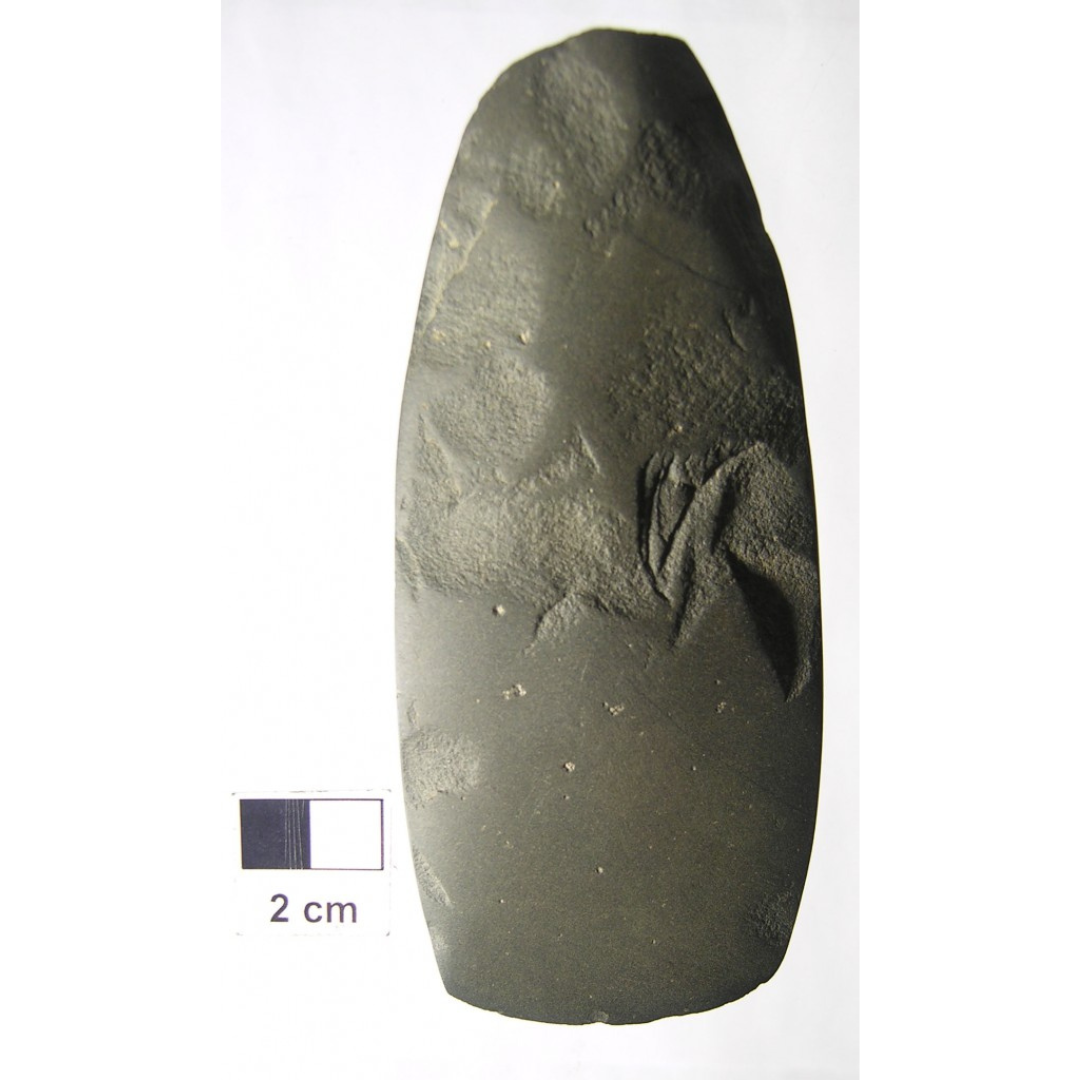
Stone Aaze from TMM collection.
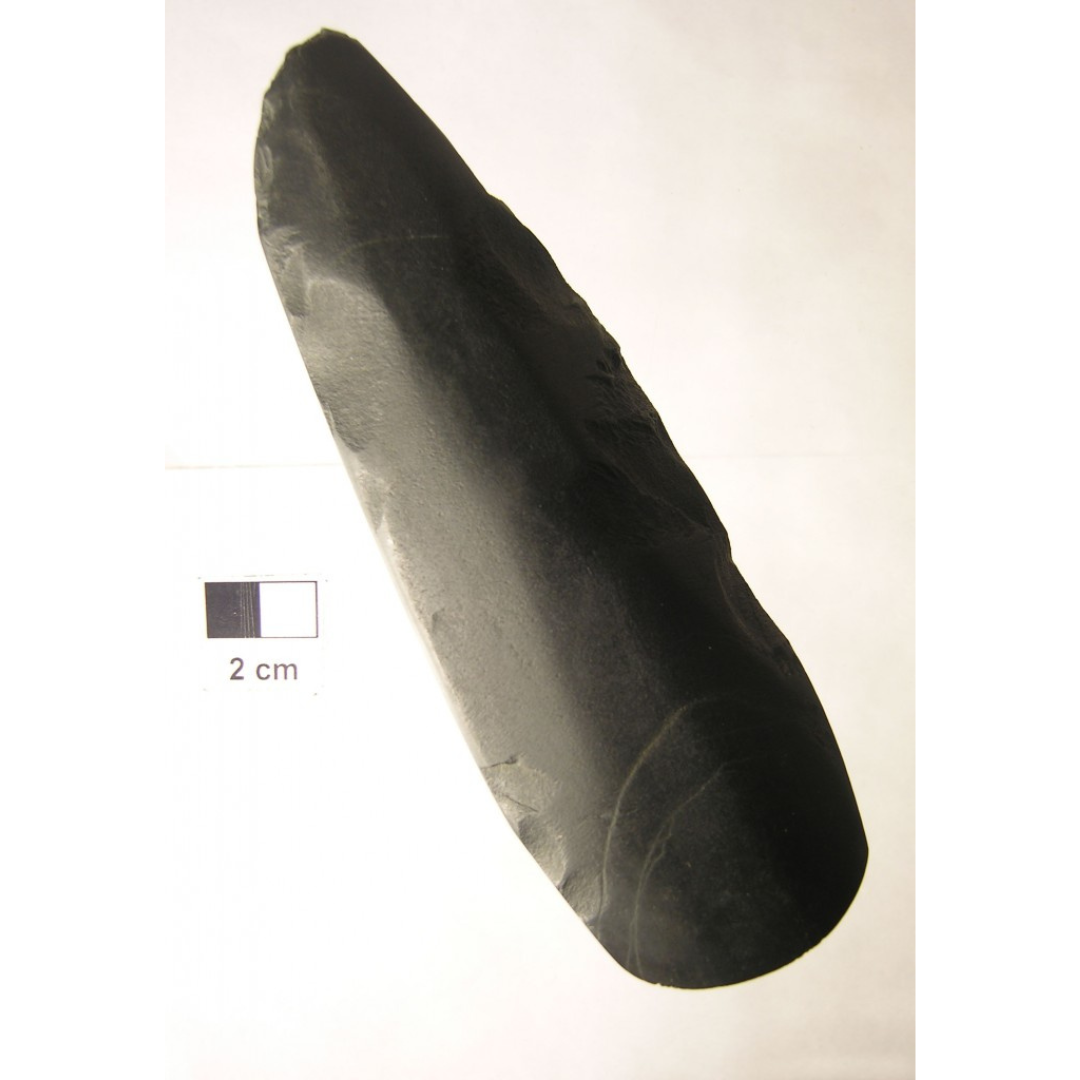
Stone adze from TMM collection.
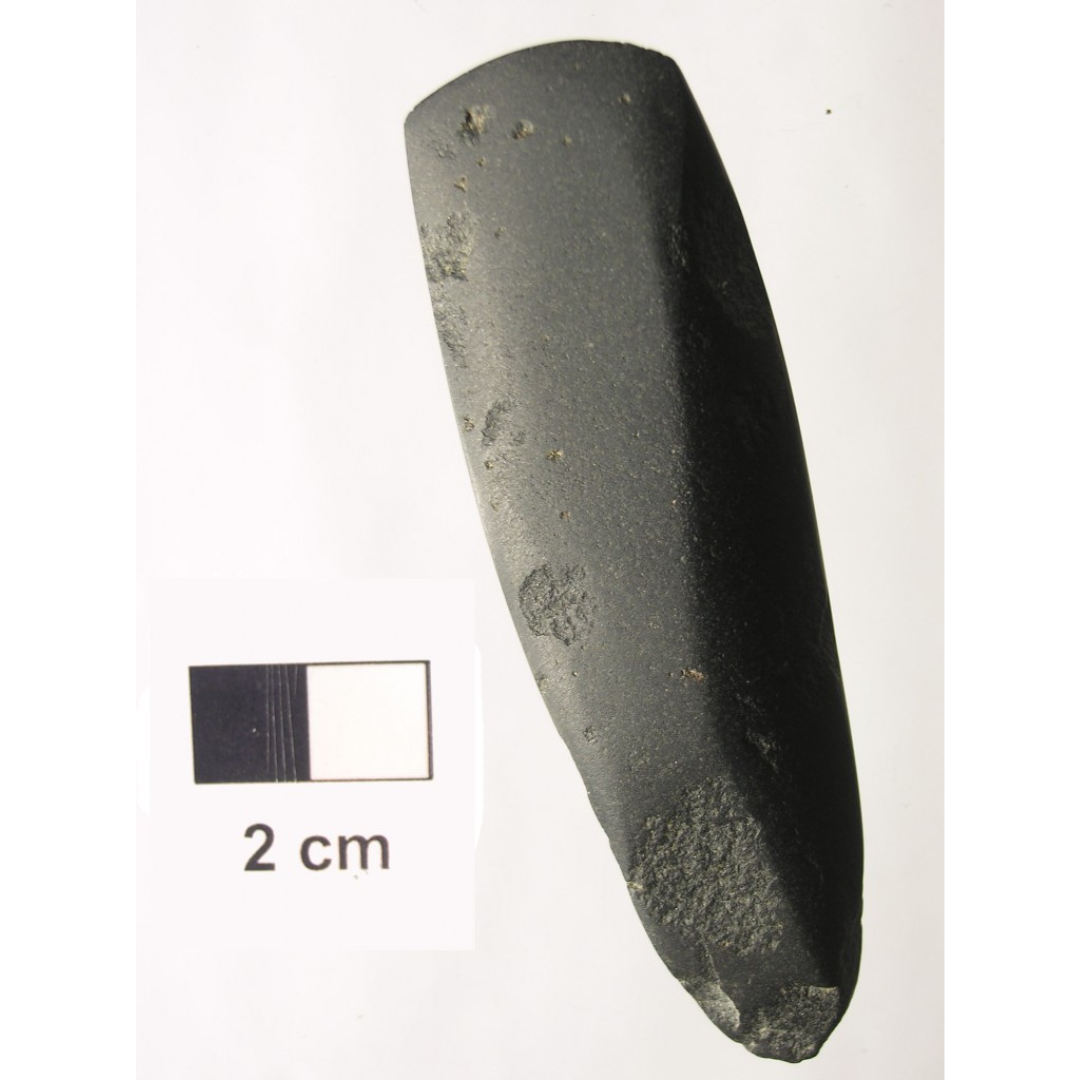
Stone adze from TMM collection.
The question remains… what were they making with these stone woodworking tools? Of course wood was very important to past people for constructing lodges; hide stretching frames and smoking racks. We also assume that finer items were carved including ladles, spoons, and bowls. Larger items were also manufactured including toboggans, snow shoe frames, paddles and canoes. By being aware of the non-durable materials and how durable items were used in the making of such items you can better appreciate the past and better interpret archaeological material.
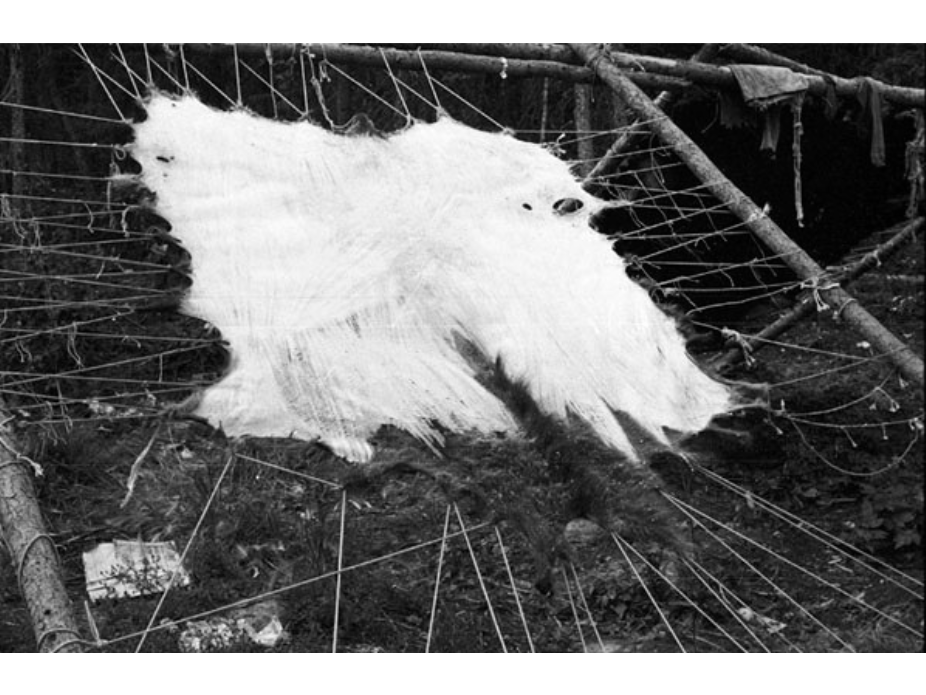
Moose hide on rack (TMM).
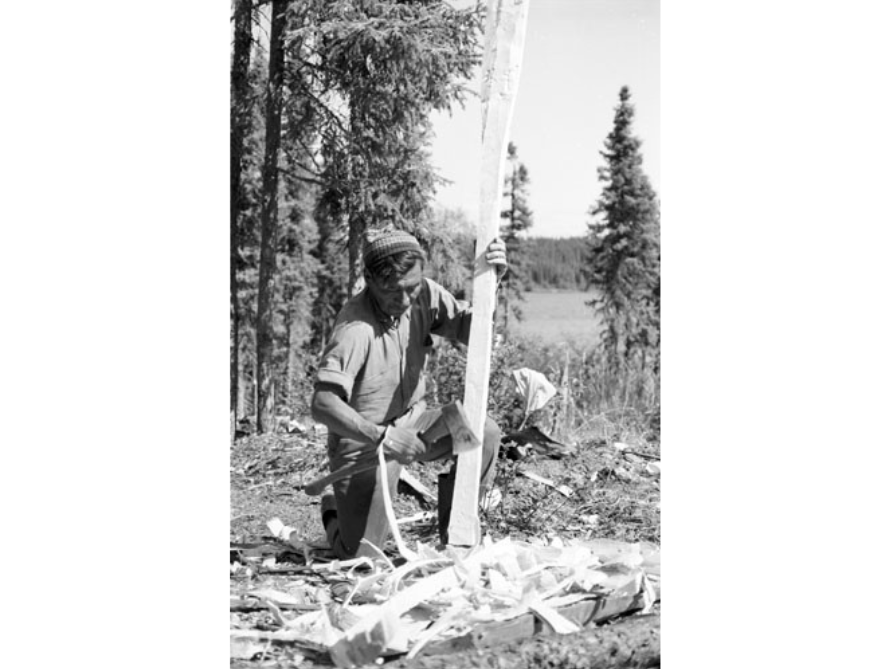
John B. Moose making paddle (TMM).
One of many sophisticated technologies developed by First Nation people was the birch bark canoe. How long ago these were developed is unknown but populating the dense boreal forest of northern Manitoba 7,000 years ago would have been impossible without some form of water transportation.
Birch bark canoes were encountered by Europeans at contact and were far superior to any European water craft. Europeans quickly abandoned their boats in favour of First Nation made bark canoes, which were light and easily navigated the rivers and lakes of the interior.
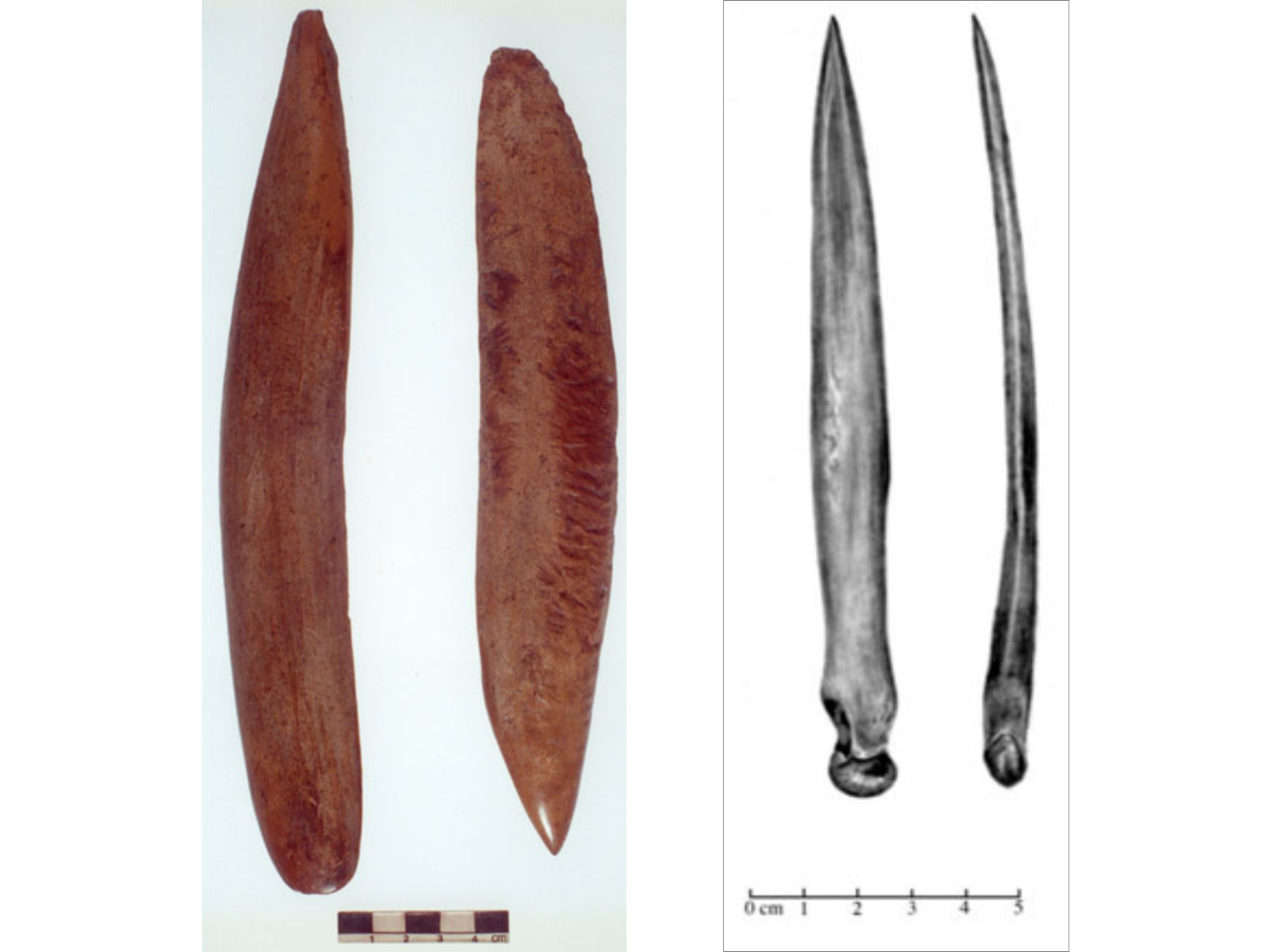
Contemporary birch bark canoe makers use a variety of tools including metal awls, axes, wooden wedges, froes, metal chisels, draw knives, and crooked knives. In the past bone awls, stone, antler and wood wedges, stone axes and adzes, bone chisels, and beaver incisors were used. We have found stone axes and adzes (woodworking tools), stone and antler wedges, bone awls, bone chisels at ancient camp sites and these may have been used in the manufacture of birch bark canoes. I had the good fortune this August to have the opportunity to participate in the making of a birch bark canoe. Although it was made during my vacation it gave me a better appreciation of this technology and how to interpret the archaeological collections at the Manitoba Museum.
Image: (Left) Antler pick and wedge (TMM), (Right) Moose bone awl drawing (TMM).
Stay tuned for my next blog that documents my experience in making and using a birch bark canoe.