


300 Years Later

300 Years Later

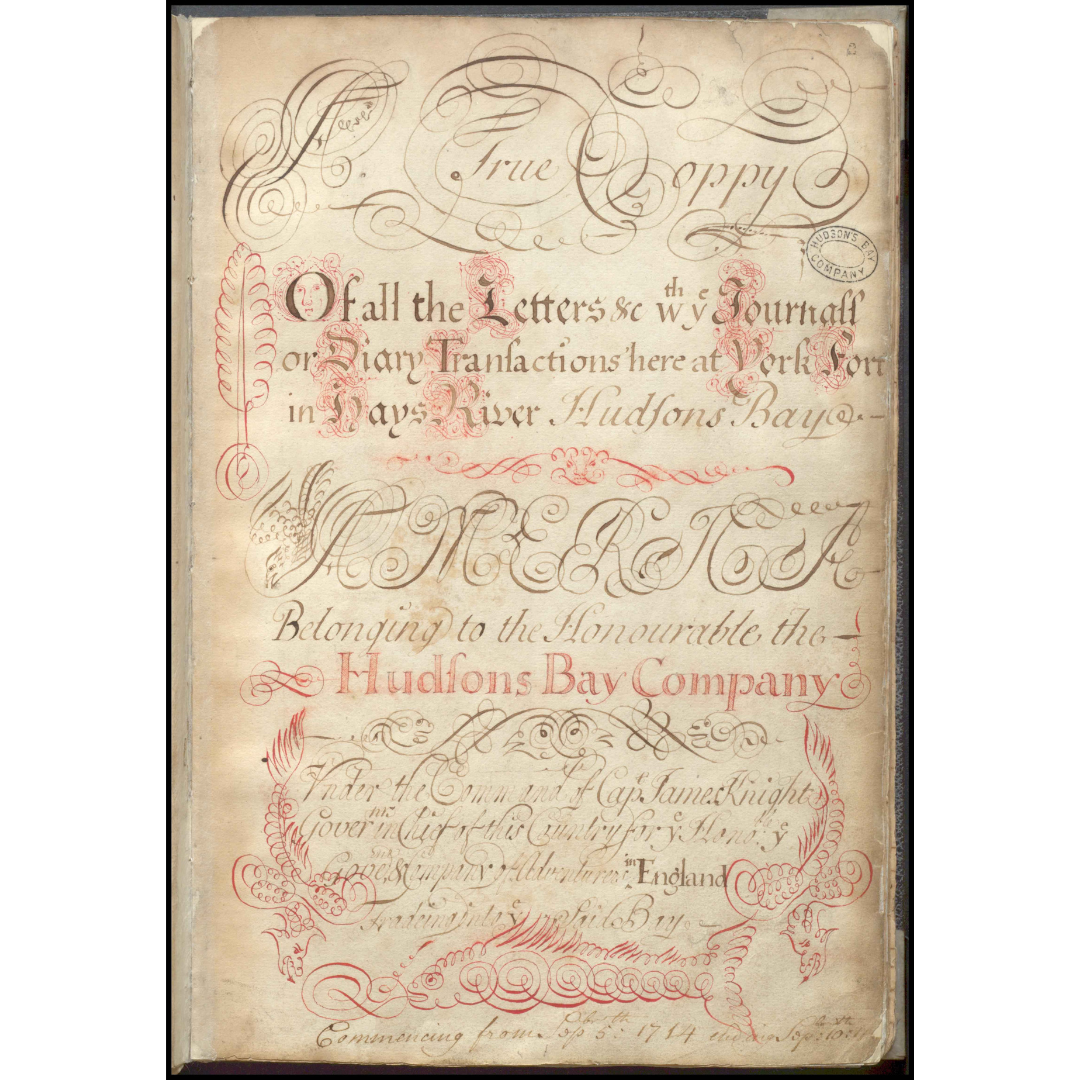
Recently my friends over at the Hudson’s Bay Company Archives (HBCA) showed me an amazing piece of HBC history, the first post journal for York Factory. They had selected it for their latest Spotlight feature on their website as the journal was celebrating its 300th anniversary on September 11. You can check out this interesting feature here to learn more about James Knight’s first year at York Factory, and be sure to check out their Spotlight archive to read up on previous features from the HBCA.

I was pretty excited to head into their vault when they told me about the journal, I couldn’t believe I’d get to see a document that was written 300 years ago. The journal did not disappoint, not only is it filled with James Knight’s observations and detailed accounts of daily life at York Factory, but it is also absolutely beautiful to look at.

A York Factory Post Journal written in elaborate calligraphy with designs in the flourishes.

Of course I could sound old by saying ‘nobody writes like that anymore’ but it’s the truth, nobody writes like this! My calligraphy class in grade 4 did not teach me that we could also doodle in the flourishes of the lettering. I could not stop looking at the little faces, birds, dragons, and fish that appear on the page. It’s a work of art!

The post journals are an excellent resource, I’m always astounded by the information they contain. You never know what you’ll find reported, and I promise that even if you don’t find exactly what you’re looking for, you’ll still read some interesting tidbits along the way.

I often save up my research queries so I can spend a full day pouring through the records. The staff is incredibly friendly and helpful, and I honestly just love a quiet day of archival research to break-up my weekly routine.

For more information on the HBCA check out their website.

Dr. Amelia Fay

Dr. Amelia Fay

Curator of Anthropology & the HBC Museum Collection

Amelia Fay is Curator of Anthropology and the HBC Museum Collection at the Manitoba Museum. She received her BA in Anthropology from the University of Manitoba (2004), an MA in Archaeology…
Meet Dr. Amelia Fay

UPDATED: Watch for northern lights!

Update -Friday, Sep 12, 2014: Some minor aurora was visible last night over Manitoba in between patchy clouds, and dim glows were seen as far south as Arizona (but only from dark skies away from city lights). Tonight is likely to be the better view, though. The second and larger  of two blobs of stuff from the sun (called coronal mass ejections, or CMEs) is arriving today, which can cause a spike in the visibility of northern lights. The evening sky looks clear tonight for Manitoba, so keep your eyes on the sky!

Due to yesterday’s solar flare, tonight (Thursday, Sept. 11, 2014) is a good time to watch for the northern lights. (For a quick summary of the northern lights, visit this link.) The best views are always from outside the city, since any nearby light pollution can wash out the sky and ruin the show.  Spaceweather.com is forecasting an 80% chance of strong aurora activity over the next 48 hours, so hopefully the surge in activity will occur while it is dark over Manitoba.

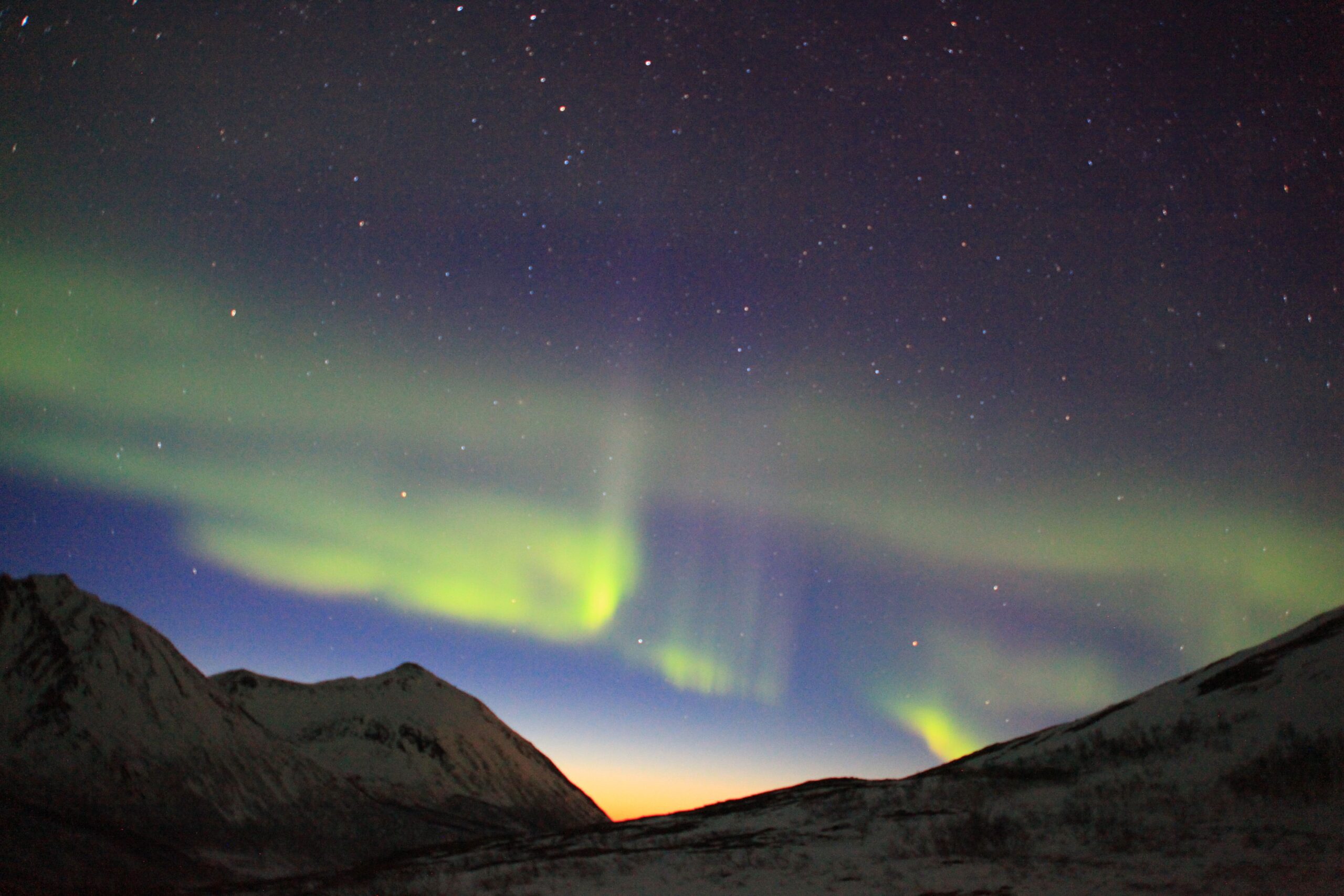
Green northern lights streaking across a night sky over mountain tops.

If you have a digital camera, you can take pictures of the northern lights! You need to set your camera manually, though, so go dig out or download the manual. You want to be able to set the camera so that it takes a time exposure of several seconds or more. Usually this is accomplished by setting the camera to “M”, and then adjusting the buttons to change the exposure time (also called shutter speed). Numbers like “1/60” and “1/2” are fractions of a second, so adjust the number until you get numbers like “1.2”, “5”, etc. Those are exposures of 1.2 and 5 seconds, respectively. Ideally, you want to take even longer exposures – my camera can do 15-second exposures without a problem.


Image: A still from the planetarium show “Experience the Aurora”.

Next, you need either a tripod, or another way to keep your camera steady for those 15 seconds. Any movement will blur your picture. Best is a tripod, but if you don’t have one, then zoom your camera out to its widest view, and set the timer that you would use to take a picture of yourself. You can press the button, and then quickly lay the camera on its back so the lens is pointing straight up at the sky, and the shutter won’t go until the timer goes off. Be careful to lay the camera on something soft so you don’t scratch the screen! Some other hints: turn the flash off – it won’t help, and you will blind yourself every time it goes off. (Although, it can light up any foreground objects, such as trees or you, and give you a neat picture.) Try different exposure settings and see what works – every aurora is different, so there is no “right” way to do it. Just take a lot of pictures, and some will turn out. I’d love to see your pictures, and I will share mine as well through the Museum’s Facebook page and on this blog.

Scott Young

Scott Young

Planetarium Astronomer

Scott is the Planetarium Astronomer at the Manitoba Museum, developing astronomy and science programs. He has been an informal science educator for thirty years, working in the planetarium and science centre field both at The Manitoba Museum and also at the Alice G. Wallace Planetarium in Fitchburg, Massachusetts. Scott is an active amateur astronomer and a past-President of the Royal Astronomical Society of Canada.

Pollinators (and People Predators) Galore

After the relative calm of my June field work on Nature Conservancy land near Riding Mountain National Park, I was kept very busy observing insects in July and August. In total I saw approximately 64 insect species making over 1200 flower visits during my 24 hours of observation over an eight-day period. So far it seems that in the fescue prairie the bees (particularly the bumblebees) are doing most of the work. This is in contrast to the Tall Grass Prairie Preserve where flies are the most common flower visitors and Spruce Woods Provincial Park in which sand wasps are abundant pollinators.

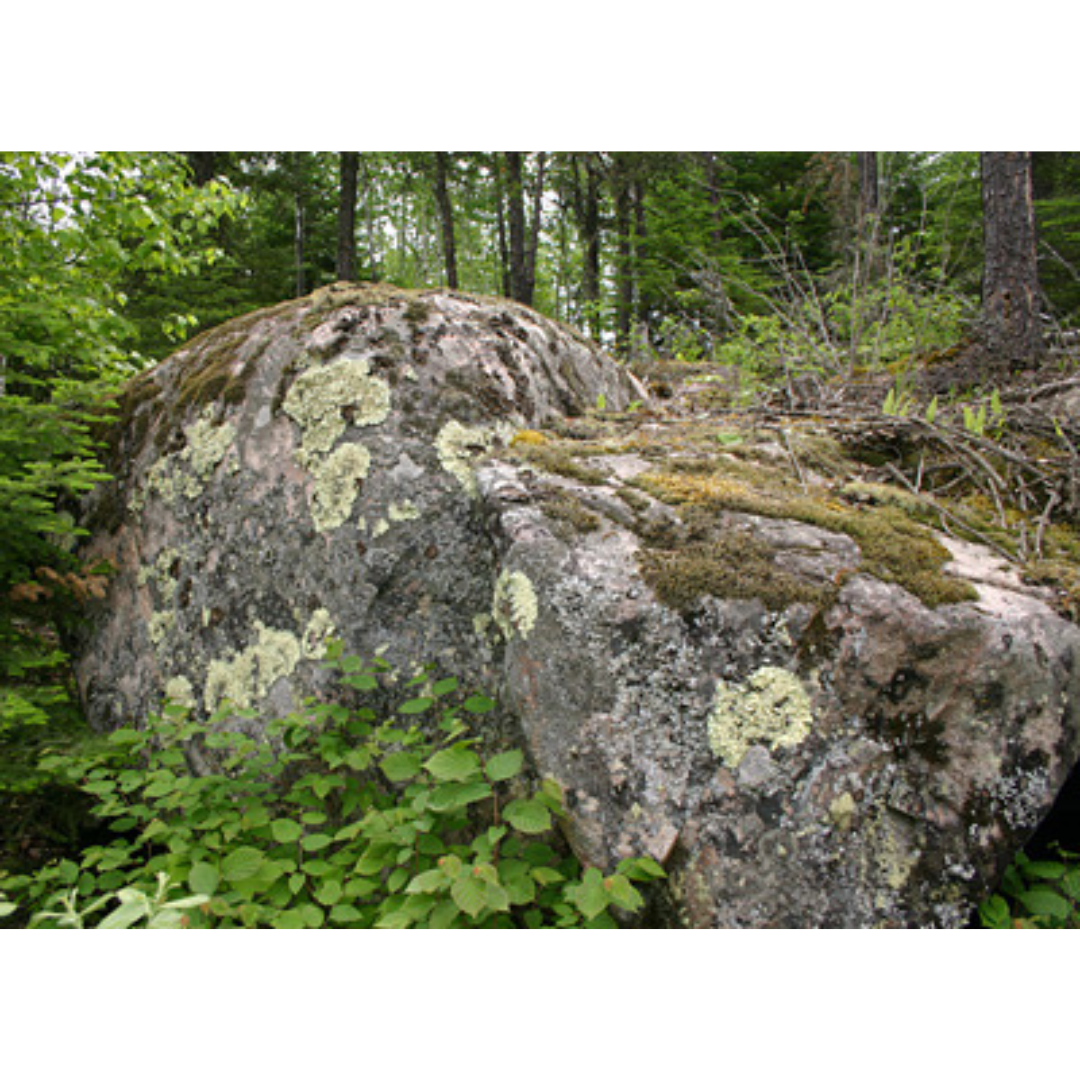
A large rock covered in lichen and mosses in a wooded area.

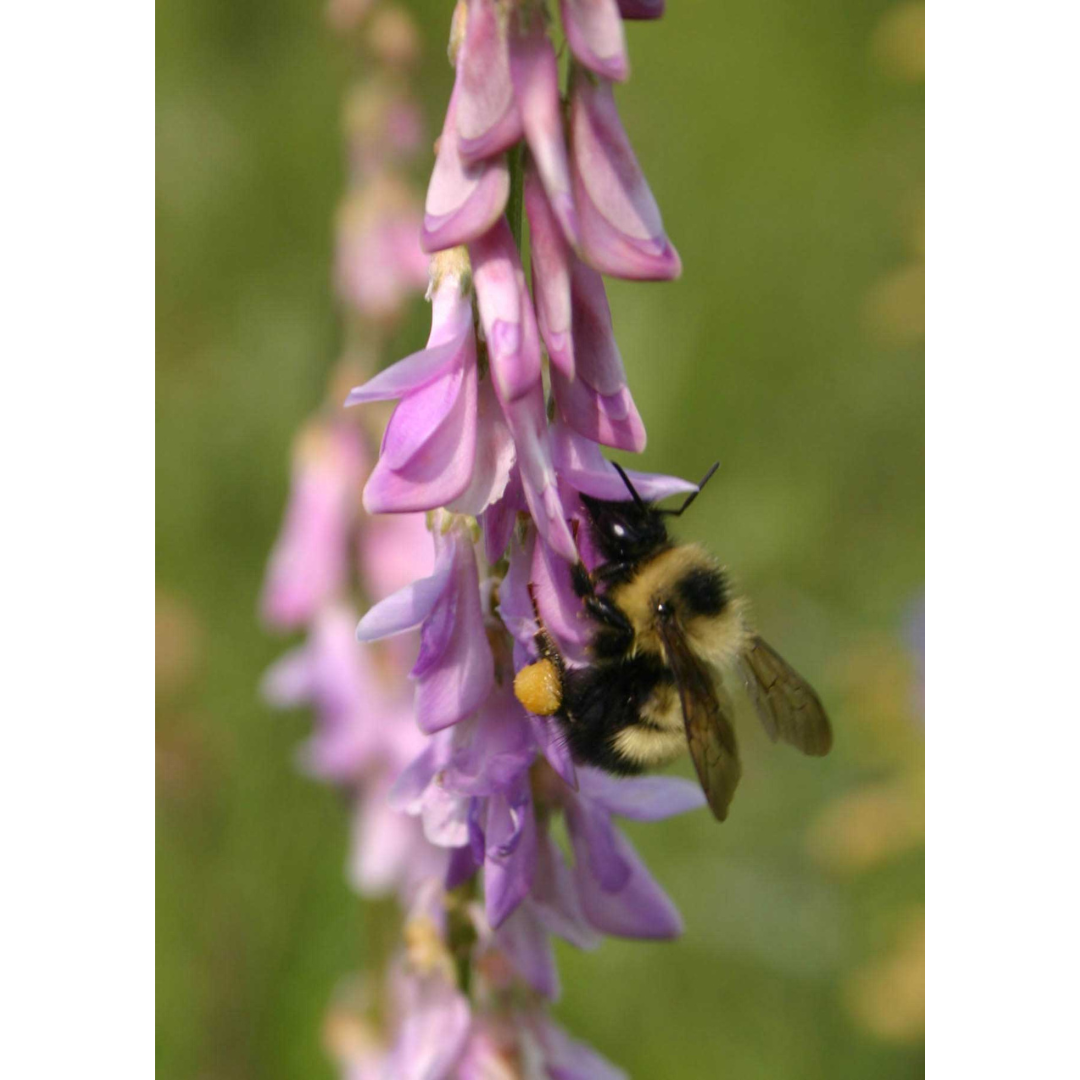
Close-up of a fluffy yellow and black striped bumblebee on a tall purple flower.

This bumblebee loves eating Hedysarum nectar!

A red and black beetle crawling near the yellow centre of a four-petaled, light-blue flower.

So which plants are popular? The bumblebees seem to have a particular fondness for legumes. Legume flowers typically require longer-tongued insects, like bumblebees, to effectively pollinate them. The bumblebees were mostly visiting hedysarum (Hedysarum), locoweed (Oxytropis), purple prairie-clover (Dalea purpureum), and milk-vetch (Astragalus) flowers, although they also seemed to like bell-shaped flowers like harebell (Campanula rotundifolia) and snowberry (Symphoricarpos occidentalis) too. Shorter-tongued sweat bees visit small, flat-flowered plants like fleabanes (Erigeron), rose (Rosa), and cinquefoil (Potentilla). The butterflies seemed fond of the large asters like gaillardia (Gaillardia aristata) and black-eyed Susan (Rudbeckia serotina), while the flies and beetles were visiting common yarrow (Achillea millefolium), showy goldenrod (Solidago nemoralis), and blue flax (Linum lewisii). Rigid goldenrod (Solidago rigida) was popular with just about everybody!


Image: A red checkered beetle on a wild blue flax flower.

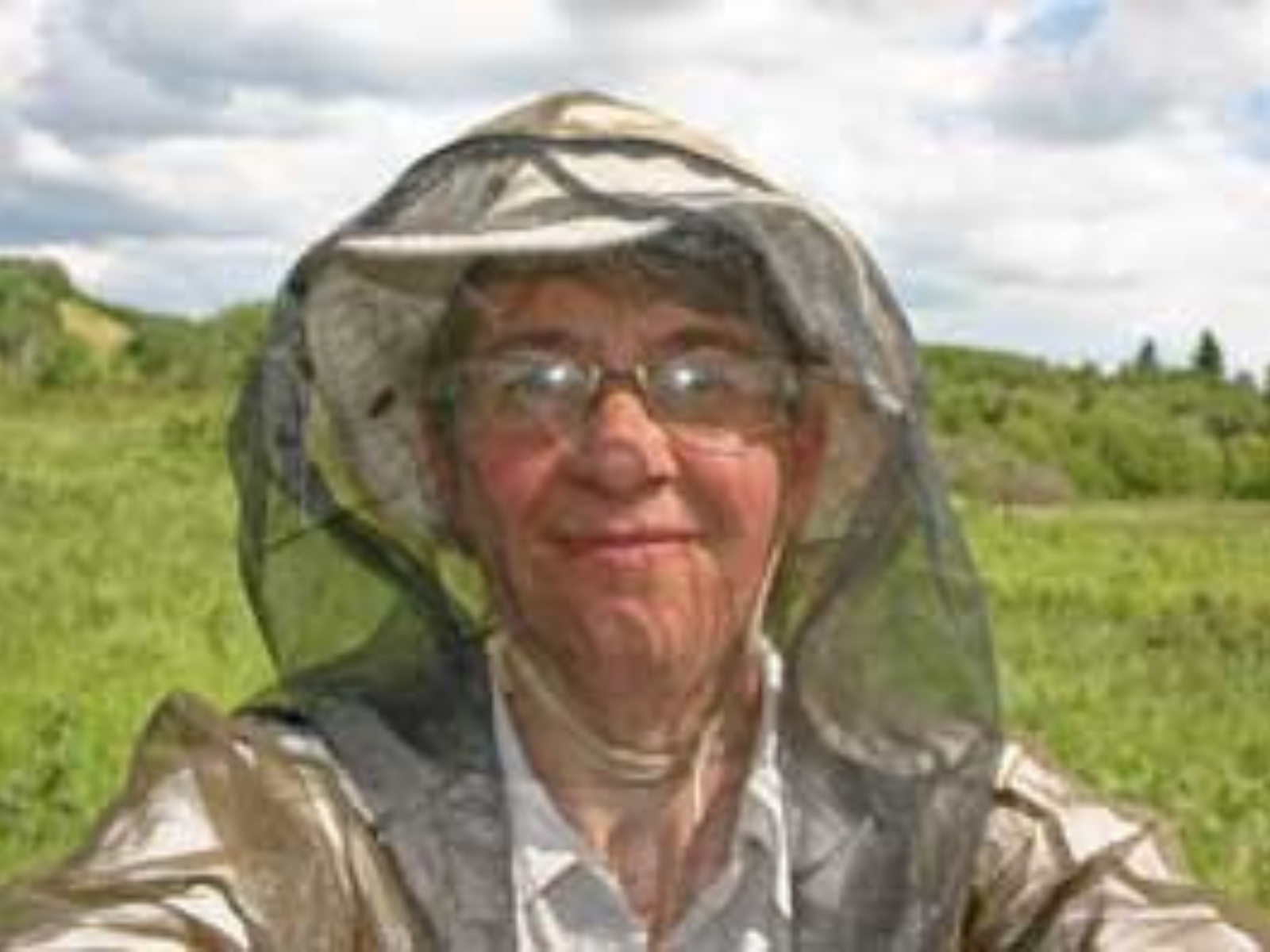
Unfortunately, the pollinators weren’t the only hungry insects in the prairie; several of them were out for blood-MY blood! When I first got to the preserve, I had no idea what the mosquito situation would be like. I decided to wear my bug jacket and gloves just in case because if I didn’t need them, I could always take them off but if I needed them and didn’t have them, I’d end up doing the “I’ve-got-the-mosquito-willies-boogie” all afternoon. The gamble paid off. Shortly after reaching the hiking trail I was covered with a cloud of mosquitoes, black flies, and deer flies all trying to nip my flesh! Thank goodness for nylon field pants! After I got to one of my plots and stopped walking, several dragonflies noticed the insect buffet hovering around me and began dive bombing the blood suckers. Thank-you dragonflies!

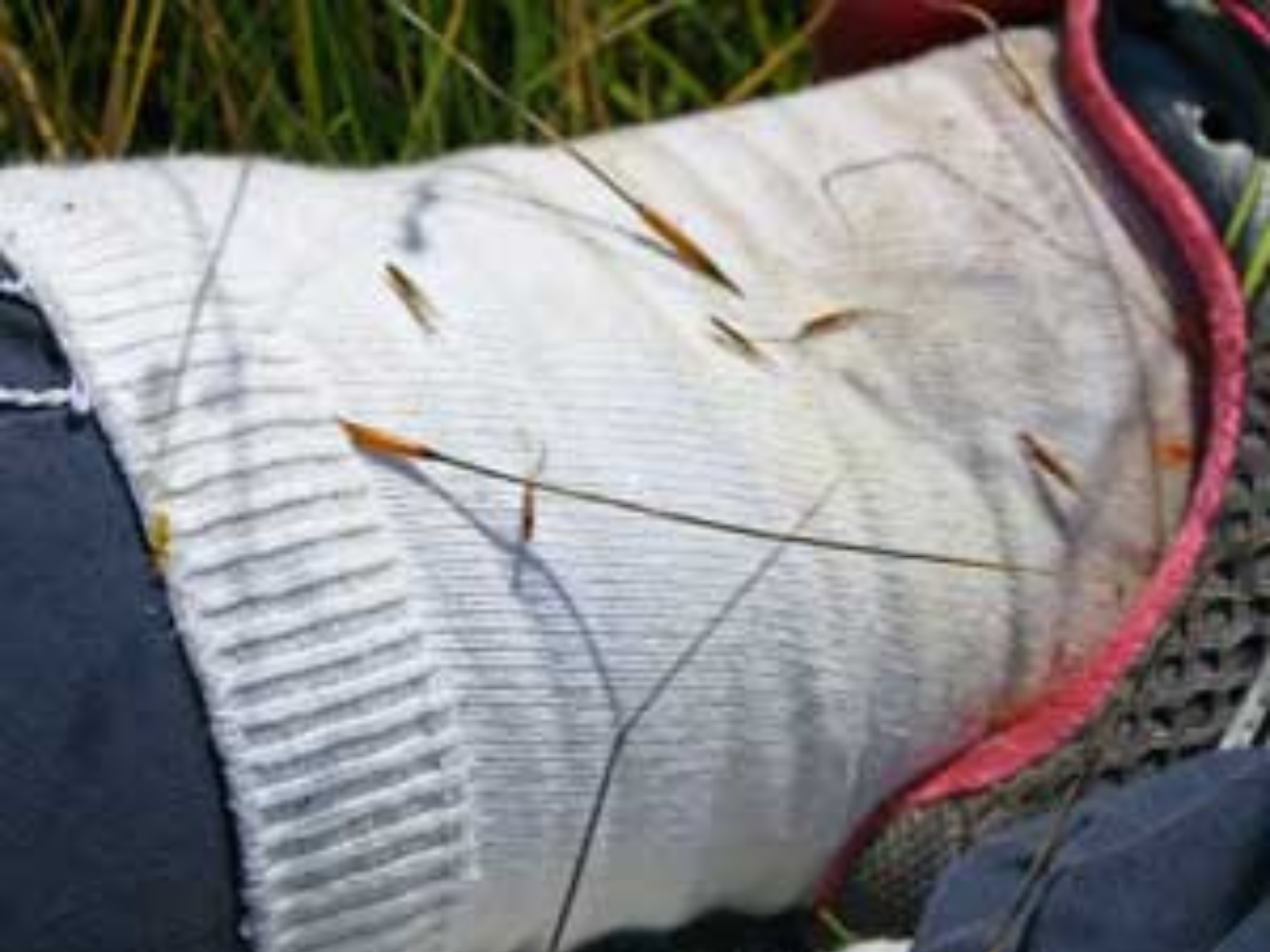
The mosquitoes weren’t the only things biting in August; the plants were too! Mid-August is when the fruits of speargrass (Stipa spartea) ripen and fall off. Unfortunately they also have a habit of planting themselves in my socks and I had to stop every few minutes or so to pick them out! Ouch!

A selfie of a smiling Dr. Diana Bizecki Robson in the field, wearing light coloured clothing and sun hat, zipped into a mosquito jacket with a fully-enclosed hood.

I needed a mosquito jacket, pants, and gloves to keep from becoming a mosquito buffet!

Close-up on Dr. Diana Bizecki Robson's white sock with shards of long grass with pointed tips embedded in the fabric.

The seeds of speargrass kept sticking in my socks. Ouch!

So why am I doing this? The purpose of my research is to identify which wild plants are most popular with pollinators so that appropriate seed mixes for restoration of fescue prairie can be identified. Restoring a prairie is expensive; by selecting a seed mix with the most popular flowers you can encourage the colonization of the maximum number of pollinator species, and hopefully create a more resilient ecosystem.

I’ll be back in the field in mid-September for one last pollinator survey. Is it too much to hope that the mosquitoes will be gone by then?

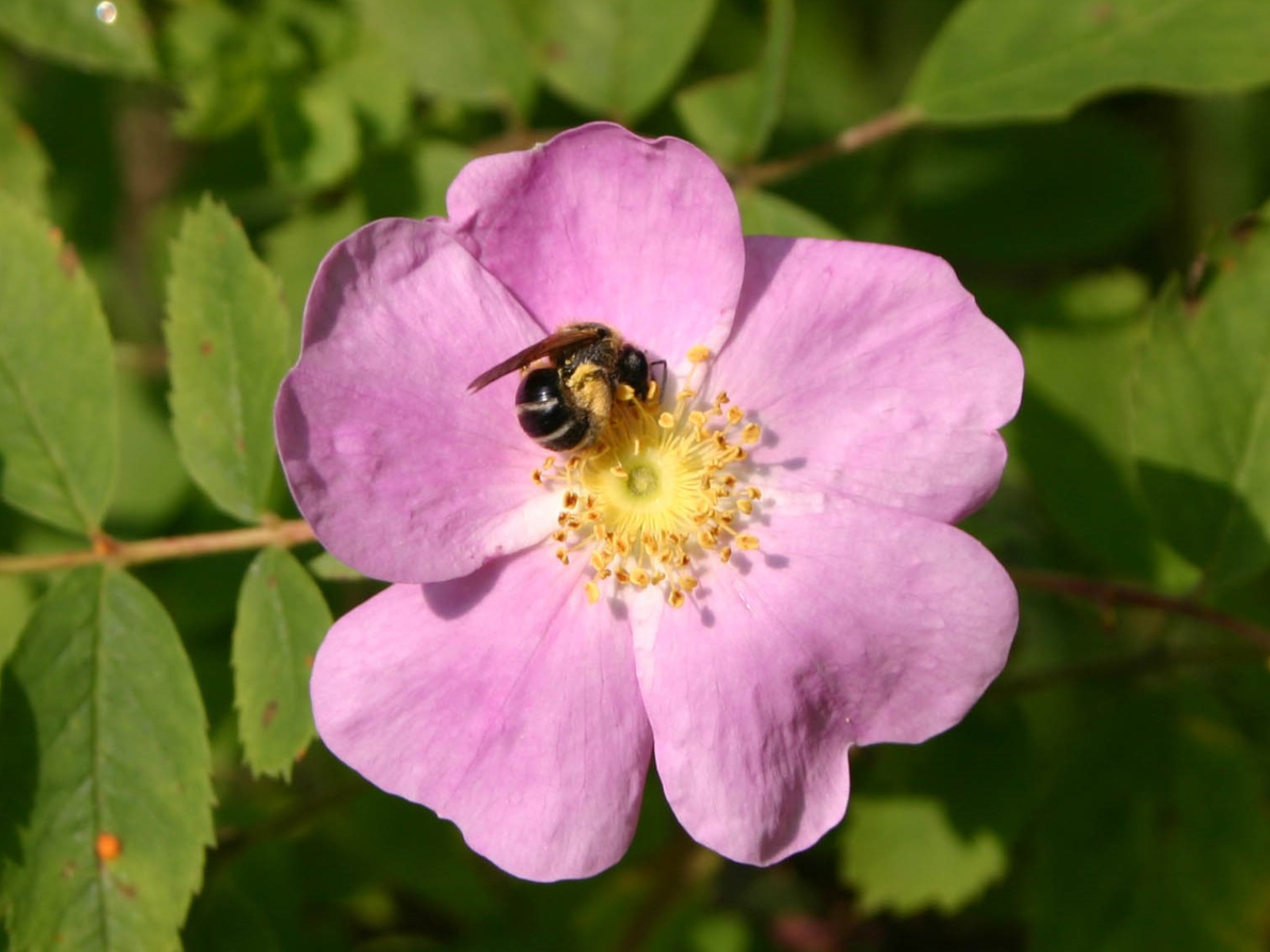
A small bee crawling around the yellow centre of a pink five-petaled flower.

This little sweat bee was feasting on rose pollen.

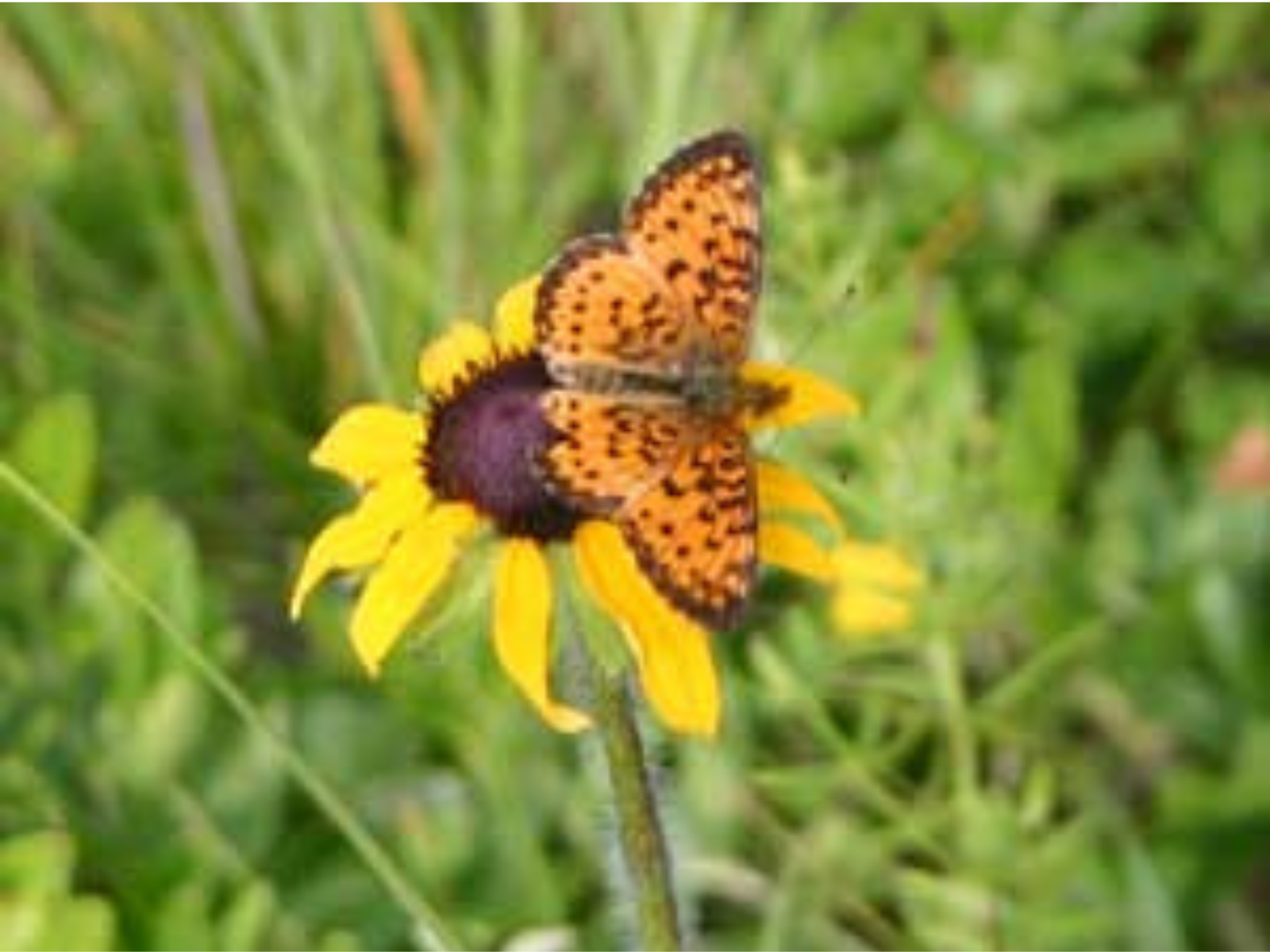
An orange butterfly with black spots on the wings perches on a yellow flower with a black centre.

Butterflies like flat-topped asters like this black-eyed Susan.

Dr. Diana Bizecki Robson

Dr. Diana Bizecki Robson

Curator of Botany

Dr. Bizecki Robson obtained a Master’s Degree in Plant Ecology at the University of Saskatchewan studying rare plants of the mixed grass prairies. After working as an environmental consultant and sessional lecturer…
Meet Dr. Bizecki Robson

HBC on the Web

There are a number of good sites to visit if you’re interested in learning more about the HBC but one of my favourite go-to sites is produced by some good colleagues of mine at HBC Heritage Services. You can check it out here.

This website has a ton of information so I encourage you to take some time and explore it if you haven’t already. Teachers and students should head to the Learning Centre where they will find numerous features specifically created to complement curriculum across the country. The rest of the site, which is easy to navigate, is full of informative articles about HBC history. Much of the content is supplied by Joan Murray, the Corporate Historian for HBC Heritage Services, and she’s based out of the HBC’s head office in Toronto. Joan knows a lot about the company’s history and material culture, and she’s always willing to help out a newbie like me.*

I was pretty excited when Joan and her team approached me for some assistance with their website. They wanted to showcase some of the amazing artifacts from the HBC Museum Collection in the Artifact Gallery of their Learning Centre. I was able to provide them with some nice photos and captions and they took it from there, here’s a teaser but to see the full gallery click here.

Screengrab of the HBCHeritage.ca homepage.

Screen grab from HBC Heritage Services home screen.

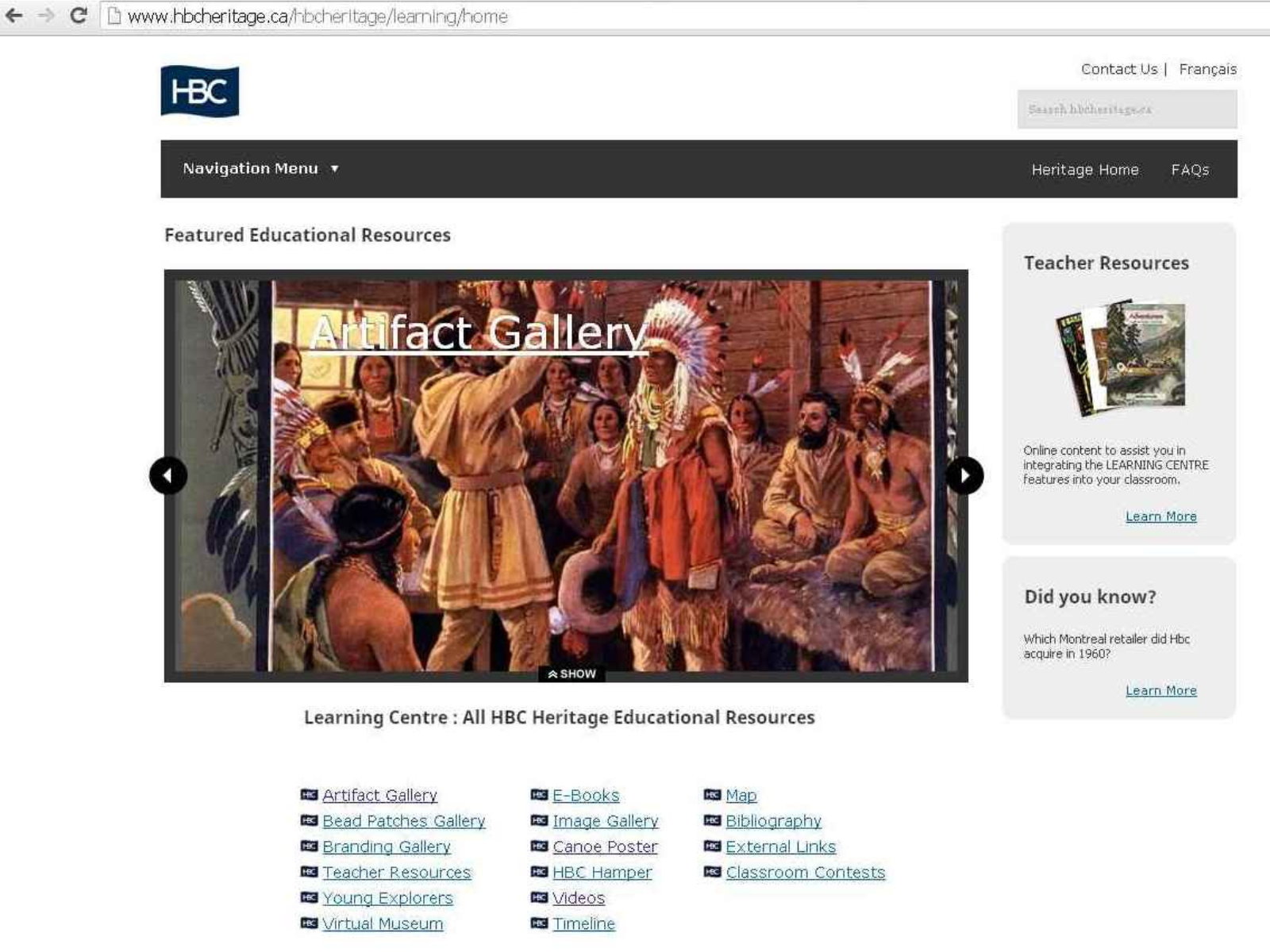
Screengrab of the Learning Centre on HBCHeritage.ca.

Screen grab from HBC Heritage Service’s Learning Centre.

Screengrab of an artifact details page on HBCHertiage.ca featuring a beaded octopus bag.

One of the artifacts from the HBC Museum Collection housed here at TMM.

I’ve been really fortunate to work with great people like Joan during my first year as a Curator, and I look forward to future collaborations with her and others. In fact, my next two blog posts will be about collaborations with some other fantastic institutions. Stay tuned!


* I can still play the “new” card until I hit my official one-year anniversary with TMM (September 3rd!).

Dr. Amelia Fay

Dr. Amelia Fay

Curator of Anthropology & the HBC Museum Collection

Amelia Fay is Curator of Anthropology and the HBC Museum Collection at the Manitoba Museum. She received her BA in Anthropology from the University of Manitoba (2004), an MA in Archaeology…
Meet Dr. Amelia Fay

World War One: In the Trenches

Part II in a three-part series.


The Manitoba Museum is currently hosting “The Victoria Crosses of Valour Road”, a new exhibit in our foyer in which all three of the famous Victoria Crosses presented to WWI military servicemen Hall, Clark and Shankland are on display for the public. To put this exhibit of such important artifacts into a larger perspective I am providing three blog entries about the war’s beginnings, drastic developments, and the effects of the war after it ended in 1918. This entry, Part II, explores the effects of industrialization on the war, Canada’s role, and some of the massive geo-political and combat developments that took place during the war.

A New Kind of War

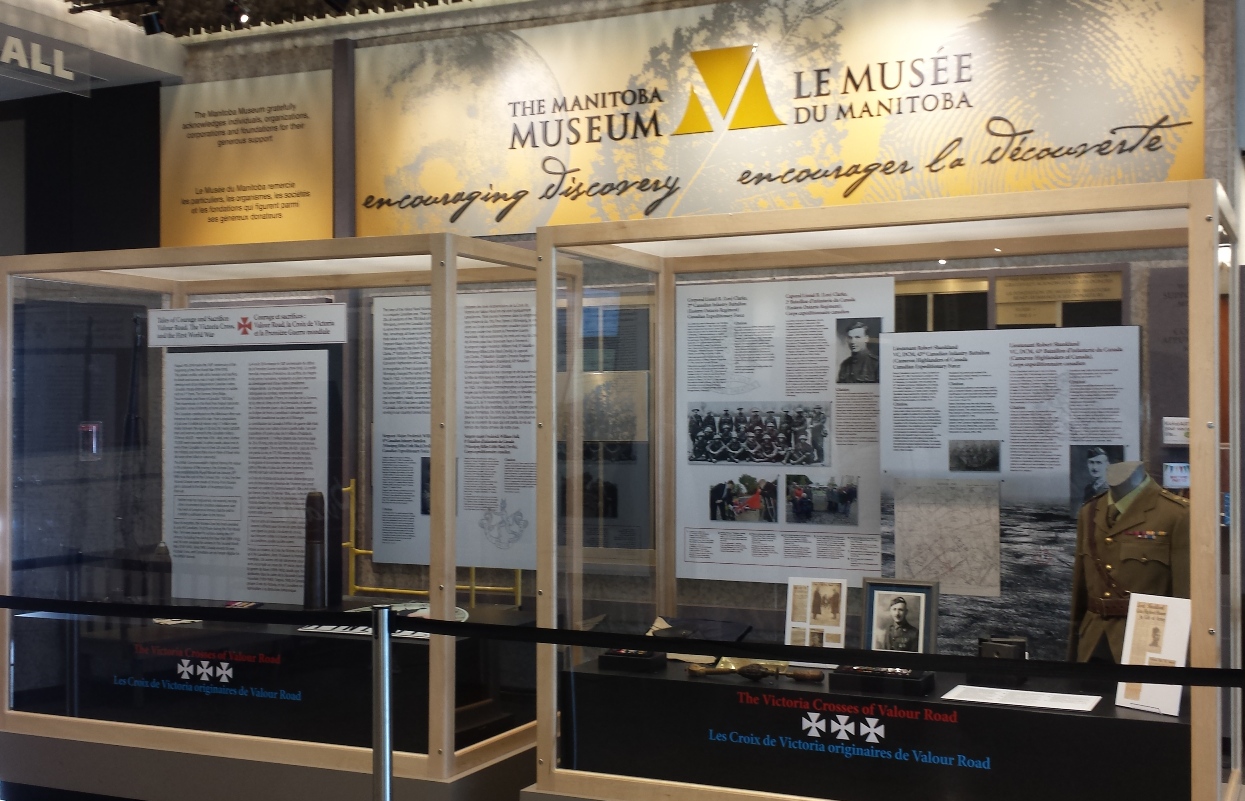
Two display cases with artifacts and text panels under a large Manitoba Museum banner.

The Great War quickly intensified and within a month it became obvious that the mounting casualties were unprecedented. This was partly due to industrial technology. Extensive railway systems allowed a constant supply of food and men, even through winter months; rapid-fire machine guns caused massive loss of life; barbed wire (invented in the 1860s) slowed attacks; poison gas, used by both sides, terrified the enemy and killed thousands; heavy artillery shells were produced and fired by the millions; tanks were introduced; mines were used to blow up trenches from beneath; flamethrowers induced panic; grenades were used to clear trenches, but also caused many accidents; aeroplanes and blimps proved invaluable for reconnaissance; destroyers and sub-marines armed with torpedoes were used in the open seas.


Image: Victoria Crosses of Valour Road Exhibit in the foyer at The Manitoba Museum.

At the same time horses, swords, bayonets, and trench clubs were reminiscent of an earlier period of war. What most characterized the conflict, however, were the vast trench systems that became like cities to the men involved. Trenches were so important because defending was much more successful than attacking. Defending from a trench with machine guns was extremely effective against a group of men with rifles running across an open field and then trying to wade through barbed wire. While the forward “creeping barrage” of artillery was meant to dislodge trench defenders and protect advancing forces, it was even more effective at creating a landscape of mucky craters that slowed things down even more.

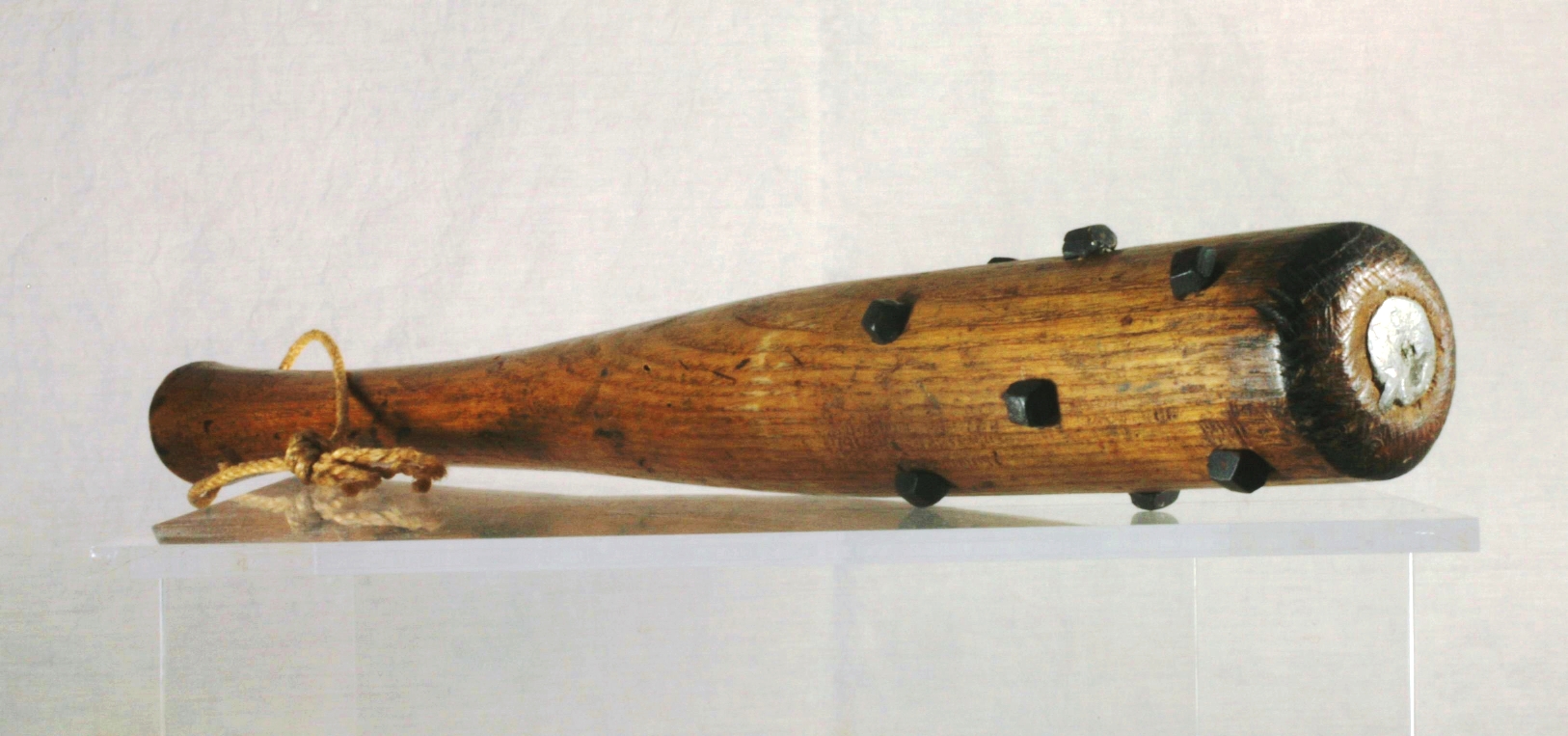
A wooden club with a metal core visable from the top, and hobnails affixed to the sides.

This was an incredibly dangerous environment for individuals like Hall, Clarke, and Shankland. In the first month of the war 75,000 French soldiers were killed – 27,000 of these on August 22 alone. In one battle at the end of August their allies the Russians suffered 50,000 casualties and 92,000 of their men were captured. Armies adapted to the slaughter by entrenching themselves in defensive positions. However, by 1917 the “creeping barrage” had been perfected, often moving forward only 300 yards ahead of advancing forces. Also, new independent attack teams had been organized that cleared enemy machine gunners more effectively.

 

Image: While aeroplanes and artillery shells flew through the sky, trench warfare could be as simple and brutal as hand-to-hand combat. This oak “trench club”, fitted with hobnails and weighted with a lead core, was used against the enemy once trenches were overrun. H10-1-84. Copyright The Manitoba Museum.

But casualties continued to grow. During the four-day battle for Vimy Ridge in 1917, Canadians experienced 10,000 casualties (including over 3,500 dead), with the Germans suffering perhaps 20,000 casualties as they defended and then retreated. It is difficult to imagine the sheer number of families back home that experienced profound loss during WWI.

Canadian Involvement

Canada became involved on August 5, 1914, the day after the United Kingdom declared war, and eventually over 600,000 Canadians volunteered, of which 458,000 were sent abroad, with about 61,000 killed in the war. Among British Empire colonies, only India provided more volunteers (1,440,000).

Over 18,000 Manitobans volunteered for the war effort, spurred on by patriotism and in many cases lack of work in a province that was beginning to experience an economic downturn. Camp Hughes became a major training ground for Canada’s army, including the construction and use of trenches (which can still be seen today). Manitobans were involved in many of the major Canadian battles in Europe, including Ypres and Vimy Ridge.

The battle for Vimy Ridge was symbolic for Canadians because for the first time all four Canadian divisions fought together and were immensely successful. However, it should be remembered that this was one flank in a much larger operation at Arras that eventually cost the British 150,000 soldiers, compared to the defending German losses of 100,000.  Arras, in turn, was used to support the major attack by the Allies at Chemin des Dames, which stalled and ended in mutiny. In a recent 729-page history of WWI, Vimy Ridge receives mention in one sentence and doesn’t even show up in the index (David Stevenson 2012, “1914-1918”). As important as Canadian battles were to Canadians, their contributions were dwarfed by the giant scale of the war itself.
Russia Collapses

The war was particularly devastating for Czar Nicholas’ Russia, with the number of war dead reaching over 1,800,000, a staggering number, and twice that of the entire British Empire. By 1917 Russians had lost faith in their leadership, soldiers had lost faith in their commanders, and the economy was collapsing. The people of Russia wanted peace and bread. This opened the way for new leaders such as Lenin, who helped usher in the Communist Revolution. This event would affect world history to the present day, as the establishment of the Soviet Union, the Eastern Bloc, the Berlin Wall, and the Cold War led to a nuclear arms race and Communist movements all over the world (including in China). The collapse of the USSR continues to have consequences to this day.

Enter the Americans

What finally tipped the balance in favour of the French and British was the turmoil within Germany combined with the late involvement of the United States of America on the side of the Allies. The USA entered the war on April 6, 1917, almost 3 years after Canada. The new troops, supplies and funding were crucial to the Allies partially because they helped to replace an exhausted Russia. As American support continued to grow over the next year, Germany attempted one last massive offensive in the summer of 1918…which failed.

Even during the war it was obvious that the world would never be the same. Economies were collapsing and political uprisings surfaced in many nations. Too many husbands and brothers and sons were missing or forever maimed. And yet, when the war did end, the borders of Germany, France, and Great Britain survived in largely the same manner as before. Which would later raise the question: What did ten million soldiers die for?


Coming up in Part III: How the war ended and what it accomplished.

Dr. Roland Sawatzky

Dr. Roland Sawatzky

Curator of History

Roland Sawatzky joined The Manitoba Museum in 2011. He received his B.A. in Anthropology from the University of Winnipeg, M.A. in Anthropology from the University of South Carolina, and Ph.D. in Archaeology…
Meet Dr. Roland Sawatzky

Manitoba’s Miniature Forests

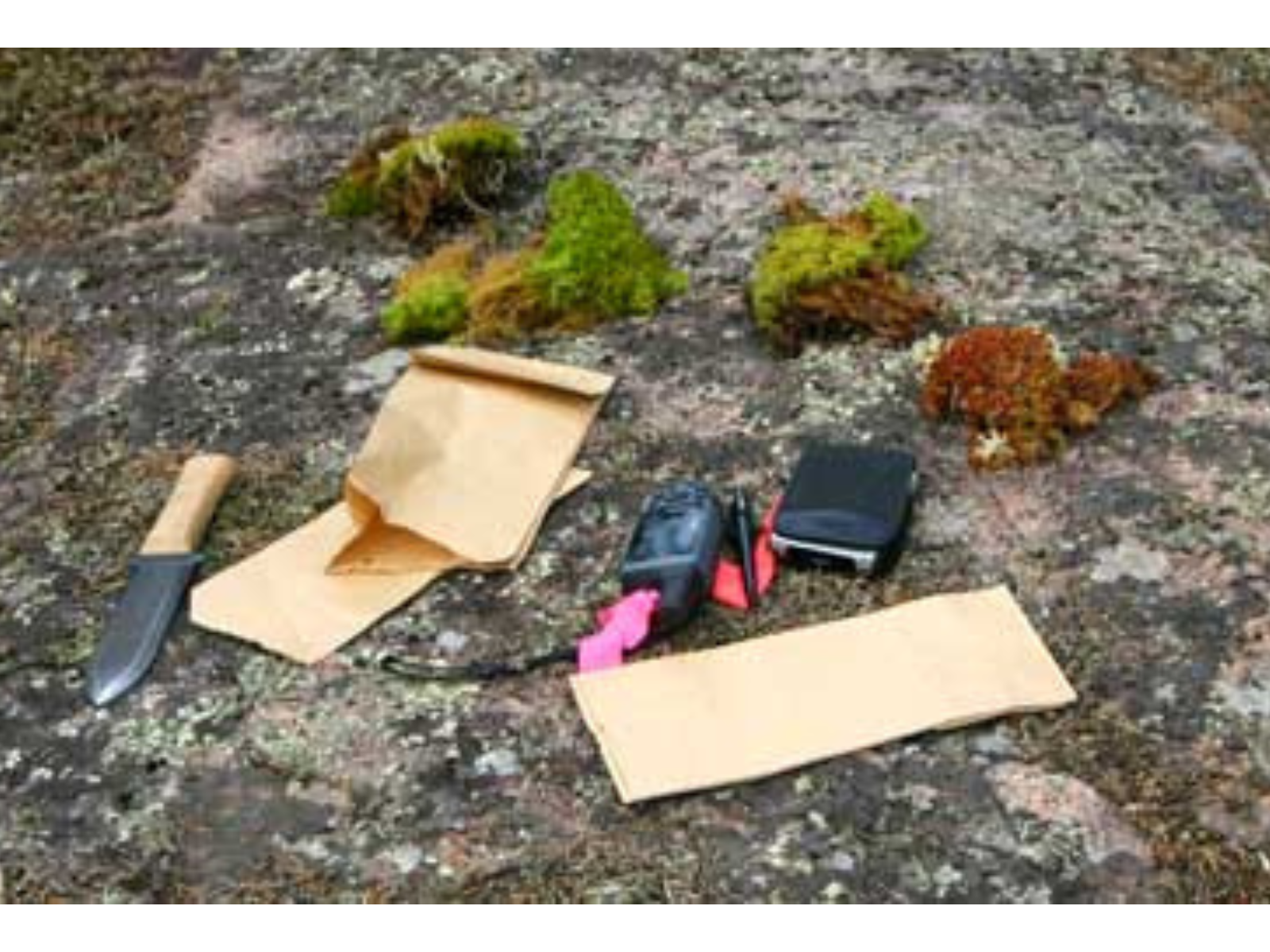
Last year I was able to attend a moss identification workshop given by Dr. Richard Caners. I had largely been ignoring the mosses because it is really hard to be good, all-around naturalist these days. My specialty is vascular plants. When I first started working here at the Museum, I had to learn how to identify fungi and lichens. Then I had to learn how to identify pollinators for my research (and trust me that’s not easy!). This year though I’m determined to collect and identify some mosses for an upcoming exhibit.

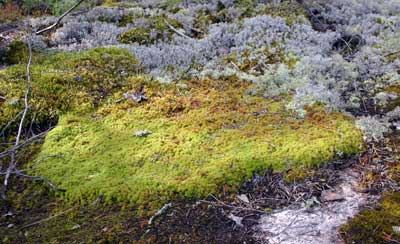
This July I spent several days hiking through the forests and rocky outcrops in Whiteshell Provincial Park. Although you’d think rocks would be devoid of life, there are all sorts of creatures making themselves at home on the granite outcrops out there. First the lichens show up, forming a thin crusty, coating. Then in the small cracks where there is a little bit more moisture, the mosses show up. Flowering plants like blueberries (which I thoroughly enjoyed eating!) then germinate in the moist, tiny pockets of soil that the lichens and mosses have created.

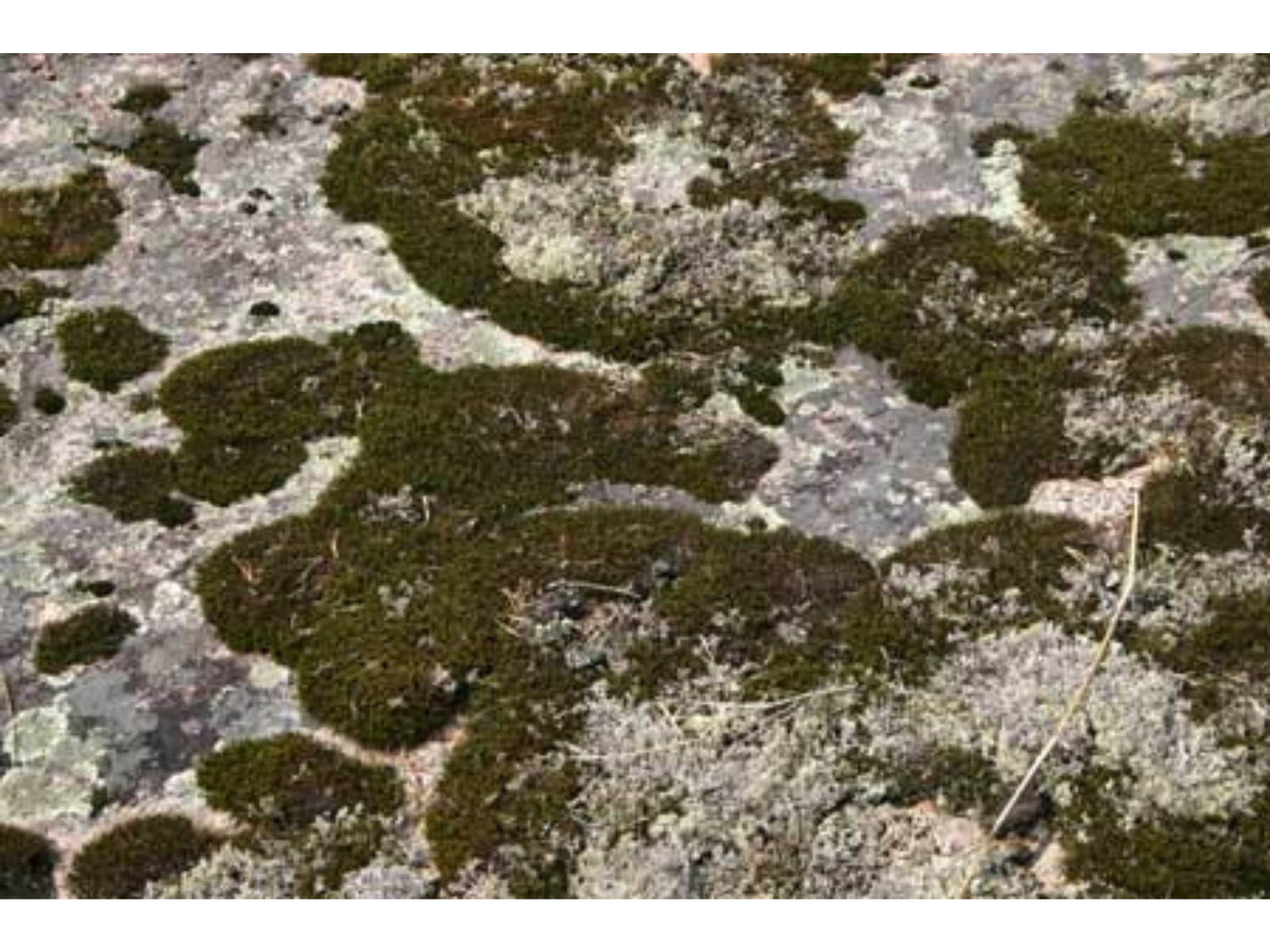
Looking down at a rock surface with patches of dark green moss growing on it.

Lichens and mosses are the first organisms to colonize bare rock.

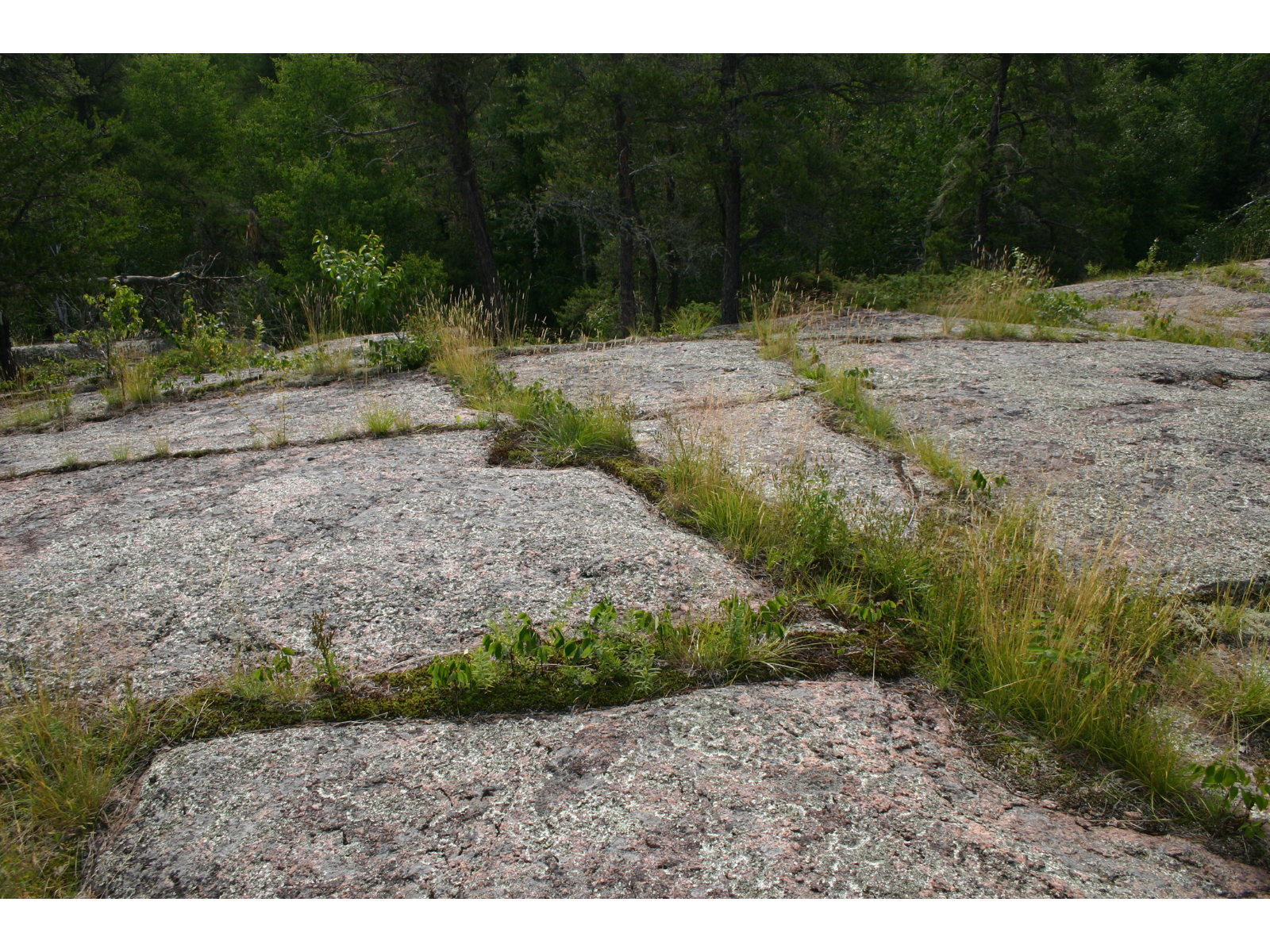
Looking out over a rocky surface where green grasses and plants are growing from cracks in the rock's surface.

Flowering plants colonize cracks in the rock where mosses grow.

Part of the reason why mosses are so small is because they lack true vascular tissue (i.e. long, thin straws that help tall trees suck up water). Plants that lack vascular tissues cannot move water as far, restricting their size. Although mosses can’t transport water long distances, they can absorb water very quickly. The most absorbent mosses can suck up 10 to 20 times their dry body weight in water, often within only a few minutes time. Sphagnum is particularly absorbent and was used for bandages in Europe during World War I to save cotton. The antiseptic properties of the moss were also beneficial in preventing infection. Peat moss is still used extensively in the horticulture industry as potting soil and to create industrial chemicals. Peat is also used to create the well known libation-scotch!


Image: Sphagnum mosses absorb lots of water very quickly.

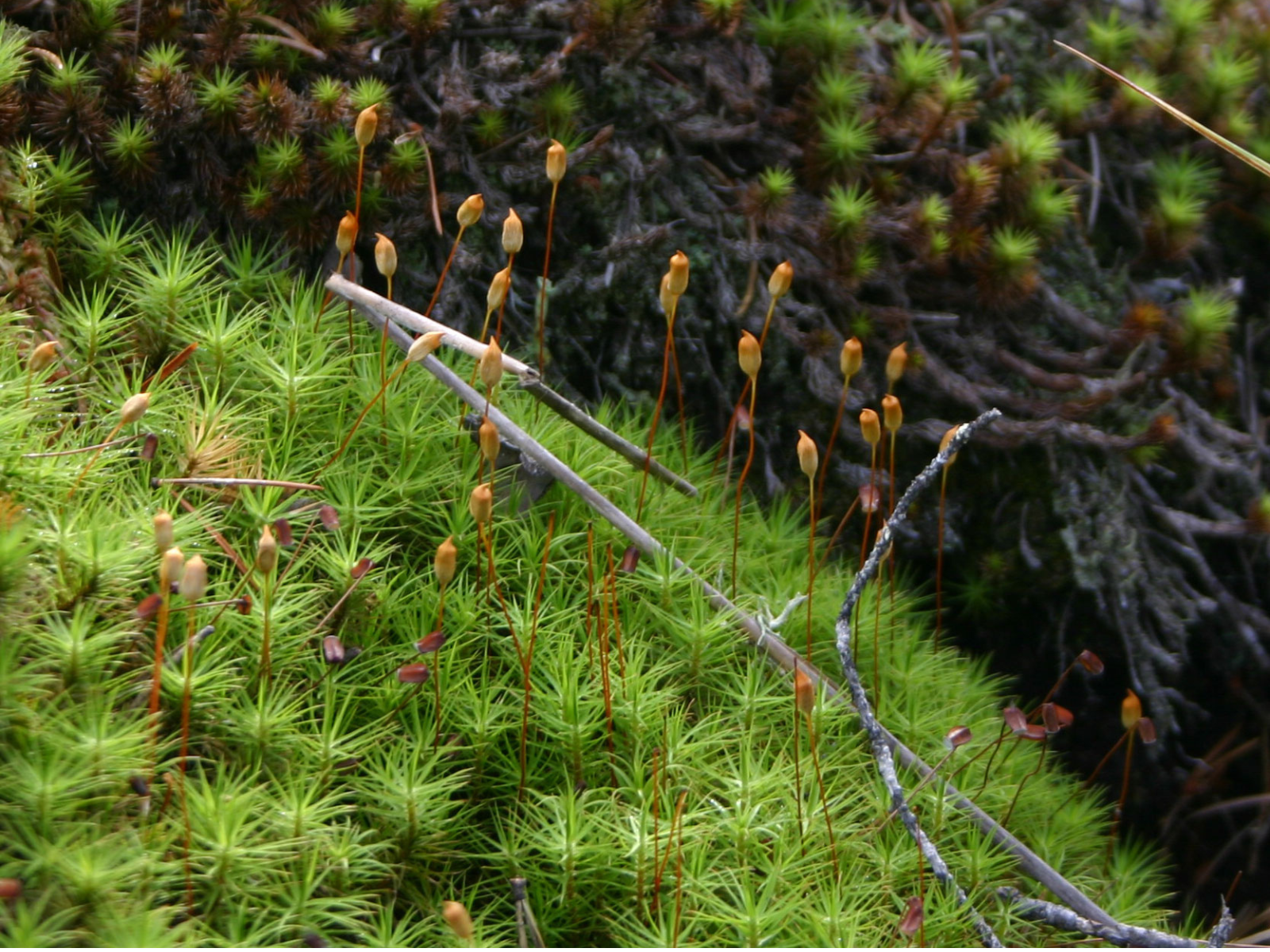
Instead of flowers, mosses produce tiny capsules that contain millions of spores. Some of these capsules explode, flinging the spores away from the parent plant; wind helps to disperse them further away. When I’m in the field looking at these unusual ecosystems I find myself wondering what it would look like if I were an insect. Suddenly these tiny plants would be huge trees with massive spiky leaves. Their intricate flying spores would be dangerous projectiles. Among the mosses there would be a stunning diversity of minute insects and bizarre animals like water bears, rotifers, and velvet worms. It would be like getting sucked into a Dr. Seuss book!

So if you’re planning on going hiking in the woods this summer, take a moment to look closely at the moss forests that you’ve probably never noticed before.

Close-up on tiny spores growing from moss like tiny trees.

Moss capsules are full of millions of tiny spores.

A collection of mosses, paper bags, and other collection materials laid out on a rock.

Moss voucher specimens awaiting documentation.

Dr. Diana Bizecki Robson

Dr. Diana Bizecki Robson

Curator of Botany

Dr. Bizecki Robson obtained a Master’s Degree in Plant Ecology at the University of Saskatchewan studying rare plants of the mixed grass prairies. After working as an environmental consultant and sessional lecturer…
Meet Dr. Bizecki Robson

Prairie Pollination: Anatomy of a Virtual Exhibit

A watercolour painting of flowers with fluffy purple flowers at the top of stems with long thing leaves growing up it.

This month a project that I have been working on for almost three years (whew!) finally came to fruition: an exhibit on Prairie Pollination for the Virtual Museum of Canada (www.PrairiePollination.ca). This exhibit is the culmination of ten years of research on the pollinators that visit rare and common plants in Canada’s few remaining prairies. The exhibit features photographs of wild plants and pollinators, as well as some of the beautiful botanical watercolours in our collection made by artist and entomologist Norman Criddle (1875-1933). We even created an app called PlantSpotting that will enable people to photograph and map wildflowers that they themselves observe.


Image: A watercolour of dotted blazingstar by Norman Criddle.

Diagram of a Bee fly with labels pointing out each of their parts.

Most people assume that bees and butterflies are the most important pollinators but during my research I found that-surprise, surprise-most flower visits are made by flies! Flower flies, bee flies, soldier flies, and parasitic flies are among the most common flower visitors in the prairies. Since the internet has lots of educational material about butterflies (particularly monarchs) and bees (particularly honeybees), I decided to focus one of my student lesson plans on pollinating flies (available at the Virtual Museum of Canada’s Teacher’s Learning Centre). Local artist Janet LaFrance created a great illustration of my favorite bee fly (Anastoechus) for one of the lessons that Educational Consultant, Angela Fey helped me develop.


Image: Worksheet on the parts of a bee fly for the Virtual Museum of Canada’s Teachers’ Learning Centre.

The highlight of the project was travelling to some of the remaining native prairies in Manitoba and Saskatchewan to film short videos with pollination biologists. One of the biggest problems with filming plants on the prairie is the unrelenting wind. Videographer Robert Zirk had to try to film flowers that kept flopping around, and insects that were getting blown off course. Further, the sound of the wind in the microphones sometimes made it difficult to hear what we were saying. Hauling equipment around in the brutal 30 degree heat during our trip to Spruce Woods Provincial Park wasn’t all that fun either.

Our worst luck occurred down at the Tall-grass Prairie Preserve where we very nearly missed the blooming of the rare Western Prairie Fringed Orchid. Although we did get some images of it, it was a very dry year and the poor little plants we found were looking a little parched! Fortunately, 2013 was a good year for another rare orchid we filmed a video on: Small White Lady’s-slipper.

An individual crouched in a field with a DSLR camera, taking a photo of something in the field.

Videographer Robert Zirk, getting up close and personal with a lady… slipper’s-orchid.

Close-up on a small white bulbous orchid.

The seductive small white lady’s-slipper orchid.

Close-up on a flower with a cluster of blue tubular flowers, with a bumble bee prying into one of them.

The field work was only a tiny part of the whole project (although the funnest part).  Many hours were spent researching and writing text, photographing and cataloguing specimens and, of course, designing the website. Fortunately I didn’t have to do it all myself (I would have gone crazy) and was able to rely on a team of talented interns (Melissa Pearn and Rebecca Bilsky), staff, consultants and many volunteers.

So if you share my passion for pollination and want to learn more, check out the Museum’s new exhibit.  Funding for Prairie Pollination was generously provided by the Virtual Museum of Canada (VMC), the Heritage Grants Program, Manitoba Culture, Heritage and Tourism Department of the Government of Manitoba and The Manitoba Museum Foundation Inc.


Image: Closed gentian can only be effectively pollinated by big, hairy bees.

Dr. Diana Bizecki Robson

Dr. Diana Bizecki Robson

Curator of Botany

Dr. Bizecki Robson obtained a Master’s Degree in Plant Ecology at the University of Saskatchewan studying rare plants of the mixed grass prairies. After working as an environmental consultant and sessional lecturer…
Meet Dr. Bizecki Robson

Prairie Pollination

Get to know your wild neighbours!

Two-thirds of our crop species worldwide depend on wild pollinators to some degree! Those pollinators need more than just crop plants to survive – they need wild plants too.

Staff at the Manitoba Museum have been quietly studying pollinators for over fifteen years. The Museum’s Curator of Botany, Dr. Diana Bizecki Robson notes that “we really don’t know much about how wild plants and pollinators interact with each other or whether their populations are declining. One of the interesting things I’ve discovered during my field work is that pollinators of crop plants like canola and sunflower also need to feed on prairie wildflowers to survive.”

Unfortunately, many of the Manitoba Museum’s plant and insect specimens are difficult to display in regular gallery exhibits and can only been seen during special behind-the-scenes tours or in temporary exhibits. But now thanks to a virtual exhibit you can learn more about these amazing creatures. The exhibit is called Prairie Pollination and can be found at www.PrairiePollination.ca.

Dark butterfly with yellow, orange, and blue spots on it's wings perching on a small fluffy purple flower.

Beautiful photographs of endangered and common prairie plants, and their insect and bird pollinators, are shown in this exhibit. Watercolour illustrations of wild plants from the Museum’s famous Norman Criddle collection, and virtual tours of wild prairies with pollination scientists add depth and context to the specimens. “The great thing about the Prairie Pollination exhibit is that people can find out exactly which plants are attractive to the different kinds of pollinators. This information will be of great use to nature lovers, gardeners, farmers, students and beekeepers” says Dr. Bizecki Robson.

The Manitoba Museum gratefully acknowledges our project sponsors:

The Virtual Museum of Canada (VMC), an initiative of the Department of Canadian Heritage, was established in partnership with over 1,300 Canadian Heritage Institutions.

World War One: How did it all start?

Part I in a three-part series.


On August 6, 1:30 pm, the public is welcome to attend the opening of the exhibit “The Victoria Crosses of Valour Road” in the foyer of The Manitoba Museum. Many know the story of the three men from the 700 block of humble Pine Street: Corporal Leo Beaumaurice Clarke, Sergeant-Major Frederick William Hall, and Lieutenant Robert Shankland were each awarded a Victoria Cross during World War I for acts of valour.

Pine Street was renamed Valour Road and has become one of those talismans of Canadian memory that reminds us of the men and women that took part in the Great War, in which nearly 10 million soldiers died and about 20 million were wounded world-wide.

The Great War, the “War to End All Wars”, began on July 28, 1914 with a declaration of war on Serbia by Austria-Hungary. This was 100 years ago, and to many folks the reasons for the war are hazy at best. The world of 1914 seems so remote from today’s realities and some of the countries that participated no longer even exist. Yet that war continues to reverberate in geo-politics and even in our daily lives.

With the arrival of the Victoria Cross medals from the Canadian War Museum, I felt it was important to outline what the war was about. In Part I I’ll talk about what started the war and which countries got involved and why. In Part II we’ll explore how WWI unfolded and what part Canada played. Finally, in Part III I’ll talk about how it ended and what the war actually accomplished.

Part I

There were two main powerful alliances in Europe in 1914. Austria-Hungary was allied with Germany, and France was allied with Russia (and loosely with Great Britain).

And speaking of countries that no longer exist, the first real belligerent in this series of events was the Austro-Hungarian Empire/Dual Monarchy (a strange bi-national combination). On June 28, 1914, 19-year-old Gavrilo Princip assassinated the Austrian Archduke Franz Ferdinand in Sarajevo, which was part of Austria-Hungary. Princip was a Bosnian Serb and a citizen of the Empire, but he attacked Ferdinand as a terrorist in the name of Bosnian-Serbian independence. Austria-Hungary accused Serbia of assisting the killer (which in fact it did, with an organization called “The Black Hand”). Germany was Austria-Hungary’s main ally and with their backing war was declared on Serbia on July 28.

Why would Germany agree to this? The Germans felt they were threatened by various developments on the continent, something they called “encirclement”. They knew they were the most war-ready and powerful nation in Europe, but they were worried their advantage was slipping away. Basically they wanted a controlled zone of buffer states as protection against Russia and France. Austria-Hungary and Germany knew that an attack on Serbia might draw in the Russians. The Russians indeed mobilized, and Germany declared war on Russia and its ally France on August 1 and 3. The Germans then demanded that Belgium allow free transport of German troops, and this helped to draw in the British, who declared war on Germany on August 4. And of course Great Britain had a vast global colonial network from which to draw troops. Canada (which declared war on August 5), Australia, India, South Africa, and others all contributed to making the conflict a true world war. Meanwhile Italy joined the “Allies” and the Ottoman Empire joined the Germans.

A gas mask with large screened eye windows and a tubular breathing vent.

So that is how it started – an assassination gave Austria-Hungary a pretext for declaring war, which drew in a host of allied states. But what no one knew was how the war would unfold or how it would end.

Coming up… Part II – technology changes everything; Canadian (and Manitoban) involvement; Russia crumbles; the USA attacks.


Image: This German gas mask was brought back to Canada as a souvenir by Lance Corporal Arthur E. Diplock, Canadian Expeditionary Force, 1914-1918. Diplock was born in Winnipeg in 1883 and served in the Boer War in South Africa. During WWI he was a sharpshooter and also played clarinet in the 1st Canadian Expeditionary Force Band. H9-21-622. Copyright The Manitoba Museum.

Dr. Roland Sawatzky

Dr. Roland Sawatzky

Curator of History

Roland Sawatzky joined The Manitoba Museum in 2011. He received his B.A. in Anthropology from the University of Winnipeg, M.A. in Anthropology from the University of South Carolina, and Ph.D. in Archaeology…
Meet Dr. Roland Sawatzky

Daytime Fireball spotted over Manitoba

UPDATE – 14 Jul 2014: We have received enough reports to tell that the fireball was well north of Winnipeg – the final burnout/explosion likely occurred near the Poplar River area of the eastern shore of Lake Winnipeg. Any surviving fragments of the meteor would have continued north or northeast of this location. Given the difficulty of finding anything in this terrain, we are no longer planning a search and recovery effort.


UPDATE – 10 Jul 2014: We’ve received more than a dozen reports from around southern Manitoba of this rare daytime fireball. Most observers saw it due north, heading almost straight down. This means it was likely quite far north and heading even farther north, although without more observations the details are still hard to pin down. We’re now interested in hearing from anyone who spotted this thing from north of Gimli or anywhere in Westman, or from spots along Lake Winnipeg and into the north. Email skyinfo@manitobamsueum.ca with your report as outlined below.


Original post – 9 Jul 2014: Details are still coming in, but we have multiple reports of an extremely rare daytime fireball seen in central Manitoba about 11 am Central Time today (Wednesday, 9 July 2014). We are actively seeking reports from people who saw this event, and once we get enough data we will organize a search for pieces.

If you witnessed this object, please email a report to skyinfo@manitobamuseum.ca and include the following information:

  • Your location (as precise as possible; using GPS or a map)
  • The direction you were looking at the time of the sighting (north, south, etc)
  • The motion of the object ( left-to-right or right-to-left)
  • The path of the object (“straight down and angled slightly to the right”, “45 degree angle to horizon”, etc),
  • A description of the sighting, including smoke trails, colour, sounds, explosions
  • Name and telephone number so we can contact you

You should also report your sighting to the American Meteor Society at http://www.amsmeteors.org/members/fireball/report-a-fireball and the International meteor Organization at http://www.imo.net.fireball/report

It is suspected that the parent object was a small asteroid or comet which burned up in the earth’s atmosphere, high enough to do no damage but low enough the pieces may have survived the fall to earth. Any such pieces are not dangerous, will not start fires or scorch the earth, and will not have bubbles or crystals in them.

Further details will be released as they become available.