Posted on: Tuesday September 3, 2024
Have you ever heard of the killdeer? This bird has a clever way of keeping predators away from its nest of eggs. Learn how in this video with Learning & Engagement Producer Erin!


Have you ever heard of the killdeer? This bird has a clever way of keeping predators away from its nest of eggs. Learn how in this video with Learning & Engagement Producer Erin!
Sometimes our Curators find unexpected items in donations to the Museum Collections. What at first may look like it falls under one discipline, like Archaeology, may in fact fall under another discipline entirely! Learn about one neat example in this video with Curator of Archaeology Dave Finch.
Can you get rocket fuel from water? Join Science Communicator Rhianna in the Explore Science Zone to conduct some hydrogen electrolysis and learn about rockets!
Catch Forward to the Moon in the Planetarium this summer!
You may be familiar with large, round, vinyl records for playing music, but do you know what was used to play recorded music before that?
Join Learning Facilitator Erin in this video from outside the Ukrainian Booksellers and Publishers Ltd storefront in the Museum’s Winnipeg 1920 Cityscape to learn more.
The Criddle family made money in all sorts of different ways, from farming, to community service, to handcrafts! In this video Collections Technician of Human History, Cortney Pachet shows us some of the beautiful mother of pearl inlay work done by Evelyn and Stewart Criddle.
By David Finch, Curator of Archaeology
I lived in Yellowknife for ten years where the seasons are definitely pronounced. Downtown Yellowknife wraps around a small lake and I used to shop at stores on the other side. Shopping in winter was easier because I didn’t have to go around the lake – I could just walk across the ice. For the rest of the year, I faced a longer trek to reach my destination.
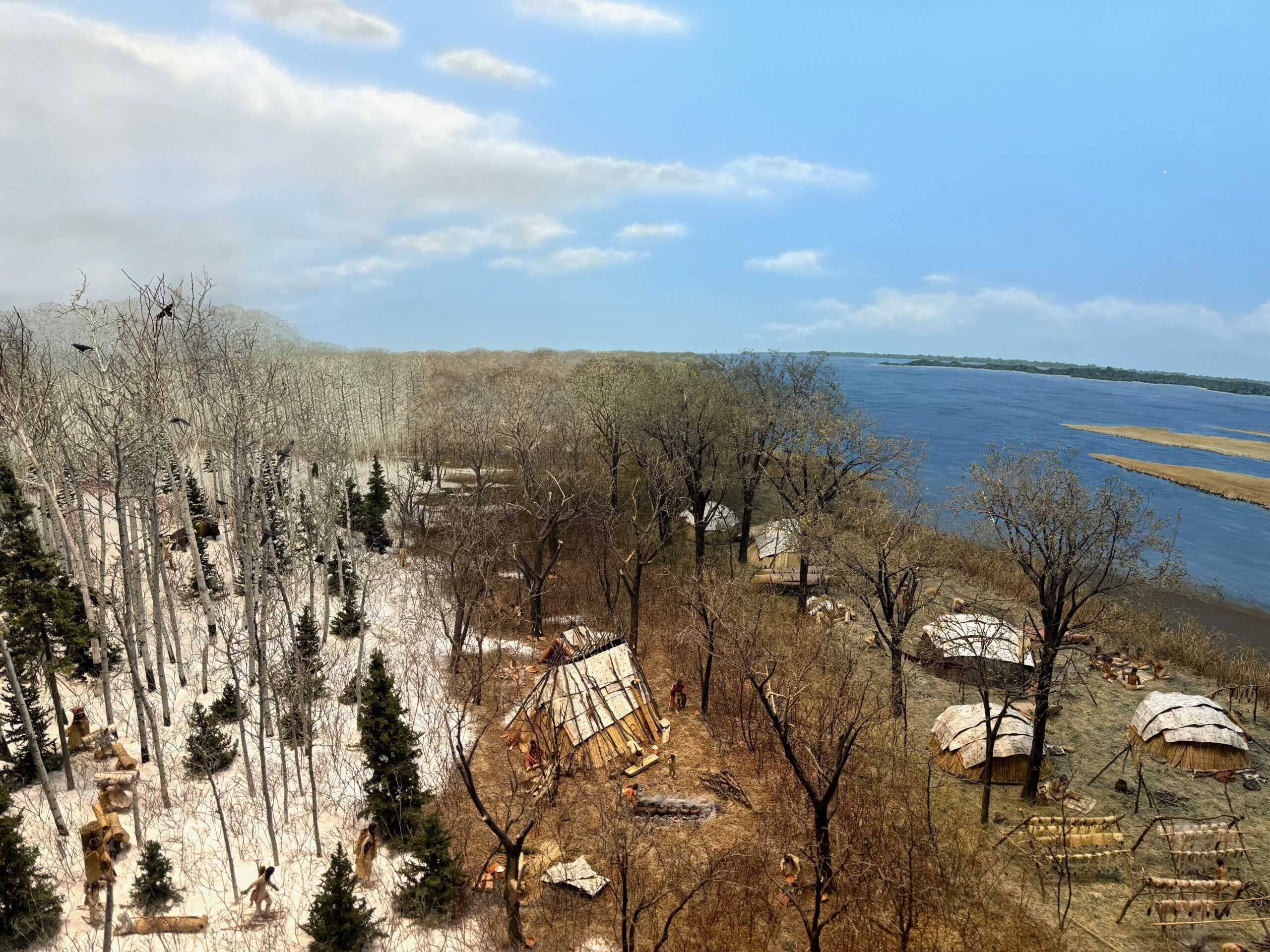
There is a concept in science called the seasonal round, which is basically how a group lives at different times of the year. Note that I did not say “in all four seasons” because that’s a Western idea of time – one traditional Cree view of the year has six seasons.
Regardless, humans and animals follow seasonal cycles that we see reflected in archaeological sites. Summer fish camps are different from fall hunting sites, and both are different from winter trapping cabins.
Image: A museum diorama of seasonal Anishnaabe campsites demonstrates the concept of a seasonal round. ©Manitoba Museum
Archaeologists also follow a seasonal round – it’s hard to dig in frozen ground or to survey when there is snow. In Manitoba, the season for fieldwork is often from May to October, with the winter months spent writing reports.
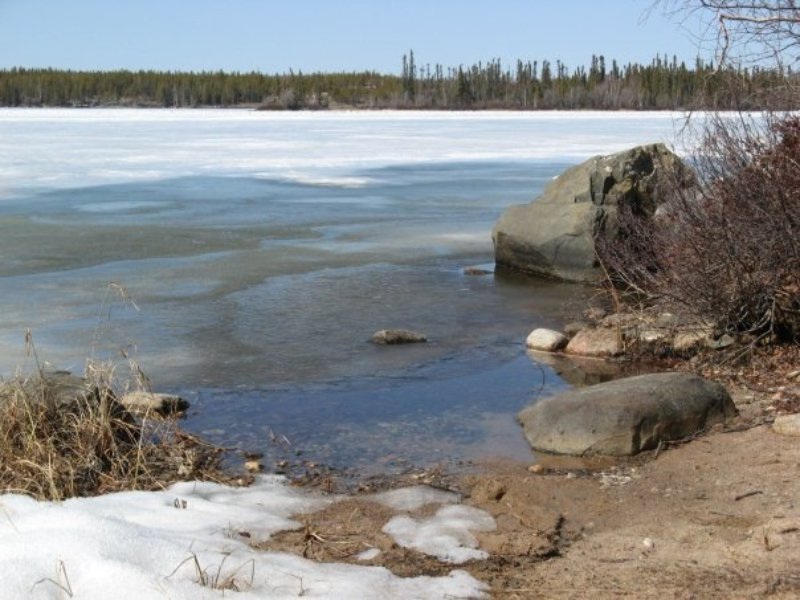
Spring break-up creates challenges for getting around, so it’s the perfect time for reports and a pot of tea. ©David Finch/Manitoba Museum
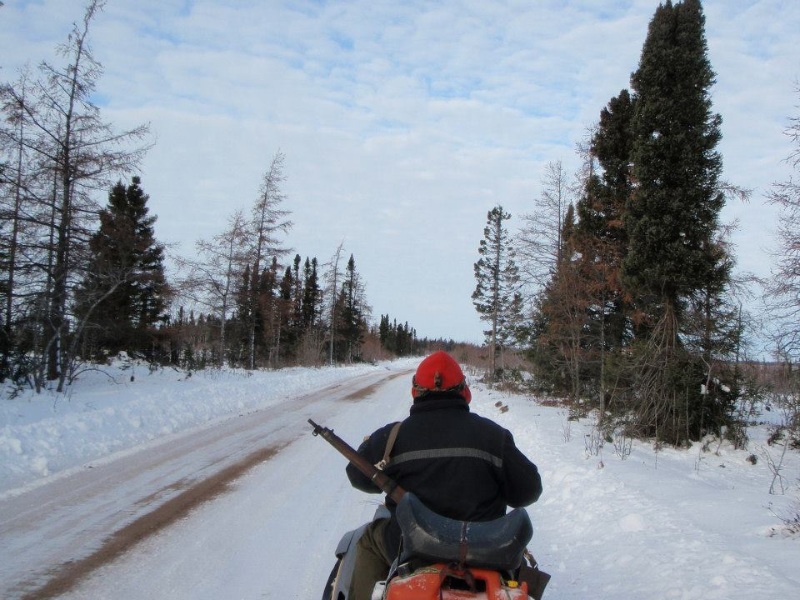
Accessing the country near Hudson’s Bay is a lot easier with snow machines. ©David Finch/Manitoba Museum
This summertime focus affects our mobility: recorded sites tend to be near highways and shorelines because most fieldwork is done during summer from trucks and boats. Ancient access was different, and winter sites might be in what we now write off as bogs.
One way around these problems is to think broadly about how, where, and when we can explore the land: oral history and traditional land use can help predict where sites may be (and where we should dig); underwater archaeology and remote sensing can reveal hidden sites; and making community connections and getting to know the land in all seasons can also point us in the right direction.
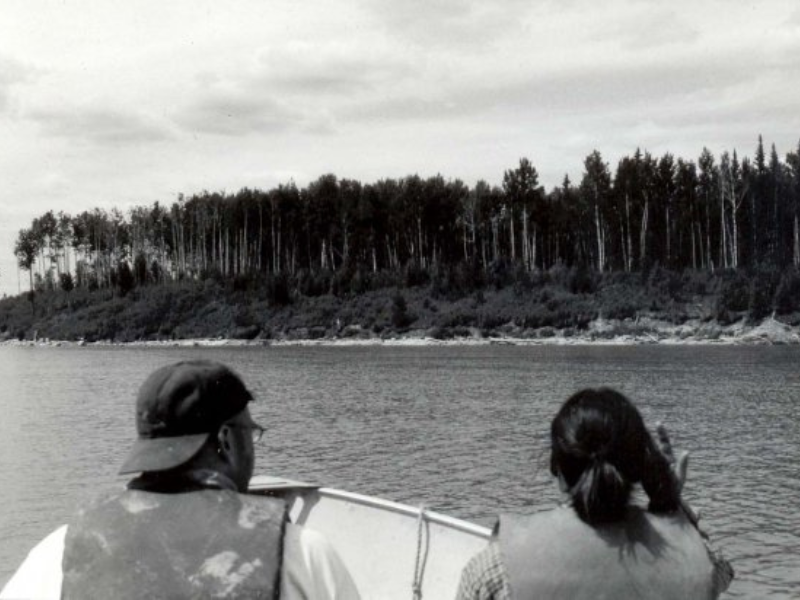
Lakes and rivers are like highways, both in ancient times and for archaeologists. ©David Finch/Manitoba Museum
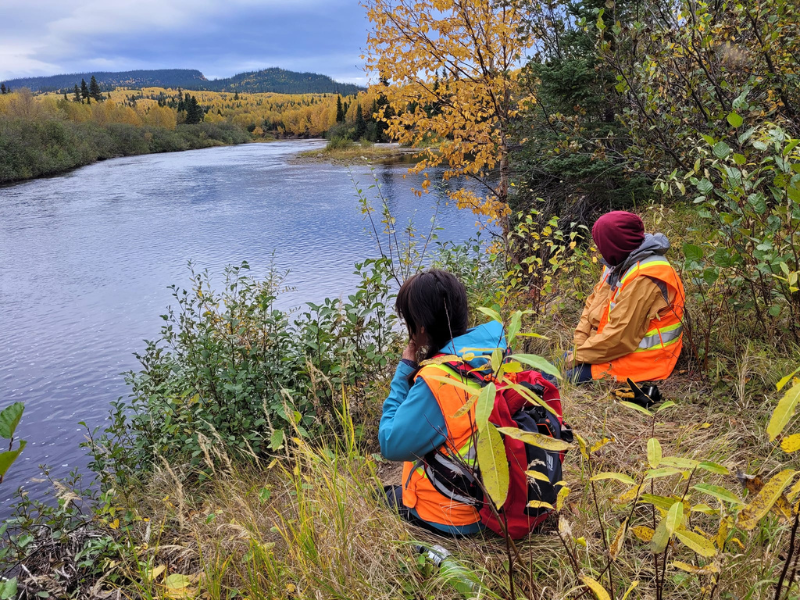
Doing community-based fieldwork in Labrador (working in fall means fewer bugs. ©David Finch/Manitoba Museum
Did you know that roughly 2.5 million (86%) of the Museum’s 2.9 million artifacts are part of the Archaeology collection? Containing objects dating from the last ice age through thousands of years of Indigenous history and the arrival and settlement of Europeans in Manitoba, the collection represents over 12,000 years of Manitoba’s history. Visit today to explore the Archaeology collection and all the stories it has to tell.

Spotting a shooting star can be a pretty exciting experience. Join Planetarium Astronomer Scott Young at our Space Rocks exhibit to learn about some of the best meteor showers of the year – one of which is coming up later this month!
Visit the Science Gallery, where you can check out the oldest rock you’ll ever touch!
Do you know the three things that are needed to make a rocket? In this video, join Science Communicator Rhianna in the Explore Science Zone to learn about rockets, and to make one of our own!
Catch Forward to the Moon in the Planetarium this summer!
Have you ever heard of the Criddles of Manitoba? They immigrated to Canada in 1882, but they weren’t your typical farming family. Learn more about Percy Criddle and his family in this video with Collections Technician of Human History, Cortney Pachet.
Manitoba has many wild plants that produce edible fruits. These can make for a nutritious snack while out on a walk or hike, and can also be a great addition to your garden – keeping that tasty fruit nearby! In this video, learn about some of the berries, cherries, and “faux” berries of Manitoba with Curator of Botany Dr. Diana Bizecki Robson.
Note: Before consuming any wild fruit, remember to consult with a field guide, to ensure you can correctly identify both edible and dangerous fruits.