
Posted on: Friday July 10, 2026
Away from the lights of cities and towns, the sky at night is a stunning sight. Sadly, many people can only see this wonder of nature when visiting a cottage or camping over the summer, when the nights are short and the sun sets very late. It’s totally worth staying up for!
As darkness falls, look for the Summer Triangle high in the southeast. It’s made of three of the brightest stars in the sky, including Vega, which is almost straight overhead. It looks like a big slice of pizza that stretches halfway to the horizon, with lots of other stars around it.
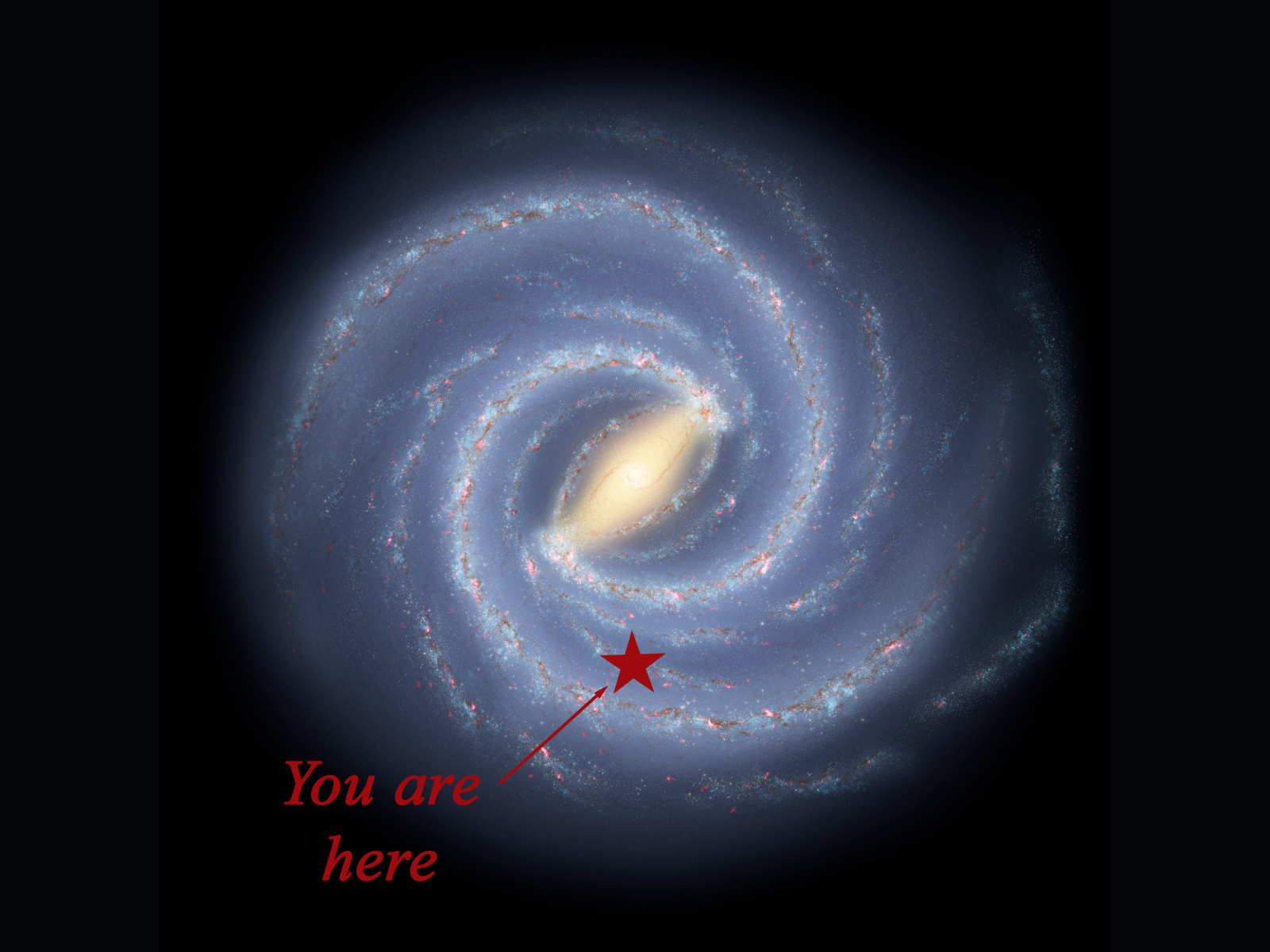
The Milky Way as seen from the outside – a huge spiral of stars, dust and gas. The Sun (circled) is just one of 400 billion stars in the Milky Way. © NASA/JPL/Caltech/R. Hurt
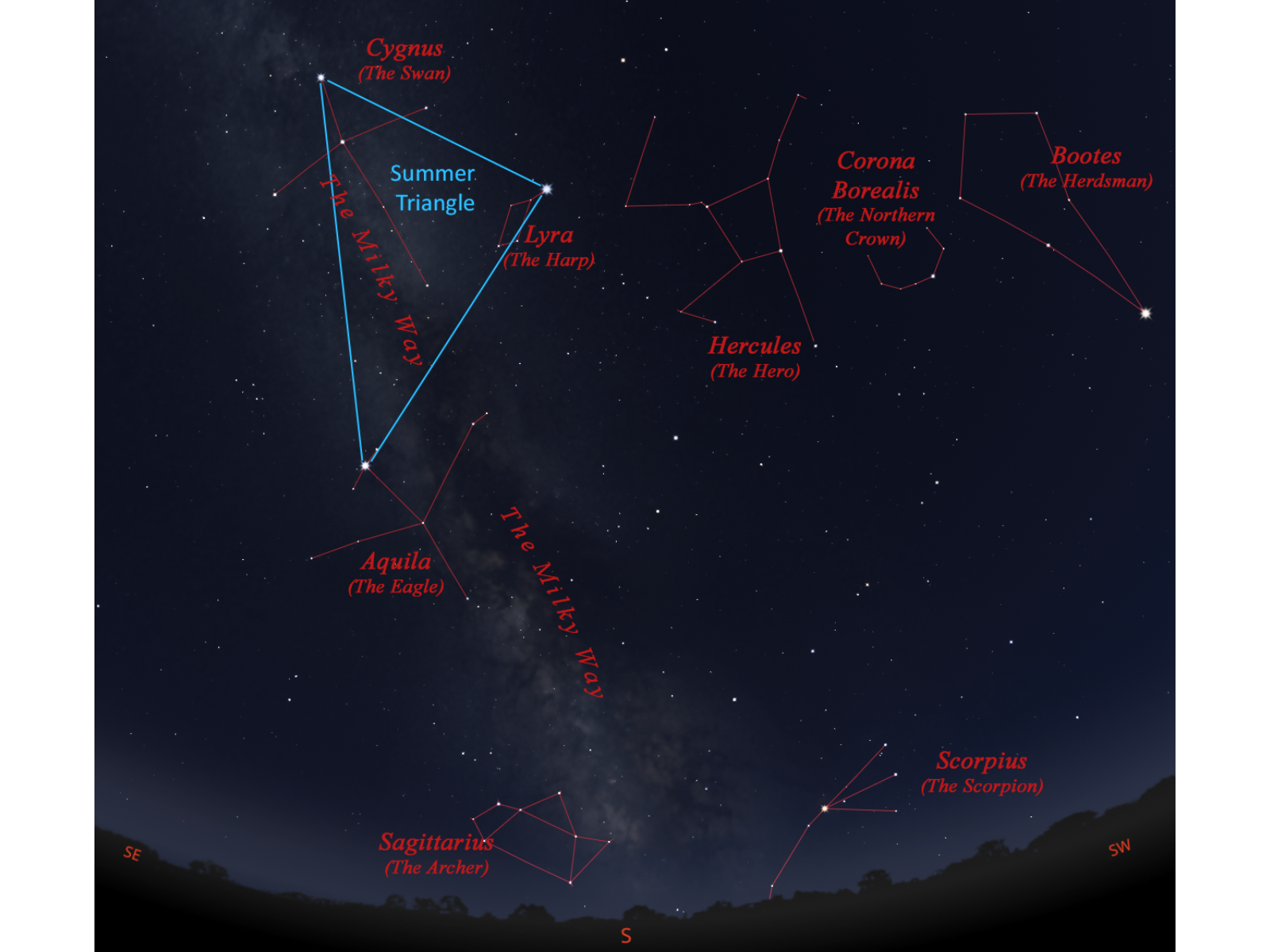
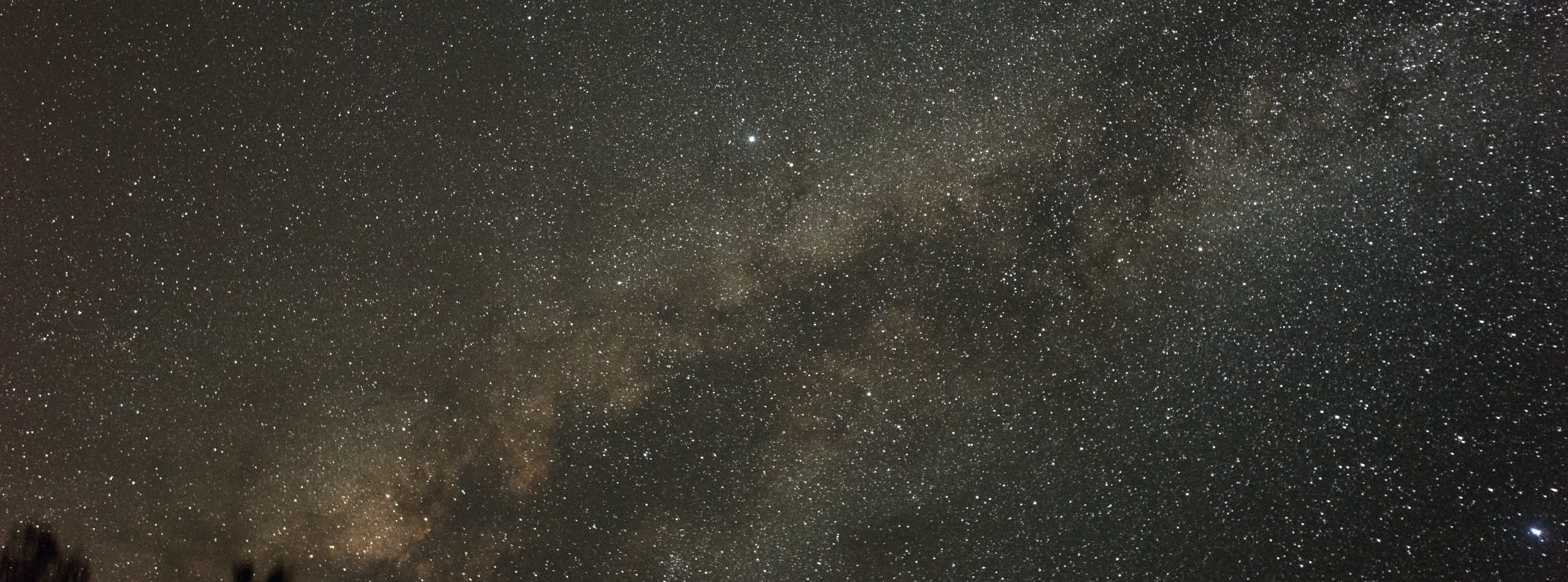
The Summer Triangle is high in the south during the summer, with the Milky way passing through it and towards the “teapot” shape of Sagittarius.
If you are away from city lights and the Moon isn’t in the sky, you will see a faint, hazy band of light stretching through the Summer Triangle down to the southern horizon – the Milky Way. This is our view of our own galaxy from the inside. This area is full of little star clusters and wisps of gas, perfect for scanning with ordinary binoculars or a small telescope as well as to the unaided eye.
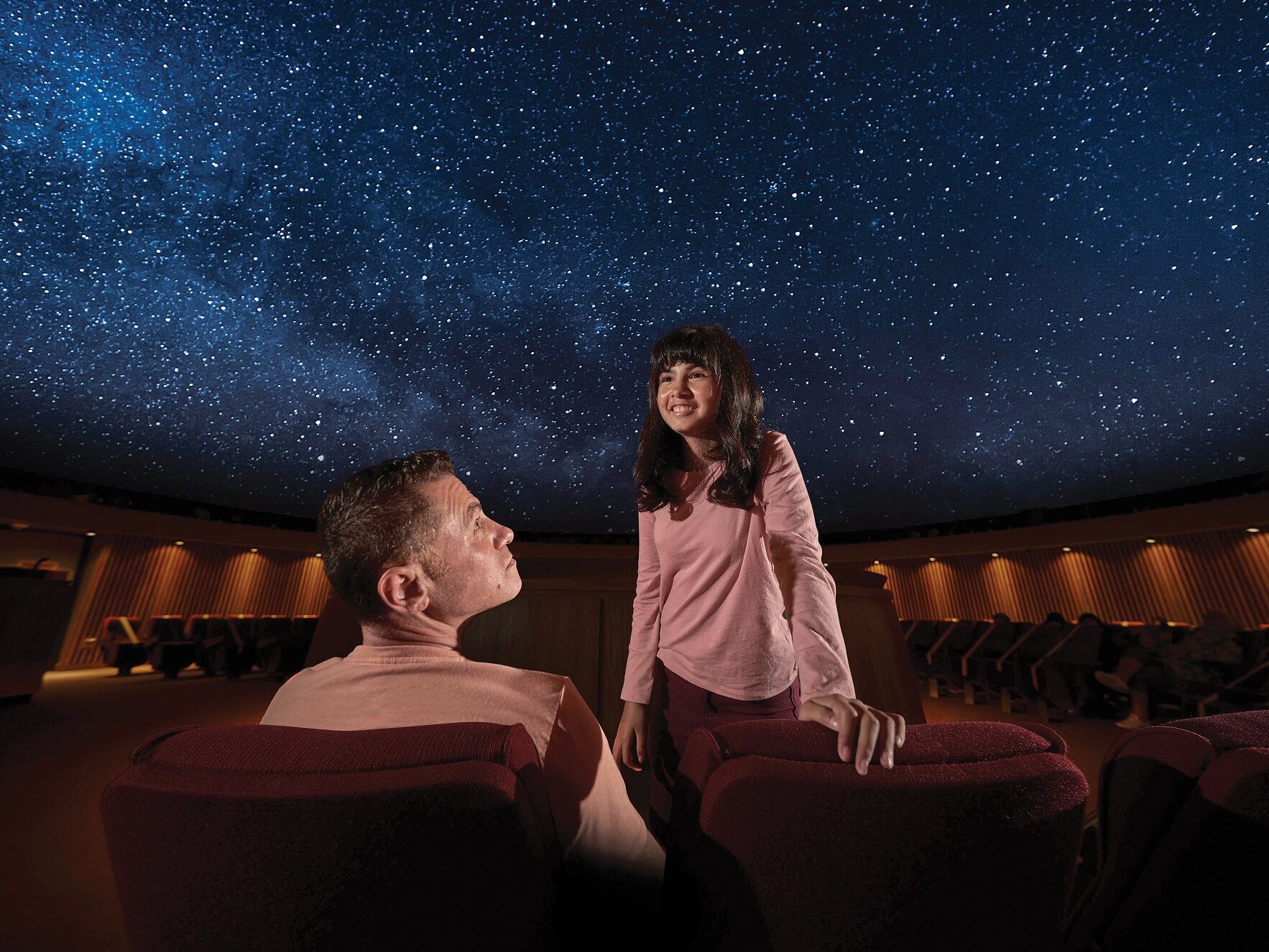
The Milky Way is visible every night of the summer, provided it is clear, and the bright Moon doesn’t interfere. The Planetarium’s show Milky Way Live, showing daily at 2:15 pm throughout the summer, will guide you to the best times and highlight other celestial events like meteor showers and planetary parades.
For full details on all of the Planetarium’s summer offerings, visit the Planetarium webpage or follow @ManitobaMuseum on Facebook and Instagram.