
Thursday, March 19, 2026, 9:30 am – 2:00 pm @ the Manitoba Museum’s Alloway Hall
*NOTE: The official World Water Day is on Saturday March 22, but we are hosting our event a couple of days earlier so you can debrief with your students after the event!
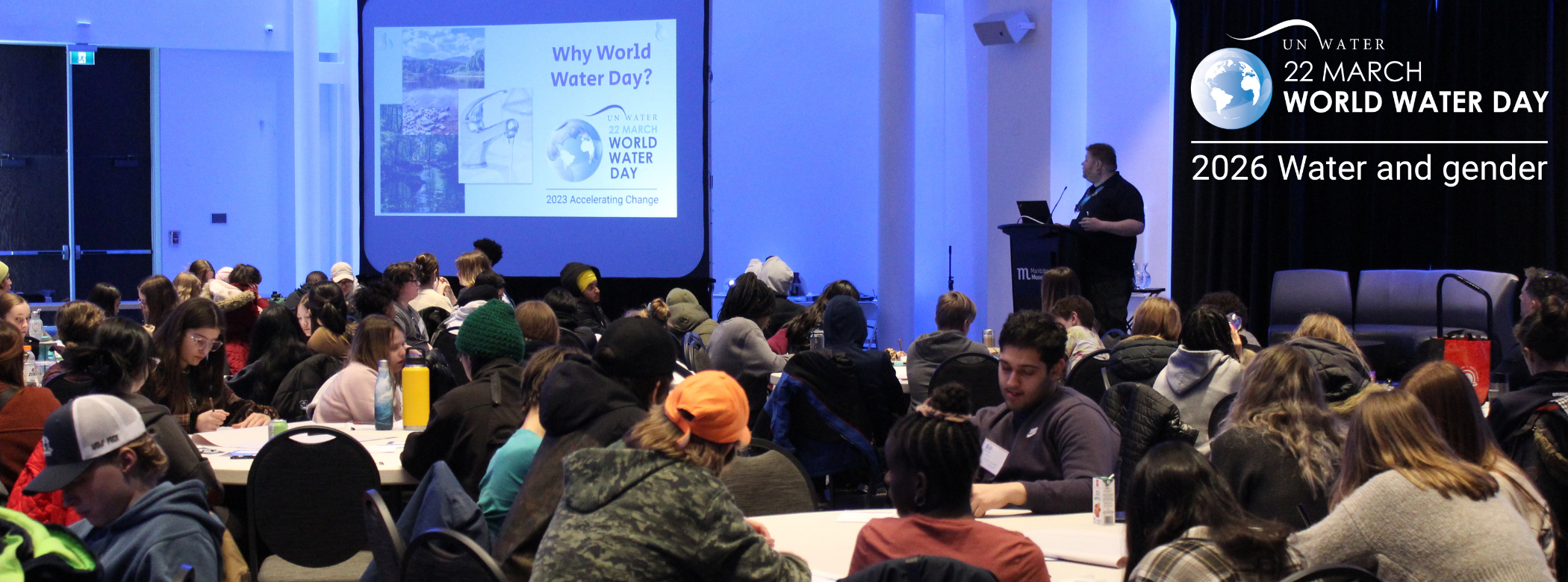
The Manitoba Museum, and Science First, are celebrating World Water Day 2026 with our fourth annual World Water Day youth event – Making A Splash!
Content of the event is geared towards Grades 8-12. We are asking for one adult to attend for every 9 youth participants.
Please note – we are hoping teachers will consider bringing youth who have specifically shown engagement towards the environment, social justice, and science-related issues, rather than bringing entire classes or grades. This will allow representatives from more schools/regions to attend.
ON-SITE GROUP CHECK-IN: Starts at 9:00 am
EVENT START: 9:30 am
LUNCH: Participants should bring their own boxed lunch and will eat at tables in Alloway Hall
EVENT ENDS: 2:00 pm
The event kicks off with a welcome by the Museum’s CEO, Dorota Blumczyñska, and a welcome and quick reflection by an Indigenous representative.
Following our brief welcomes, participants will head out for the first of two interactive breakout sessions taking place in the morning. Each breakout session will be approximately 30 minutes in length. After lunch, participants will head out to the third and fourth interactive breakout sessions.
And finally, all participants will come together to reflect on the day’s events and discuss possible actions to help them along a potential path towards youth advocacy, reconciliation and water stewardship!
Admission to this event is FREE thanks to the generous support of the Government of Canada through the Canadian Association of Science Centres.
This event is done in partnership with Science First.
Looking to register youth?
Complete our registration form
For inquiries, email WorldWaterDay@ManitobaMuseum.ca.
Breakout Session #1:
Lake Monitoring with the Experimental Lakes Area
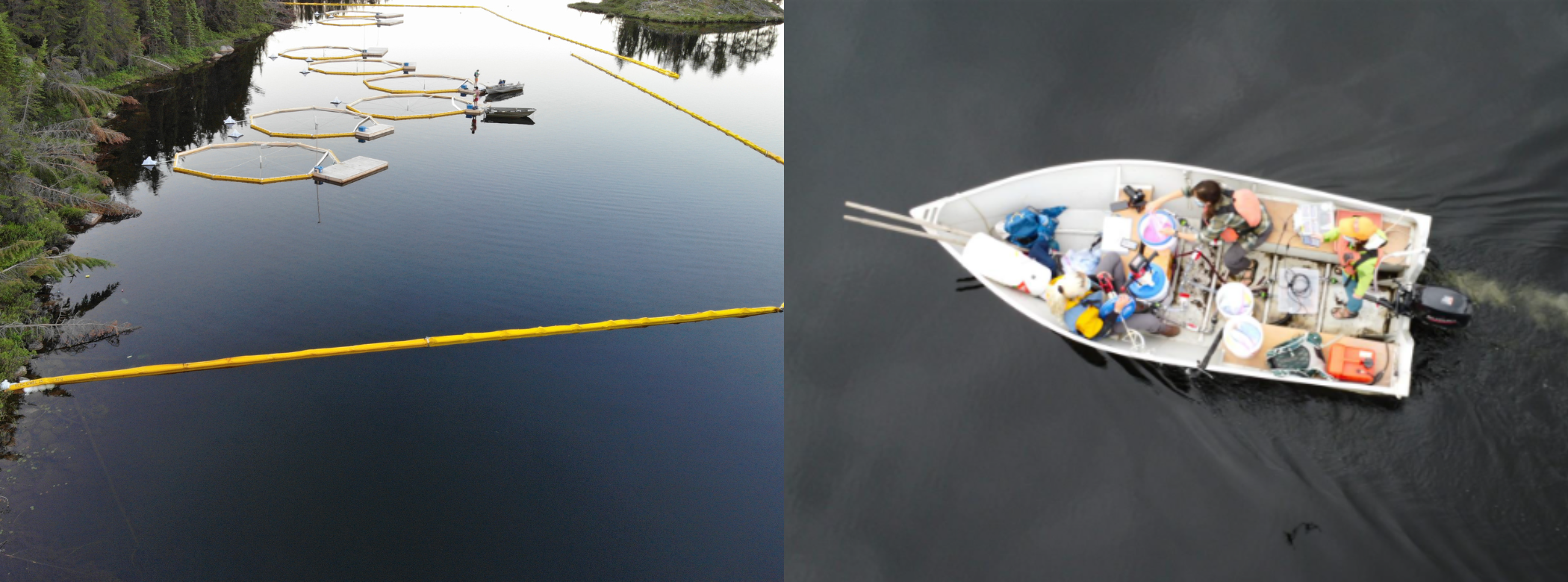
Participants will receive an overview of the Experimental Lakes Area and its history of whole-ecosystem research, with a focus on evolutionary biology and trait-based approaches in ecology and biodiversity science. They will rotate through a series of interactive stations exploring evolutionary trait trees, species relationships, and adaptations. Each station includes a hands-on activity that reflects how scientists study and interpret traits in both the field and the lab, such as building phylogenetic trees, comparing morphological characteristics, and examining functional adaptations.
SESSION HOSTS:
Morgan Anderson is a Biologist with IISD Experimental Lakes Area. She currently manages the non-invasive assessments laboratory as part of our toxicology program. This involves the collection and analysis of environmental DNA samples and assay development for the detection of a multitude of species. She also co-leads a hands-on educational program for high-school students based in Winnipeg focused on ecology and genetics. Morgan holds a Bachelor of Science (Hons.) from the University of Windsor in Behaviour, Cognition and Neuroscience and a Master of Science from the University of Manitoba in Biological Sciences.
Matthew Klachefsky is the manager of education and Indigenous relations with IISD Experimental Lakes Area. He leads the development and delivery of environmental education programs that connect youth, educators, and communities with freshwater science, while also supporting Indigenous engagement across the organization. He is an experienced program director, having spent more than 20 years in non-profit leadership, education, and outdoor programming roles. He has a proven track record in developing and managing educational programs and staff training, including nearly a decade as Camp Director at YMCA-YWCA Camp Stephens.
Breakout Session #2:
As the River Flows – Waterways in the Treaties
This session will discuss the shared relationship with water and how the waterways are living bodies that define territory with deep ancestral connections. Water is sacred, therefore Indigenous women are “Water Protectors” that safeguard water as a right and not simply as a resource. Those in attendance will have the opportunity to discuss/engage on the interconnectedness of all living things to water, cultural practices, and well-being for future generations.
SESSION HOST:
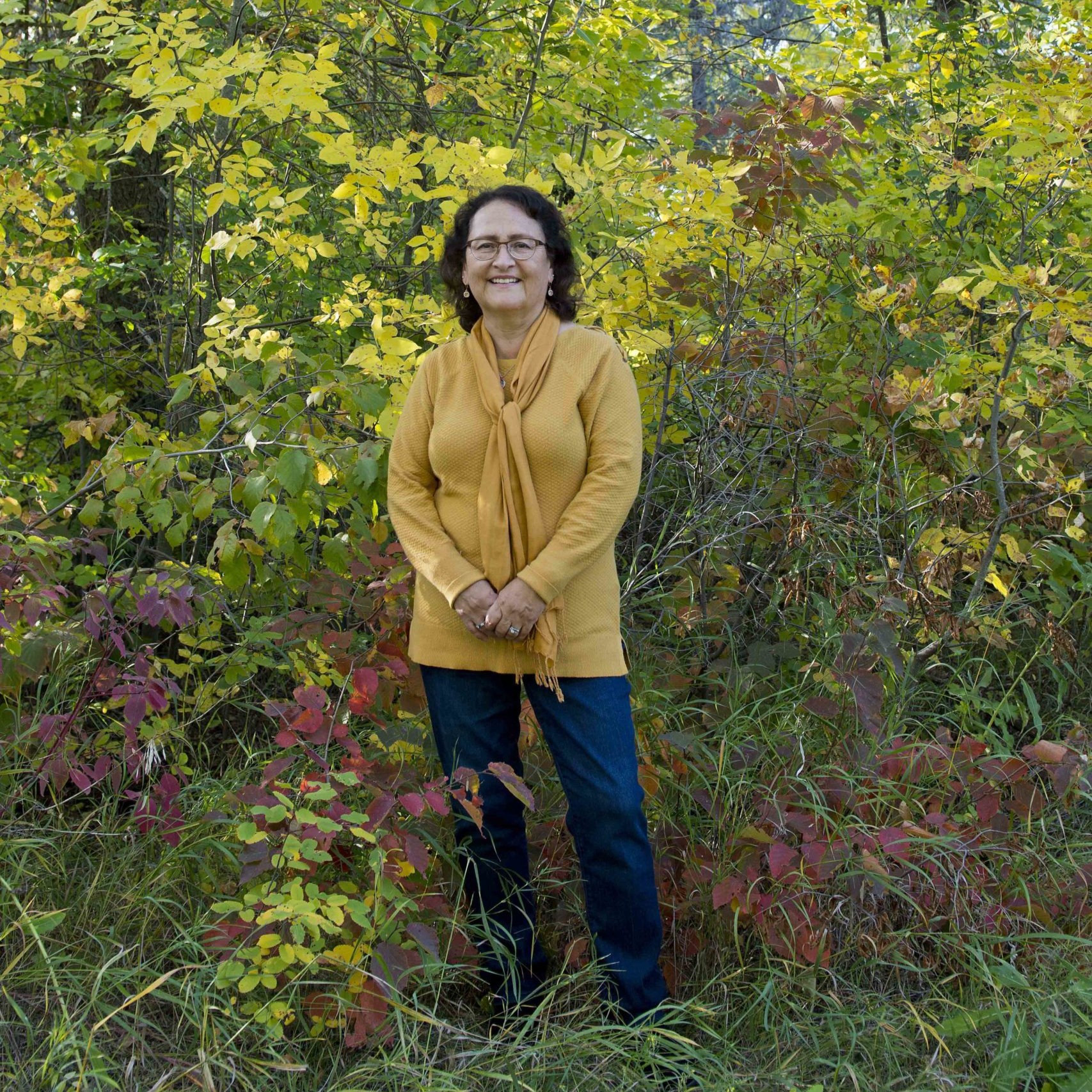
Elder Marlene Gallagher is an Anishinaabe Ikwe from Sagkeeng First Nation. Marlene attended residential school and has a good understanding of the Child Welfare System in Manitoba and its long-term impacts on children and families. She speaks Anishinaabe Ojibwa and takes part in various cultural practices and ceremonies.
Marlene possesses a Bachelor of Arts; a Bachelor of Education degree with double majors in History & English; a Bachelor of Arts Honours degree in History from the University of Winnipeg; and a Masters of Education degree from the University of Manitoba.
Marlene previously worked as an Education Consultant for the Province of Manitoba. In this position, Marlene’s portfolio included working closely with schools throughout Manitoba to support Aboriginal Education, Cultural Awareness, and Community Partnership Initiatives. Marlene is currently an Independent Consultant and a current member of the speaker’s bureau for the Treaty Relations Commission of Manitoba.
Breakout Session #3
Prairie Water Sharing and the Canada Water Agency
Participants will learn about Prairie water – its sources, its uses, how it is measured and shared, and why the water regulation policies managed by Canada Water Agency matter to students in Winnipeg. Foundational themes like the hydrologic cycle, our Prairie geography and the need for water sharing agreements will be reinforced through guided dialogue and an interactive water sharing activity.
SESSION HOST:
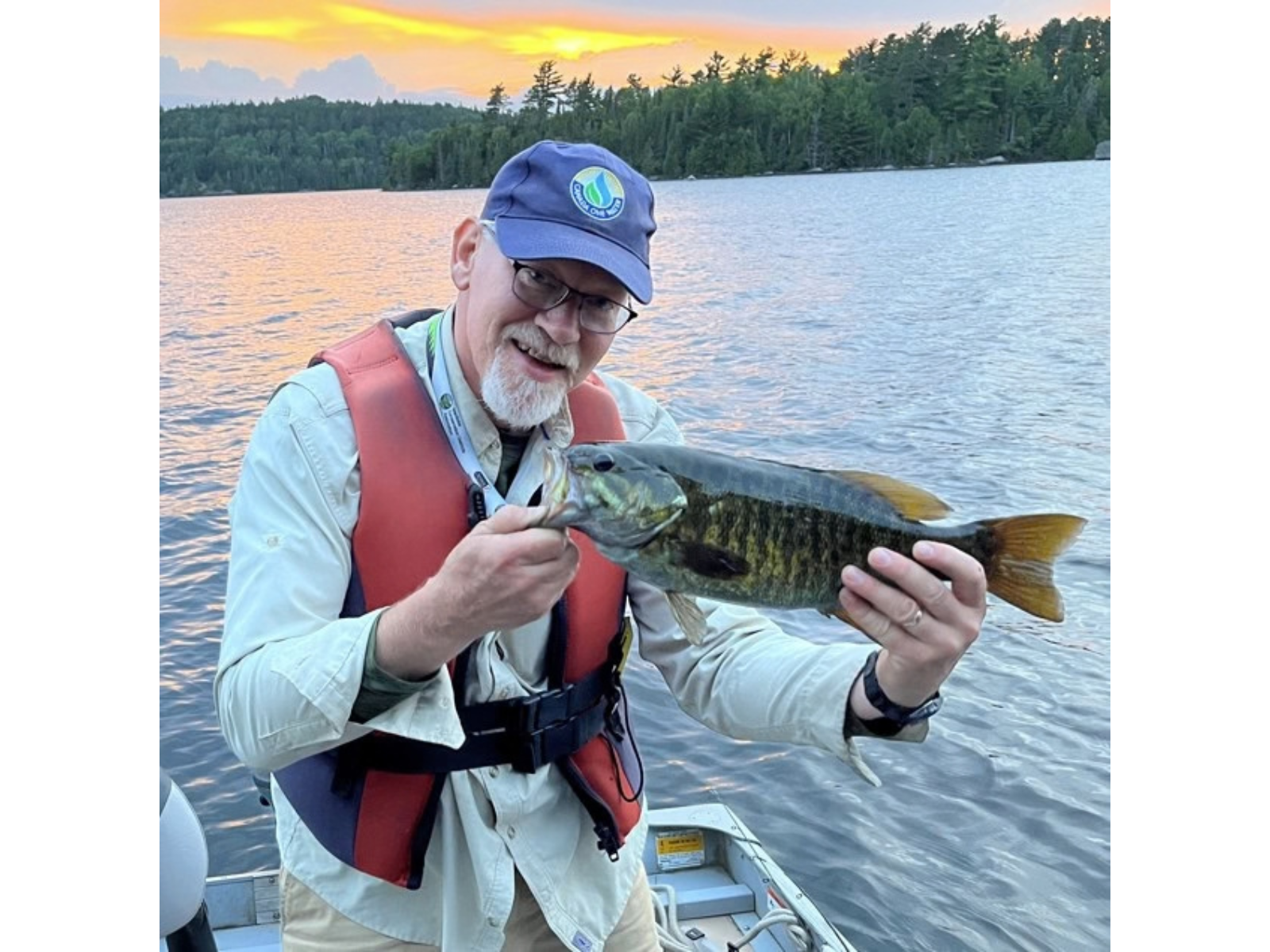
Jim Friesen is a senior engineering advisor with the Prairie Provinces Water Board in the Canada Water Agency. He holds a Bachelor of Arts degree, and a Bachelor of Science in Civil Engineering (Water Resources) from the University of Manitoba. His team is responsible for monitoring the water sharing between Provinces and reporting to the Minister of the Environment on behalf of Canadians.
His diverse career path includes flying in Northern Manitoba and Mozambique as well as 23 years in Water Resources Consulting focused on flood protection, drainage design and related hydrologic and hydraulic modelling. Jim has 5 years working as a public servant with the Canada Water Agency providing monitoring and water regulation for surface and groundwater. He is passionate about water and loves recreation in, on and near water.
Breakout Session #4
Protect the Belugas

In this session, we will explore the animals that call the Hudson Bay region home and what CPAWS Manitoba is doing to protect it. Students will learn about echolocation, impacts to Manitoba’s marine environment. and the importance of biodiversity. Students will have the opportunity to use their voice to advocate for the protection of land and water in the province.
SESSION HOST:
Claire Woodbury is a Conservation Campaign Manager with the Canadian Parks and Wilderness Society’s (CPAWS) Manitoba Chapter. Claire has over twelve years of experience in science communication and public engagement, engaging communities through public events, innovative programs and one-on-one knowledge sharing.
Claire brings her passion for environmental protection within a decolonial framework to advocate for the protection of public lands and waters in Manitoba, especially in the north.
Breakout Session #5
Water in a Changing Climate
Using an interactive watershed model, this hands-on workshop reveals what happens when rain falls on our landscape. Watch how water flows through a watershed, how pollution travels downstream, and how climate change and extreme weather can intensify these challenges.
Can you identify the problems—and help find the solutions to keep our watershed healthy
SESSION HOSTS:
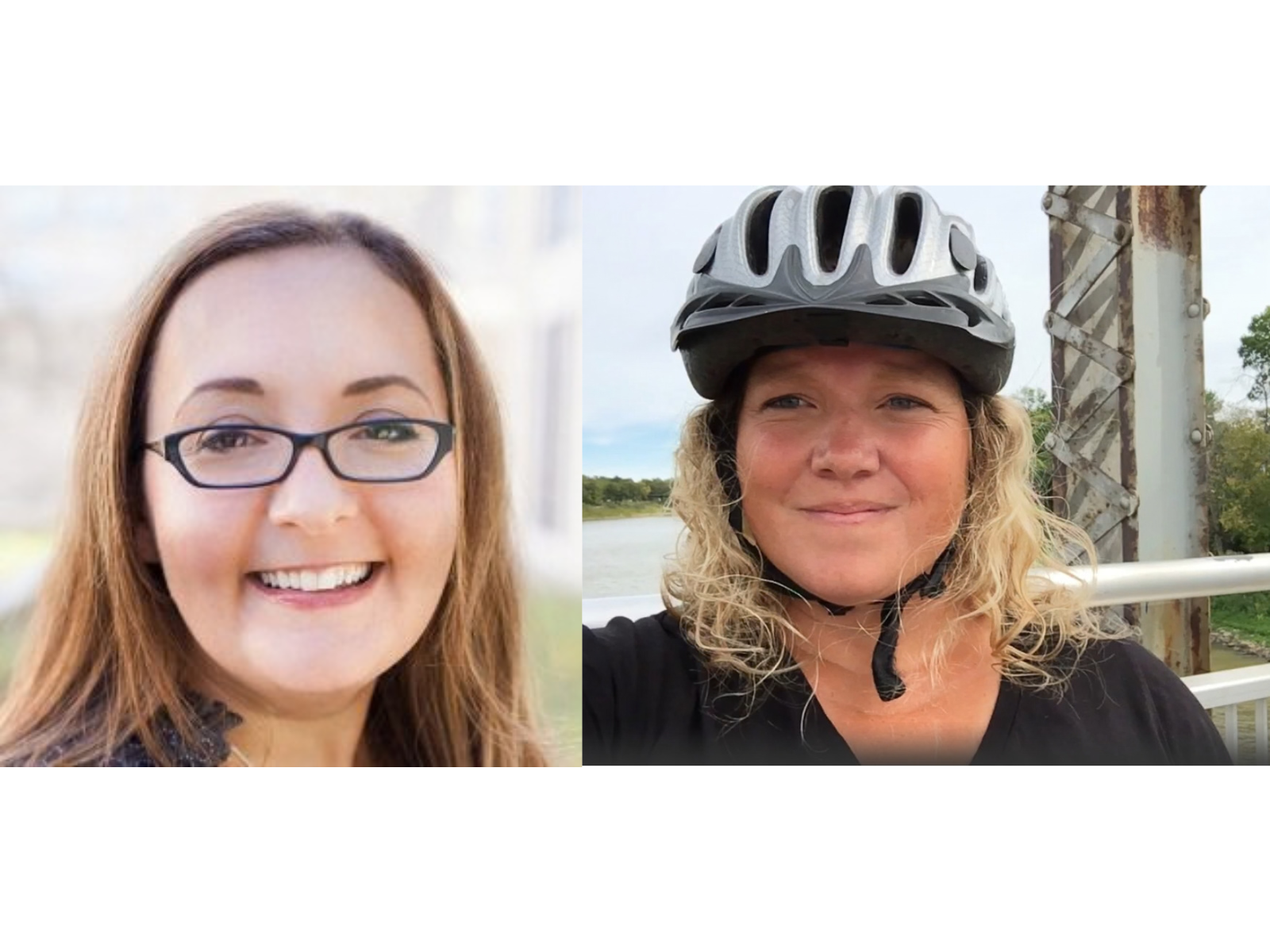
Jennifer MacRae (left) is a Red River Métis climate outreach and education associate with Climate Change Connection and a Climate Reality Leader with the Climate Reality Project Canada.
Susan Lindsay (right) is an environmentalist and project manager with Climate Change Connection. Susan has over 20 years of experience as a climate educator and leader and is a Climate Reality Leader with the Climate Reality Project Canada.