
Posted on: Thursday April 22, 2010
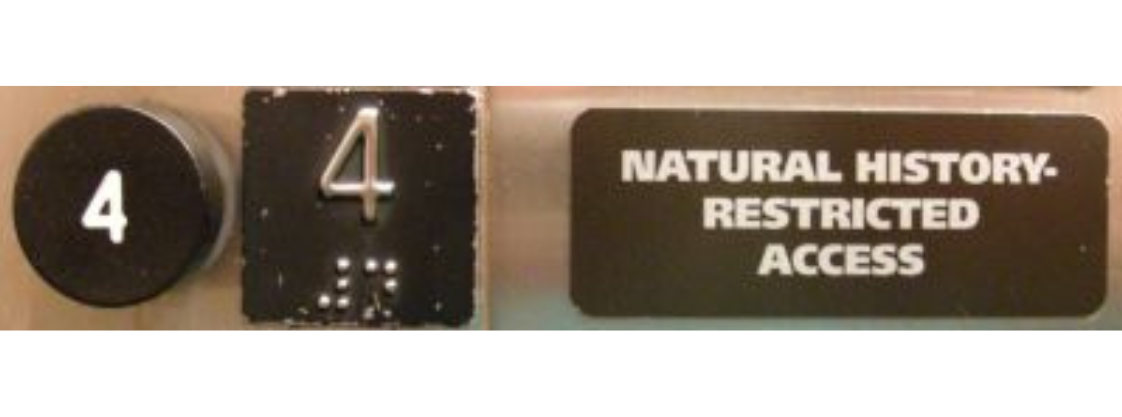
Welcome to the Zoology blog! This little corner of the Museum website will be a small window into the “restricted access” world of the 4th floor where specimens are housed and scientific research is undertaken that provides the foundation for exhibits on display in the public galleries. It often comes as a surprise to even frequent Museum visitors that less than 2% of our collections are on display at any one time. A tour of the zoology holdings would reveal a dimly-lit space with densely-packed shelves brimming with what might seem a grisly accumulation of mammal skins and skulls, bird mounts, pinned insects, and gruesome cocktails of fishes and frogs preserved in alcohol. Why all the dead stuff in a museum otherwise dedicated to the celebration of life and the natural world? Why so many? And how did they get here? These are some of the questions that will be explored during the development of this blog.
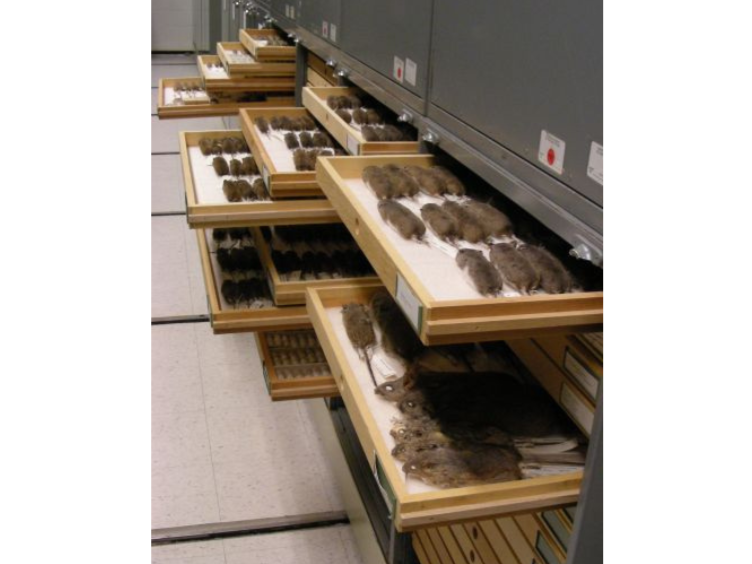
A sample of the collection’s rodents.
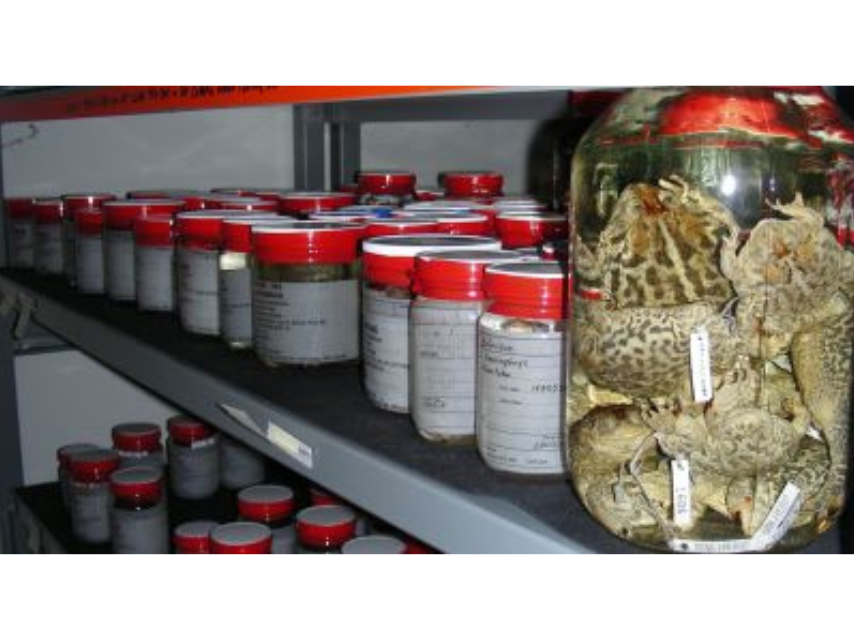
Toads preserved in alcohol.
The collection shelves are not as lifeless as they at first appear. Although the specimens are no longer physically alive, a good collection is a dynamic and exciting place. Researchers like myself, and others from around the world, examine the Museum’s collections to identify species new to science, to determine where and how various species live, and to uncover Manitoba’s and the world’s rich biological history – all important steps to understanding and conserving nature’s diversity.
Each specimen has two stories to tell: one biological that outlines what species live where, when, how, and with whom, the other a human story intimating the trials and tribulations of fieldwork often under difficult circumstances in interesting places or providing a taste of life in a different era.
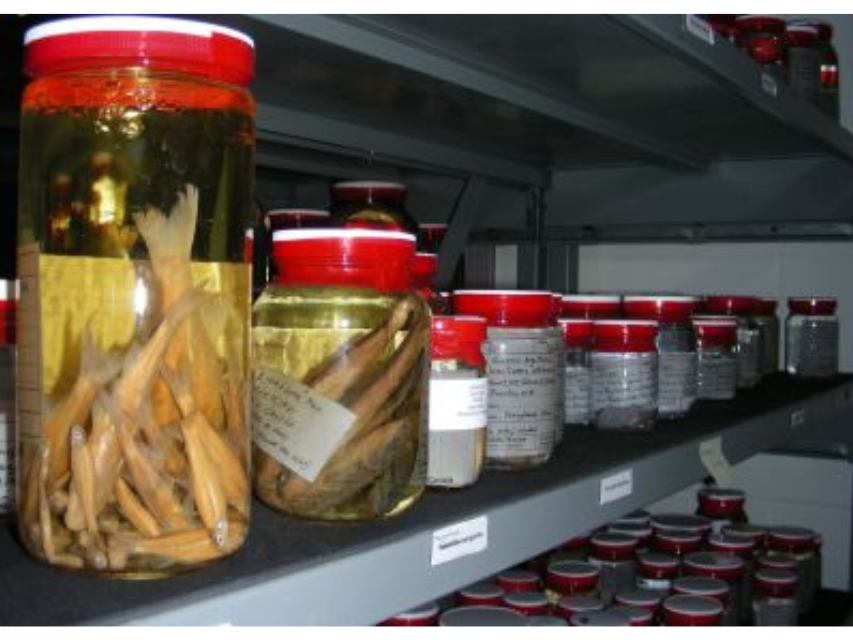
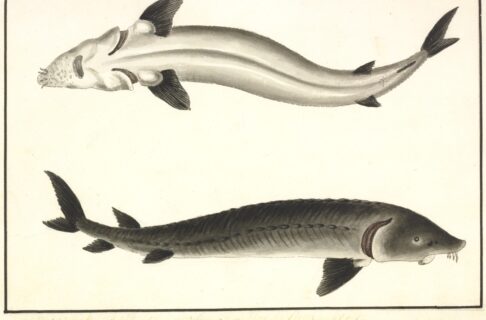
Alcohol-preserved fishes – what stories might they hold?
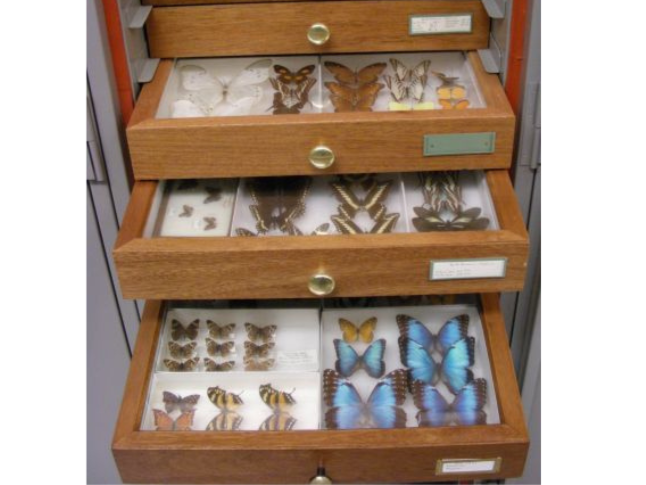
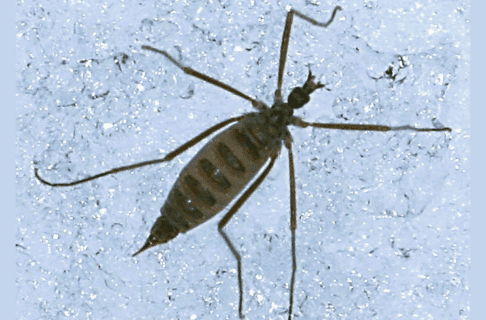
Who collected and studied these butterflies? What motivated them?
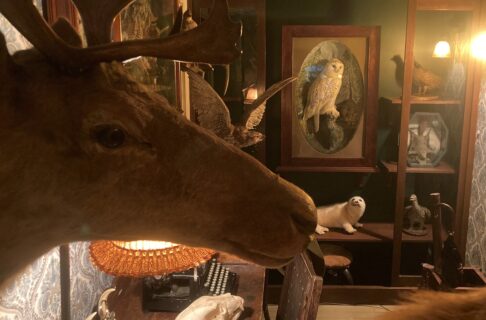
For a zoology curator, picking up a jar of fishes conjures up an image of a research team slogging through marshes or hauling a trawl in heavy seas, whereas an aging pinned butterfly might bring to mind a monocled Victorian naturalist peering closely at that same specimen at a rolltop desk by kerosene lamp.
Future entries will examine specimens from biological and human perspectives and investigate the how and why of Museum collections.
Hope you join me.