
On My Scanner

On My Scanner

By Dr. Graham Young, past Curator of Palaeontology & Geology


This week I have been working on an exhibit about the early history of life on Earth. We have selected several specimens for this exhibit, including examples of stromatolites, mat-like structures formed by bacteria and Cyanobacteria (blue-green algae). Some of the Precambrian specimens in our collection had been cut and polished, so I have been putting them on my flatbed scanner to produce images.

Modern scanners are very sophisticated digital imaging devices. Most people don’t seem to consider using them for anything other than photos and documents, but I know many paleontologists who scan flat fossils and microscope slides.
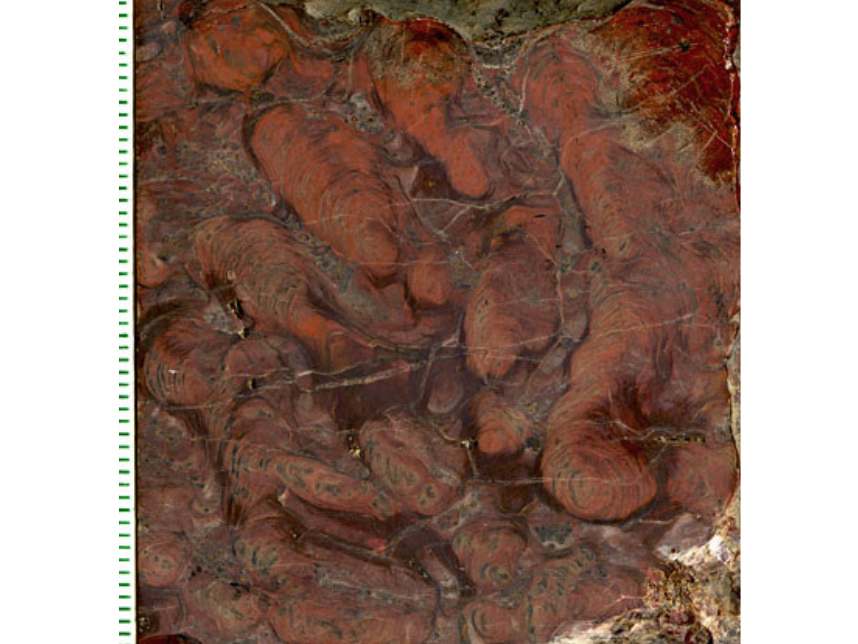
A reddish-brown fossil containing the polished surface of small finger-like stromatolites, mounds made by Cyanobacteria (blue-green algae) and other microorganisms.

A polished surface of small finger-like stromatolites, mounds made by Cyanobacteria (blue-green algae) and other microorganisms. This specimen is 1.9 billion years old, from the Gunflint Formation, Lybster Township, northwest Ontario (The Manitoba Museum, B-129; all scales are in millimetres).
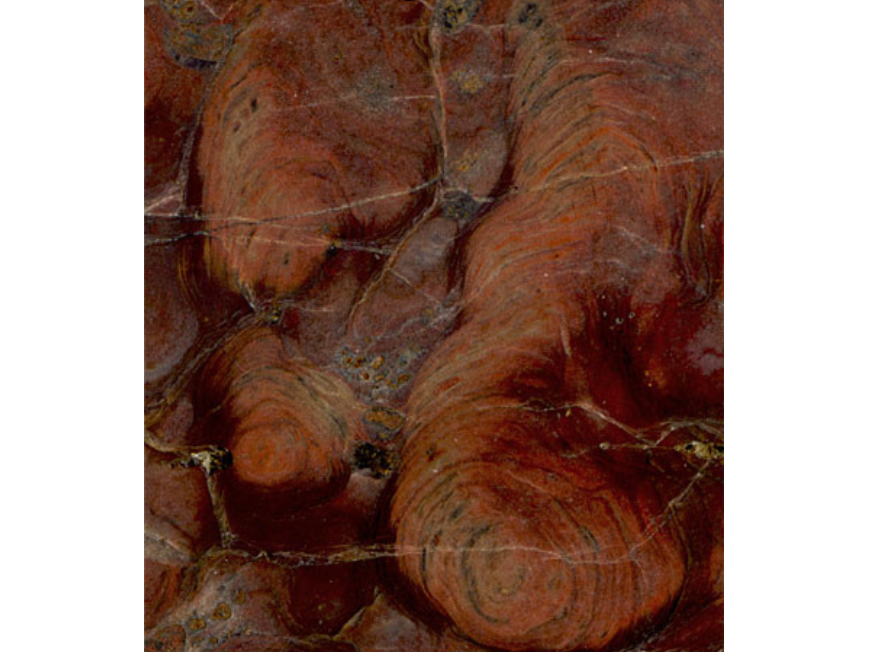
Close-up of a reddish-brown fossil containing the polished surface of small finger-like stromatolites, mounds made by Cyanobacteria (blue-green algae) and other microorganisms.

A detail of part of the specimen shown in the previous image. The layers were produced as the microbes bound limey sediment on the seafloor (TMM B-129).

I have been doing this for years; I used to put a sheet of mylar on the glass to protect it from scratching, but I found that produced weird light effects (or “artifacts”). So nowadays I am just very careful, and place the fossil on the end of the scanner bed opposite the part usually used for photos.

Scanners are generally better than cameras when you want to photograph items that are flat or nearly flat; any imperfections in these images come from the way in which the rocks were polished.
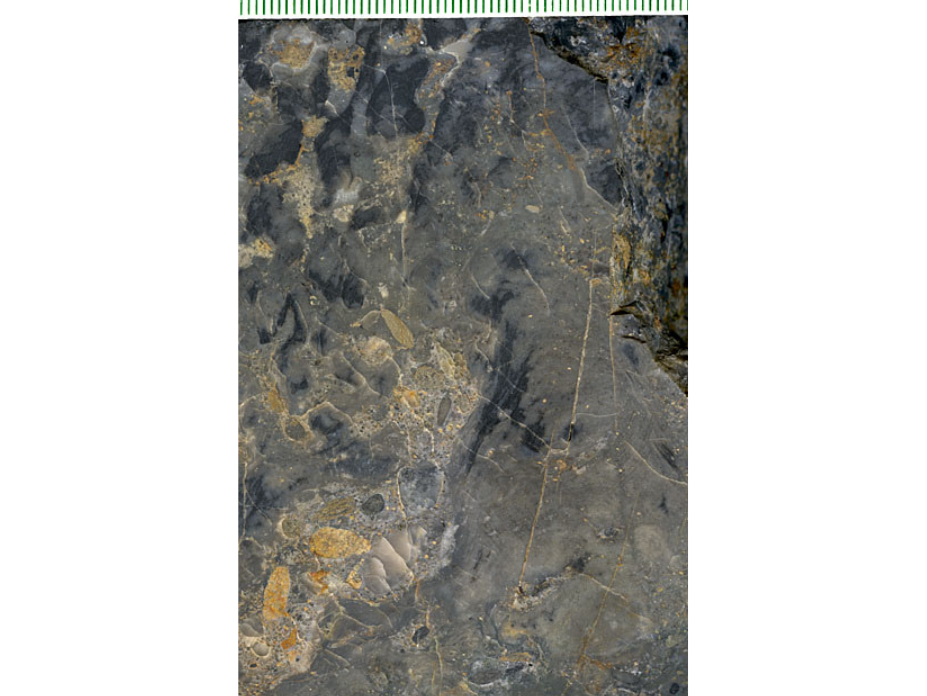
A grey-blue specimen with flecks of gold-coloured material. The clotted and layered microbial textures in a specimen.

Clotted and layered microbial textures in a specimen from the Gunflint Formation at Schreiber Channel, northwest Ontario (TMM B-130). This is the same site from which Tyler and Barghoorn described microscopic examples of early bacteria.
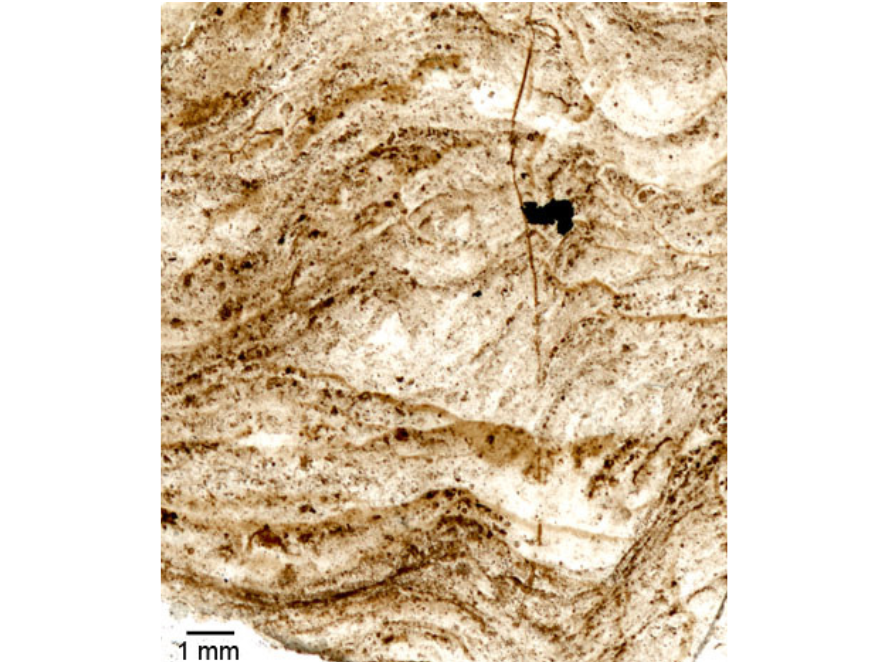
Cream coloured thin section (microscope slide) of a layered structure from Schreiber Channel.

Thin section (microscope slide) of a layered structure from Schreiber Channel.

The Gunflint Formation (or “Gunflint chert”) is a succession of iron-rich sedimentary rocks exposed in northwest Ontario and northern Minnesota. This unit, dating from about 1.9 billion years ago in the Proterozoic Eon of the Precambrian, yielded some of the first-known well-preserved Precambrian microfossils.
41 Uses for a Dead Plant

Does anyone remember the book “101 Uses for a Dead Cat” that came out in the 1980’s? I know, I know animal rights activists accused the cartoonist of encouraging cruelty to animals but I can’t imagine that anyone took it seriously. I mean who would ever turn a dead cat into a pencil sharpener or a pair of roller blades?

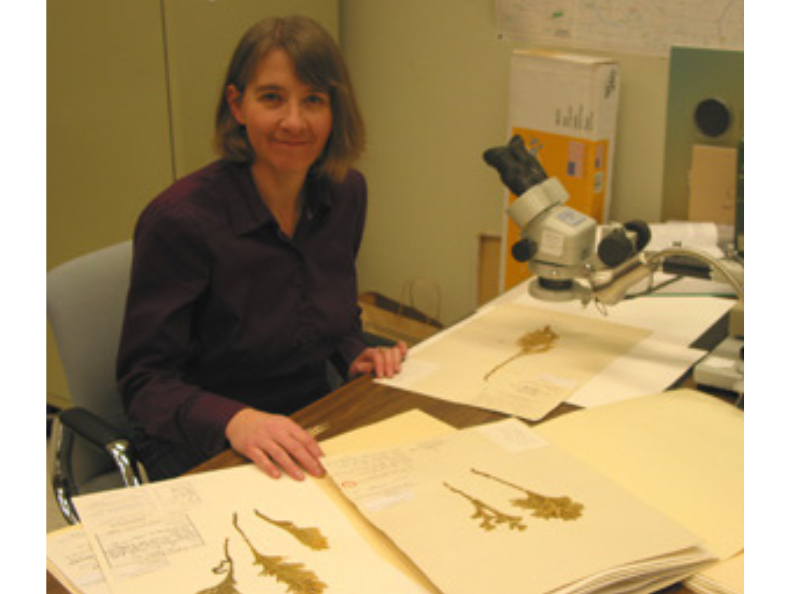
Dr. Diana Bizecki Robson seated at a desk with a selection of botanical samples laid out in front of her by a microscope.

Anyway, it turns out that dead plants are even more useful than dead cats. In fact, next week I will be attending a conference called “Biodiversity 2010 and Beyond” in which the participants will be spending five whole days extolling the virtues of dead plants. Although everyone that I am sure to meet at this conference will be familiar with the multitude of uses for dead plants, most people almost certainly don’t. In fact, a recent survey of our visitors revealed that very few people even know that The Manitoba Museum has a collection of dead, dried plants and fungus (called a herbarium) up in the tower.


Image: Studying, organizing and expanding the Museum’s collection of dead plants is part of my job.

So in the interest of education, here’s my own take on the what-to-do-with-a-dead-something theme, with the goal of letting everyone know some of the things that dead plants at The Manitoba Museum, and at other Museums and Universities, are really used for.

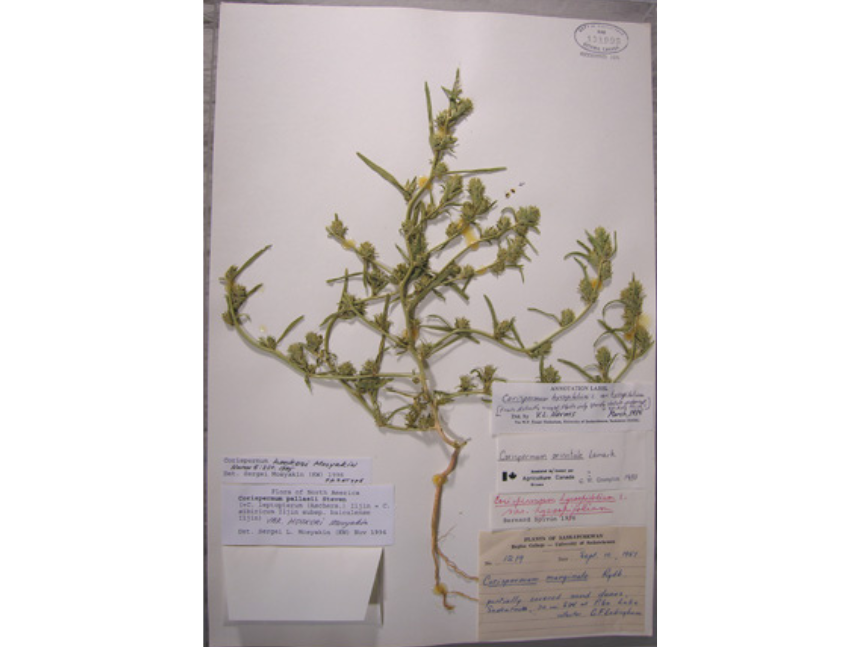
A dried and pressed botanical specimen on a sheet of paper accompanied by the collection and specimen details.

1. Documenting the existence of new species. All new species must have a type specimen (=a dead plant) designated at the time of publication and preserved in a Museum or University for all time.

2. Documenting the validity of ecological research. Without voucher specimens, scientific research is not publishable because there is no way of proving that the observations were really made.

3. Determining the population sizes and rarity status of species. Endangered species lists around the world are prepared by studying Museum collections.

4. Creating status reports and conservation plans for endangered species.


Image: This is a type specimen of a new species of bugseed from the Canadian Museum of Nature.

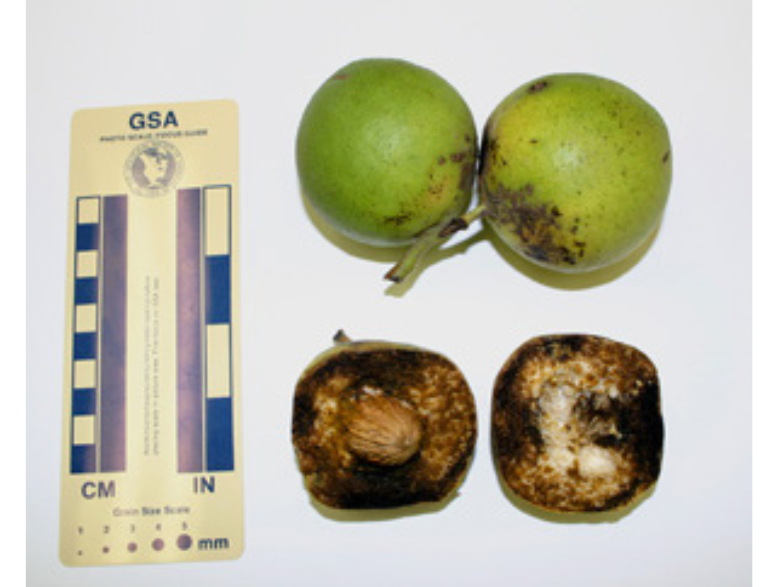
Four walnut specimens against a light-coloured backdrop. The top two are green, and the lower two are brown and split in half.

5. Documenting changes in the climate by comparing flowering dates and changes in distribution over time.

6. Documenting the spread and alternate hosts of plant diseases.

7. Documenting changes in air quality over time; lichens will die if air quality is bad.

8. Aiding in the production of Environmental Impact Assessments for development projects.

9. Acting as a storehouse of DNA for projects such as the DNA barcoding project at the University of Guelph.

10. Providing DNA for crop breeding.


Image: DNA from herbarium specimens, like these walnuts can be used for crop breeding.

11. Documenting the ecological relationships between plants, animals, and fungi.

12. Documenting changes in ecosystems over time (i.e. sand dune stabilization rates).

13. Documenting the location of illegal marijuana and poppy fields.

14. Documenting the mutations that occur when native plants are bombarded with gamma radiation (we have an entire collection of mutant plants from the Whiteshell Nuclear Research Establishment stored here).

15. Determining the authenticity of wooden artifacts (e.g. did this wooden necklace really come from a lost tribe in New Guinea? Not if it’s made of Bur Oak!).

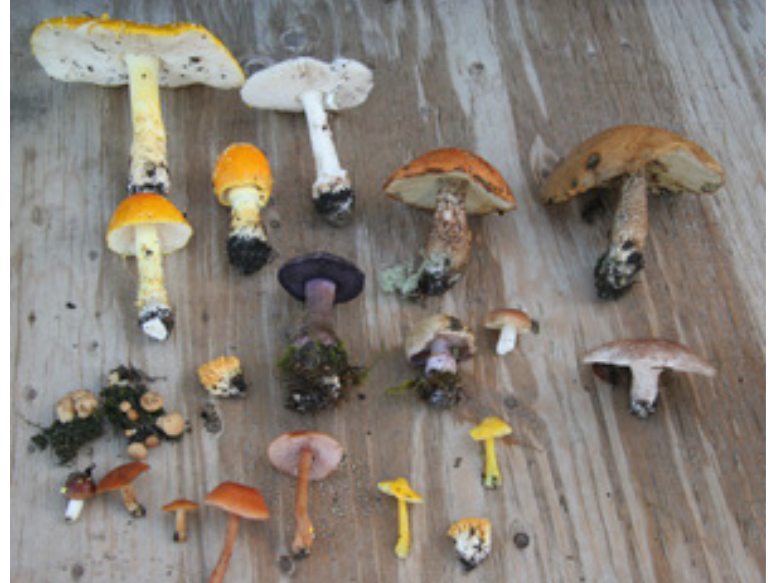
A variety of mushroom specimens laid out on a wooden surface.

16. Documenting the spread of illegal aliens (i.e. plants that are alien to Canada and potentially threaten our agricultural production and native ecosystems).

17. Aiding in the instruction of students.

18. Helping people identify plants and fungi that are edible.

19. Determining the food requirements of wild animals. I used the Museum’s collection to identify the seeds found in food caches of Ord’s Kangaroo Rats (an endangered rodent found on sand dunes in Saskatchewan and Alberta).

20. Aiding in the identification of potentially poisonous plants and fungi.


Image: Dead mushrooms stored in a Museum can be used to identify edible and poisonous ones.

21. Indicating water quality. The presence of certain plants indicates salinity in the groundwater.

22. Documenting the kinds of plants that were used by ancient peoples and how they were used. I’ve had to identify fossilized seeds found in clay pots during the Museum’s archaeological digs.

23. Determining which wild plants are ancestral to our modern cultivars.

24. Helping scientists identify plants that may produce useful chemicals for modern medicine and other industrial applications.

25. Determining the distribution of species.

26. Determining the habitat requirement of species (this is useful information for reclamation scientists).

27. Indicating the location of certain metals such as nickel.

28. Acting as a reference collection for the identification of species.

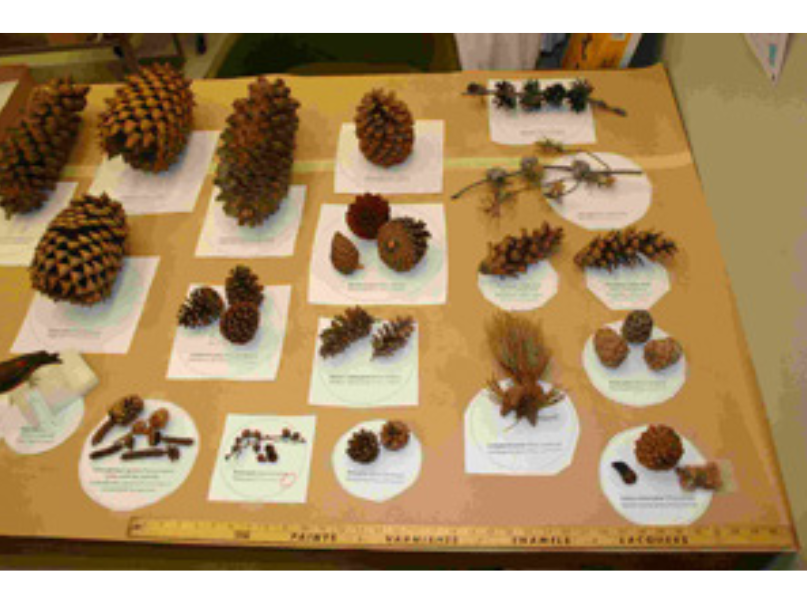
A variety of cone specimens laid out on individual sheets of paper with identifications on a large table top.

29. Documenting the variability in appearance of plants due to habitat differences or mutations.

30. Determining how species are related to each other (=systematics).

31. Determining the genetic structure of a species.

32. Determining the normal fire cycles of forests.

33. Reconstructing past environments (using tree and lichen rings).

34. Determining the level of genetic contamination from genetically modified organisms.


Image: These cones were displayed in the Museum’s “Travelling Plants” exhibit.

35. Determining how plants distribute their seeds.

36. Aiding in forensics investigations. Museum collections have been used to identify plant materials found at crime scenes and on the clothing of suspects.

37. Preparing manuscripts, books, floras, field guides and DVD’s that facilitate the identification of plant species by farmers, agronomists, consultants, government employees, students and naturalists.

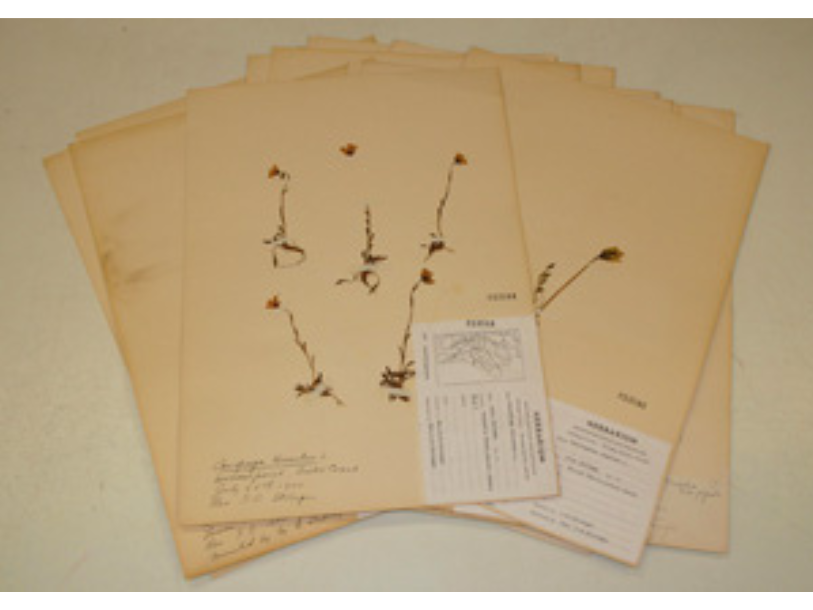
Historical specimens dried and pressed on sheets of yellowed paper with specimen details in the lower right corner of each sheet.

38. Aiding professional artists in creating realistic illustrations of plants.

39. Helping diorama artists create life-like models of native plants.

40. For putting on display in Museum galleries.

And lastly,

41. Providing future citizens of the world with the opportunity to study and utilize these specimens for whatever their future needs may be.


Image: These specimens were collected over a century ago and can help us detect climate changes.

When the great British explorer William Dampier began collecting plants back in the late 1600’s he had no idea that his specimens would be used for the purposes that I have just listed. I am humbled to think that the specimens that I collect will someday be used in marvellous and completely inconceivable ways to help our species’ collective descendants solve some of the problems they will inevitably be faced with.

Dr. Diana Bizecki Robson

Dr. Diana Bizecki Robson

Curator of Botany

Dr. Bizecki Robson obtained a Master’s Degree in Plant Ecology at the University of Saskatchewan studying rare plants of the mixed grass prairies. After working as an environmental consultant and sessional lecturer…
Meet Dr. Bizecki Robson

Astronaut Bob Thirsk Coming to Visit!

Canada’s most experienced astronaut, Dr. Robert Thirsk, will be visiting the Museum tomorrow to give a public presentation on his six months in space aboard the International Space Station. I’m lucky enough to be hosting him – I’ll post some pictures after our event tomorrow. The event is at 10 am in the Auditorium at the Manitoba Museum – you can get in by contacting me through the Museum switchboard to put your name on the list.

Scott Young

Scott Young

Planetarium Astronomer

Scott is the Planetarium Astronomer at the Manitoba Museum, developing astronomy and science programs. He has been an informal science educator for thirty years, working in the planetarium and science centre field both at The Manitoba Museum and also at the Alice G. Wallace Planetarium in Fitchburg, Massachusetts. Scott is an active amateur astronomer and a past-President of the Royal Astronomical Society of Canada.

Welcome to the Twenty-Metre Blog

By Dr. Graham Young, past Curator of Palaeontology & Geology


Some time ago, it was suggested that The Manitoba Museum would be adding curatorial blogs to our website, as a feature that would take visitors “behind the scenes.” This seemed like a fantastic idea, but I also wondered how I would approach this; I already have a blog in which I talk about paleontology, geology, and landscape, and it attracts a reasonable and steady following. It is a lot of fun to have personal blog in which I am free to muse about what I see as I wander around the world. Certainly Ancientshore is relevant to my work, but it also is not limited to my work or to this region of the world, and it is largely a collection of pieces about my personal travels.

So how could I develop another blog that would complement the existing one without conflicting with it? I was sitting at my desk, here in the perennially chaotic curatorial office, when I realized that the answer lay all around me.

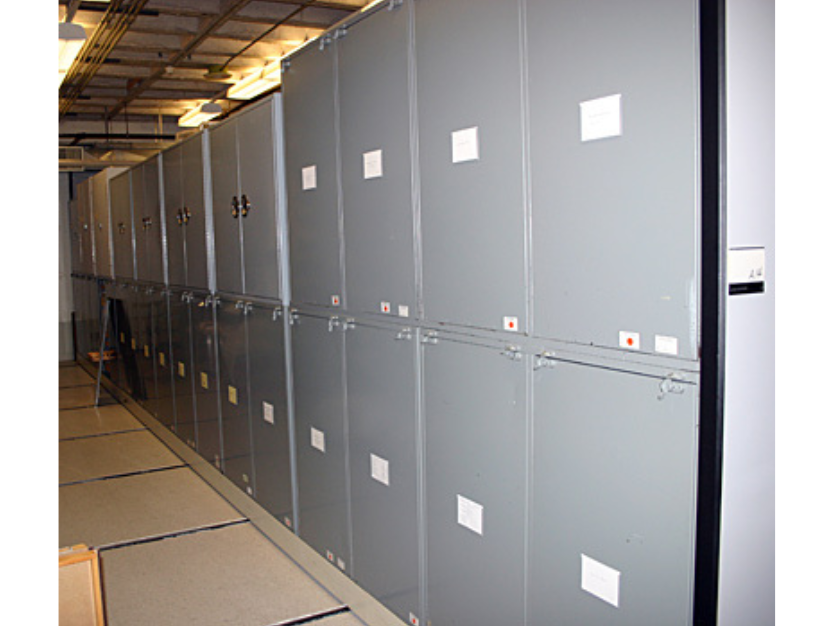
Looking down a row of metal cabinets in Museum collections storage.

A bank of cabinets in the Natural History Collections Room.

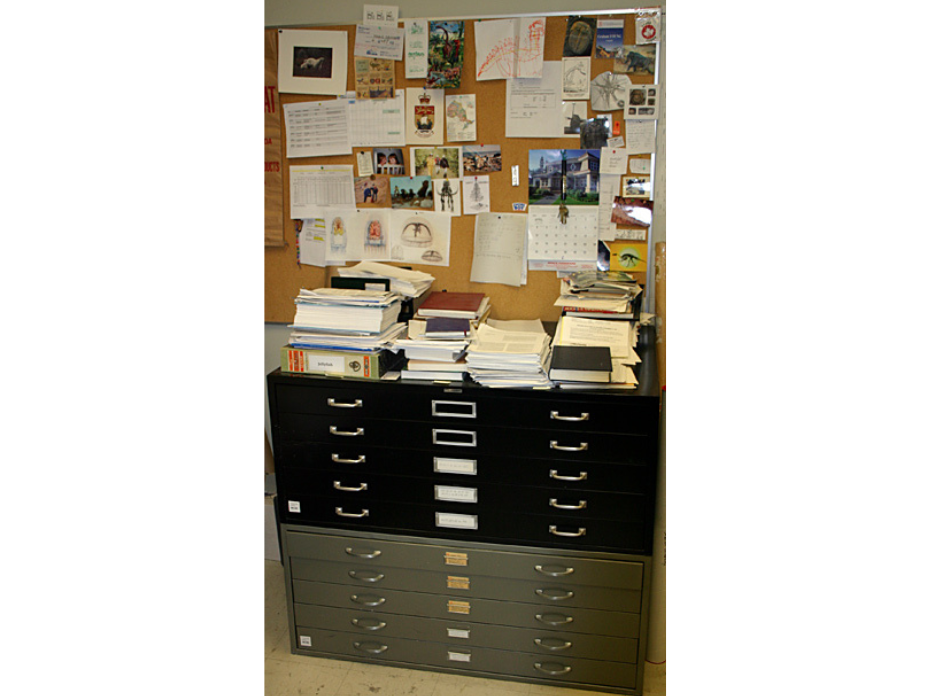
Two stacked cabinet with thin drawers against a wall below  bulletin board filled with pinned papers and images.

Story cabinet: this cabinet in my office stores jellyfish and other unusual fossils, while the bulletin board above holds endless stories.

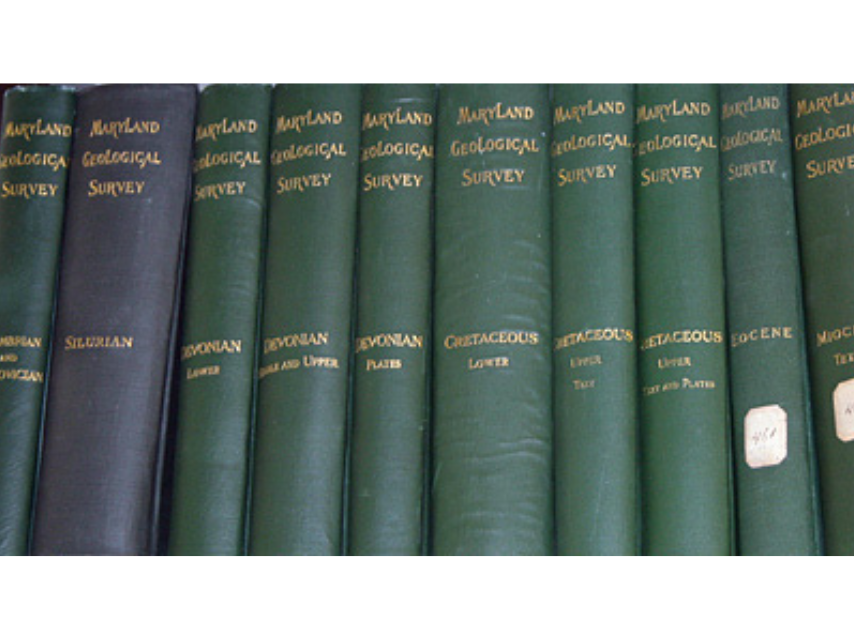
Close-up on the spine of a row of green and navy books in the series of the Maryland Geological Society.

We are living in an age where we are constantly encouraged to recognize our local environment, and our commitment to it, by eating locally, shopping locally, thinking locally. So why not blog locally? And in this particular instance, I am thinking very locally. I sit in an office where I am surrounded by strange and remarkable things: corals from the south Pacific, fossils from the Grand Rapids Uplands, antiquarian paleontology books, and ancient lamp shells that I pulled out of a ditch in England. Next door is the Geology Lab, filled to the brim with an endless variety of rocks and fossils, and right across the hall, in the Natural History Collections Room, I can open drawers to examine many thousands of objects, everything from mammoth tusks to meteorites to marcasite.

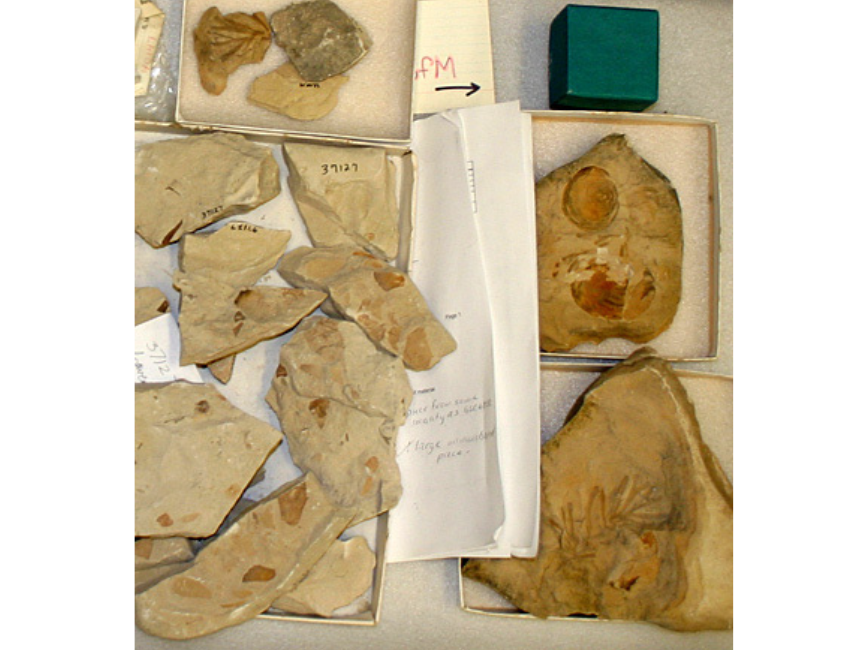
Fossil specimens laid out closely on a cart-top.

A cart in my office holds an array of unusual Ordovician fossils from the Cat Head area, Lake Winnipeg (on research loan from the Geological Survey of Canada). On the lower right is an example of Winnipegia, one of the seaweeds depicted in our Ancient Seas exhibit.

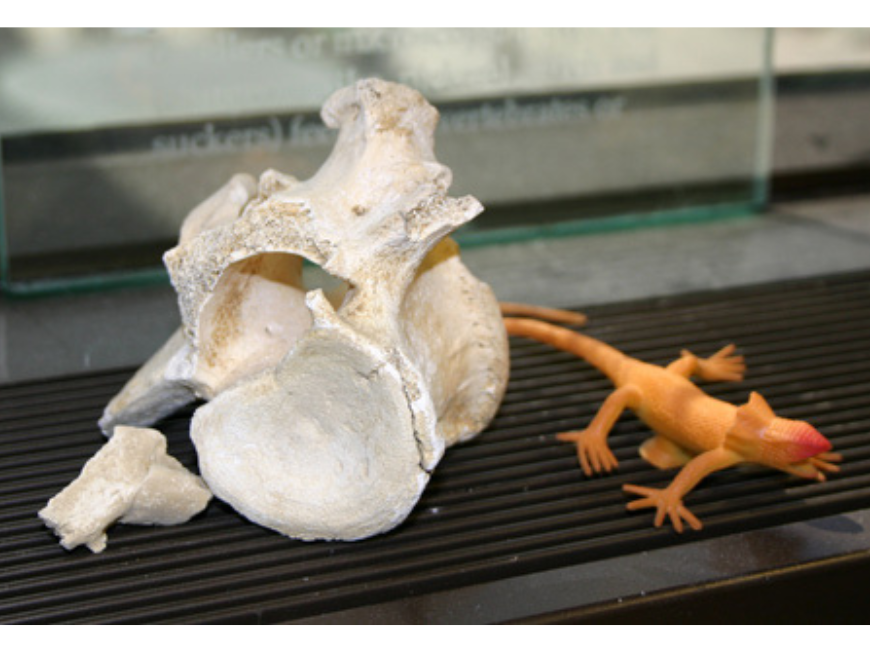
A white vertebrae bone next to a small orange plastic toy lizard.

Flotsam and jetsam that have washed up on my windowsill over the years. The vertebra belongs to a cow crushed by a collapsing hoodoo in the Alberta Badlands. The lizard has its own story, which may turn up here at some point.

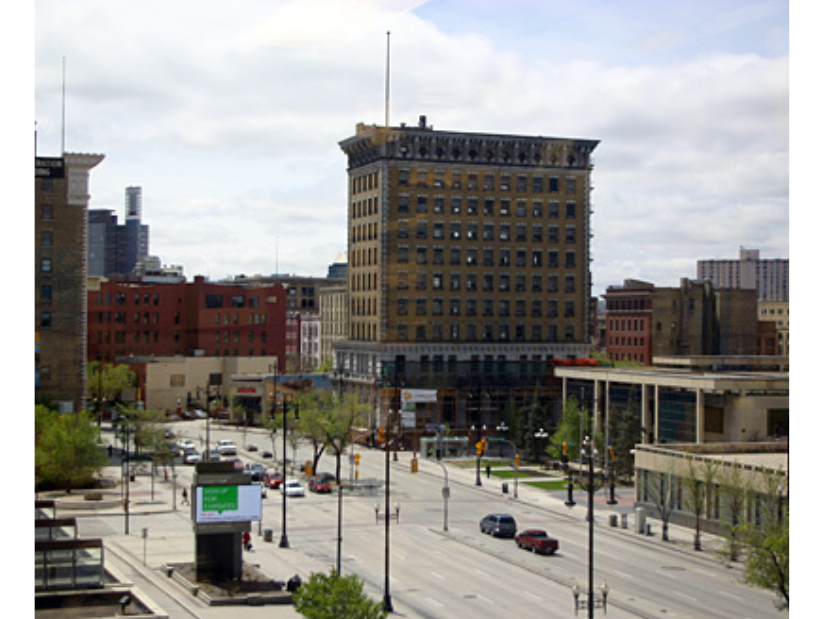
View looking south on Main Street towards the Winnipeg City Hall. The road is quiet under the midday sky.

Flotsam and jetsam that have washed up on my windowsill over the years. The vertebra belongs to a cow crushed by a collapsing hoodoo in the Alberta Badlands. The lizard has its own story, which may turn up here at some point.

Every one of these objects has at least one story, and many of them hold remarkable tales: tales of Arctic exploration, heroism, bizarre field events, exhibits, even politics. By limiting myself to writing about things that are within 20 metres of this computer, I am forcing myself to consider and develop those wonderful stories. But I do not consider this to be at all limiting, since so many will reach outward to explanations of fieldwork and other travels. It would not be at all difficult to write for a year just about items that I can reach from this comfortable chair, so extending the reach to 20 metres, or about 60 feet, could permit a lifetime of writing!

This Museum is a fascinating place. I hope you will revisit this page to see some of the stories behind our collections and exhibits.

Final Launch of Space Shuttle Atlantis – 1:20PM CDT today

After 25 years, 31 missions, more than 282 days in space and 17 visits to two different space stations, the space shuttle Atlantis is on the pad for its final flight. NASA-TV and spaceflightnow.com are providing live coverage of Atlantis’ final launch, scheduled for 1:20 pm Central Daylight Time today (14 May 2010). Atlantis will launch on a 12-day mission to attach the Rassvet Russian research module to the International Space Station and swap out six massive batteries which have been on station for several years. After the flight, Atlantis will be prepared as the “rescue” shuttle for a contingency launch in case of a problem with future flights of the other two orbiters, Discovery and Endeavour. Assuming that’s not necessary, Atlantis will be retired, and museums across the United States are having gunfights over who will get her for display.

Atlantis has been the vehicle for some of the major milestones of the U.S., Canadian, and International space programs. Atlantis docked with the Russian space station Mir 7 tmies, building a base of experience that would result in today’s International Space Station. Canadian astronaut Chris Hadfield was board the first flight (STS-74) to Mir in 1995, and colleague Steve Maclean also flew aboard Atlantis in 2006 on mission STS-115 to the International Space Station. Atlantis has also launched several significant satellites: the Galileo probe to Jupiter, the Magellan radar mapper to Venus, and the Compton Gamma Ray Observatory, a space telescope that observes very high-energy radiation from space.

Godspeed, Atlantis, and we thank you.

Scott Young

Scott Young

Planetarium Astronomer

Scott is the Planetarium Astronomer at the Manitoba Museum, developing astronomy and science programs. He has been an informal science educator for thirty years, working in the planetarium and science centre field both at The Manitoba Museum and also at the Alice G. Wallace Planetarium in Fitchburg, Massachusetts. Scott is an active amateur astronomer and a past-President of the Royal Astronomical Society of Canada.

Recipe for a Perfect Field Day

With field season right around the corner I find that I spend a lot of time reminiscing about my past field work, and musing about what makes a perfect field day. I would say that it goes something like this:

  • 1 reliable vehicle
  • Good, dry roads and trails, to taste
  • 1 part nice weather: 20-24°C with a gentle wind
  • 1 beautiful landscape
  • 1 (or more) exciting discoveries or observations
  • 0 irritating insects

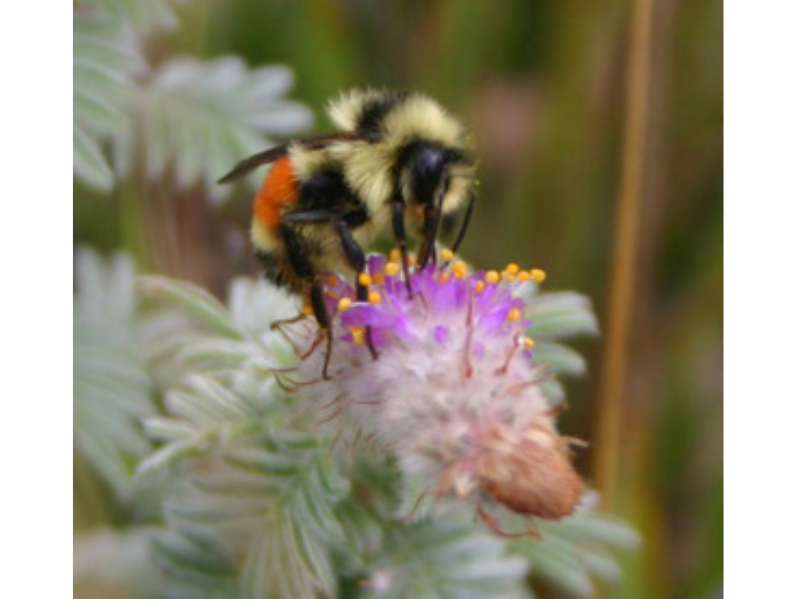
Close-up on a bumble bee on a purple Hairy Prairie Clover flower.

A bumblebee pollinating a rare Hairy Prairie Clover plant was a great field discovery.

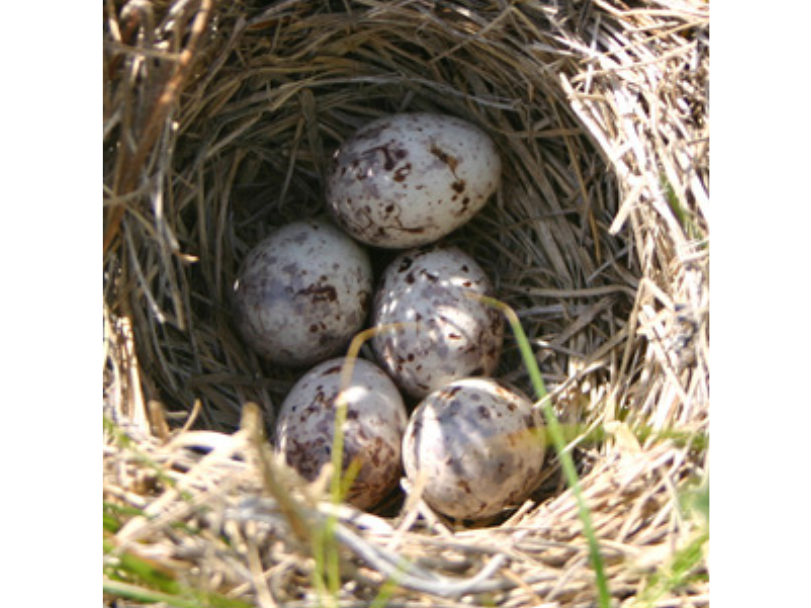
Close-up looking into a birds nest with five white speckled eggs.

It’s always thrilling to find a bird’s nest hidden in the prairie grasses.

I had a perfect field day once. I was in the Frenchman River Valley of southern Saskatchewan surveying potential routes for a new highway. My plan was to walk the entire length of one route to document the vegetation and identify rare plants. My car didn’t break down or get stuck in mud on the way there. The weather was perfect and the view spectacular. There were thousands of beautiful wildflowers covering the hillsides. Meadowlarks were singing. I found a really cool snakeskin and bird’s nest. There were no mosquitoes. Ah if only every field day was this good.

Sadly most field days are not perfect. Just about anything that can go wrong has gone wrong for me at one time or another. I’ve dropped my portable computer on a rock and lost a morning’s worth of data. I’ve spend an entire day taking pictures only to realize later that I had forgotten to put my card in the camera. I’ve nearly gotten lost. My vehicle has broken down in the middle of nowhere (on several occasions). I’ve locked my keys in the car, miles from a gas station, in an area with no cell phone coverage. I’ve gotten blisters and bug bites and heat exhaustion. I’ve done field work in pouring rain, frosty August mornings (one of Mother Nature’s cruel jokes) and blistering heat.

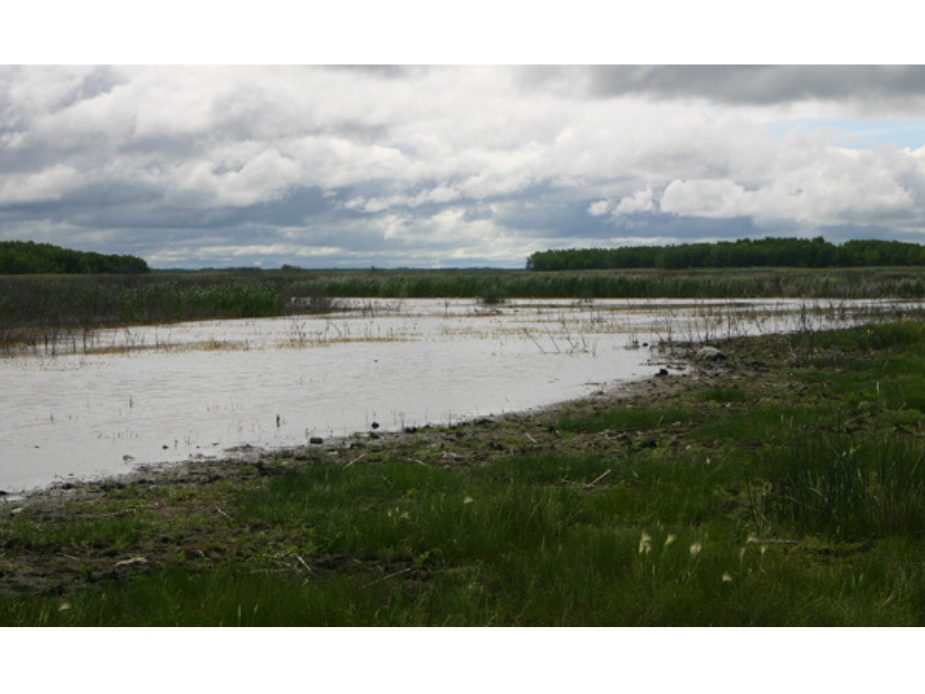
Landscape view looking out over a marshy body of water and low growing vegetation along the banks.

Every field scientist that I’ve met likes to tell these sorts of “field stories”. It’s almost like a competition where each person tries to outdo the other in terms of the degree of discomfort experienced. One of my favourites was when a friend of mine was rescuing an injured hawk and the bird sunk its talons straight through his hand (and no, he wasn’t exaggerating-I saw the holes). Another is when a gale-force wind blew my husbands’ tent and nearly all his belongings right into Lake Winnipeg. He stood on shore and watched it float away. About a month later I got a call from the RCMP, asking if I knew where my husband was because they found his tent washed up on shore and thought he might have drowned. He was fine but had to spend an uncomfortable night in an old fishing cabin waiting for a plane to pick him up.

Image: I spent a cold, rainy June morning collecting plants at West Shoal Lake, Manitoba.

Like many field scientists I’ve had numerous uncomfortable days but fortunately no real tragic ones. Tragedies do happen on occasion so it is important to be as prepared for disaster as you can be. I’ve known at least three biologists who died in helicopter or plane crashes. Another friend was nearly killed by a black bear. Yet another consumed food that was likely contaminated with mycotoxins while working abroad and eventually died of liver cancer.

So by now you might be thinking I’m a bit crazy and that maybe a nice desk job would have been a better career choice. Despite all of the discomforts that I have to put up with I would never have chosen another career. The thrill of exploring the wild areas of our planet, discovering new things and being able to see animals up close and personal rather than through the lens of a camera is amazing. I’ve never been more at peace than I have been sitting on a grassy hillside over a valley or swimming in a remote lake. Even the most miserable day has a few perfect moments in it: seeing morning dew on a spider web, watching the sun shine through the clouds, looking into the eyes of another animal being (as Jane Goodall would call them).

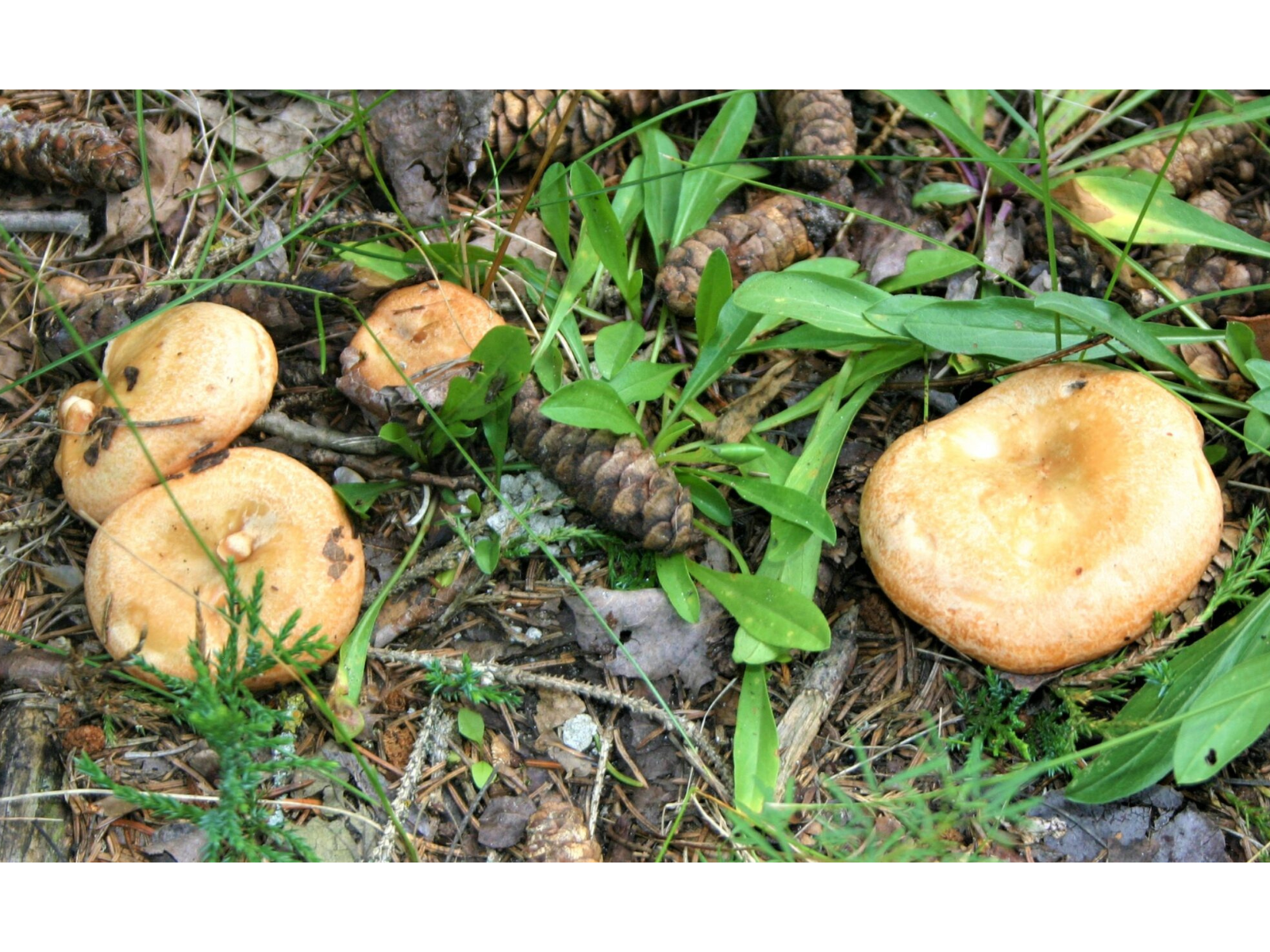
Close up on several tan-coloured mushrooms growing low to the ground.

I got eaten alive by mosquitoes while collecting fungus in late September in 2009.

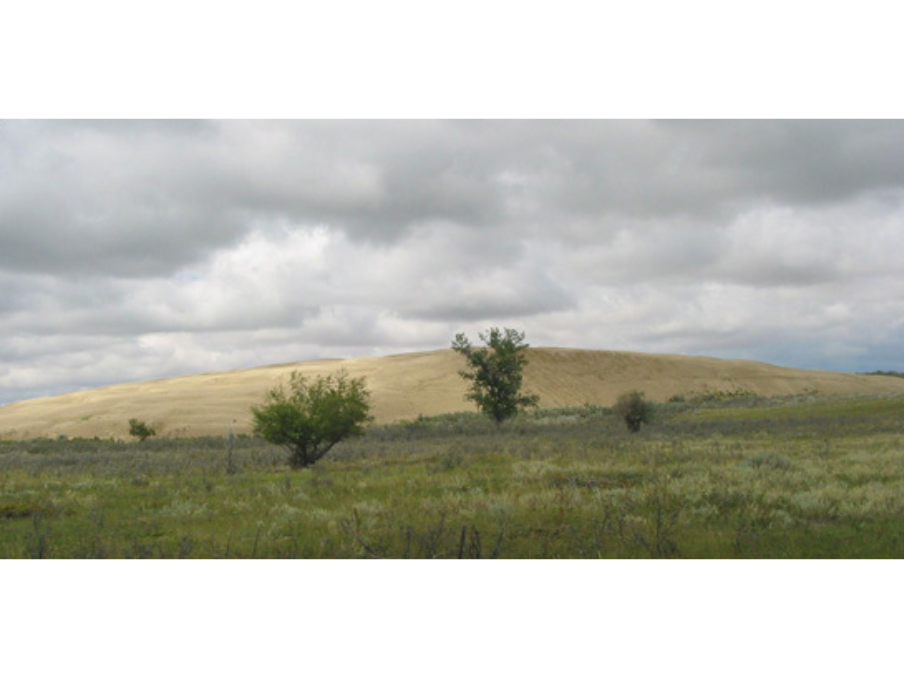
A landscape with gently rolling hills and lone trees and bushes.

I had a wonderful time looking for rare plants in the Great Sand Hills of Saskatchewan.

Furthermore I find that experiencing some adversity makes you more appreciative of the good things in life. I’ll never forget the time I had to hike for 40 minutes through wind and pouring rain to harvest seeds in Grasslands National Park, Saskatchewan. I was cold, wet and my back and knees were aching from hunching over research plots all day. I was never more appreciative of the simple luxuries of life than I was that night: a bath, dry clothes, hot tea, a warm meal, and a soft bed to sleep in. Most people (at least in what we call the “developed world”) would not consider these things to be luxuries, but I do. For this reason, experiencing hardship, even a little bit, can make you a more compassionate, less materialistic, and ultimately happier person. I spend my days being grateful for what I have, rather than obsessing about what I don’t. So I don’t begrudge the bad field days. At the very least they make good story to tell.

Dr. Diana Bizecki Robson

Dr. Diana Bizecki Robson

Curator of Botany

Dr. Bizecki Robson obtained a Master’s Degree in Plant Ecology at the University of Saskatchewan studying rare plants of the mixed grass prairies. After working as an environmental consultant and sessional lecturer…
Meet Dr. Bizecki Robson

Upcoming Planetarium Show: Earth – An Oasis in Space

I’ve been listening to the soundtrack for our upcoming planetarium show, “Earth: An Oasis in Space”, and it’s gotten me thinking. The show is all about life in the universe, and how liquid water is a key ingredient for life as we know it. This is what makes Earth an oasis – we have buckets of the stuff. But if we find liquid water elsewhere in the solar system, what does that tell us about life elsewhere? “Necessary but not sufficient” is the way my science profs would have put it – but finding places with liquid water would certainly narrow the search for life. (This show opens at the end of June, by the way… you should come see it!)

So here’s the question: why are we so interested in finding life beyond Earth? From NASA scientists to the UFO “true believers” and everyone in between, the idea of finding life elsewhere seems to be almost universally popular. Is it a desire to not be alone in the vastness of space? Is it a hope that aliens will come and save us from all the problems we face on earth, essentially a big cry for Mommy? Is it pure curiosity, that driving force of humanity that has forged our civilization for millennia?

Of course, we’re not all looking for the same sorts of life. Most scientists in the field expect that the most common sort of life we might find out there will be non-technological: slime molds, bacteria, and other primitive forms of life. And ocean life tends to be non-technological, too: you don’t see dolphins or whales building space probes or sending radio signals into space like humans do, despite their obvious intelligence. Even if the universe is teeming with life, most of it will be totally invisible to us until that first astronaut steps off the ladder and pokes it with their finger – and that’s a *really* long way off technology-wise.

There are several places within our own solar system that may have once harbored primitive life: Mars, for example. There are even a couple, like Jupiter’s moon Europa, that may have life currently there right now, just waiting for us to find it. Until then, the search continues… sort of. Listening for aliens via radio will only detect the most advanced civilizations out there, while ignoring the much larger number of worlds with potential primitive life. Space telescopes can find planets with oxygen atmospheres and water vapour as likely candidates, but until we start sending robots or people out into space again, we’re not going to *know*.

This is why some of the long-ranged plans are pretty exciting. NASA and the European Space Agency are thinking about a big mission to the Jupiter system using two spacecraft sometime in the 2020’s. The Europa Jupiter System Mission would determine if any of Jupiter’s moons are habitable worlds – but it’s not funded yet and it’s a long way off. The Mars Science Laboratory will give Mars another once-over, and be able to do more on-site science than previous missions, including trying to figure out where all the carbon comes from – on Earth, it comes from the actions of life. There are lots of other ideas on the drawing boards for the late 2010’s and 2020’s. Until then, inquiring minds still want to know but are left to wonder.

This is why some of NASA’s upcoming missions are exciting.

Scott Young

Scott Young

Planetarium Astronomer

Scott is the Planetarium Astronomer at the Manitoba Museum, developing astronomy and science programs. He has been an informal science educator for thirty years, working in the planetarium and science centre field both at The Manitoba Museum and also at the Alice G. Wallace Planetarium in Fitchburg, Massachusetts. Scott is an active amateur astronomer and a past-President of the Royal Astronomical Society of Canada.

Zombies in Space

OK, not really – it’s a zombie satellite, though, which is still a bit creepy. Seems a solar storm took out the Galaxy 15  satellite last month, and now it’s wandering around in orbit under no one’s control. The worry is that it’s actually more of a vampire than a zombie, since it may start to suck the signals out of other satellites it gets near… full story at Space.com.

Gunter Wendt, 1924-2010

Gunter Wendt, one of the driving forces of the American space program, passed away earlier this week at age 85. Wendt was the pad leader at Kennedy Space Centre throughout the Mercury and Gemini days, the last face that astronauts saw before heading into space. Always concerned with the safety of his astronauts, Wendt earned the nickname “pad fuhrer” due to his thick German accent and firm rules. He was one of most endearing characters in Tom Hanks’ HBO miniseries “From the Earth to the Moon”. Click here for more details.

Scott Young

Scott Young

Planetarium Astronomer

Scott is the Planetarium Astronomer at the Manitoba Museum, developing astronomy and science programs. He has been an informal science educator for thirty years, working in the planetarium and science centre field both at The Manitoba Museum and also at the Alice G. Wallace Planetarium in Fitchburg, Massachusetts. Scott is an active amateur astronomer and a past-President of the Royal Astronomical Society of Canada.